


Ensuring workplace safety can sometimes feel like you’re trying to crack the Enigma code, with a tangle of regulations and lurking hazards. We’ve all felt that mix of responsibility and trepidation when sorting out the lockout/tagout (LOTO) procedures, haven’t we? It’s crucial stuff though – getting it right with LOTO standards is a lifesaver, quite literally.
These practices are no trifling matter; they’re keeping about 120 Aussies from fatal accidents and preventing some 50,000 injuries each year.
This yarn isn’t just facts and figures, mate – it’s your quintessential guide to making sense of lockout safety locks and the whole shebang. Our goal? To make our worksites as safe as fair dinkum fortresses, one padlock at a time.
So stick around – this is about more than rules; it’s about looking after your mates in the trenches with you.
Understanding Lockout/Tagout (LOTO) Procedures

Understanding Lockout/Tagout (LOTO) procedures is crucial for workplace safety. Compliance with OSHA and Australian standards ensures the proper preparation, shutdown, isolation, and verification of energy sources to prevent accidents.
Importance of LOTO in Workplace Safety

Ensuring the safety of everyone on-site is non-negotiable for us as business owners. Lockout/Tagout (LOTO) procedures are a cornerstone in maintaining workplace safety, safeguarding against the unexpected activation of machinery and equipment during maintenance or repair work.
They serve as a critical checkpoint that protects employees from serious hazards such as electrical shocks, entanglement, or crushing injuries.
We recognise that successful implementation of LOTO programmes minimises risk and significantly reduces the chances of accidents and fatalities within the workplace. By rigorously applying lockout devices whenever necessary, we maintain control over potentially dangerous energy sources.
This disciplined approach not only helps us comply with OSHA standards and ASNZS regulations but also instils a culture of safety amongst our team members, affirming our commitment to their wellbeing at all times.
OSHA and Australian Standards for LOTO

Recognizing the critical role of LOTO in ensuring workplace safety, we naturally turn our attention to the stringent standards set by regulatory bodies to govern its implementation. Both OSHA in the United States and the Australian Standards serve as vital benchmarks for LOTO procedures.
Here is a comparative glance at OSHA and Australian Standards for LOTO:
| Aspect | OSHA (Occupational Safety and Health Administration) | Australian Standards |
|---|---|---|
| Purpose | Prevent accidental start-up of machinery during maintenance | Provide a systematic approach to control hazardous energy |
| Scope | Covers servicing and maintenance of machines where unexpected energisation could cause harm | Encompasses all industries where energy sources need to be isolated for safety purposes |
| Regulation Reference | 29 CFR 1910.147 | AS/NZS 4801 and AS 4024.1 |
| Training | Employers must train workers to ensure they understand LOTO procedures | Training and instruction must be provided, along with clear LOTO procedures |
| Lockout Devices | Devices must be durable, standardised, and substantial | Devices should be fit for purpose, durable, and not easily removed |
| Tagout Devices | Must include a warning against hazardous conditions if the machine is energised | Tags must warn against operation of the equipment and withstand environmental conditions |
| Periodic Inspection | Annual inspections of LOTO procedures are required | Regular inspections are mandated, frequency determined by the risk level |
| Documentation | Employers must document the LOTO procedure for each machine | Written procedures are required, including a list of all lockout points |
| Energy Control Program | Must include energy control procedures, employee training, and periodic inspections | Requires a documented energy control plan, employee involvement, and management commitment |
As we maintain a safe work environment, understanding and adhering to these standards is key. Let’s press on to examine the components that make up a comprehensive LOTO procedure.
Key Components of a Comprehensive LOTO Procedure

Understanding the key components of a comprehensive Lockout/Tagout (LOTO) procedure is crucial for ensuring workplace safety. From preparation and shutdown to isolation and lockout/tagout, each step plays a vital role in preventing accidents and injuries when working with machinery or equipment.
Preparation, Shutdown, Isolation, Lockout/Tagout, Stored Energy Check, Isolation Verification

Before beginning any maintenance or servicing of equipment, we know just how critical it is to prepare thoroughly. We identify all energy sources connected to the machines and plan every step required to control them.
This leads us straight into a systematic shutdown, where we turn off machinery in an orderly fashion, ensuring no sudden surprises put anyone at risk.
Next comes isolation; here, we physically separate the machine from its energy sources. This could be by turning off power switches or closing valves – it’s about making sure that machine won’t start up unexpectedly.
Once isolated, our lockout/tagout protocols come into play. Locks and tags are our friends in securing these devices against unintended reactivation.
We don’t stop there, though. Checking for stored energy follows because some machines hold residual power even after being shut down, think compressed springs or capacitors in electrical devices.
Draining this leftover juice means everyone stays safe throughout the repair process.
Lastly, we perform isolation verification, this is our safety double-check. It’s like asking: “Are you absolutely sure it’s safe?” We test controls and try starting up the machine (without actually letting it run) to confirm that yes, indeed, no unexpected operations can occur while people work on repairs.
Exploring Different Types of Lockout Safety Locks

Understanding the importance of keying in LOTO procedures and the various types of lockout safety locks available is crucial for workplace safety. Discover how these locks can make a difference in preventing hazardous energy release by reading more on this topic.
Keying in LOTO: Why It Matters

Lockout/tagout, or LOTO as we know it, is a major player in the field of workplace safety. It’s all about control – controlling the energy that powers machines and equipment. Picture this: every time a machine needs maintenance or repair, there’s potential for an unexpected release of energy.
That’s where keying in LOTO comes into play. We use specific locks and tags to ensure that machinery stays off and workers remain safe.
Realising the full potential of LOTO procedures hinges on using those lockout devices correctly. Each keyed lock represents a personal safety guarantee – one worker, one lock, one key – preventing anyone else from re-energising the system while work is underway.
This method isn’t just good practice; it’s backed by OSHA standards and serves as a cornerstone of our commitment to keeping each other out of harm’s way. Implementing stringent lockout/tagout protocols shields both staff and business owners from tragic accidents and legal complications alike.
The Advantages of Using Lockout Safety Locks

Using lockout safety locks provides a reliable and visible method of isolating energy sources, reducing the risk of accidents and ensuring compliance with safety regulations. Implementing these locks can significantly enhance workplace safety and prevent potential hazards.
Locking Down Safety: How Lockout Safety Locks Make a Difference
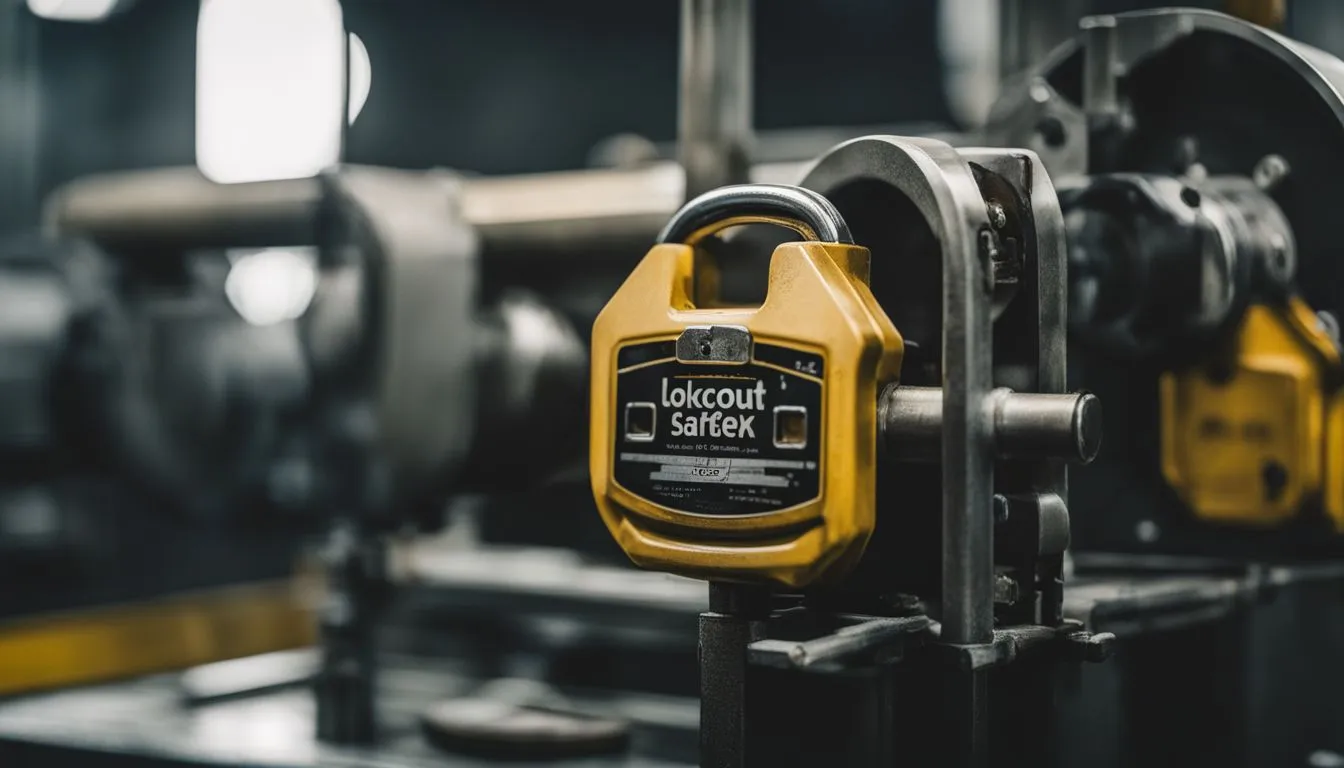
Lockout safety locks serve as a critical line of defence in our workplace, keeping everyone safe by ensuring that machinery stays off during maintenance or repair. Imagine a worker servicing equipment when suddenly it powers on because someone didn’t realise it was under repair – the outcome could be disastrous.
But with sturdy lockout devices firmly in place, machines are rendered inactive, which prevents accidental activation and protects lives.
We enforce strict compliance with lockout tagout procedures not just to meet OSHA standards and ASNZS regulations but to establish a culture where safety is never compromised. Every lockout device we deploy acts as a guardian over potential hazards, delivering peace of mind to our employees who trust their well-being is always our top priority.
These simple tools are powerful allies in hazard prevention – each padlock or hasp translates into reduced risk and heightened security around dangerous energy sources.
Compliance with LOTO Procedures

Establishing a LOTO programme and training employees on LOTO procedures are essential steps in ensuring compliance with workplace safety regulations. It is imperative to prioritise safety measures and adhere to WHS regulations for the overall well-being of your workers and the smooth operation of your business.
Establishing a LOTO Program

- Start by evaluating all equipment and processes. Identify every point where energy control is necessary to prevent unexpected start-ups during maintenance.
- Develop clear, written procedures for each piece of equipment. These must detail the specific steps to shut down, isolate, block, and secure machines correctly.
- Select appropriate lockout devices tailored to different types of machinery. Ensure they are durable, standardised, and identifiable to minimise confusion.
- Train every employee on the specific LOTO procedures applicable to their role. Include both authorised employees who execute the procedure and those affected by it.
- Assign individual locks to authorised personnel only, maintaining a strict one-key-per-lock rule to enhance security and accountability.
- Perform regular drills that simulate emergency situations where LOTO practices are required. It sharpens skills and reinforces procedure memory.
- Set up a systematic review process for your LOTO procedures and policies at least annually or whenever there’s a change in equipment or workflow.
- Encourage active employee participation in spotting potential improvement areas within your LOTO programme, promoting a culture of continuous improvement.
- Keep detailed records of all LOTO training sessions, acknowledgements from employees confirming they understand the procedures, as well as incident reports related to energy control.
- Regularly audit your LOTO programme’s effectiveness through unannounced checks; this will ensure ongoing compliance with safety regulations.
Training Employees on LOTO Procedures

- Start with defining what LOTO is, diving into the nitty – gritty of how it prevents accidental startups during maintenance.
- Illustrate real – life scenarios where LOTO could be a lifesaver, making the concept relatable and emphasising its gravity.
- Create comprehensive training modules that cover OSHA standards, local ASNZS regulations, and company-specific safety policies.
- Schedule regular training sessions to accommodate all shifts and ensure no one misses out on this crucial information.
- Utilise engaging materials such as videos, quizzes, and interactive demonstrations for a more impactful learning experience.
- Foster an open dialogue environment where employees can ask questions and discuss potential lockout/tagout concerns freely.
- Conduct hands – on practice sessions where employees can apply what they’ve learned in a controlled setting.
- Assign experienced mentors to provide guidance and reinforce best practices among newer team members.
- Evaluate understanding through written assessments or practical exams to confirm employees can safely implement LOTO procedures.
- Keep records of all training activities as evidence of compliance with safety regulations.
Maintenance and Inspection of Lockout Systems

Ensure that general maintenance of lockout systems is conducted regularly to keep them in optimal condition. Periodic inspections should also be carried out to identify any potential issues or wear and tear that may compromise the effectiveness of the locks.
General Maintenance

Regular maintenance of lockout systems is crucial to ensure their effectiveness in preventing hazardous energy releases. This involves routine checks and inspections of all lockout devices, safety locks, and associated equipment.
It’s essential to keep these components clean, well-lubricated, and in good working condition to guarantee their reliability in critical situations.
Periodic maintenance should include the examination of physical conditions such as wear and tear on locks, tags, and keying mechanisms. Any signs of damage or deterioration must be addressed promptly by replacing or repairing the affected components.
Additionally, regular testing of lockout systems is necessary to confirm that they can effectively control energy sources whenever needed.
By implementing a proactive approach towards maintaining lockout systems, business owners can uphold workplace safety standards while minimising the risk of accidents or injuries stemming from unexpected machinery energisation.
Ensuring that general maintenance tasks are completed diligently will contribute significantly to a safer work environment.
Periodic Inspection

Periodic inspections of lockout systems are crucial for maintaining workplace safety. They ensure the locks and devices are in optimal condition and compliant with safety regulations. Here are the key aspects to consider during periodic inspections:
- Evaluate the overall condition of lockout devices, including any signs of wear, tear, or damage.
- Confirm that all lockout/tagout equipment is appropriately labeled and identifiable, adhering to industry standards.
- Verify that employees understand and follow proper lockout/tagout procedures through ongoing assessments and feedback mechanisms.
- Review documentation and records of previous inspections to track maintenance history and identify any recurring issues.
- Conduct thorough testing of lockout equipment to assess their functionality under realistic conditions.
The Role of Proper Training and Compliance with WHS Regulations

Proper training and compliance with HSE regulations are paramount for ensuring workplace safety. Training employees on lockout/tagout (LOTO) procedures equips them with the essential knowledge to protect themselves and others from hazardous energy sources.
Compliance with HSE regulations not only fosters a safer work environment but also keeps businesses in line with legal requirements, reducing the risk of penalties and liability.
By investing in comprehensive training programmes and adhering to HSE regulations, businesses demonstrate their commitment to prioritising employee safety and well-being. This proactive approach not only minimises potential accidents but also enhances overall productivity and efficiency within the workplace.
Taking these steps can lead to a positive work culture where safety is valued, contributing to higher employee satisfaction and retention rates.
Conclusion

In conclusion, we have explored the critical components of Lockout/Tagout (LOTO) procedures and the significance of compliance with OSHA and UK safety standards. The different types of lockout safety locks were examined, emphasising their advantages in enhancing workplace safety.
We also discussed the importance of establishing a comprehensive LOTO programme and providing proper training to employees. Maintenance and inspection procedures for lockout systems were highlighted as essential for ensuring ongoing safety compliance.
Our focus has been on practical benefits, efficiency, and achieving specific safety goals through effective lockout procedures. Take action today by implementing these strategies to significantly improve workplace safety!
Sorting out lockout for your own site?
Describe what needs isolating and we'll help you work out the setup that fits.