
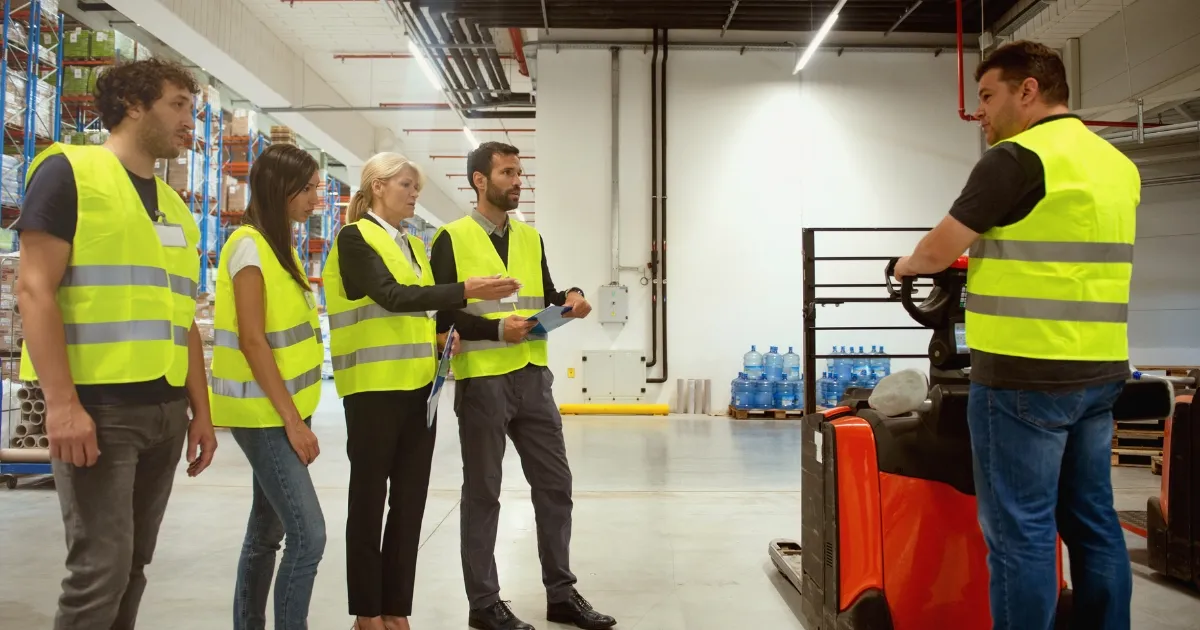
Employee training is a cornerstone of any effective Lockout/Tagout (LOTO) program. Proper training ensures that all workers understand the critical safety procedures involved in isolating energy sources and preventing accidental equipment start-ups. In this article, we’ll explore the essential role of employee training in LOTO, highlight best practices for delivering effective training, and discuss how ongoing education contributes to workplace safety.
The Importance of LOTO Training
Lockout/Tagout procedures and products are designed to protect employees from hazardous energy sources during maintenance and repair work. Without proper training, workers may not fully understand how to implement these procedures correctly, which can lead to unsafe practices and increased risk of accidents. Training ensures that employees know how to apply lockout devices, follow isolation procedures, and communicate effectively about maintenance activities.
Components of Effective LOTO Training
Effective Lockout/Tagout training includes several key components:
- Overview of LOTO Procedures: Employees should receive a thorough introduction to the purpose of LOTO procedures, including how they help prevent accidents and ensure safety.
- Detailed Procedures: Training should cover specific LOTO procedures for different types of equipment and energy sources, such as electrical, hydraulic, and pneumatic systems.
- Device Usage: Employees need to learn how to correctly use lockout devices, including padlocks, hasps, and circuit breaker locks. Training should include hands-on practice to ensure familiarity with these tools.
- Emergency Protocols: It’s crucial for employees to know what to do in case of an emergency, including how to respond if lockout procedures are not followed correctly.
- Regulatory Requirements: Training should cover relevant safety regulations and standards to ensure compliance and avoid potential penalties.

Designing a Training Program
A well-designed training program should be tailored to your specific workplace and equipment. Here are some steps to create an effective LOTO training program:
- Assess Training Needs: Identify the training needs based on the types of equipment used, the complexity of your lockout procedures, and the experience level of your employees.
- Develop Training Materials: Create or source training materials that are clear, comprehensive, and relevant to your workplace. This can include manuals, videos, and interactive modules.
- Schedule Training Sessions: Plan training sessions at regular intervals, including initial training for new employees and refresher courses for existing staff. Ensure that training sessions are conducted during times that do not disrupt regular operations.
- Incorporate Hands-On Training: Practical, hands-on training is essential for helping employees become comfortable with lockout devices and procedures. Set up simulated scenarios to practice applying lockout devices and following procedures.
Delivering Effective Training
The effectiveness of your LOTO training depends on how well it is delivered. Consider the following tips for delivering impactful training:
- Engage Participants: Use interactive elements, such as quizzes, group discussions, and real-life scenarios, to keep participants engaged and reinforce learning.
- Use Clear Language: Avoid jargon and use clear, simple language to explain concepts and procedures. Ensure that all employees, regardless of their background, can understand the training content.
- Encourage Questions: Create an open environment where employees feel comfortable asking questions and seeking clarification. Address any concerns or uncertainties promptly.
- Assess Understanding: Evaluate employees’ understanding through tests or practical assessments. This helps identify areas where additional training may be needed and ensures that all employees are proficient in LOTO procedures.
Monitoring and Evaluation
Monitoring and evaluating the effectiveness of your LOTO training program is crucial for maintaining safety standards. Regularly review training outcomes and gather feedback from participants to identify areas for improvement. Conduct periodic assessments to ensure that employees continue to adhere to lockout procedures and that training remains relevant to current practices.
The Role of Refresher Courses
Refresher courses are an important part of ongoing training. They help reinforce knowledge, update employees on any changes to procedures or regulations, and address any new safety concerns. Schedule refresher courses at regular intervals or whenever there are significant changes to equipment or procedures.
Addressing Training Gaps
If training evaluations reveal gaps in employees’ knowledge or adherence to LOTO procedures, address these issues promptly. Revise training materials, provide additional support, or adjust the training program as needed to address any shortcomings and ensure that all employees are up-to-date with best practices.
The Impact of Effective Training on Workplace Safety
Effective LOTO training has a significant impact on workplace safety. When employees are well-trained, they are more likely to follow proper procedures, use lockout devices correctly, and communicate effectively about maintenance activities. This reduces the risk of accidents, improves compliance with safety regulations, and fosters a culture of safety within the workplace.
Empowering Safety Through Training
Employee training is a critical element in the success of any Lockout/Tagout program. By providing comprehensive, practical training and ongoing education, you empower your team to maintain a safe working environment and effectively manage hazardous energy sources. Remember, investing in quality training is not just about meeting compliance standards, it’s about fostering a culture of safety where everyone plays a part in preventing accidents and ensuring workplace safety.
Sorting out lockout for your own site?
Describe what needs isolating and we'll help you work out the setup that fits.