


At our worksites, the spectre of workplace mishaps from not properly isolating equipment is an all too familiar worry. Just like you and your mates on the job, we’re genuinely aware that a worrying 10% of serious injuries in the workplace come from electrical incidents.
In our latest yarn, we delve into how lockout safety locks aren’t just nifty gadgets – they’re lifesavers for your crew. Learn about this crucial step up in industrial safety and how it can keep everyone at work safe as houses.
Understanding Lockout Safety Locks
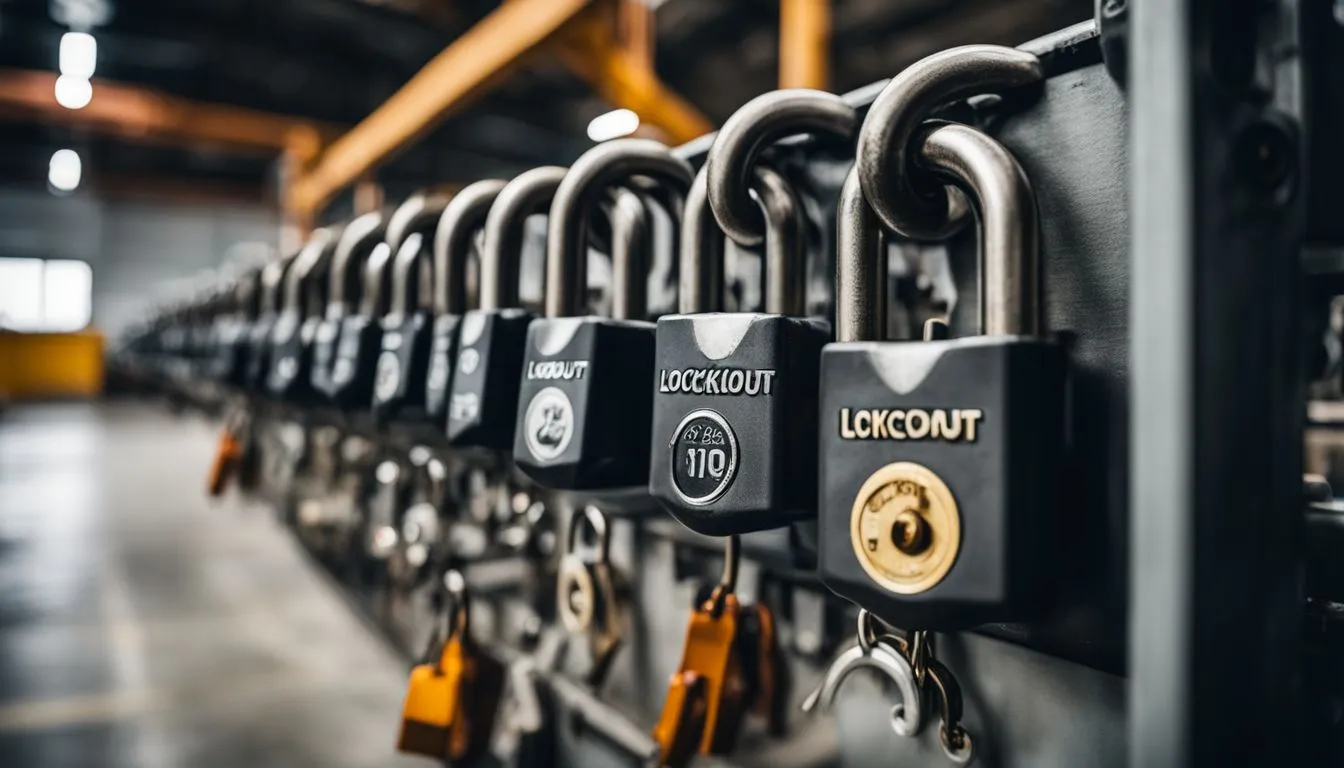
Lockout safety locks are specifically designed to prevent unauthorised access to equipment or machinery, ensuring the safety of workers during maintenance or repair work. They differ from standard padlocks in their ability to securely lock out hazardous energy sources, such as electrical, mechanical, hydraulic, and pneumatic systems.
Understanding the importance of Lockout Tagout (LOTO) procedures and using specialised LOTO locks is crucial for maintaining a safe working environment.
Difference Between Lockout and Standard Padlocks
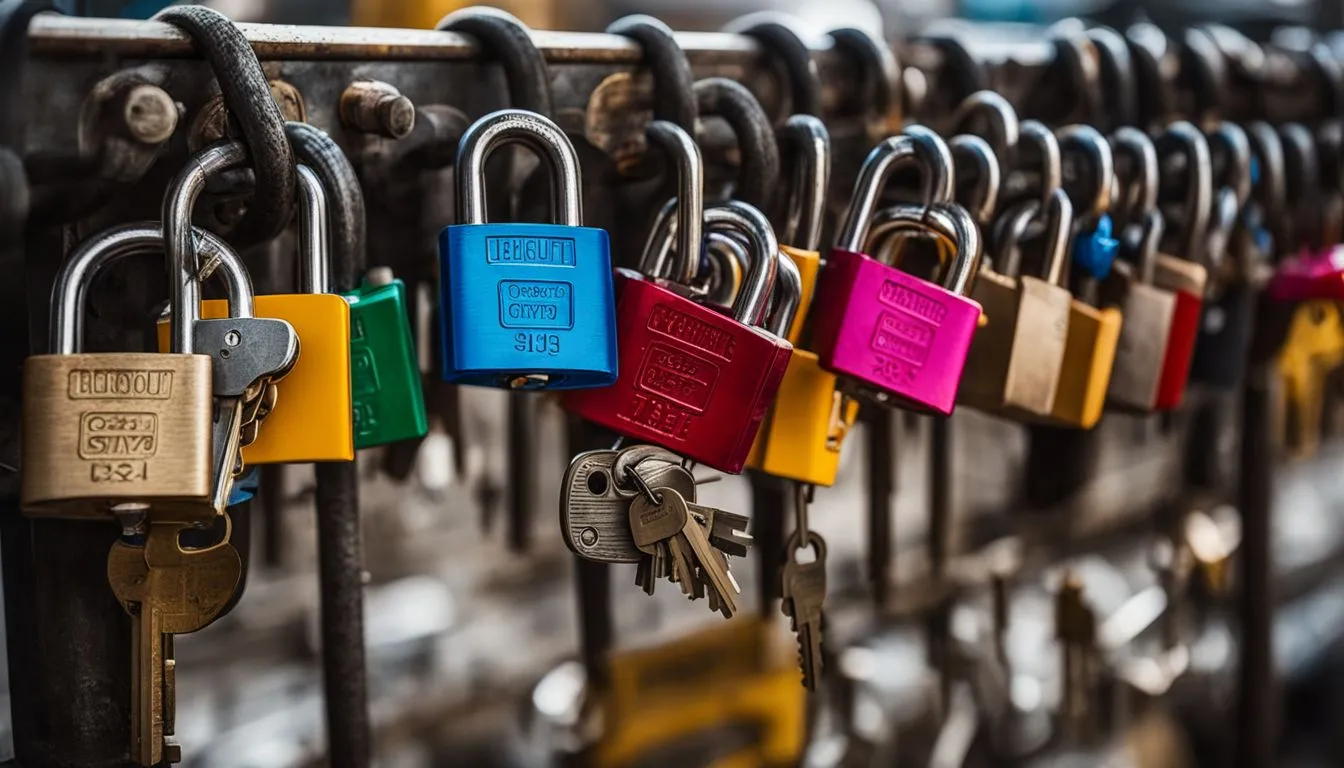
Lockout safety locks and standard padlocks might look similar, but they serve very different purposes in the world of workplace safety. We use lockout devices to ensure that equipment is effectively isolated from energy sources during maintenance or repair work.
This means they’re designed specifically to prevent accidental energisation or start-up, protecting our team from potential hazards. Unlike regular padlocks, these specialised locks can withstand extreme conditions and are usually brightly coloured for easy identification.
Locksafe's lockout padlocks come with unique keys to maintain individual responsibility and control – no two keys are the same within a set system. They also often include labels or tags that provide vital information about the lockout situation, such as who locked out a machine and why it’s not be used.
With industrial safety at stake, we prioritise using these secure locking systems over standard options every time because they form an essential part of our rigorous safety protocols.
Importance of Lockout Tagout (LOTO)
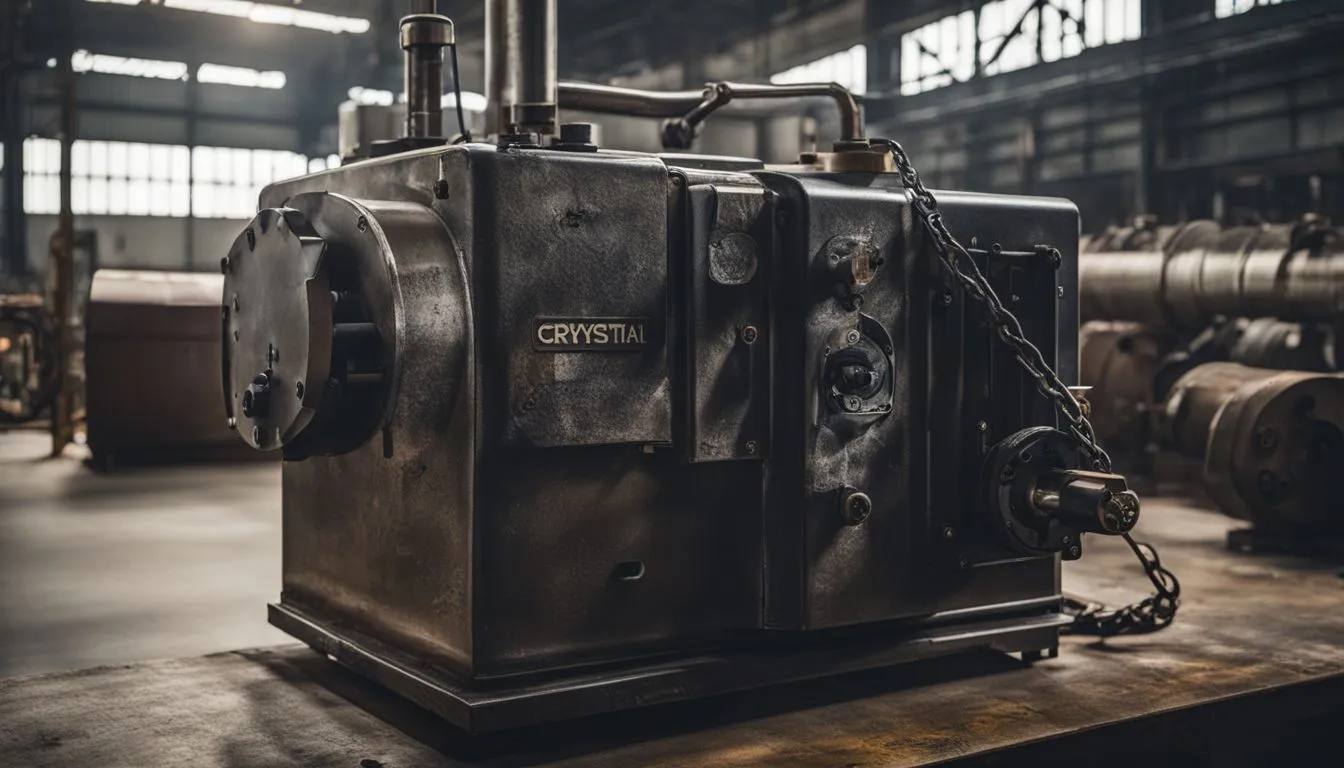
We understand the vital role Lockout Tagout (LOTO) plays in maintaining workplace safety. This process ensures that dangerous machines are properly shut off and cannot be restarted before the completion of maintenance or repair work.
It is a critical step in protecting employees from harm, as it secures hazardous energy sources such as electricity, hydraulics, and pneumatics. Utilising LOTO procedures can prevent unexpected energisation or startup of machinery and equipment which could lead to serious injuries or fatalities.
As business owners, we have a responsibility to implement robust LOTO protocols to safeguard our employees against potential accidents. This involves not just installing lockout devices but also providing comprehensive training on their correct usage.
Effective energy control through LOTO helps maintain industrial safety measures and minimises risk during equipment shutdowns or servicing operations. Our commitment to these safety precautions demonstrates our dedication to creating secure working conditions, a cornerstone for establishing trust within our teams and upholding occupational safety standards in our industries.
The Role of Lockout Safety Locks in Ensuring Safety
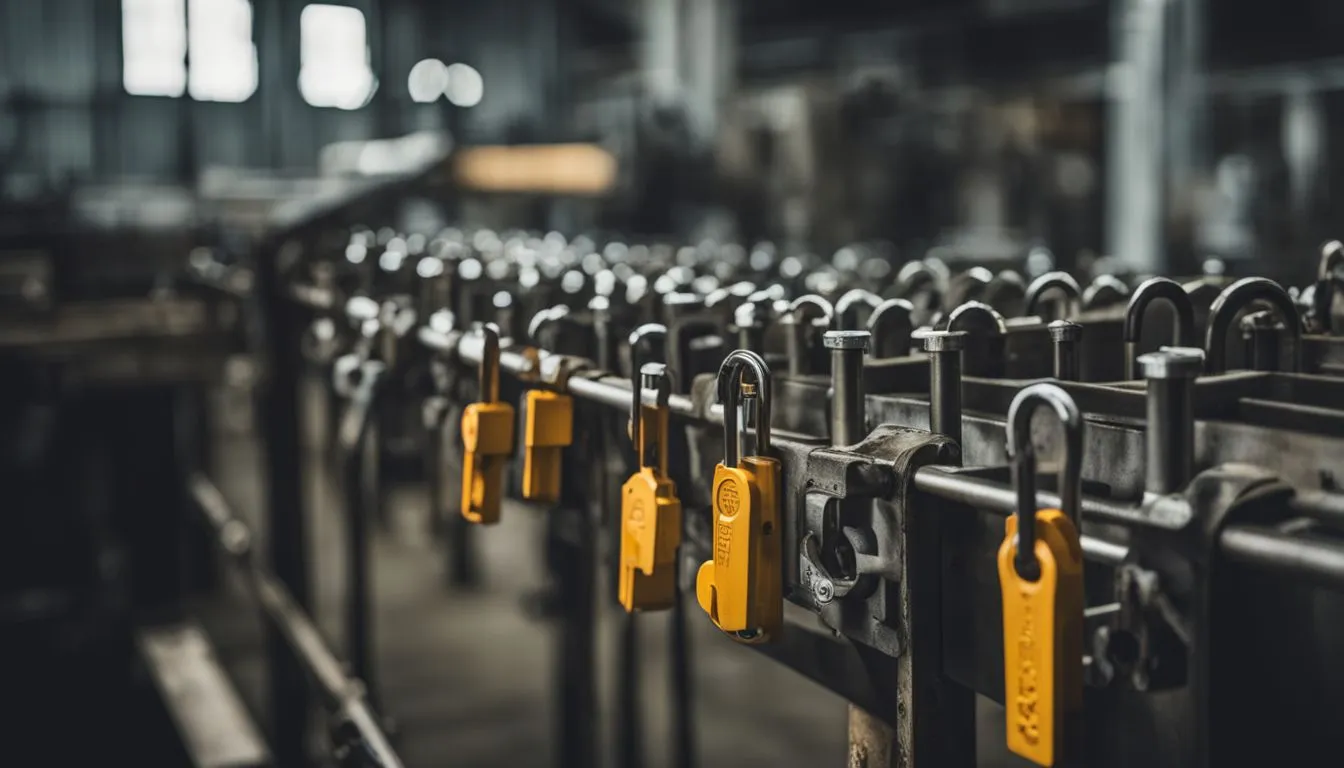
Lockout safety locks play a critical role in ensuring workplace safety by effectively isolating equipment and preventing hazardous energy from being released. By implementing lockout tagout procedures and using specialised locks, businesses can minimise the risk of accidents and protect their employees from harm.
LOTO vs Standard Padlocks: A Comparison

As we delve into the world of workplace safety, it’s crucial for us, as business owners, to understand the stark differences between lockout safety locks and standard padlocks. The distinction is not just in design but in the level of security and safety they provide. Let’s compare them side by side in an easy-to-understand format.
| Feature | Lockout (LOTO) Padlocks | Standard Padlocks |
|---|---|---|
| Purpose | Specifically designed to secure energy isolation points during maintenance and servicing. | General security for personal or commercial assets. |
| Key System | Each lock is often keyed differently to ensure one key opens only one lock for added safety. | Keyed alike or keyed differently, depending on the need for convenience or security. |
| Colour Coding | Available in various colours to signify different types or levels of hazards or to indicate ownership by specific teams or departments. | Typically one colour, not meant for hazard identification. |
| Material | Made from non-conductive and durable materials to withstand extreme conditions and prevent electrical accidents. | Usually made of metal, which may conduct electricity, posing a risk in certain environments. |
| Labels and Tags | Easily labelled with tags for clear identification of the hazard, the responsible person, and the expected duration of the lockout. | Rarely includes labels or tags as its purpose is not specific to safety protocols. |
| Regulatory Compliance | Designed to meet or exceed occupational health and safety regulations for lockout/tagout procedures. | Not specifically designed to comply with lockout/tagout safety standards. |
| User Identification | Often includes photo identification or other personalised features to indicate the specific individual who applied the lock. | Generally lacks personalised identification features. |
We prioritise the adoption of LOTO padlocks because they are integral to maintaining a safe work environment. These locks are not merely about compliance; they are about ensuring that every team member goes home to their families unharmed. Remember, investing in the right type of lock can make all the difference when it comes to safety and security in the workplace.
Safety Considerations for LOTO Locks

Understanding the differences between LOTO and standard padlocks leads us into a crucial aspect: safety considerations for LOTO locks. Each lock is specifically designed to hold up against extreme conditions, which means selecting a durable material is essential.
We must ensure that these locks can withstand temperature variations, chemical exposures, and physical force to maintain secure locking systems in any environment.
For every piece of equipment isolated with a LOTO device, we’re creating a barrier against accidental energy release – this is non-negotiable in maintaining industrial safety measures.
Not just any lock will do; the unique keying system of each LOTO lock ensures that only authorised personnel have access. This singular control diminishes the risk of cross-keying in complex systems, keeping everyone on site safer as they rely on clear identification through colour coding and tagging for an added layer of security and compliance with safety regulations.
Enhancing Safety in Dangerous Work Environments with Valve Lockouts

- We prioritise employee well – being by implementing valve lockout procedures, which isolate the energy flow and prevent accidental reactivation.
- Utilising these safety devices ensures that machinery remains inactive until maintenance is complete, serving as a visual warning to staff.
- Our teams install durable and tamper – proof valve lockouts designed to withstand harsh environments, mitigating the risk of injury or damage.
- Security gets a boost as we train our employees thoroughly on the proper use of valve lockouts, creating a culture of safety awareness.
- We conduct routine inspections of valve lockouts, making sure they’re in good condition and correctly placed for effective hazard prevention.
- It’s our goal to stay compliant with safety regulations by adopting lockout tagout (LOTO) practices that meet or exceed industry standards.
- Regular audits allow us to refine locking procedures, ensuring they adapt to new technologies and changes within our workspaces.
- Investing in high-quality valve lockouts translates into long-term savings by avoiding costly accidents and maintaining efficient operational flows.
- Our emphasis on clear labelling and secure locking systems keeps everyone informed about current risks associated with equipment shutdowns.
The Impact of Lockout Safety Locks on Workplace Safety

Lockout safety locks play a crucial role in ensuring workplace safety by effectively isolating equipment and preventing hazardous energy from causing accidents. By using LOTO locks, businesses can enjoy enhanced safety measures and minimise the risk of workplace incidents.
Benefits of Using LOTO Locks

Ensuring workplace safety is a top priority for us as business owners. Lockout/tagout (LOTO) locks play a critical role in achieving this, providing numerous benefits over standard padlocks.
Common Mistakes to Avoid When Using LOTO Systems

We often see businesses overlook simple yet critical aspects of Lockout Tagout procedures. It’s essential we address these lapses to bolster workplace safety and energy control.
- Skipping proper training: Employees must receive comprehensive training on lockout devices and procedures. Without this, workers might misuse the safety devices, leading to potential hazards.
- Failing to conduct regular audits: Regular checks ensure that LOTO practices comply with safety regulations. Neglecting these can cause outdated practices to persist.
- Ignoring manufacturer’s instructions: Always consult the manufacturer’s guidelines for lockouts. This ensures that equipment isolation adheres to the designed safety measures.
- Using one lock for multiple machines: Assign individual locks to each piece of equipment. Shared locks could confuse workers and lead to incomplete lockdowns.
- Not verifying zero energy state: After applying LOTO devices, always double-check that all hazardous energy sources are fully isolated before maintenance begins.
- Overlooking periodic inspections: Inspections by a knowledgeable authority can catch errors in locking procedures. Without them, mistakes may go unnoticed until an accident occurs.
- Omitting tags or signs: Safety warnings in the form of tags or signs provide crucial information and should never be left out during a LOTO procedure.
- Allowing complacency with routine tasks: Even experienced workers can become complacent. Stress the importance of vigilance, even in familiar situations.
- Disregarding changes in machinery or processes: Update LOTO protocols whenever there are changes in operations or new equipment is introduced.
- Missing out on group lockout provisions: When a team is working on a machine, everyone needs their own lock as part of a secure locking system.
Conclusion

In conclusion, the use of lockout safety locks is crucial for securing the workplace and preventing hazardous situations. Implementing lockout tagout (LOTO) procedures with specialised safety locks ensures practical and efficient equipment isolation.
The significance of this cannot be overstated, as it directly impacts workplace safety measures and helps avoid potential accidents. By adopting these strategies, businesses can experience a notable improvement in their overall industrial safety protocols and ensure the wellbeing of their employees.
As you continue to prioritise security within your operations, remember that our expertise and resources are here to support you every step of the way.
Sorting out lockout for your own site?
Describe what needs isolating and we'll help you work out the setup that fits.