

Understanding Lockout/Tagout (LOTO) in Workplace Safety
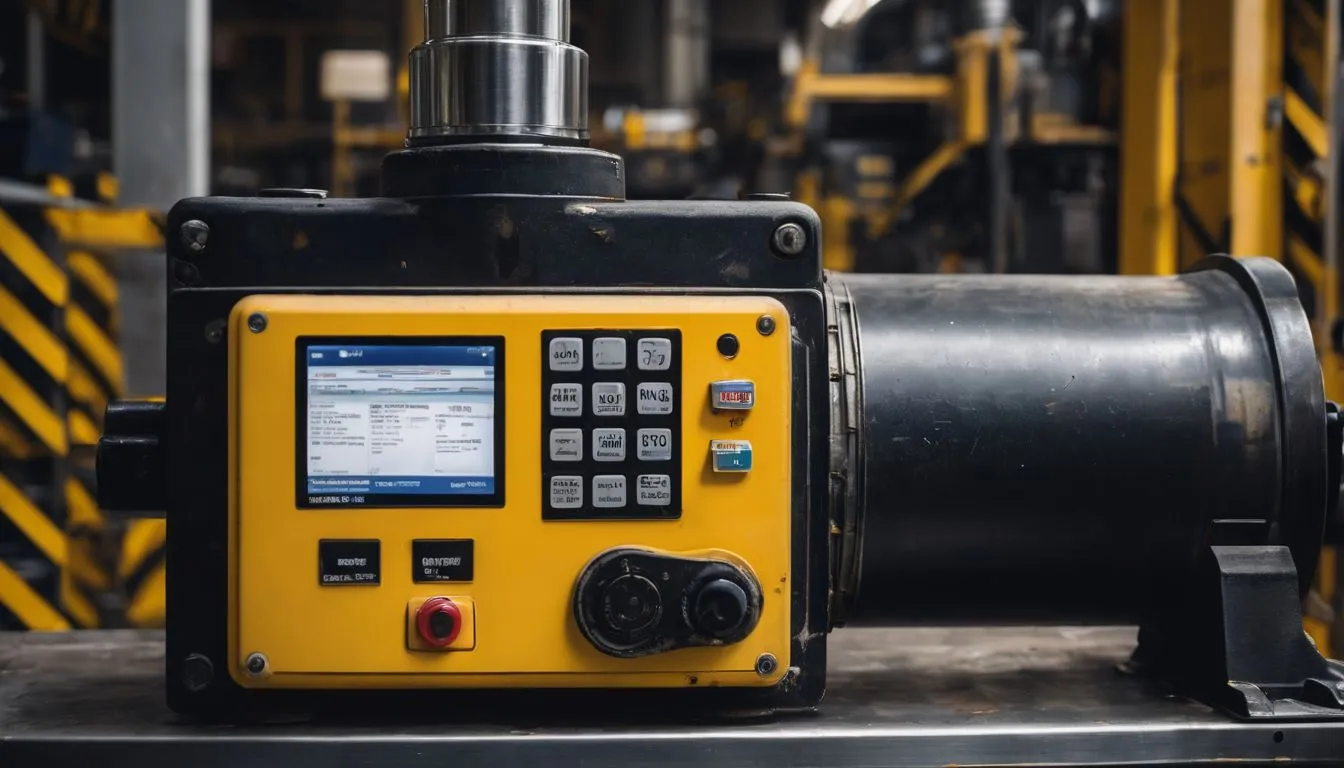
Lockout/Tagout (LOTO) is a critical procedure we implement to ensure that dangerous machines are properly shut off and unable to be started up again prior to the completion of maintenance or repair work.
It involves placing a lock and tag on energy isolating devices, which effectively secures them from being accidentally activated. This practice protects not just the lives of those directly involved in servicing equipment but also preserves the wellbeing of all employees within the vicinity.
We recognise LOTO as an integral component of workplace safety and industrial safety standards designed to control hazardous energies, electrical, mechanical, hydraulic, pneumatic, chemical, thermal or other forms emanating from industrial equipment.
As business owners overseeing machine maintenance procedures, adopting rigorous LOTO protocols safeguards our team members against unexpected startups or releases of stored energy; incidents that can cause severe injuries or fatalities.
It’s more than compliance with regulations; it’s about taking proactive steps towards creating an environment where everyone returns home safely after their shift.
The Importance of Safety Locks in LOTO Procedures

Safety locks are essential components of the LOTO process, providing a physical barrier to prevent the accidental release of hazardous energy. Padlocks, hasps, and valve lockouts play crucial roles in securing machinery and equipment during maintenance or servicing.
These devices ensure that only authorised personnel can access the locked-out equipment, minimising the risk of workplace accidents and injuries.
Padlocks
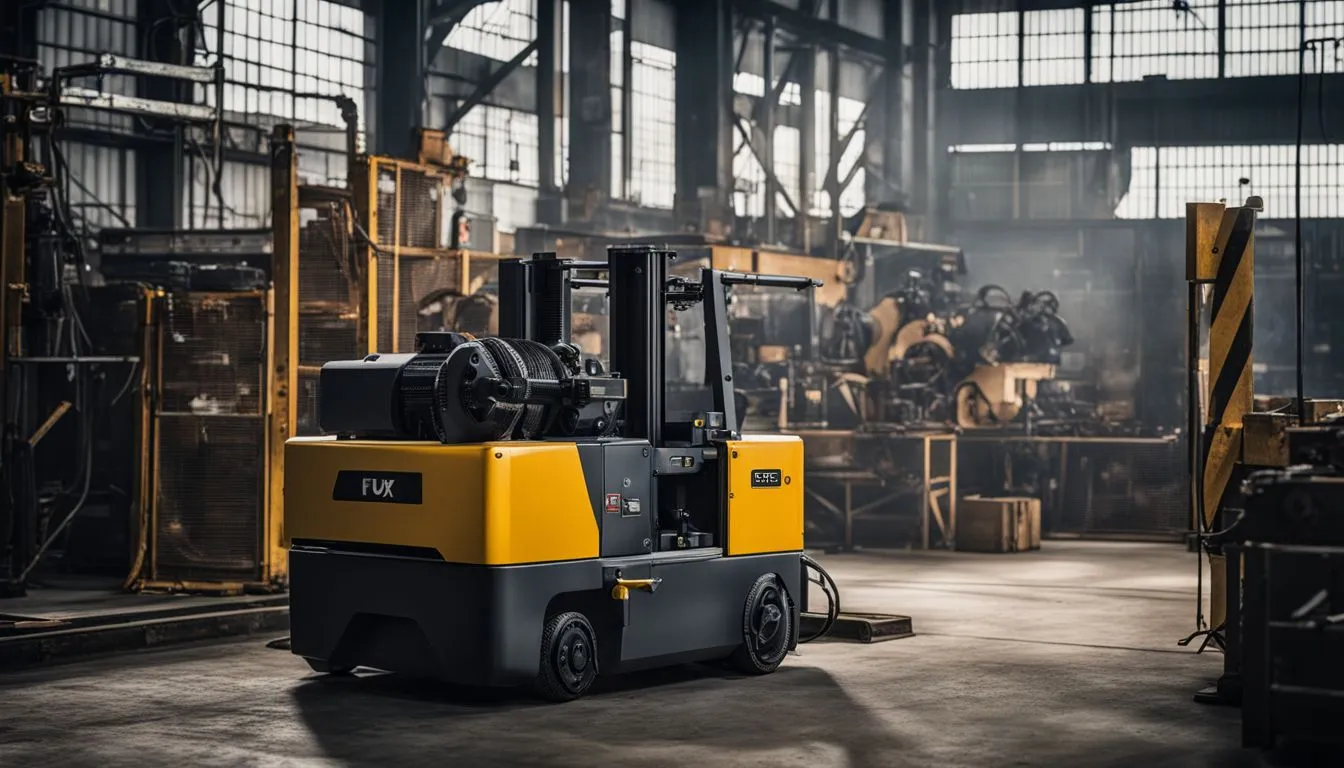
We know how crucial a robust padlock can be in your lockout/tagout (LOTO) procedures. These sturdy locks are the first line of defence against unexpected activation of equipment and machinery during maintenance or service work.
They offer a simple yet highly effective way to secure a lockout device, ensuring that only authorised employees have access to reenergise the system.
Our selection includes various types designed for industrial resilience and compliance with workplace safety standards. From weather-resistant options to those tailored for electrical hazards, every business owner should equip their team with padlocks that cater specifically to their operational needs.
This straightforward measure significantly reduces risks associated with hazardous energy sources and helps maintain rigorous occupational health and safety across all levels of operation.
Hasps

Hasps are vital in Locksafe's lockout/tagout procedures, ensuring that multiple users can secure equipment with their individual padlocks. This collaborative approach to machine safety means no single person has the power to remove the hasp and re-energise machinery until everyone involved in the maintenance or service work gives clearance.
A closed hasp signifies a visible commitment to workplace safety, sending a clear message that hazardous energy sources remain isolated.
Our priority is protecting each other from unexpected activations of industrial equipment during repairs or servicing; therefore, we choose robust and reliable hasps for our LOTO programmes.
These simple yet effective devices link compliance with practicality, keeping us ahead of occupational health and safety regulations while fostering a culture of collective responsibility.
Now let’s look at something equally important: valve lockouts, another key component in securing hazardous energy controls.
Valve Lockouts

Valve lockouts are essential tools in Locksafe's arsenal for ensuring that valves remain closed during maintenance or repair work. These sturdy devices can cover various types of valves, such as ball, gate, and butterfly valves.
They play a critical role by preventing the accidental release of hazardous energy sources which could lead to serious workplace incidents, a concern we all share as business owners aiming for industrial safety.
They understand that every piece of machinery is different and may require specific lockout devices. Our approach involves meticulously safeguarding each valve according to its size and function, utilising durable valve lockouts tailored to suit these unique requirements.
This attention to detail not only helps us meet LOTO compliance but also reinforces our commitment to creating a secure environment for authorised employees engaged in servicing equipment.
Moving on from securing the flow with valve lockouts, let’s consider the broader scope of safety provided by comprehensive LOTO strategies, our ultimate companion in lockout safety goes beyond locks alone.
Your Ultimate Companion in Lockout Safety: Locks and Beyond

Locks are the stalwarts of lockout/tagout procedures, anchoring our commitment to workplace safety. They stand guard, ensuring that every energy source is secure and each piece of industrial equipment remains untouchable during service work.
Beyond padlocks and hasps lies a realm where valve lockouts play a vital role in preventing unauthorised operation – a silent but crucial layer of defence against inadvertent energisation.
They hold dear the safety of their workers; hence, they embrace an array of lockout devices designed to meet not just OSHA regulations but also the unique demands of various machinery maintenance tasks.
It’s about creating an environment where hazardous energy sources have no sway over the wellbeing of our teams. Locks are more than tools; they symbolise our unwavering vigilance in upholding occupational health and safety standards.
The Role of Compliance in LOTO

Understanding and adhering to LOTO compliance requirements, as outlined by HSE standards and regulations, is crucial for ensuring the safety of employees and minimising the risk of workplace accidents.
Learn more about the essential role of compliance in LOTO procedures to better protect your workforce.
OSHA Standards and Regulations

We know the importance of adhering to OSHA standards and regulations in our workplaces. Meeting these guidelines not only keeps our teams safe but also ensures that we’re compliant with national safety requirements.
Training and Education
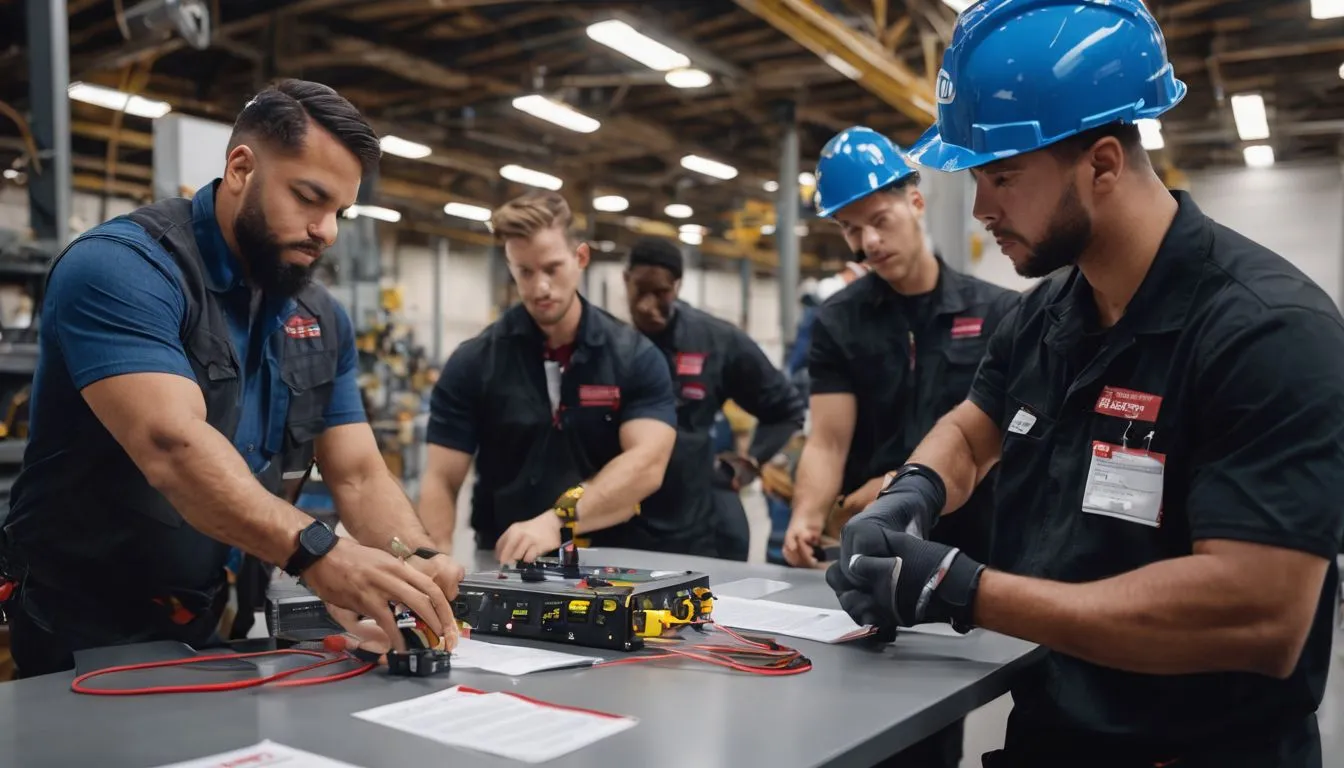
Having a solid grasp of OSHA standards and regulations is vital, but equally important is ensuring that employees are trained and educated effectively in lockout tagout (LOTO) procedures. This investment in knowledge not only minimises risks but also bolsters the overall safety culture within our organisations.
- Kick off with an engaging orientation programme that underscores the significance of lockout tagout compliance. Ensure every new employee understands their role in maintaining workplace safety.
- Develop regular training sessions tailored to both authorised and affected employees in LOTO programmes. These sessions should cover machinery maintenance regulations, equipment safety disconnects, and risk management.
- Utilise practical demonstrations using actual lockout devices. This hands – on approach helps staff to understand the correct application of safety locks and compliance requirements.
- Offer advanced training modules for those involved directly with industrial equipment servicing or machine safety. This includes detailed instruction on specific hazardous energy sources they may encounter.
- Update training materials frequently to reflect any changes in LOTO procedures or protocols. Keeping content fresh ensures ongoing awareness among staff.
- Incorporate quizzes and assessments after each training session to verify understanding and retention of the key concepts related to lockout tagout standards.
- Provide clear documentation for all LOTO procedures, making it accessible for quick reference during service work safety practices or routine machine maintenance procedures.
- Encourage feedback from team members about the training process. Their insights can help us refine our educational strategies for even greater effectiveness.
- Certify that all participants have achieved a sufficient level of competency before granting them authorisation within the LOTO programme.
Implementing LOTO Procedures for Optimal Safety

- Identify all energy sources: Start with cataloguing every piece of equipment and the energy sources they connect to, this includes electrical, mechanical, hydraulic, and pneumatic energy.
- Train your staff: Educate both authorised and affected employees in LOTO programmes thoroughly on lockout tagout standards, emphasising the risks of hazardous energy.
- Purchase appropriate locks and devices: Invest in high-quality safety locks and compliance-approved LOTO devices tailored for each type of machinery and energy source in your facility.
- Develop clear procedures: Write step-by-step LOTO procedures that are easily understandable, which detail how to isolate and lock each energy source before maintenance begins.
- Use tags effectively: Attach durable warning tags alongside locks to offer visual cues that a machine is under service work safety protocol.
- Perform regular audits: Schedule checks to verify that LOTO procedures align with current OSHA regulations and industrial safety best practices.
- Update as necessary: Revise your LOTO protocols as machines get updated or new equipment is introduced to your operational lineup.
Conclusion

In conclusion, the use of safety locks and compliance with LOTO procedures is crucial for workplace safety. Implementing these strategies can lead to significant improvements in industrial safety and machine maintenance.
By emphasising practicality and efficiency, business owners can ensure a safe working environment for their employees while complying with HSE standards and regulations. For further guidance, consider seeking additional resources or training to stay updated on LOTO compliance requirements.
Let’s continue striving towards optimal safety practices by integrating these important measures into our workplace protocols.
Sorting out lockout for your own site?
Describe what needs isolating and we'll help you work out the setup that fits.