
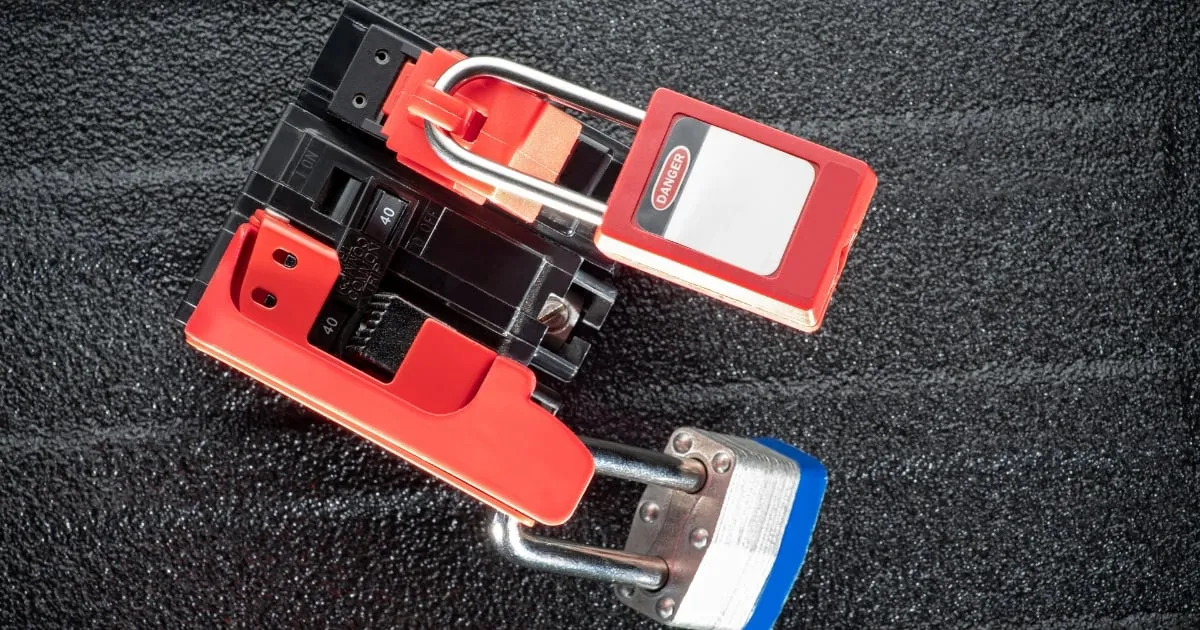
Selecting the appropriate lockout devices is crucial for ensuring the safety and efficiency of your workplace. Different industries and types of equipment require specific lockout solutions to effectively control hazardous energy sources during maintenance. In this article, we’ll explore various lockout devices, their applications across different industries, and key considerations to help you choose the best solutions for your needs.
Understanding Lockout Devices
Lockout devices are essential tools used to isolate energy sources and prevent machinery from being accidentally turned on during maintenance or repair work. They come in various types and styles, each designed for specific applications. Common lockout devices include padlocks, hasps, circuit breaker locks, and plug lockouts. Choosing the right device depends on factors such as the type of equipment, the energy source, and industry-specific requirements.
Types of Lockout Devices
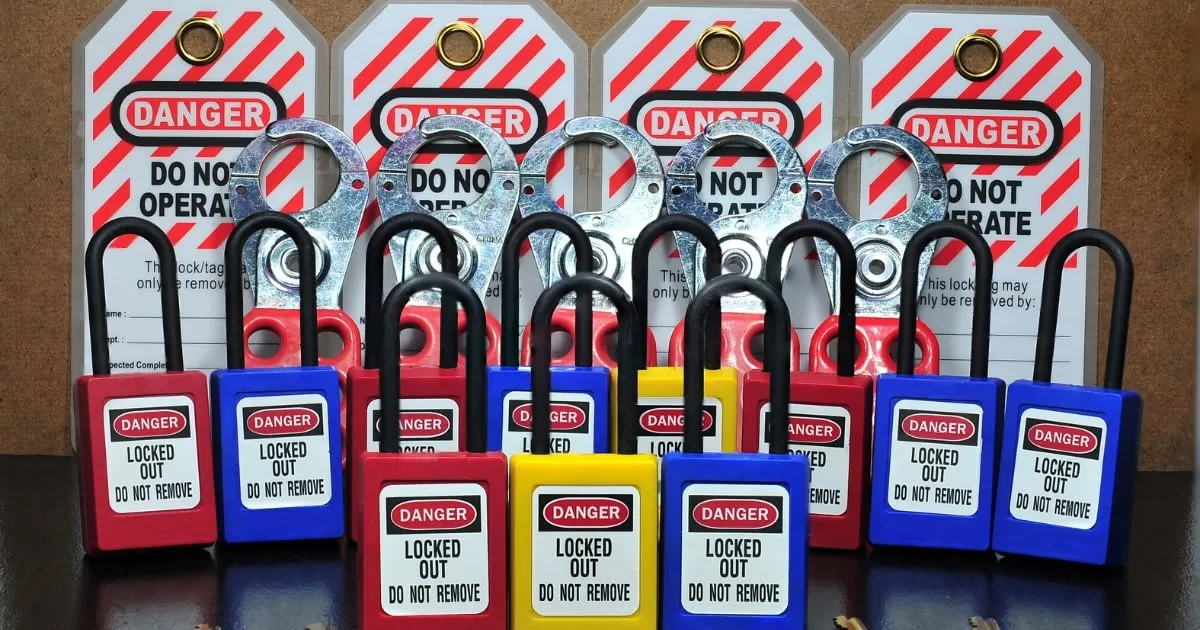
- Padlocks: Padlocks are versatile and widely used for lockout purposes. They can be applied to various isolation points, such as valves and electrical panels. Padlocks come in different sizes and materials, including steel and plastic, and often feature unique keys or combinations to prevent unauthorised access.
- Lockout Hasps: Lockout hasps are used to secure multiple locks on a single isolation point, ensuring that all personnel involved in maintenance are protected. They are ideal for situations where multiple workers need to lock out a device simultaneously.
- Circuit Breaker Locks: These devices are specifically designed to lock out circuit breakers, preventing them from being turned on. They are essential for electrical safety and come in various sizes to fit different types of circuit breakers.
- Plug Lockouts: Plug lockouts are used to prevent the use of electrical plugs and ensure that equipment cannot be powered on. They are particularly useful for locking out portable equipment and appliances.
- Valve Lockouts: Valve lockouts are designed to secure valves in the closed or open position, preventing the flow of hazardous substances. They come in various sizes and shapes to fit different valve types.
Industry-Specific Lockout Solutions
Different industries have unique requirements when it comes to lockout devices. Here’s a look at how various industries might use these devices:
- Manufacturing: In manufacturing settings, equipment such as conveyor belts, presses, and mixers require robust lockout solutions. Padlocks and hasps are commonly used, along with lockout tags to ensure clear communication about the maintenance status.
- Construction: Construction sites often involve heavy machinery and complex energy sources. Lockout devices like circuit breaker locks and valve lockouts are essential for securing equipment and preventing accidental energisation.
- Utilities: Utilities such as water and power plants require specialised lockout devices to manage large-scale energy sources. Devices like valve lockouts and plug lockouts help control the flow of hazardous materials and electricity.
- Oil and Gas: The oil and gas industry deals with high-pressure systems and flammable materials. Valve lockouts and padlocks are crucial for securing valves and equipment to prevent leaks and accidents.
- Pharmaceutical: In pharmaceutical facilities, precision and cleanliness are paramount. Lockout devices need to be easy to clean and resistant to contaminants. Padlocks and lockout hasps are often used in these settings.
Key Considerations When Choosing Lockout Devices
- Compatibility: Ensure that the lockout devices you choose are compatible with the equipment and energy sources you need to control. Measure lockout points and select devices that fit properly.
- Durability: Lockout devices should be made of durable materials that can withstand harsh environmental conditions, such as extreme temperatures, chemicals, and physical wear.
- Ease of Use: Choose devices that are easy to apply and remove, as this will encourage proper use and compliance with safety procedures. Devices that are too complex or difficult to use may be neglected.
- Visibility and Communication: Lockout devices should be clearly visible and labelled to communicate the status of equipment and maintenance work. Tags and labels should include essential information, such as the name of the person performing maintenance and the date.
- Regulatory Compliance: Ensure that the lockout devices you choose comply with relevant safety regulations and standards. Compliance helps avoid fines and ensures a safer workplace.
Implementing a Lockout Program
Selecting the right lockout devices is only part of the equation. A successful lockout program also involves developing clear procedures, providing employee training, and conducting regular inspections. Create detailed lockout procedures for each piece of equipment, train employees on proper lockout practices, and review procedures regularly to ensure they remain effective.
Training and Education
Proper training is crucial for the effective use of lockout devices. Employees need to understand how to apply and remove devices correctly, as well as the importance of following lockout procedures. Regular training sessions and refresher courses help reinforce safety practices and ensure that all personnel are up-to-date on the latest procedures and devices.
Evaluating and Upgrading Devices
Regularly evaluate the effectiveness of your lockout devices and procedures. Assess whether the devices are still suitable for your equipment and if any upgrades are needed. Advances in lockout technology and changes in equipment may necessitate updates to your lockout devices and procedures.
Lock Out Risks, Lock In Safety
Choosing the right lockout devices is a crucial step in safeguarding your workplace from hazardous energy sources. By selecting devices that are compatible, durable, and easy to use, and by implementing a comprehensive lockout program, you can effectively manage risks and protect your employees. Remember, effective lockout is not just about the devices you use but also about fostering a culture of safety and compliance. Empower your team to lock out risks and lock in safety for a secure and productive work environment.
Sorting out lockout for your own site?
Describe what needs isolating and we'll help you work out the setup that fits.