
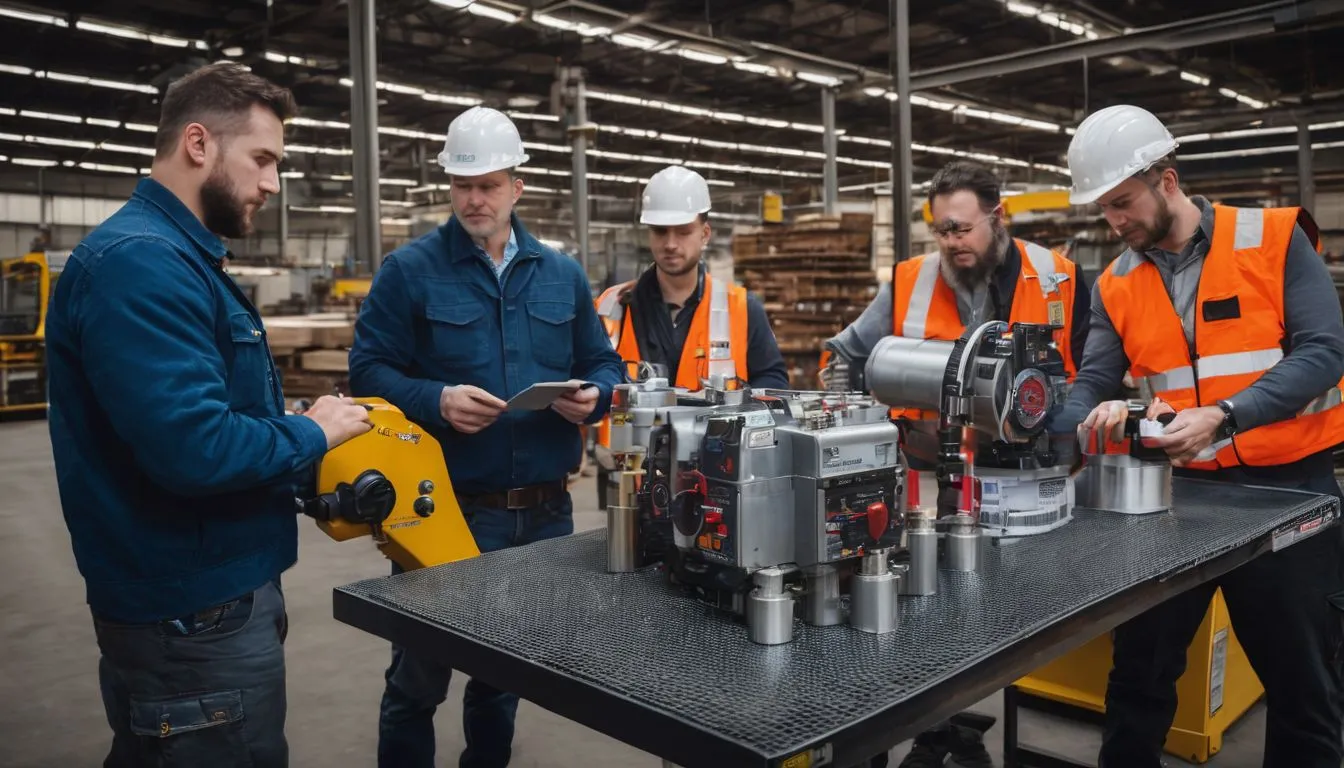
We all want our workplaces to be as safe as they can be, and that’s where lockout/tag out steps in. This powerful safety procedure makes sure machines are completely turned off and not able to start up by mistake during maintenance, protecting lives from serious harm or even death. As business owners, it’s our job to know the rules about these practices. We must write up clear plans, educate our teams well, and check regularly that we’re controlling energy just right so we avoid big fines and keep everyone safe.
A top-notch lockout/tag out plan involves a few critical actions: finding dangerous energies, disconnecting systems safely, making sure no leftover energy can cause trouble, locking things down with tags and padlocks, checking if everything’s properly isolated and thinking of other ways when disconnection isn’t doable. By using key safety tools like warning labels and various kinds of locks on equipment group controls helps make double-sure nobody gets hurt.
Teaching our workers how to stick to these safety steps is essential for an effective lockout/tag out system. If we stay sharp on following all the guidelines every single time without fail – work gets safer for everybody involved. Let’s discover together how simple but powerful devices play a massive role in shielding their workforce from unseen dangers lurking in workplace machinery. And remember – staying locked means staying safe!
What is Lockout/Tag out?
Lockout/tag out is a safety procedure used to make sure that dangerous machines are properly shut off and not able to be started up again prior to the completion of maintenance or servicing work.
It involves using locks and tags on energy isolating devices to prevent accidents from occurring during equipment repair, servicing, or cleaning.
Definition
Lockout/Tagout refers to specific practices and procedures to safeguard employees from the unexpected energisation or startup of machinery and equipment, or the release of hazardous energy during service or maintenance activities.
Essentially, it means placing a lock or tag on an energy-isolating device so that the energy cannot be released and the equipment cannot be operated until removal of the lock or tag signals that work is complete.
This crucial safety measure involves using lockout devices for holding equipment in a safe off position, as well as tagging out, which warns others not to operate the machine while it’s being serviced.
Energy isolation ensures that machines are properly shut off and cannot reactivate without warning. It’s part of our WHS policy to enforce these rules strictly because doing so prevents severe injuries and even death when workers are maintaining industrial equipment.
Purpose
Now that we understand the definition of lockout/tagout, let’s delve into its purpose. The primary goal of a lockout/tagout programme is to safeguard workers from the unexpected startup of machinery or equipment during maintenance or servicing.
This safety procedure ensures that all sources of energy are isolated and de-energised before any work is performed, effectively preventing workplace accidents and injuries. Furthermore, it aids businesses in complying with safety regulations by establishing a systematic approach to machine isolation and de-energising activities.
Implementing lockout/tagout procedures not only ensures occupational safety but also minimises risks associated with industrial equipment servicing. By incorporating this essential safety process into your workplace routine, you can help create a secure environment for your employees while staying compliant with legal requirements.
Legal requirements
To ensure workplace safety, businesses must comply with the legal requirements for lockout/tagout procedures. This includes following regulations such as the requirement to develop and implement a written energy control programme, training employees on proper lockout/tagout procedures, conducting regular inspections of energy control procedures, and maintaining accurate records of lockout/tagout activities.
Failure to adhere to these legal requirements can result in significant penalties and fines, as well as potential harm to employees and damage to equipment.
Business owners need to understand that meeting these legal obligations is crucial for safeguarding their workforce from hazardous energy sources. Adhering to these requirements not only protects employees but also demonstrates a commitment to creating a safe working environment in line with industrial safety standards and expectations.
Importance of Lockout/Tag out
Lockout/Tag out is crucial for preventing death and injuries in the workplace while also ensuring compliance with safety regulations. It plays a vital role in keeping workers safe and machinery isolated during maintenance or servicing.
Preventing death and injuries
Preventing death and injuries is crucial when implementing lockout/tag out procedures. Ensuring that energy sources are properly de-energised before maintenance or repairs can prevent fatal accidents and serious injuries to workers.
Compliance with safety regulations is essential for creating a safe working environment, protecting both employees and the business.
Implementing effective lockout/tag out procedures is vital for preventing tragic incidents and maintaining a safe workplace. Proper training, clear guidelines, and the use of appropriate safety devices can significantly reduce the risk of accidents in the workplace.
This commitment to safety not only protects workers but also demonstrates a responsible approach to business operations.
Compliance with safety regulations
Business owners must comply with safety regulations to ensure the well-being of their workers. Adhering to these regulations not only prevents workplace accidents but also fosters a culture of safety within the organisation.
This involves integrating lockout/tag out procedures into daily operations, conducting regular equipment inspections, and providing adequate safety training for employees. By prioritising compliance with safety regulations, businesses can create a safer work environment and avoid potential legal repercussions.
Implementing safety regulations is crucial in safeguarding workers from preventable accidents. Regular assessments of equipment and machinery are essential to maintaining a secure workspace.

Steps of a Lockout/Tag out Programme
Identifying energy sources and hazards, isolating systems, de-energising stored energies, locking and tagging out, testing the isolation procedure, and considering alternate options if isolation is not possible are all critical steps in a lockout/tag out programme.
These steps ensure the safety of workers and prevent accidents from occurring during maintenance or servicing of machinery.
Identifying energy sources and hazards
To ensure workplace safety, we assess energy sources and potential hazards. We must locate all energy sources such as electrical, mechanical, hydraulic, pneumatic, chemical, and thermal.
Next, identify any associated hazards like shock, burns, crushing or entanglement risks to employees during maintenance or servicing. Regular inspections help in identifying new or changing hazard sources.
De-energising machinery protects workers when machines are being serviced. Identifying hazardous energies is crucial for effectively isolating systems. We must recognise that certain equipment may still pose a risk even after de-energising it before proceeding with the lockout/tagout process to prevent accidents.
Isolating systems
Identifying and isolating energy sources is a critical step in the lockout/tag out process. They locate and turn off machinery, valves, or other equipment that could pose a hazard if not properly shut down.
This ensures that no unexpected start-up or release of stored energy can occur during maintenance work, protecting workers from potential harm.
Once isolated, it’s important to secure the energy source with locks or tags to prevent accidental re-energising. Regular testing of the isolation procedure helps confirm its effectiveness before maintenance work begins, ensuring a safe environment for all involved.
De-energising stored energies
To de-energise stored energies, we must follow a systematic process. First, identify all energy sources and potential hazards. Next, isolate the systems to be worked on by shutting off power or other energy sources.
Then, release or block any stored energy that could re-activate the machinery during maintenance. After de-energising the stored energies, secure the isolation with lockout devices and tags to prevent accidental start-ups while work is being carried out.
For added safety assurance, it’s essential to test the isolation procedure before commencing maintenance tasks. If full isolation isn’t feasible due to operational requirements, consider implementing alternative options such as specific machine controls or administrative controls in conjunction with personal protective equipment (PPE) for workers’ safety.
Locking and tagging out
Locking and tagging out machinery is a critical step in the lockout/tagout process. This involves affixing locks and tags to energy-isolating devices to prevent the equipment from being turned on during maintenance or repair work.
By doing this, we can ensure that no unexpected release of hazardous energy occurs, potentially saving lives and preventing serious injuries. These locks and tags serve as a visual indication that the machinery is undergoing maintenance and should not be operated until the necessary work is completed.
De-energising stored energies ensures safety for workers carrying out maintenance tasks on equipment. Locking out also provides a clear signal to all employees that specific machines are under repair, making it easier for everyone involved to know which equipment they can use safely.
Testing the isolation procedure
After isolating the energy sources and implementing lockout/tag out procedures, it is crucial to test the isolation procedure. This involves verifying that all sources of hazardous energy are deactivated and that the equipment remains inoperative.
Testing ensures that no unexpected start-ups or releases of stored energy occur during maintenance work. It also confirms that isolation methods effectively prevent accidental re-energisation of machinery, safeguarding workers from harm.
Conducting a thorough check of the isolation procedure helps to identify any potential oversights or inadequacies before initiating maintenance activities. Regular testing is essential to guarantee the effectiveness of lockout/tag out measures in preventing accidents and protecting workers when servicing or maintaining machinery.
Alternate options if isolation is not possible
If isolation of energy sources is not possible, we may consider using machine guarding or barriers to prevent contact with hazardous areas. This involves installing physical guards around the dangerous parts of machinery to protect employees from accidental exposure to energy hazards.
Additionally, implementing double block and bleed systems can help ensure that all hazardous energy is properly controlled, providing an alternative method for maintaining a safe work environment.
Implementing proper safety procedures ensures compliance with legal requirements and protects employees from potential injuries. Providing alternative options if isolation is not possible increases workplace safety and reduces the risk of accidents.
Essential Lockout/Tagout Devices
Essential lockout/tagout devices such as danger tags, lockout devices, padlocks, and group lockout devices play a crucial role in ensuring the safety of workers and compliance with regulations.
To learn more about these essential safety tools, keep reading!
Danger tags
Danger tags are crucial components of a lockout/tag out programme, serving as visible warnings to indicate that equipment or machinery is undergoing maintenance and should not be operated.
These tags communicate essential information about the lockout procedure and clearly identify who is responsible for the ongoing work. They are often colour-coded to signify the type of repair being conducted, such as electrical, mechanical or hydraulic work, allowing for easy identification by all employees.
Additionally, danger tags must include details like the reason for the tag out, date applied and removed, and contact information in case there are enquiries.
Lockout devices
Lockout devices are crucial for the safety of workers when performing maintenance or servicing machinery. These devices physically prevent the re-energising of equipment, allowing employees to confidently work on machines without risk.
Padlocks, in particular, serve as a visible signal that a machine is being serviced and must not be restarted. Additionally, group lockout devices provide an extra layer of protection by ensuring multiple locks can be attached to one energy isolation point.
When used correctly, these lockout devices play a significant role in preventing workplace accidents and adhering to legal requirements for worker safety. Businesses should ensure that all relevant personnel are trained in the proper use and application of lockout devices to maintain a safe working environment.
Padlocks
Padlocks are essential tools for implementing a successful lockout/tagout programme. These sturdy devices provide a visible and physical barrier, preventing the re-energising of machinery during maintenance or repair work.
It is crucial to use padlocks that can withstand harsh industrial environments, ensuring durability and reliability when securing energy isolation points. Additionally, colour-coded padlocks enable easy identification of different workers involved in the lockout process, enhancing safety protocols within the workplace.
Investing in quality padlocks is paramount for maintaining a secure lockout/tagout system. Regular inspection and maintenance of these devices are necessary to ensure their effectiveness in safeguarding workers from hazardous energy sources.
Group lockout devices
After understanding the importance of individual lockout devices like padlocks in our safety toolkit, we must also consider group lockout devices. These are designed for multiple workers to isolate and secure energy sources during maintenance or repair work on machinery.
Group lockout devices serve as a central locking point, ensuring that all energy isolation points are secured by multiple workers involved in the task.
When using group lockout devices, it is crucial to have clear communication and coordination among team members to effectively implement the lockout/tag out procedures. This will help ensure that no unexpected startup or release of hazardous energy occurs while work is being carried out, providing a safer working environment for everyone involved.

Conclusion
We have explored the key elements of lockout/tagout safety measures. The steps outlined for a lockout/tagout programme are practical and efficient in preventing accidents and ensuring compliance with regulations. How will you implement these strategies in your workplace to enhance worker safety? Consider the impact of prioritising lockout safety locks on your business’s overall safety culture.
Equip your safety toolkit with premium lockout safety locks. Work with WorkSafe Lockout and let us tailor your toolkit to meet industry standards. For further guidance on implementing lockout/tagout procedures, consult industry-specific resources or seek professional advice. Remember, worker safety is non-negotiable; it’s our responsibility to ensure a safe working environment for all.
Sorting out lockout for your own site?
Describe what needs isolating and we'll help you work out the setup that fits.