

We take care of our people by making sure they stay safe at work, especially when it comes to handling machines that can be dangerous. This is where Lockout/Tagout (LOTO) steps in as a lifesaver. Simply put, LOTO is like putting a big red stop sign on energy sources so nobody gets hurt while fixing or checking equipment. It’s not just about being careful; it’s the law here in Australia for workplaces to use LOTO systems. They help stop accidents and keep everyone following health rules.
Think about how much better things are when workers don’t get hurt and machines run smoothly, all because businesses set up a good LOTO plan. And guess what? It saves money too since there are fewer injuries and no fines for breaking safety laws. Nowadays, we’ve got some smart tech that makes following LOTO rules even easier, like electronic locks you can watch from far away. But we’ve got to do it right because if we don’t follow the strict rules from SWA, the folks who make these safety standards, we could end up with big problems, like someone getting really hurt. So let’s gear up together to create places where everyone goes home safe every day after work. Let’s start this journey toward safer working spaces!

Understanding Lockout/Tagout (LOTO)
Lockout/Tagout (LOTO) is a safety procedure used to ensure that dangerous machinery and energy sources are properly shut off and not restarted until maintenance or servicing is complete.
It is crucial for preventing workplace accidents and injuries. The key components of a comprehensive LOTO procedure include identifying all energy sources, isolating them with lockout devices, and tagging them to warn others of the potential hazards.
Definition of LOTO
LOTO stands for Lockout/Tagout, and it’s all about safety in the workplace. At its heart, LOTO is a procedure designed to ensure that dangerous machines are properly shut off and not started up again before the completion of maintenance or repair work.
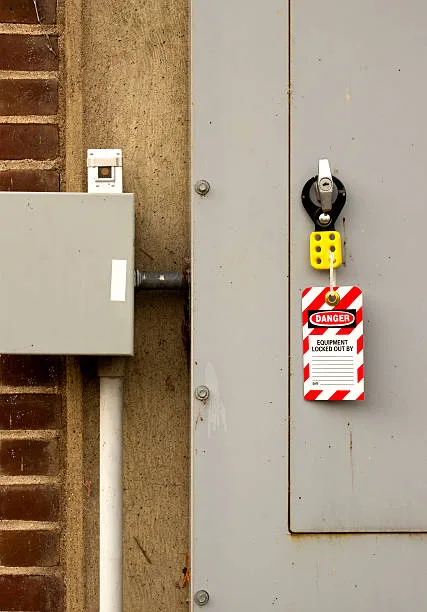
It involves placing a lock and tag on an energy-isolating device, making sure no hazardous energy can be released. This process helps prevent accidental startups of machinery while workers may be in harm’s way.
By implementing effective lockout tagout procedures, we protect our team from injury caused by the unexpected energisation of equipment. Safety lockout devices play a critical role here; they’re physical tools used to lock energy isolation points like circuit breakers or valves securely.
With these safeguards in place, employee protection measures are significantly enhanced, reducing risk during maintenance activities where exposure to hazardous energies is possible.
Establishing rigorous safety protocols like LOTO isn’t just best practice – it’s essential for fostering a proactive safety culture within any business operation dealing with industrial machinery.
Importance of LOTO for workplace safety
Implementing lockout/tagout (LOTO) procedures is crucial for ensuring workplace safety. When hazardous energy sources are not properly controlled, workers are at risk of serious injuries or even fatalities.
LOTO helps prevent unexpected machinery startup, release of stored energy, and exposure to electrical hazards, safeguarding employees from workplace accidents. Comprehensive LOTO procedures encompass clear identification of energy isolation points, proper lockout equipment usage, and effective employee training in hazard recognition and prevention.
Adhering to LOTO regulations and promoting a safety culture within the organisation can significantly reduce the occurrence of workplace accidents. By prioritising the implementation of LOTO systems and fostering a culture that values safety protocols, businesses can demonstrate their commitment to providing a secure working environment for their employees while adhering to industry best practices.
Key components of a comprehensive LOTO procedure
Importance of LOTO for workplace safety underscores the need for a thorough understanding of its key components. By implementing a comprehensive LOTO procedure, businesses can bolster workplace safety and prevent accidents.
- Detailed Equipment Inventory:
- Clear Identification of Energy Sources:
- Standardised Lockout Procedures:
- Proper Training and Documentation:
- Auditing and Review Process:
- Integration with Maintenance Protocols:
- Accessibility of Lockout Equipment:
- Communication Protocol:
- Periodic Evaluation and Updates:
Advantages of Using Lockout Systems
Implementing lockout systems in the workplace leads to improved safety, reduced injuries, and increased compliance with health and safety regulations. These systems also prove to be cost-effective in preventing accidents and ensuring a safer work environment for employees.
Improved safety and reduced injuries
Lockout safety locks play a pivotal role in promoting workplace safety. These advanced lockout systems effectively prevent unauthorised machine start-up, protecting employees from hazardous energy sources and reducing the risk of workplace injuries.
By implementing lockout/tagout (LOTO) procedures and using safety lock devices, businesses can significantly enhance their industrial safety measures, ensuring the well-being of their workforce while achieving compliance with health and safety regulations.
Incorporating these systems into maintenance safety protocols minimises the potential for accidents and reinforces a culture of work safety within the organisation.
Increased compliance with health and safety regulations
Ensuring compliance with health and safety regulations is essential for businesses. Implementing a comprehensive lockout/tagout (LOTO) programme not only enhances workplace safety but also ensures adherence to Australian Workplace Health and Safety regulations.
This proactive approach demonstrates a commitment to protecting employees from hazardous energy sources, preventing workplace accidents, and promoting a culture of safety within the organisation.
By following LOTO procedures in accordance with regulations, businesses can create a safer work environment while mitigating the risk of violations. Compliance efforts contribute to building trust among employees, fostering productivity, and upholding legal responsibilities in prioritising workplace safety.
Elevating compliance with health and safety regulations through effective lockout systems sets the foundation for a safe and secure industrial environment.
Cost-effective accident prevention
Implementing lockout/tagout (LOTO) systems can lead to cost-effective accident prevention. By using LOTO procedures, businesses can significantly reduce the risk of workplace injuries and accidents caused by unexpected equipment startup or release of hazardous energy.
This proactive approach not only saves on potential medical costs and compensation for injured employees but also minimises production downtime due to accidents, thus contributing to overall cost-effectiveness.
Furthermore, investing in comprehensive LOTO programs demonstrates a commitment to employee safety and well-being, which can result in improved productivity, reduced turnover rates, and enhanced employee morale.
In addition to saving on possible expenses related to workplace incidents, incorporating robust LOTO processes ensures compliance with UK health and safety regulations. Being proactive in preventing accidents through effective lockout/tagout measures helps safeguard against potential fines or legal liabilities for non-compliance with safety standards.
Ensuring Compliance with Australian Workplace Health and Safety Regulations
Understanding the regulations specific to lockout systems is crucial for ensuring workplace safety and avoiding costly violations. To learn more about how lockout safety locks can help your business comply with Australian Workplace Health and Safety Regulations, keep reading.
Overview of regulations specific to lockout systems
Australian workplace health and safety regulations mandate the use of lockout systems to control hazardous energy during servicing and maintenance activities. These regulations require employers to develop and implement a comprehensive lockout/tagout (LOTO) programme that includes written procedures for isolating energy sources, employee training, periodic inspections, and equipment-specific lockout devices.
Compliance with these regulations not only ensures a safe working environment but also reduces the risk of workplace accidents and legal liabilities. Adhering to lockout system regulations promotes a culture of safety within the organisation, fostering employee well-being and operational continuity.
The regulatory framework also emphasises the importance of conducting regular risk assessments to identify potential hazards associated with energised equipment or machinery. By integrating these requirements into existing safety protocols, businesses can effectively mitigate risks, enhance workplace safety measures, and uphold their commitment to protecting employees from occupational hazards.
Benefits of complying with regulations
Complying with lockout/tagout (LOTO) regulations ensures workplace safety and minimises the risk of accidents. Adhering to these regulations significantly reduces the likelihood of employee injuries and equipment damage, creating a safer work environment that fosters productivity.
In addition, compliance with LOTO regulations reduces legal liabilities and potential fines, ultimately contributing to cost savings for businesses. Ensuring adherence to Australian Workplace Health and Safety Regulations regarding LOTO not only benefits employees but also enhances overall operational efficiency.
Strictly complying with LOTO regulations promotes a culture of safety within your organisation, reinforcing the value placed on employee well-being and demonstrating corporate responsibility.
It also strengthens trust among employees by showcasing an unwavering commitment to their safety. Furthermore, aligning with these standards upholds your business reputation as one that prioritises workplace safety while improving relationships with regulatory authorities.
Building a Culture of Safety with Effective LOTO Programs
Implementing a LOTO programme is crucial for building a culture of safety in the workplace. Training and engaging employees in LOTO, as well as utilising technology for lockout/tagout procedures, are key components to creating a safe work environment.
To learn more about how effective LOTO programmes can improve workplace safety, read our full blog.
Implementing a LOTO program
- Establish clear policies and procedures outlining the use of lockout/tagout devices and energy isolation methods.
- Provide comprehensive training to employees on the importance of LOTO and how to properly implement the procedures in their work environment.
- Conduct regular audits and inspections to ensure that lockout/tagout procedures are being followed consistently and correctly.
- Encourage open communication between management and employees regarding any safety concerns or suggestions for improving the LOTO programme.
- Utilise technology such as electronic lockout systems or software for managing LOTO procedures efficiently.
Training and engaging employees in LOTO
- Conducting comprehensive training sessions on LOTO procedures and best practices to ensure that all employees understand the importance of energy isolation and how to properly implement LOTO measures.
- Engaging employees in regular safety discussions and workshops focused on LOTO, encouraging them to share their experiences and insights, thus fostering a culture of collaboration and continuous improvement in workplace safety.
- Providing hands – on demonstrations and simulations of LOTO procedures to enhance employees’ practical understanding and confidence in executing energy control measures accurately.
- Encouraging employee participation through incentives or recognition programmes, motivating them to actively contribute to the success of the LOTO programme by adhering to safety protocols and promptly identifying hazards.
- Utilising interactive e – learning platforms or mobile applications for convenient access to ongoing LOTO training modules, allowing employees to refresh their knowledge at their own pace while staying updated with any new safety regulations or procedures.
Utilising technology for LOTO
Business owners can incorporate technology into their lockout/tagout (LOTO) programmes to enhance workplace safety. Implementing electronic lockout systems allows for centralised control and monitoring of energy isolation procedures, ensuring that hazardous energy sources are effectively locked out before maintenance or servicing work begins.
These advanced systems also provide real-time notifications and alerts, enabling swift response to any deviations from the LOTO protocol. Additionally, using digital tools such as mobile apps or cloud-based platforms can streamline training and documentation processes, making it easier to engage employees in LOTO procedures and maintain compliance with regulations.
Leveraging technology not only improves the efficiency of LOTO programmes but also contributes to a proactive safety culture within the workplace.
Moreover, integrating IoT (Internet of Things) devices into lockout systems enables remote monitoring and data collection, offering valuable insights into energy usage patterns and potential risks.
Enforcing SWA’s Lockout/Tagout Standard and Addressing Violations
Understanding SWA’s Lockout/Tagout standard is crucial for maintaining workplace safety. Addressing violations and implementing strategies to improve EHS management can lead to a safer work environment.
Understanding SWA’s LOTO standard
SWA’s LOTO standard requires employers to establish a programme for controlling hazardous energy. This involves isolating machinery or equipment from its energy source and using lockout or tagout devices to prevent unexpected startup during maintenance or servicing.
Employers must develop specific procedures, provide employee training, and conduct regular inspections to ensure compliance with SWA’s standards.
Moreover, SWA mandates that all employees involved in maintaining or servicing equipment covered by the standard must be trained in recognising hazardous energy sources, understanding the type and magnitude of potential hazards, and knowing how to control these hazards effectively.
Common LOTO violations and consequences
Common LOTO violations and consequences can have serious repercussions for businesses. Ensuring compliance with lockout/tagout procedures is crucial to avoid penalties, injuries, and fatalities.
- Failing to conduct proper equipment isolation: Neglecting the complete isolation of hazardous energy sources during maintenance or servicing can lead to severe accidents and legal consequences.
- Inadequate employee training: Not providing comprehensive training on lockout/tagout procedures can result in elevated risks of workplace injuries and non-compliance with regulations.
- Lack of periodic inspection and review: Neglecting regular evaluations of the LOTO programme effectiveness may lead to unidentified gaps in safety measures, jeopardising employee well-being and legal compliance.
- Improper lockout/tagout application: Incorrect usage of locks or tags during equipment maintenance can result in accidental energisation, causing severe injuries or fatalities.
Strategies for avoiding violations and improving EHS management
To avoid violations and improve EHS management, it’s essential to regularly review and update lockout/tagout procedures.
- Conduct regular audits of lockout/tagout procedures to identify potential gaps or areas for improvement.
- Continuously train employees on the proper use of lockout/tagout devices and procedures to ensure compliance with safety regulations.
- Implement technology solutions such as electronic lockout/tagout systems to enhance efficiency and accuracy in energy isolation processes.
- Encourage open communication between employees and management to address any concerns or issues related to lockout/tagout practices.
- Develop a robust reporting and investigation process for near misses or incidents related to lockout/tagout, enabling proactive measures for prevention.
Conclusion
Workplace safety can be effectively championed through the implementation of lockout safety locks and procedures. The discussed strategies offer practical and efficient ways to enhance safety in the workplace. How will you integrate these methods into your business operations? Are there specific areas where you foresee notable improvements? Implementing robust lockout/tagout systems can significantly reduce workplace accidents and injuries.
Championing workplace safety is easy with the right lockout safety locks. Let WorkSafe Lockout be the knight in shining armour for your safety needs. Explore further resources or consult with experts to ensure thorough understanding and successful implementation. Let’s empower our workforce by prioritising workplace safety through effective lockout safety measures.
Sorting out lockout for your own site?
Describe what needs isolating and we'll help you work out the setup that fits.