
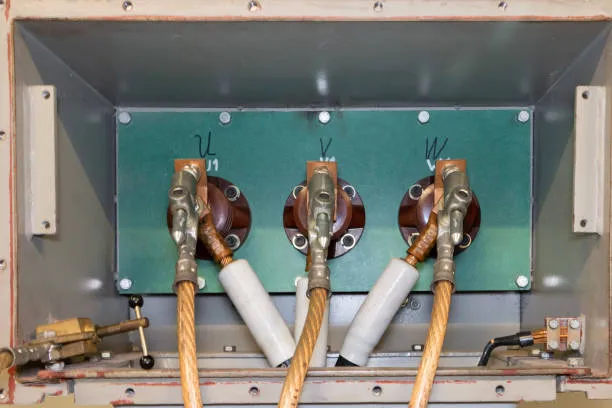
Lockout safety locks are crucial tools for halting energy flow during equipment maintenance, ensuring workers stay safe. These devices, important in any workplace where machines are used, lock out harmful energy sources and prevent accidents. We understand the dangers of uncontrolled energy and the tragic consequences it can have when not managed properly.
Our focus here is on how strategic use of these safety systems can be a game-changer in accident prevention. Training our staff to handle these systems competently is at the heart of maintaining safety standards while keeping up with regulations. By conducting regular checks and refining our lockout/tagout routines, we can spot flaws early and keep our methods current with industry best practices.
A smart approach includes picking suitable locks for different tasks, this strengthens our defence against mishaps significantly. This isn’t just about avoiding injuries; investing in top-notch lockout procedures saves us from hefty fines tied to non-compliance and cuts down costs related to workplace incidents. Let’s reinforce how placing strong lockout mechanisms benefits everyone on the floor by enhancing overall protection. It’s more than compliance; it’s about creating a culture that values life above all else. Join us as we unlock safer work environments together!
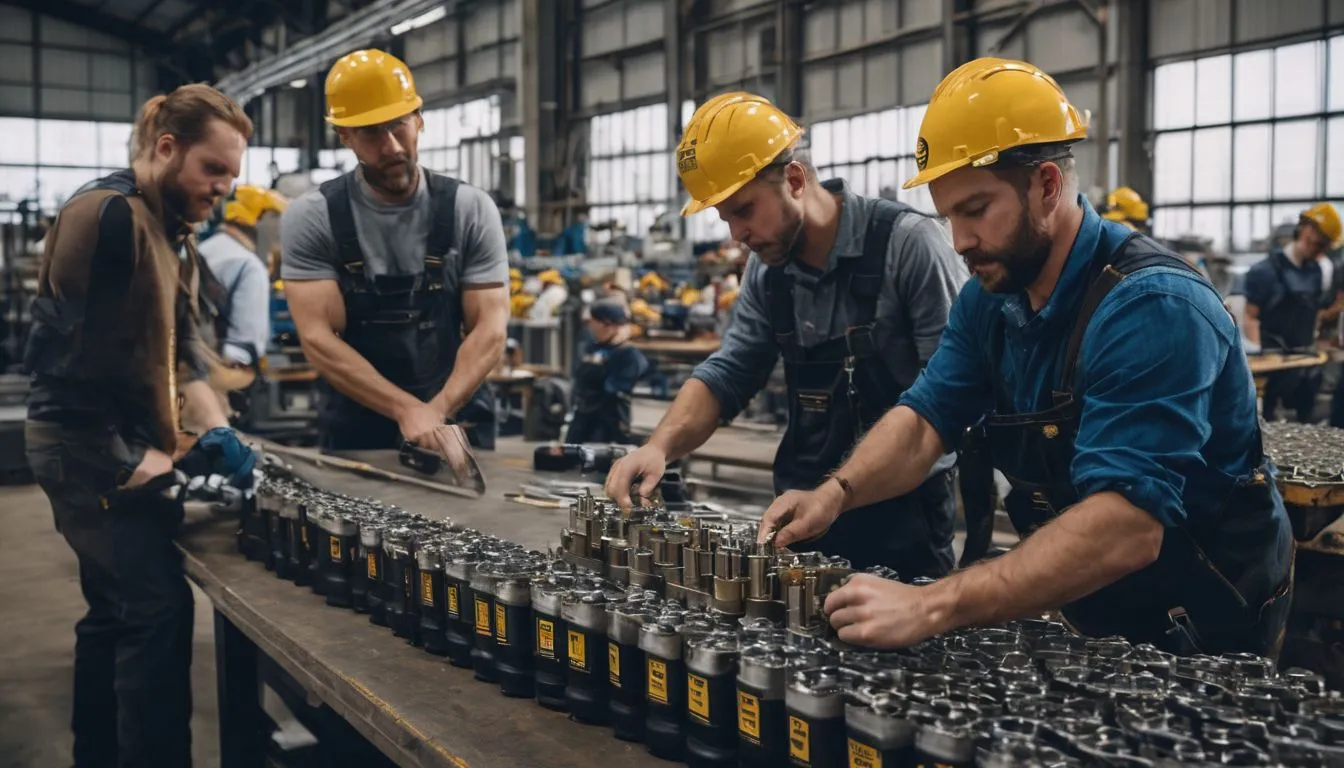
Importance of Accident Prevention in the Workplace
Accident prevention in the workplace is crucial for ensuring the safety of employees and adhering to safety regulations. By reducing injuries, businesses can also improve productivity and avoid costly downtime.
Adhering to safety regulations
We take safety regulations seriously, recognising them as the backbone of injury prevention in our operations. By strictly following all workplace safety procedures, we protect not just our team but also ensure uninterrupted business continuity.
Adherence to these regulations isn’t only about legal compliance; it’s about valuing human life and well-being above everything else.
Our commitment involves rigorously applying lockout tagout (LOTO) systems during service work and maintenance. This ensures that hazardous energy sources are securely isolated, significantly reducing the risk of machinery injuries.
We trust in these control measures as both a moral obligation and a strategic move towards creating a safer environment for everyone involved with our equipment maintenance processes.
Reducing injuries
Reducing injuries is a critical goal for any workplace. Implementing a comprehensive lockout/tagout programme can significantly decrease the risk of accidents and injuries caused by unexpected energy release during maintenance procedures.
By effectively isolating energy sources, employees are safeguarded from electrical hazards, ensuring machinery safety and preventing workplace accidents. This proactive approach not only prioritises employee safety but also minimises downtime due to injury-related absences, leading to improved productivity and reduced operational costs.
Moreover, with regular audits and reviews of the lockout programme in place, businesses can continuously enhance their equipment energy control measures and strengthen their overall occupational safety protocols.
The Role of Lockout Systems in Accident Prevention
Lockout systems play a crucial role in accident prevention by controlling hazardous energy and ensuring that equipment is properly shut off before maintenance or servicing. This helps to minimise the risk of unexpected start-up, which is a leading cause of workplace accidents and injuries.
Definition of lockout systems
Lockout systems are safety procedures used to ensure that dangerous machines are properly shut off and not able to be turned on again until maintenance is complete. These systems involve the use of lockout devices such as padlocks, tags, and chains to physically isolate energy sources from equipment.
By implementing lockout systems, businesses can prevent unintended energisation or start-up of machinery during maintenance or servicing, reducing the risk of accidents.
Energy isolation via lockout/tagout (LOTO) helps protect employees from hazardous energy while performing tasks like repairing, inspecting, and cleaning equipment. For business owners, understanding the definition and importance of lockout systems is crucial for promoting a safe work environment in compliance with regulations and preventing workplace injuries.
Importance in controlling hazardous energy
Having a clear understanding of energy control and using lockout systems is crucial for ensuring the safety of our employees. Controlling hazardous energy sources, such as electrical, mechanical, hydraulic, or pneumatic power, prevents unexpected start-up of machines or equipment during maintenance or servicing activities.
This minimises the risk of serious injuries caused by accidental contact with moving parts or exposure to hazardous materials. Implementing effective lockout procedures safeguards our workers from these potential risks and ensures compliance with safety regulations.
Utilising lockout safety locks in controlling hazardous energy not only keeps our workforce safe but also avoids costly workplace accidents and legal liabilities. It is essential for us as business owners to prioritise the implementation of comprehensive lockout/tagout procedures to safeguard the well-being of our employees and maintain a productive work environment.
Advantages of Using Lockout Systems
Using lockout systems ensures improved workplace safety, compliance with regulations and cost-effective accident prevention. This can lead to a reduction in workplace injuries and create a safer environment for employees.
By implementing a comprehensive lockout/tagout procedure, business owners can effectively reduce the risk of accidents and injuries in the workplace while also ensuring compliance with safety regulations.
Improved workplace safety
Improved workplace safety is a crucial benefit of implementing lockout systems. By ensuring that hazardous energy sources are properly isolated, employees are protected from unexpected startup or release of stored energy, significantly reducing the risk of accidents and injuries in the workplace.
Additionally, compliance with regulations for energy control procedures not only enhances safety but also builds trust with regulatory bodies and demonstrates a commitment to providing a secure work environment for all staff.
Implementing lockout systems can lead to fewer work-related injuries and incidents. By effectively isolating hazardous energy sources during maintenance or servicing tasks, businesses can create safer working conditions for their employees while simultaneously reducing the likelihood of workplace accidents.
Compliance with regulations
To ensure our workplace adheres to safety regulations, it is crucial that we implement a comprehensive lockout/tagout procedure. This not only aids in reducing injuries and improving workplace safety but also ensures compliance with industry standards and regulations regarding hazardous energy control.
By establishing clear lockout policies, procedures, and providing adequate training for employees, you can expect that our operations align with the necessary regulatory requirements set forth by authorities.
Moreover, continual auditing and review processes will allow us to stay updated with any changes in regulations and adjust our energy control strategies accordingly. In doing so, we can rest assured that all aspects of our business are aligned with the latest compliance standards while maintaining a safe working environment for all employees involved.
Cost-effective accident prevention
By investing in a comprehensive lockout/tagout procedure, businesses can effectively prevent accidents and injuries, ultimately saving costs associated with workplace incidents. Implementing proper lockout systems not only ensures employee safety but also minimises the financial burden of medical expenses, worker’s compensation claims, and potential fines for non-compliance.
With a focus on cost-effective accident prevention, utilising lockout systems has been proven to be an essential measure for mitigating risks and maintaining a safe work environment.
Furthermore, integrating lockout systems into your energy control strategy can significantly reduce downtime due to accidents or unexpected equipment damage. By proactively addressing potential hazards through effective lockout procedures, businesses can uphold productivity levels and avoid the costly disruptions that result from workplace accidents.
Key Components of a Comprehensive Lockout/Tagout Procedure
Implementing a comprehensive lockout/tagout procedure involves creating a clear lockout policy, developing precise lockout procedures, training employees on the proper use of safety locks, conducting regular audits and reviews, and strategising equipment usage.
These components are essential for ensuring the effective implementation of energy control measures in the workplace.
Lockout policy
Establishing a clear and comprehensive lockout policy is essential for maintaining a safe work environment. This policy outlines the procedures for isolating energy sources during maintenance or servicing, ensuring that all employees understand their responsibilities in preventing accidents.
A well-defined lockout policy not only complies with safety regulations but also minimises the risk of workplace injuries, ultimately contributing to a more secure and efficient operational environment.
Implementing an effective lockout policy involves regular reviews and updates to reflect any changes in equipment or processes. This ensures that employees are adequately trained on the latest procedures, consistently reducing the potential hazards associated with hazardous energy sources.
Lockout procedures
Lockout procedures involve the systematic shutdown of equipment to ensure that no energy sources are connected during maintenance or repair. This is achieved by using lockout devices, which are attached to control points such as valves and switches.
These devices prevent the release of hazardous energy, reducing the risk of accidents and injuries. Implementing lockout procedures involves clearly defining each step in a detailed written programme, providing employees with comprehensive training on proper lockout/tagout techniques, and performing regular audits to assess compliance with safety protocols.
When instructing employees on lockout procedures, it’s essential to emphasise the importance of following these steps diligently to avoid potentially life-threatening incidents. By establishing thorough lockout/tagout systems and ensuring full employee adherence, businesses can effectively protect their workers from harm while also staying compliant with safety regulations.
Training employees
Training employees is a crucial component of a comprehensive lockout/tagout procedure. It ensures that they understand the potential hazards associated with hazardous energy and know how to effectively isolate it for maintenance or repair.
This training equips them with the knowledge and skills necessary to safely use lockout safety locks, reducing the risk of accidents and injuries in the workplace.
Appropriate training empowers employees to identify energy isolation points, implement lockout procedures correctly, and communicate effectively with other team members during maintenance activities.
Auditing and review
After training employees on lockout/tagout procedures, the next crucial step is to conduct regular audits and reviews of your lockout systems. This ensures that policies and procedures are being followed correctly and that equipment is properly maintained.
Auditing and reviewing also allow for adjustments to be made based on any identified weaknesses or areas for improvement. Engaging in consistent auditing and review processes demonstrates a commitment to ongoing safety enhancement within the workplace.
Regular auditing provides an opportunity to assess whether employees understand and comply with lockout/tagout procedures, as well as identifying any potential gaps or risks in the system.
Equipment strategy
When implementing a lockout/tagout procedure, it’s crucial to have an effective equipment strategy in place. This includes selecting the right safety locks and devices for different types of machinery and energy sources.
It’s essential to choose durable, tamper-resistant locks that are compatible with various types of energy isolation points. In addition, having a clear identification system for the locks can help employees easily recognise which equipment is locked out and who is responsible for it.
Furthermore, establishing a comprehensive inventory of lockout devices and ensuring their availability near energised equipment can streamline the process when maintenance or servicing needs to be carried out.
By strategically planning the use of lockout safety locks in energy control, businesses can enhance workplace safety and reduce the risk of accidents.
The Benefits of Lockout Systems in the Workplace
Implementing lockout systems in the workplace can lead to improved safety for employees, preventing accidents and injuries. By using lockout safety locks in energy control, businesses can ensure a safer working environment for their employees.
Improved safety for employees
Lockout safety locks play a crucial role in enhancing workplace safety. By implementing effective lockout procedures, we can significantly reduce the risk of accidents and injuries for our employees.
This proactive approach ensures that hazardous energy sources are properly controlled, preventing unexpected equipment startup or release of stored energy that could harm our workers.
We have seen improved safety outcomes through the strategic use of lockout safety locks, leading to fewer workplace incidents and enhanced peace of mind for everyone. Our commitment to prioritising employee safety demonstrates our dedication to fostering a secure and productive work environment.
Preventing accidents and injuries
By implementing a comprehensive lockout/tagout procedure, business owners can effectively prevent accidents and injuries in the workplace. This proactive approach ensures that employees are protected from hazardous energy sources, reducing the risk of unexpected equipment startup or release of stored energy.
By strictly adhering to lockout procedures and providing thorough training for employees, businesses can create a safer work environment where the potential for accidents and injuries is significantly minimised.
It’s essential to prioritise employee safety by utilising lockout systems as part of an overall strategy for accident prevention.
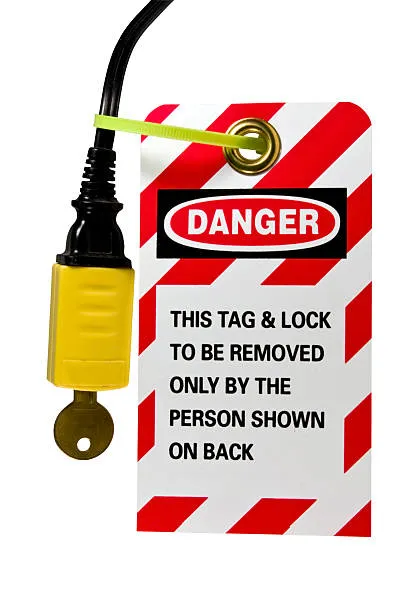
Conclusion
The strategic use of lockout safety locks in energy control is critical for maintaining a safe workplace environment. Implementing comprehensive lockout systems can effectively prevent accidents and injuries, making it a practical and efficient approach for business owners. How can you ensure your workplace adheres to safety regulations while reducing the risk of hazardous energy incidents? Consider auditing your current procedures, providing thorough employee training, and establishing a clear lockout policy.
Energy control becomes a simpler task with the strategic use of lockout safety locks. Achieve energy control perfection with Work Safe Lockout’s top-tier lockout solutions. The impact of these strategies cannot be overstated – they directly contribute to improved safety, compliance with regulations, and overall cost-effective accident prevention. As you continue on this journey towards workplace safety excellence, remember that diligence in implementing these measures will result in a secure work environment for everyone involved.
Sorting out lockout for your own site?
Describe what needs isolating and we'll help you work out the setup that fits.