
Are you troubled by the potential safety risks that machinery and equipment might pose in your workplace? We completely understand, having encountered these dangers within various industries where such perils become part of everyday life.
In fact, according to OSHA, simply abiding by their lockout/tagout standard can prevent a staggering 120 fatalities and 50,000 injuries annually. This blog post serves to shed light on the critical role Lockout Safety Locks play in reducing occupational hazards. So sit tight as we unravel some crucial knowledge for safeguarding your well-being at work!
Understanding Lockout/Tagout in Occupational Safety
Lockout/tagout is an essential safety procedure that involves de-energizing equipment and preventing accidental startup during maintenance or servicing activities. It is the employer’s responsibility to establish lockout procedures and ensure proper training for employees.
Definition and purpose
Lockout/tagout refers to specific practices and procedures designed to safeguard employees from unexpected energisation or start-up of machinery and equipment, or the release of hazardous energy during service or maintenance activities.
At its core, this safety method involves disabling machinery or equipment so that it cannot be started up without the worker’s knowledge. The key objective is to prevent accidents that can cause serious harm to workers such as burns, cuts, amputations, fractures and even death.
It serves a crucial role in maintaining a safer work environment by controlling hazardous energies present during operations.
Importance of de-energization
De-energization is a crucial step in ensuring workplace safety when working with electrical circuits or equipment. It involves shutting down the system and isolating it from any source of energy to prevent accidental start-ups or releases of hazardous energy.
By de-energizing, we can effectively protect ourselves from electrical shocks, burns, and other serious injuries that could result from contact with live wires or malfunctioning equipment.
It is essential for home owners to understand the importance of de-energization and follow proper procedures to maintain a safe working environment.
Employer responsibilities for lockout/tagout program
Employers play a crucial role in ensuring the safety of their employees through the implementation of a lockout/tagout program. This program involves measures to control hazardous energy during equipment maintenance or servicing, minimising the risk of workplace injuries.
Employers are responsible for developing and implementing effective lockout procedures and work instructions that outline the steps workers must follow to safely de-energize equipment.
They must also ensure that employees are trained on these procedures and have access to proper lockout/tagout devices to effectively isolate energy sources and prevent accidents. Compliance with OSHA regulations is essential for employers, as it helps protect workers from potential hazards associated with electrical circuits and machinery, promoting a safer working environment overall.
Contents of lockout procedures and work instructions
Lockout procedures and work instructions are essential components of any safety program. These documents outline the specific steps that need to be taken to safely de-energize equipment, preventing accidental startup and ensuring the safety of workers.
The contents may include a detailed description of the equipment involved, identification of energy sources, step-by-step instructions for shutdown and isolation procedures, as well as guidelines for testing before starting work.
It is crucial for home owners to carefully follow these instructions to protect themselves from potential hazards and avoid workplace injuries.

Implementing Lockout/Tagout Procedures
In this section, we will explore the basic steps for locking and tagging out a system, as well as group lockout procedures and equipment identification requirements. Make sure to keep reading to learn how you can effectively implement these crucial safety measures in your workplace.
Basic steps for locking and tagging out a system
To ensure your safety when working with electrical circuits or machinery, it’s important to follow the basic steps for locking and tagging out a system. First, identify the equipment that needs to be locked out and make sure you have the necessary lockout devices.
Then, notify all affected employees about the lockout procedure.
Next, shut down the system following the proper shutdown procedure outlined in your workplace’s safety procedures. This will involve turning off all power sources and ensuring that there is no hazardous energy present.
Once everything is powered off, physically lock out the equipment using a lockout device.
After securing the equipment, attach a tag to clearly indicate that it is locked out and should not be operated. This helps prevent accidental energization of the system while you are working on it.
Remember to always follow your organisation’s specific procedures for locking and tagging out systems to keep yourself and others safe.
Group lockout procedures
When multiple workers are involved in a lockout/tagout procedure, group lockout procedures must be implemented to ensure everyone’s safety. These procedures involve coordinating efforts and communication among the team members to properly isolate the energy sources of the equipment being serviced or maintained.
Each worker participating in the group lockout must apply their own personal locks and tags to the energy isolation devices to prevent accidental energization during work. It is crucial for all team members to clearly understand their roles and responsibilities, follow established protocols, and communicate effectively throughout the process.
By implementing effective group lockout procedures, potential risks and accidents can be minimised, ensuring a safe working environment for all individuals involved.
Equipment identification and requirements
To ensure the safety of both you and your equipment, it is important to properly identify the machinery that needs to be locked out. This includes identifying electrical circuits, control panels, switches, valves, or any other sources of hazardous energy.
Additionally, you must meet certain requirements for lockout safety locks. These locks should be durable and capable of withstanding harsh conditions. They should also have a unique key or combination to prevent unauthorised access.
It’s crucial to have the right equipment identification and requirements in place so that you can effectively implement lockout/tagout procedures and keep yourself safe from potential accidents or injuries.
Site Policies for Lockout/Tagout
Compliance with regulations is crucial when implementing lockout/tagout procedures, as different countries may have specific standards that need to be followed.
Compliance with regulations
We must ensure compliance with regulations when implementing a lockout/tagout program. Following the guidelines and standards set by regulatory bodies is crucial for maintaining a safe working environment.
These regulations are in place to protect workers from potential hazards and prevent accidents. By adhering to the prescribed lockout procedures, work instructions, and equipment identification requirements, we can minimise the risks associated with machinery safety and hazardous energy control.
It is our responsibility as home owners to familiarise ourselves with these regulations and implement them effectively to safeguard the well-being of everyone involved in equipment maintenance or servicing.
Country-specific standards
Different countries may have their own specific standards and regulations when it comes to lockout/tagout procedures. These standards are put in place to ensure the safety of workers and prevent workplace accidents.
It is important for employers and employees to be aware of and comply with these country-specific standards to maintain a safe working environment. So, make sure you are familiar with the regulations that apply to your country and follow the necessary procedures accordingly.
Lockout/Tagout Success Stories
In this section, we will explore real-life examples of how lockout safety locks have successfully prevented workplace accidents and protected workers from hazardous energy.
Case studies of successful use of lockout safety locks
We have gathered case studies that highlight the successful use of lockout safety locks in various industries. These real-life examples demonstrate how implementing proper lockout/tagout procedures can prevent accidents and save lives.
In one case, a manufacturing company reduced workplace injuries by 50% after implementing lockout safety locks on their machines. Another case study shows how a construction company effectively prevented electrical hazards by using lockout devices during equipment maintenance.
These success stories serve as proof that taking the necessary precautions and utilising lockout safety locks can greatly enhance occupational safety in any work environment.
The Importance of Lockout/Tagout in Occupational Safety
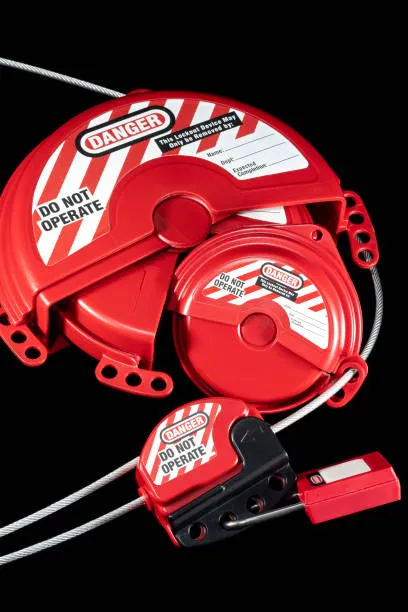
Lockout safety locks play a crucial role in ensuring occupational safety. By effectively isolating hazardous energy sources, they help prevent accidents and injuries during equipment maintenance and servicing.
Implementing lockout/tagout procedures in compliance with regulations is essential for protecting workers and creating a safe working environment. Workplace safety should always be a top priority, and using lockout safety locks is an important step towards achieving it. All in all, as we’ve seen, lockout safety locks play an undeniable role in ensuring occupational safety. Schedule a consultation with Work Safe Lock Outs to learn more about their importance to your workplace safety.
Sorting out lockout for your own site?
Describe what needs isolating and we'll help you work out the setup that fits.