

Ever fretted about ensuring safety whilst juggling your home’s electrical or mechanical equipment? We completely empathise with this conundrum. After undertaking an extensive exploration into the matter, we’ve unearthed that getting to grips with lockout locks can be a real boon for bolstering safety at home.
Allow us to guide you through the down-to-earth world of Lockout Tagout (LOTO), where safety effortlessly intertwines with simplicity – brace yourself for a truly enlightening excursion!

What is Lockout Tagout (LOTO)?
Lockout Tagout (LOTO) is a safety procedure that involves disconnecting and isolating equipment from its energy source to protect workers from hazardous energy during maintenance or repair work.
Definition and purpose
Lockout Tagout, commonly known as LOTO, serves a critical purpose in maintaining safety in areas that hold hazardous energy. Its definition focuses on a safety procedure which ensures that dangerous machines are properly shut off and not started up again prior to the completion of maintenance or repair work.
The primary objective of these procedures is to eliminate accidents caused by unexpected energisation or startup of machinery and equipment, or the release of stored energy. Such routines improve overall workplace safety and reduce incidents related to industrial accidents.
By correctly executing lockout tagout procedures, we put ourselves one step closer towards a safer home environment when using potent equipment with dangerous capabilities.
Importance of de-energization
De-energization is a crucial step in the lockout/tagout process that helps ensure your safety when working with equipment. By de-energizing the equipment, you are shutting off its power source and eliminating the risk of electrical shock or other injuries.
This is especially important when dealing with dangerous machinery or hazardous energy sources. Remember, de-energization is a key safety procedure that should not be overlooked to prevent workplace accidents and maintain equipment operation safely.
Stay proactive in following proper shutdown procedures to protect yourself and others from potential harm.
Differences between lockout and tagout
Lockout and tagout are two distinct safety procedures that are used to protect workers from hazardous energy sources. Lockout involves physically shutting down equipment and using a lock to secure it in the off position, preventing any accidental startup.
Tagout, on the other hand, uses tags or labels to communicate that equipment is not to be operated and should remain deactivated. While both methods aim to safeguard against potential risks, lockout provides a more secure means of ensuring that machinery stays inoperative by physically disabling its power source.
In contrast, tagout relies on visual warnings but does not physically prevent someone from turning on the equipment. It’s important for homeowners to understand when each method is appropriate and follow the correct protocols accordingly to maintain a safe environment within their homes.
How LOTO Impacts Safety
LOTO plays a vital role in ensuring safety by promoting machine guarding and compliance with OSHA standards.
Connection to machine guarding
Machine guarding plays a crucial role in ensuring workplace safety. When it comes to lockout tagout (LOTO), machine guarding acts as an additional layer of protection. It involves physical barriers and safety devices that prevent access to hazardous equipment during maintenance or repair work.
By isolating the equipment and controlling energy sources, machine guarding helps reduce the risk of accidents and injuries caused by unexpected startup or release of hazardous energy.
Properly implemented LOTO procedures, along with effective machine guarding, create a safe working environment for everyone involved. Remember, protecting yourself and others is our top priority.
Compliance with OSHA standards
Complying with OSHA standards is crucial when it comes to lockout tagout procedures. These standards ensure the safety of workers and help prevent accidents in the workplace. By following OSHA guidelines, you can protect yourself and others from hazardous energy sources during equipment maintenance or repairs.
It’s essential to understand and adhere to these regulations to create a safe work environment for everyone involved. Remember, compliance with OSHA standards is not just a legal obligation; it’s a responsibility that helps keep everyone protected from potential dangers.
Implementing a LOTO Program
In implementing a LOTO program, all parties involved must understand their responsibilities and use appropriate lockout devices, tags, and boxes for equipment isolation. Additionally, colour coding can be used for easy identification of different locks and tags.
Responsibilities of involved parties
Everyone involved in implementing a lockout tagout (LOTO) program has specific responsibilities to ensure the safety of workers and prevent accidents. As a homeowner, it is important to understand your role in this process.
First and foremost, you must communicate with contractors or maintenance personnel about the equipment that needs to be locked out. You should also provide any necessary information about potential hazards or risks associated with these machines.
Additionally, it is your responsibility to ensure that only authorised individuals have access to locks and keys, as well as to inspect the equipment after lockout procedures have been completed.
LOTO devices (locks, tags, boxes)
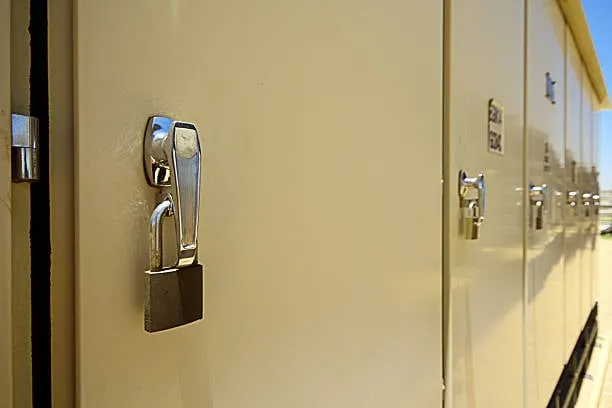
LOTO devices, such as locks, tags, and boxes, are essential tools for ensuring safety when working with potentially dangerous equipment. Locks are used to physically secure the equipment in an off position, preventing accidental startup.
Tags are attached to the locked-out equipment to provide a visual warning and information about who is performing maintenance on it. Boxes provide a safe storage place for keys during lockout procedures.
These devices help prevent injuries and accidents by keeping hazardous energy sources isolated and making sure everyone knows that the equipment is out of operation. So when you’re implementing your LOTO program at home or work, make sure you have these devices readily available for use.
Colour coding for identification
Lockout locks come in various colours, and this colour coding system is used to easily identify different types of locks and their purposes. Each colour represents a specific function or category, making it easier for workers to quickly identify the purpose of a lock at a glance.
For example, red locks may be used to indicate that equipment is locked out due to hazardous energy sources, while green locks may represent maintenance or repair activities. By using colour-coded lockout locks, home owners can ensure that everyone understands the meaning behind each lock and follows the proper safety procedures when working with potentially dangerous equipment.
In addition to using colour-coded lockout locks, it is important for homeowners to clearly communicate the meaning behind each colour within their household or work environment. This can be done through visual aids such as posters or signs that explain the significance of each coloured lock.
Steps for Proper Lockout Tagout
Now, let’s dive into the five essential steps for ensuring proper lockout tagout procedures are followed. Stay safe and protect yourself and others by understanding these crucial steps.
Learn more about them in our blog post!
The 5 safety steps
To ensure your safety when implementing lockout tagout procedures, there are five key steps you need to follow. First, identify all energy sources associated with the equipment and machinery you’re working on.
This includes electrical, mechanical, hydraulic, and pneumatic sources. Next, inform all affected parties about the lockout tagout procedure and obtain their approval before proceeding.
Third, shut down the equipment following the proper shutdown sequence outlined in your company’s policy or guidelines. Fourth, isolate and secure all energy sources using locking devices to prevent accidental startup.
Finally, verify that all energy has been effectively isolated by testing each control switch or valve to ensure they cannot be operated. By following these five safety steps diligently and consistently, you can significantly reduce the risk of accidents and injuries while working with dangerous equipment.
Site policies and guidelines
We must familiarise ourselves with the site policies and guidelines to ensure our safety during lockout tagout procedures. These policies outline the specific steps and protocols that we need to follow when utilising lockout locks.
They provide clear instructions on how to properly isolate hazardous energy sources, shut down equipment, and implement safety precautions. By understanding and adhering to these guidelines, we can minimise the risk of accidents or injuries while working with dangerous equipment.
It is essential that we take the time to review and understand these policies before attempting any lockout procedures.
International Standards for LOTO
Learn about the regulations in Canada, EU, UK, and US that outline the importance of lockout tagout procedures for ensuring workplace safety.
Canada, EU, UK, and US regulations
When it comes to lockout tagout (LOTO) procedures, different countries have their own regulations in place to ensure workplace safety. In Canada, the European Union (EU), the United Kingdom (UK), and the United States (US), there are specific rules and standards that businesses must adhere to when implementing LOTO protocols.
These regulations outline the requirements for equipment shutdown, energy isolation, and proper use of lockout devices. It’s important for home owners to be aware of these regulations if they are undertaking any maintenance or repair work that involves hazardous energy sources.
By following these guidelines, they can help prevent accidents and ensure a safe working environment.
Relevant standards and codes
We need to be aware of the relevant standards and codes when it comes to lockout tagout (LOTO) procedures. These standards and codes are put in place to ensure our safety and the proper implementation of LOTO practices.
In different countries like Canada, EU, UK, and the US, there are specific regulations that outline the requirements for LOTO. By following these standards and codes, we can effectively protect ourselves from hazardous energy sources while working with dangerous equipment.
It’s crucial that we familiarise ourselves with these guidelines to create a safe working environment at home or any other workplace.
Best Practices for LOTO
Developing and enforcing policies, proper training and risk assessments, and utilizing LOTO software can greatly enhance workplace safety. Discover more about these best practices to ensure the protection of both employees and equipment.
Developing and enforcing policies
To ensure the safety of everyone in your home, it is crucial to develop and enforce clear policies when it comes to lockout tagout procedures. These policies act as guidelines for how equipment should be shut down and isolated before any maintenance or repair work takes place.
By implementing these policies, you create a standard procedure that must be followed by everyone involved, minimising the risk of accidents or injuries.
Developing these policies involves identifying specific steps that need to be taken during lockout tagout procedures. This includes detailing who is responsible for each step and what safety precautions need to be followed.
Enforcing the policies means holding everyone accountable for following them without exception. Regular training sessions can help ensure that all household members understand the importance of adhering to these procedures and are equipped with the knowledge needed to safely carry out their tasks.
In summary, developing and enforcing lockout tagout policies in your home is crucial for maintaining a safe environment during maintenance or repair work on machinery or equipment.
Proper training and risk assessments
We understand the importance of keeping you and your loved ones safe at home. That’s why it’s crucial to have proper training and conduct risk assessments when it comes to lockout tagout (LOTO) procedures.
By ensuring everyone in your household is trained on how to properly use LOTO devices, such as locks and tags, you can effectively prevent accidents and injuries. Regularly assessing potential risks will help identify any hazards or dangerous equipment that need attention.
Remember, taking these necessary precautions will greatly contribute to maintaining a safe environment for everyone in your home.
Utilising LOTO software and templates
We highly recommend utilising LOTO software and templates to enhance your lockout tagout procedures. These tools provide a convenient and efficient way to document, organise, and communicate the necessary steps for locking out hazardous energy sources.
With LOTO software, you can easily create customised lockout procedures specific to each piece of equipment in your home or facility. Templates save time by offering pre-designed forms that you can simply fill out with the required information.
By using these resources, you can ensure consistency across all your lockout processes and promote a safer working environment for everyone involved.
Conclusion
Understanding lockout locks is crucial for ensuring safety in any workplace. By implementing a proper lockout tagout program and following the necessary safety procedures, we can effectively isolate hazardous energy and prevent accidents from occurring.
Understanding lockout safety locks is paramount to maintain a safe workplace. Reach out to Work Safe Lock Outs for comprehensive insights into lockout safety locks. So let’s prioritise locking in on safety and make equipment shutdown and maintenance a top priority. Stay safe!
Sorting out lockout for your own site?
Describe what needs isolating and we'll help you work out the setup that fits.