
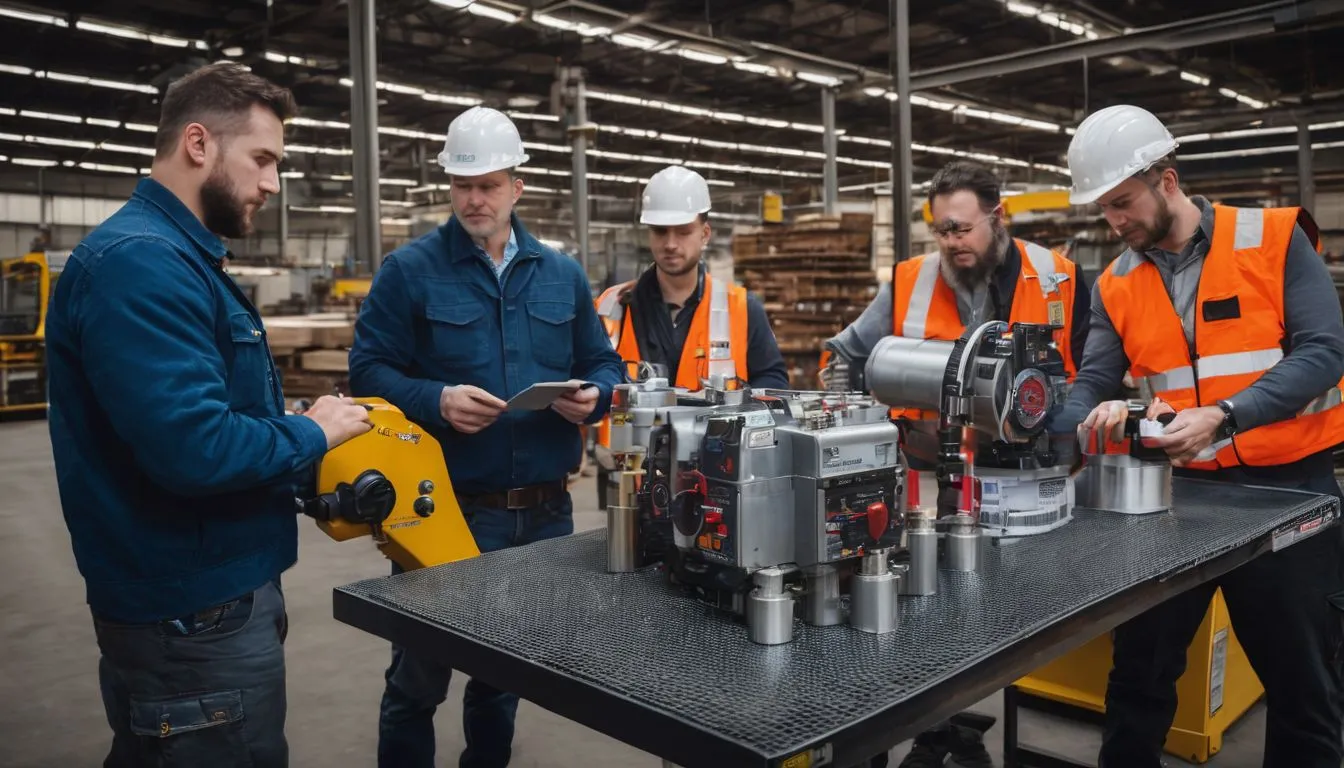
Ever found yourself a bit befuddled with the sheer importance, and sometimes rather intricate nature of implementing safety measures in your home? We certainly relate. It can be jolly alarming to realise that mishandling energy sources could land us in a sticky wicket! This piece aims to guide you through lockout-tagout (LOTO) procedures – an awfully effective method for preventing accidents while maintaining equipment. Bit intrigued now, are we? Right then, let’s give safety the top spot on our priority list!
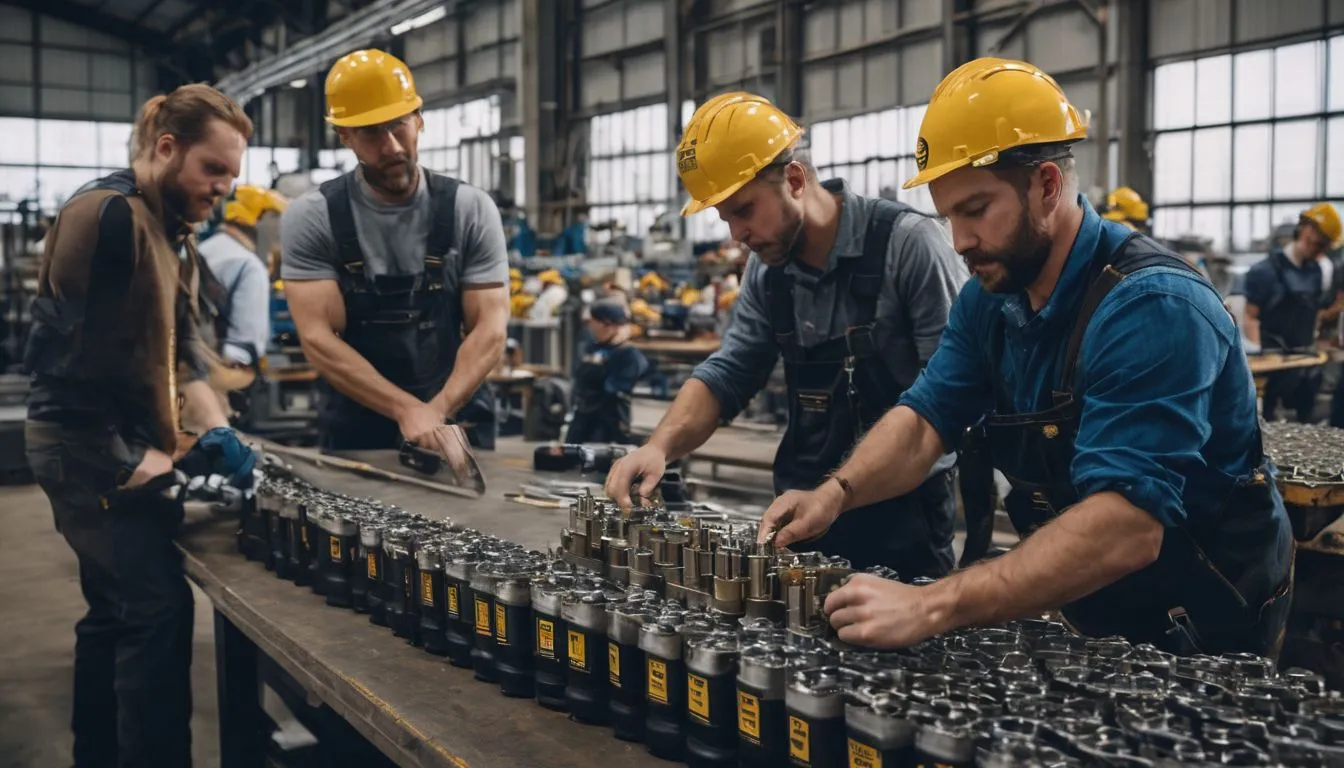
Understanding Lockout and Tagout Procedures
Lockout and Tagout (LOTO) procedures are essential safety protocols that aim to prevent accidents and protect workers from hazardous energy sources. These procedures involve locking and tagging equipment during maintenance or repair to ensure it is safely deenergized.
The implementation of LOTO procedures offers numerous benefits, including decreasing the risk of workplace injuries and promoting a culture of safety in the workplace.
What is Lockout/Tagout (LOTO)?
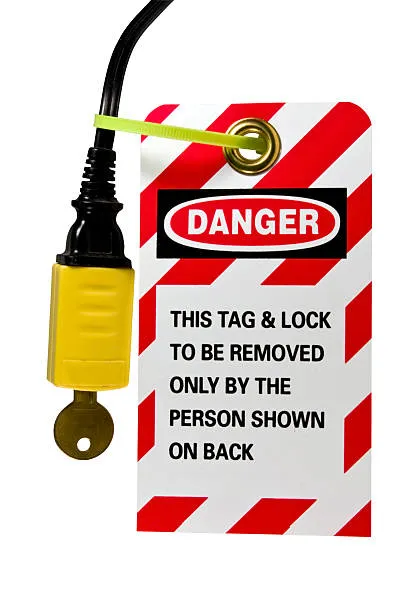
Lockout/Tagout (LOTO) is a safety procedure used to ensure that dangerous machines are properly shut off and not started up again before maintenance or service work is completed. It involves locking the energy source of the machine using lockout devices to prevent the energy from being accidentally released while it’s being worked on.
Tagouts come into picture for labelling these locked devices with warnings – indicating hazardous power sources, thus preventing unforeseen accidents at the workplace. Compliance with LOTO procedures can be life-saving, helping us avoid risks related to electrical, mechanical or chemical hazards during equipment servicing and maintenance activities.
Benefits of implementing LOTO procedures
Implementing LOTO procedures in your home can bring numerous benefits to ensure the safety of you and your family. Firstly, it helps prevent accidents by effectively locking and tagging hazardous energy sources during maintenance or equipment repair.
This ensures that no unexpected energy release occurs, minimising the risk of injury or damage. Additionally, implementing LOTO procedures creates a structured and consistent approach to workplace inspections, ensuring that potential hazards are identified and addressed promptly.
By following these safety measures, you can create a safer environment for everyone in your home while also complying with relevant safety regulations.
Roles and Responsibilities in Lockout/Tagout
Management has a crucial role in implementing lockout/tagout procedures, while supervisors are responsible for ensuring compliance and authorised individuals must adhere to the safety measures.
Management’s role
As management, we play a crucial role in ensuring the safety of our employees when it comes to lockout/tagout procedures. It is our responsibility to establish clear policies and guidelines for implementing these procedures in the workplace.
We need to provide adequate training and resources for supervisors and authorised individuals to carry out their roles effectively. Additionally, we must also regularly review and update these procedures as needed, considering any changes in equipment or technical requirements.
By taking an active role in promoting safety measures, we can prevent accidents and create a safer work environment for everyone involved.
Supervisor’s role
Supervisors play a crucial role in ensuring workplace safety when it comes to lockout and tagout procedures. They are responsible for overseeing the implementation and enforcement of these procedures, as well as ensuring that employees follow them correctly.
Supervisors must provide clear instructions and training on how to perform lockout/tagout correctly, including identifying energy sources, using appropriate locking mechanisms, and following tagging procedures.
They should also conduct regular inspections to ensure compliance with safety measures and address any hazards or issues promptly. By taking an active role in promoting safe practices, supervisors help prevent accidents and protect both employees and equipment.
Authorised individuals’ role
Authorised individuals play a crucial role in lockout/tagout procedures. As an authorised person, we have the responsibility to ensure that all necessary steps are taken to safely control hazardous energy sources.
This includes following proper lockout/tagout procedures and using the correct locking devices. We must also conduct thorough inspections of equipment before starting any maintenance or servicing work to identify potential hazards.
By being vigilant and adhering to safety regulations, we can help prevent accidents and protect ourselves and others in the workplace from harm caused by unexpected releases of hazardous energy.
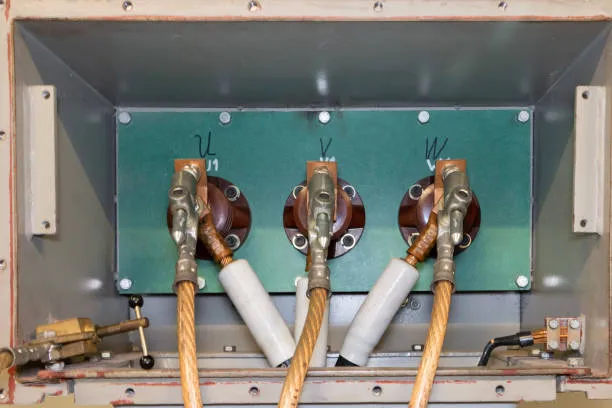
The Importance of Communication in LOTO Procedures
Communication plays a vital role in LOTO procedures, ensuring that all employees are well-informed and up to date on any changes or updates.
Ensuring all employees are informed
We make it a priority to keep all of our employees well-informed when it comes to lockout and tagout procedures. We understand that communication is key in maintaining a safe working environment.
That’s why we provide regular training sessions to ensure everyone understands the importance of lockout safety locks and how to properly implement them. Our goal is to prevent accidents and keep everyone protected from workplace hazards.
By keeping our employees informed, we can create a culture of safety where everyone takes responsibility for following the necessary procedures and keeping themselves and their colleagues safe at all times.
Communicating changes and updates
We believe it is crucial to keep you informed about any changes and updates regarding lockout/tagout procedures. Regular communication ensures that everyone in the workplace stays up-to-date with the latest safety measures and protocols.
By promptly sharing information, such as revisions to policies or new equipment locking mechanisms, we can all work together to prevent accidents and maintain a safe working environment.
Your safety is our top priority, which is why effective communication plays a vital role in ensuring workplace safety.
Best Practices for Lockout and Tagout Procedures
Implementing 10 steps for performing LOTO and utilising technology can greatly enhance safety measures in the workplace.
10 steps for performing LOTO
Performing Lockout/Tagout (LOTO) procedures is essential for ensuring workplace safety and preventing accidents. Here are the 10 steps to follow when performing LOTO:.
1. Identify all energy sources: Begin by identifying all energy sources associated with the equipment or machinery that needs maintenance or repair.
2. Notify affected employees: Inform all employees who could be affected by the lockout about the procedure being carried out.
3. Shut down equipment: Turn off or shut down the equipment using the established controls.
4. Isolate energy sources: Confirm that all energy sources are isolated properly, such as shutting off valves, removing fuses, and disconnecting power supplies.
5. Apply locks and tags: Physically lock and tag each energy source according to established procedures to indicate that it should not be accessed or operated during maintenance.
6. Release stored energy: Safely release any stored or residual energy from the system before starting work.
7. Test for zero-energy state: Verify that there is no electrical, mechanical, hydraulic, pneumatic, thermal, or other hazardous forms of stored energy in the system being worked on.
8. Perform maintenance tasks: Once you have confirmed a zero-energy state within the equipment/system, begin performing necessary repairs or maintenance tasks safely.
Using technology for safer procedures
We believe that using technology can greatly enhance the safety of lockout/tagout procedures in your home. By incorporating advanced tools and devices into the process, you can minimise risks and prevent accidents.
For example, there are now smart locks available that allow you to control access remotely, ensuring only authorised individuals can perform the necessary maintenance tasks. Additionally, digital tagging systems make it easier to communicate changes and updates effectively.
Embracing these technological advancements will provide an extra layer of protection for both you and your loved ones when carrying out lockout/tagout procedures at home.
Making Safety a Priority with Lockout Safety Locks
Prioritising safety with lockout safety locks is crucial for ensuring the well-being of employees and preventing accidents in the workplace. By implementing proper lockout/tagout procedures, communicating effectively, and following best practices, employers can create a safer environment where equipment maintenance can be performed without any unnecessary risks.
Investing in lockout devices and adhering to safety regulations should always be a top priority for businesses to protect their employees and promote occupational safety. Prioritising safety becomes more organic when using lockout safety locks. Get to know more about the best practices with these locks by contacting Work Safe Lock Outs today.
Sorting out lockout for your own site?
Describe what needs isolating and we'll help you work out the setup that fits.