
Workplace mishaps can really throw a spanner in the works, not just bringing our daily grind to a halt but also putting our mates’ wellbeing on the line. We understand what it’s like to wade through the nitty-gritty of creating a safe as houses work environment – and we reckon locking brackets are absolute legends for keeping things shipshape.
Evidence is solid as a rock; these little beauties have been proven to slash injury stats when they’re given the attention they deserve. We’re here to share a yarn or two about these unsung heroes of safety, arming you with the smarts to beef up protection at your workplace.
Time to find out how you can make your site safer than ever.
Understanding Locking Brackets

Turning from the broader picture to a focused lens, locking brackets are crucial components in ensuring a secure environment. These devices play a key role by firmly anchoring equipment such as ladders and scaffolds, preventing them from shifting or falling.
Think of them as the steadfast guards that keep tools and machinery in place; they provide that extra layer of protection against accidents in the workplace.
Locking brackets come in various shapes and sizes, each designed for specific tasks within different industries. They serve not only to enhance safety but also to maintain order by keeping workspaces organised and clutter-free.
Implementing lockout systems with these brackets prevents unauthorised access to machinery, further embedding electrical safety into your daily operations. Their use is straightforward yet essential: securing items tightly ensures that every task is performed under optimal conditions without compromising occupational safety.
Importance of Locking Brackets for Workplace Security

Locking brackets play a crucial role in ensuring workplace security by safeguarding employees from potential hazards and complying with HSE regulations. It’s essential for business owners to prioritise the installation and maintenance of locking brackets to create a safe work environment.
Ensuring employee safety

We take employee safety seriously, and locking brackets play a crucial role in maintaining a secure work environment. At every stage of operation, these devices help prevent accidents by ensuring that ladders, scaffolds, and other equipment are firmly locked in place.
As business owners, we understand the importance of creating a safe space for our team to perform their tasks without risk of injury.
Our use of locking systems directly contributes to the protection and well-being of everyone on site. Implementing robust lockout-tagout procedures is not only about compliance with WHS regulations; it’s about demonstrating our commitment to security measures that safeguard against electrical hazards and mechanical mishaps.
We prioritise occupational safety because we know it’s vital for sustaining a productive and confident workforce.
Compliance with WHS regulations
Keeping in line with Work Health and Safety (WHS) regulations isn’t just about ticking boxes; it’s crucial for running a resilient business. By integrating locking brackets into our security protocols, we meet regulatory requirements that keep everyone safe from electrical hazards to risky heights on ladders and scaffolds.
This commitment to WHS standards protects us from legal repercussions and creates a culture of trust among employees who count on us for their safety.
Locking brackets play a pivotal role in lockout/tagout procedures, directly influencing workplace safety across various scenarios, from securing machinery during maintenance to preventing accidental activation of equipment.
Embracing these safety devices not only keeps us compliant but bolsters our reputation as responsible employers who prioritise risk management in every aspect of the work environment.
It’s essential for any business owner to understand that investing in such security measures is an investment in the company’s future stability and success.
The Lockout Safety Lock Encyclopaedia: Everything You Need to Know
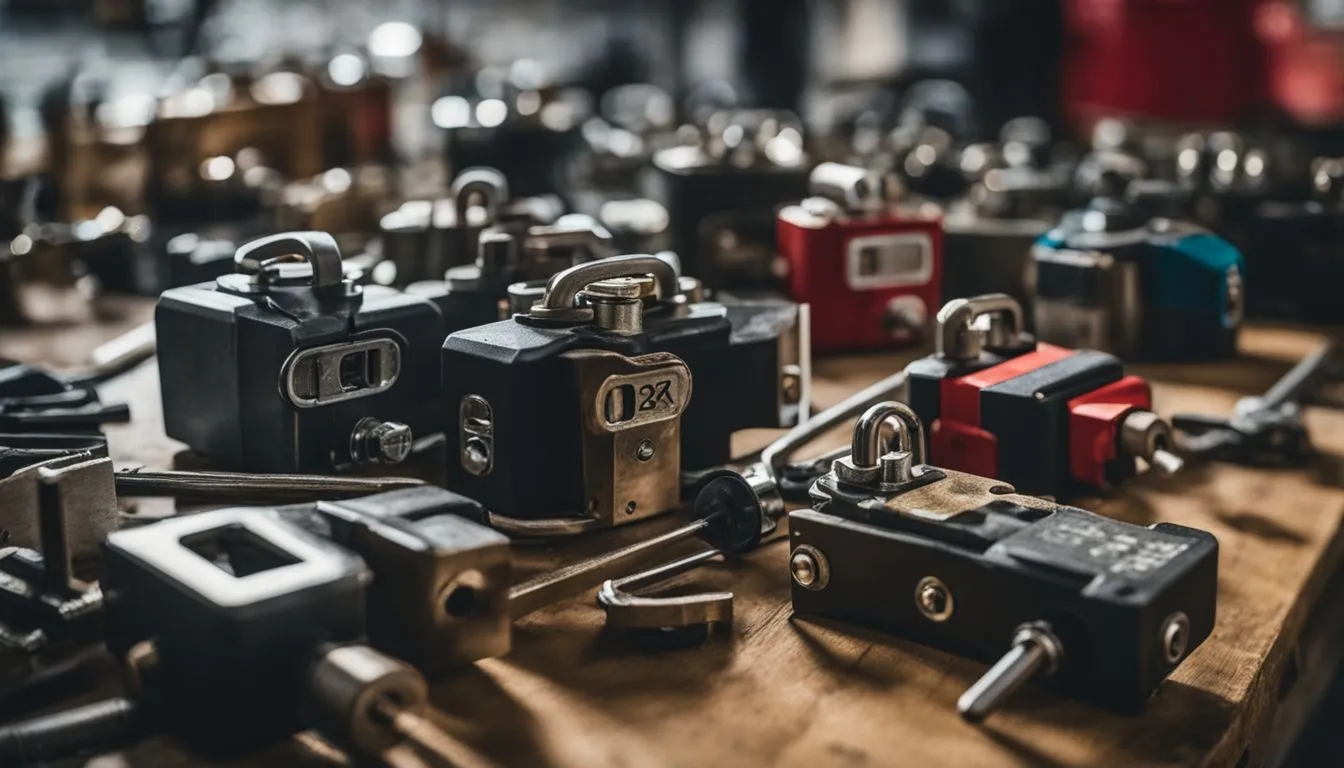
In our workplaces, we see lockout safety locks as vital tools for protecting our team from harm. These locks are a cornerstone of workplace safety systems, designed to prevent machinery from being powered on during maintenance or when it poses a risk.
Let’s delve into the different types of safety locks available – padlocks, hasps, cable locks and more can secure various devices and machinery effectively. Each type serves a specific function, whether it’s halting electrical currents or blocking mechanical operations.
We must choose the right lock for every task to create an impenetrable barrier against accidental startups. This means understanding each lock’s unique features – colour coding for quick identification, non-conductive materials for electrical hazards, or steel construction for heavy-duty applications.
Familiarising ourselves with these details ensures we implement a tailored security measure that aligns with our specific needs in preventing workplace accidents and maintaining compliance with Occupational Safety regulations.
Proper Maintenance and Inspection of Locking Brackets

Regular maintenance and inspection of locking brackets is essential for ensuring workplace security and employee safety. To learn more about the best practices for maintenance and inspection, click here.
General maintenance

- Inspect locking mechanisms frequently for signs of wear, damage, or tampering to prevent malfunction during critical operations.
- Clean all components regularly using appropriate cleaning agents that won’t corrode metal parts or compromise functionality.
- Tighten any loose bolts or fasteners during inspections to avoid accidental slippage or unlocking which could lead to hazardous situations.
- Lubricate moving parts sparingly with suitable lubricants to guard against rust and ensure smooth operation without compromising lock integrity.
- Check alignment and fit to guarantee that locking brackets engage correctly and securely each time they are used.
- Replace any component that shows excessive wear or damage immediately to avoid putting employees at risk due to faulty equipment.
- Track maintenance activities meticulously in logbooks, noting dates of inspections, actions taken, and the condition of each bracket after servicing.
- Conduct functional tests post – maintenance to confirm the reliability of the locking systems before returning them to active duty on scaffolds or ladders.
Periodic inspection

Periodic inspections are a crucial element in preserving workplace security. We view these checkups as preventative measures, keeping our locking brackets functioning optimally.
- Schedule regular inspections: Set a timetable for routinely examining locking brackets, ensuring no component is overlooked.
- Check for wear and tear: Look for signs of damage or corrosion that could compromise the integrity of the lockout systems.
- Test functionality: Verify that all locking mechanisms engage and release as intended without any hiccups.
- Document findings: Keep records of inspection dates, identified issues, and the actions taken to rectify them.
- Revise procedures if needed: Should an inspection reveal underlying problems, implement updated safety protocols immediately.
- Ensure qualified personnel perform inspections: Only suitably trained staff with expertise in lockouttagout procedures should carry out these critical reviews.
Training and education

Efficient periodic inspection is only part of the equation; comprehensive training and education complete the workplace safety picture. We recognise that equipping our teams with knowledge on locking brackets is essential for sustaining security at work.
- Initiate a mandatory orientation program for all new staff to introduce them to lockout systems and the function of locking brackets. This helps build a strong foundation in safety protocols from day one.
- Organise regular training sessions that are updated with the latest WHS regulations and technological advancements in lockout systems, ensuring everyone’s knowledge remains current.
- Develop in – depth workshops focusing on the proper use and handling of locking mechanisms, including ladder security and scaffold stability.
- Incorporate interactive simulations and hands – on exercises in training modules to reinforce learning through practical experience.
- Provide clear instructional materials, such as manuals and quick-reference guides, that detail step-by-step procedures for engaging and disengaging locking brackets.
- Encourage feedback from employees regarding the usability of locking devices to continually enhance safety measures within the workplace.
- Collaborate with safety experts to tailor customised training content that addresses specific risks associated with your work environment.
- Establish a certification process for those who demonstrate proficiency in using and maintaining lockouttagout procedures effectively. This instills confidence and recognises skill development.
- Implement refresher courses as part of ongoing professional development, keeping safety front-of-mind for all team members throughout their career progression.
Common Mistakes to Avoid When Using Locking Brackets

Let’s dive into some common mistakes that businesses should steer clear of when it comes to using locking brackets:
- Neglecting Regular Inspections: Ensure that locking brackets are periodically inspected to identify and address any wear and tear or potential issues.
- Failing to Train Employees: Providing comprehensive training on the correct usage of locking brackets is crucial for maintaining workplace safety.
- Using Improper Lockout Devices: It’s essential to utilise the appropriate lockout devices for different equipment and machinery, ensuring effective isolation.
- Skipping Maintenance Procedures: Regular maintenance, including cleaning and lubrication, is vital to keep locking brackets in optimal working condition.
- Overlooking Compliance Requirements: Adhering to WHS regulations and industry standards ensures that locking brackets are being used appropriately in the workplace.
- Lacking Documentation: Properly documenting lockout/tagout procedures and keeping records of inspections can enhance accountability and traceability while fostering a safer work environment.
The Role of Locking Brackets in Effective Hazard Control
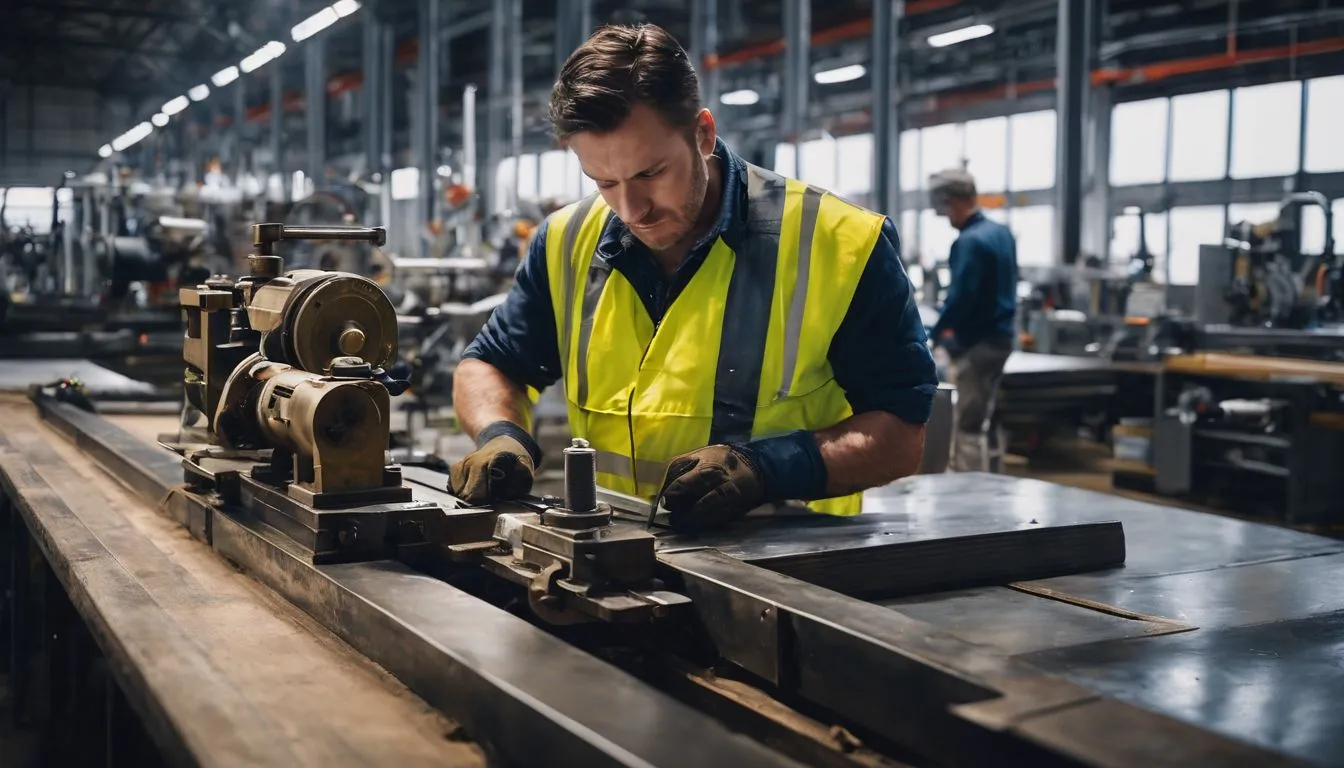
After avoiding common mistakes, it’s crucial to understand the pivotal role of locking brackets in effective hazard control. Locking brackets act as a formidable line of defence against potential workplace hazards, mitigating risks and ensuring a secure environment for employees.
By firmly securing equipment and machinery, locking brackets significantly reduce the likelihood of accidents or injuries caused by unauthorised access or operation. This not only promotes occupational safety but also aligns with risk management protocols, fortifying workplace security and protecting business assets.
Incorporating locking brackets into your safety measures can contribute to a comprehensive strategy aimed at hazard control and accident prevention across various work environments, from construction sites to manufacturing facilities.
By effectively employing locking brackets, businesses can enhance their hazard control strategies while elevating overall workplace security standards.
Conclusion
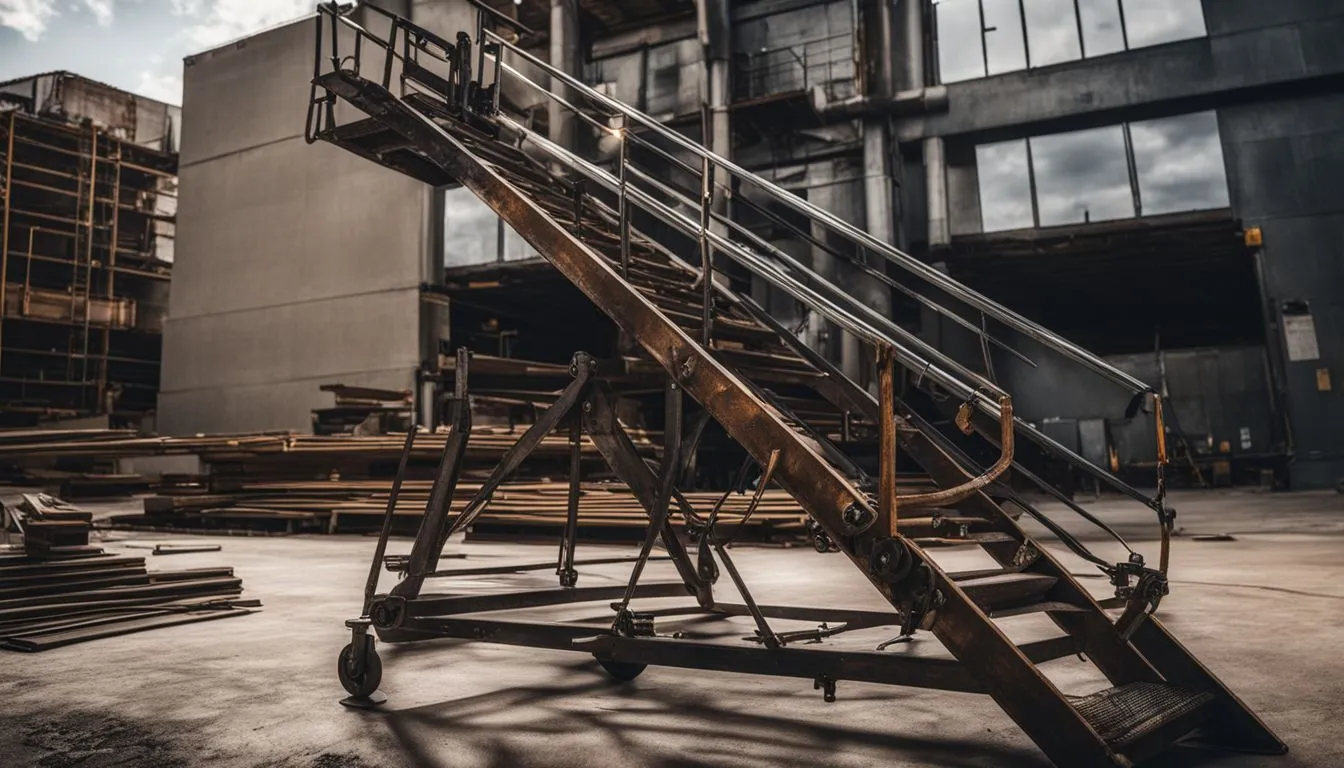
In conclusion, workplace security can be effectively enhanced through the use of locking brackets. By prioritising safety and compliance with WHS regulations, business owners ensure employee well-being and legal adherence.
Implementing proper maintenance procedures and periodic inspections for locking brackets is crucial in upholding security standards. Avoiding common mistakes when using these systems further reinforces their role in effective hazard control.
The practicality and efficiency of locking brackets make them a valuable asset for securing construction sites, scaffolds, ladders, and mechanical aids in manual handling ergonomics. For an in-depth guide on lockout safety locks, be sure to check out our comprehensive Lockout Safety Lock.
Sorting out lockout for your own site?
Describe what needs isolating and we'll help you work out the setup that fits.