
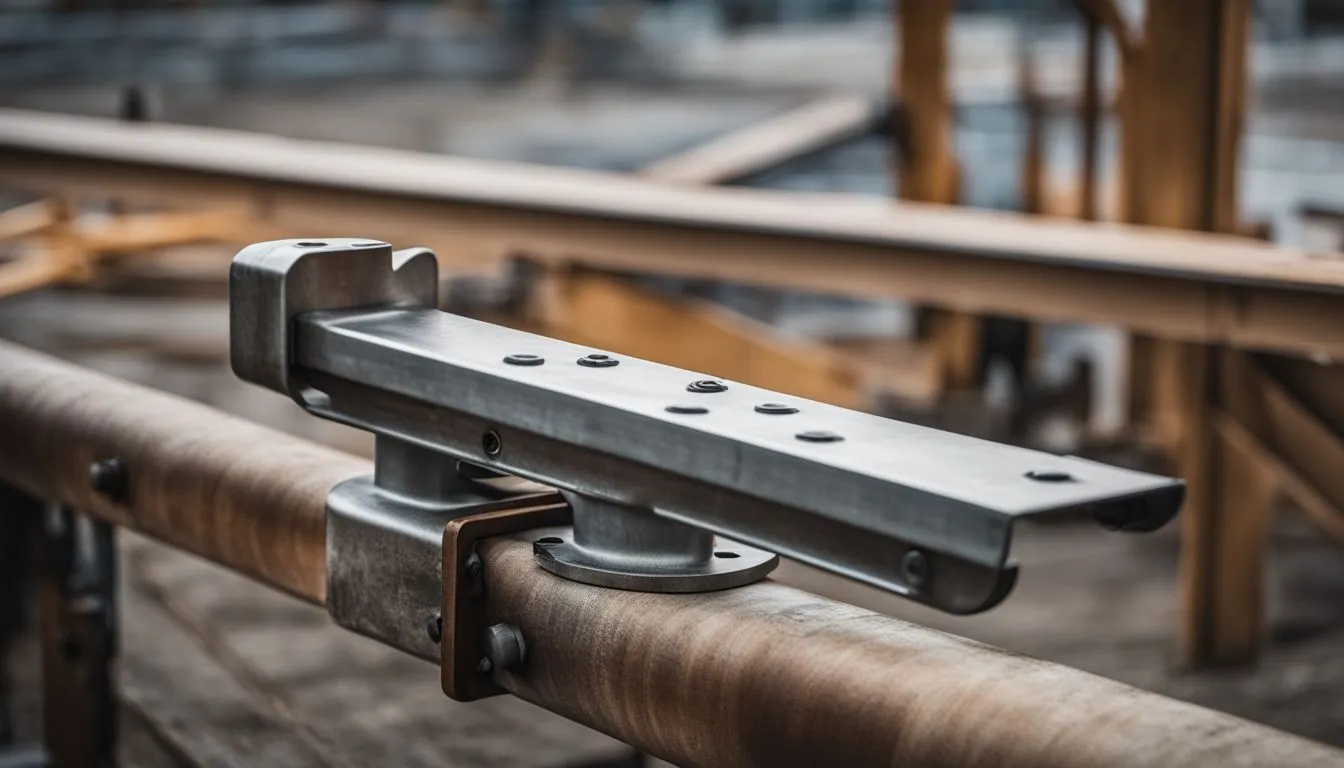
Tackling the right kind of structural support in any construction gig can be a bit of a head-scratcher. We’ve run into this snag ourselves and stumbled upon the game-changer: locking brackets.
Diving deep into our research, we’re keen to share a yarn or two on how these nifty connectors are real heroes when it comes to bolstering building stability and ensuring everyone’s safety is up to snuff.
Stick around to uncover what we found out, hey?.
Understanding Locking Brackets in Construction
Understanding Locking Brackets in Construction involves recognising their vital role and varied applications within the industry. From providing structural support to ensuring safety, locking brackets are essential components in building frameworks.
Purpose of Locking Brackets
Locking brackets serve a crucial role in the construction industry by ensuring structural support and safety. They secure components together, preventing movement or separation under load.
This stability is essential for building frameworks, from ladder attachment brackets to ducting supports, making them indispensable in creating durable and safe structures.
We use locking brackets across various applications to enhance building safety and maintain integrity over time. These metal brackets, including steel and aluminium options, offer versatile solutions for supporting loads in construction projects.
Their ability to lock elements tightly means that everything from cable tray systems to loadbearing structures benefits from increased reliability and performance.
Different Types of Locking Brackets
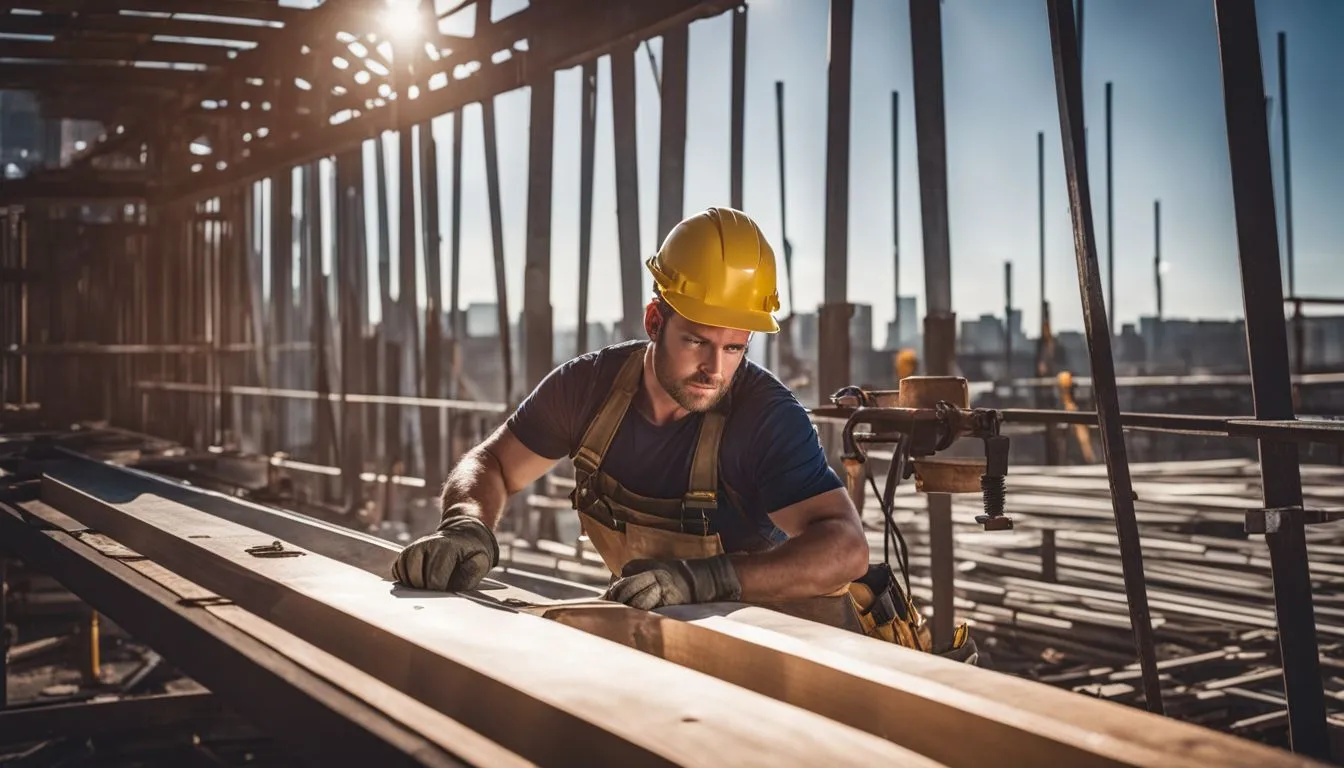
Transitioning from discussing the purpose of locking brackets, we now explore the diverse range of types available in the market. Each type offers unique benefits tailored to specific applications in construction, showcasing their vital role in building structures and systems.
- Steel Brackets: We use these for heavy-duty applications due to their strength and durability. Steel brackets can support large loads, making them ideal for structural beams and columns in construction projects.
- Aluminium Brackets: Known for being lightweight yet strong, aluminium brackets suit applications where weight is a concern but support is needed. They find use in both commercial and residential constructions, adding stability without adding significant weight.
- Ladder Platform Brackets: These brackets secure ladder platforms to various structures, ensuring safety and stability for workers performing tasks at height. Their design considers ease of installation and adjustment, catering to different angles and heights as required on construction sites.
- Rod Lock Brackets: Employed within mechanical systems, rod lock brackets hold rods in place securely, preventing movement or sliding during operation. This type ensures precision and reliability in installations that involve moving parts or require exact alignments.
- Cable Tray Brackets: Essential for managing cables in construction projects, cable tray brackets support cable trays as they route electrical wiring throughout a building. They facilitate organisation and protection of wires against damage while keeping them accessible for maintenance.
- Ducting Brackets: These brackets support ductwork used in heating, ventilation, and air conditioning (HVAC) systems within buildings. Ducting brackets ensure secure mounting of ducts, aiding efficient air flow and system performance.
- Loadbearing Brackets: Specifically designed to carry heavy loads, loadbearing brackets play a crucial role in structural integrity by distributing weight evenly across supports. They are key components where robustness is paramount to prevent structural failure.
- Ladder Attachment Brackets: We find these securing ladders to various surfaces or structures, offering additional safety features that prevent slipping or dislodgement during use. Their versatility allows adaptation to multiple types of ladders and work scenarios.
Each type of locking bracket has been developed with a specific set of challenges in mind, addressing them through innovative design and materiel selection. Whether dealing with the weight management challenges posed by aluminium alloys or ensuring maximum durability with steel constructions, selecting the right type of bracket can significantly impact the success of any construction project.
Manufacturing Process of Locking Brackets
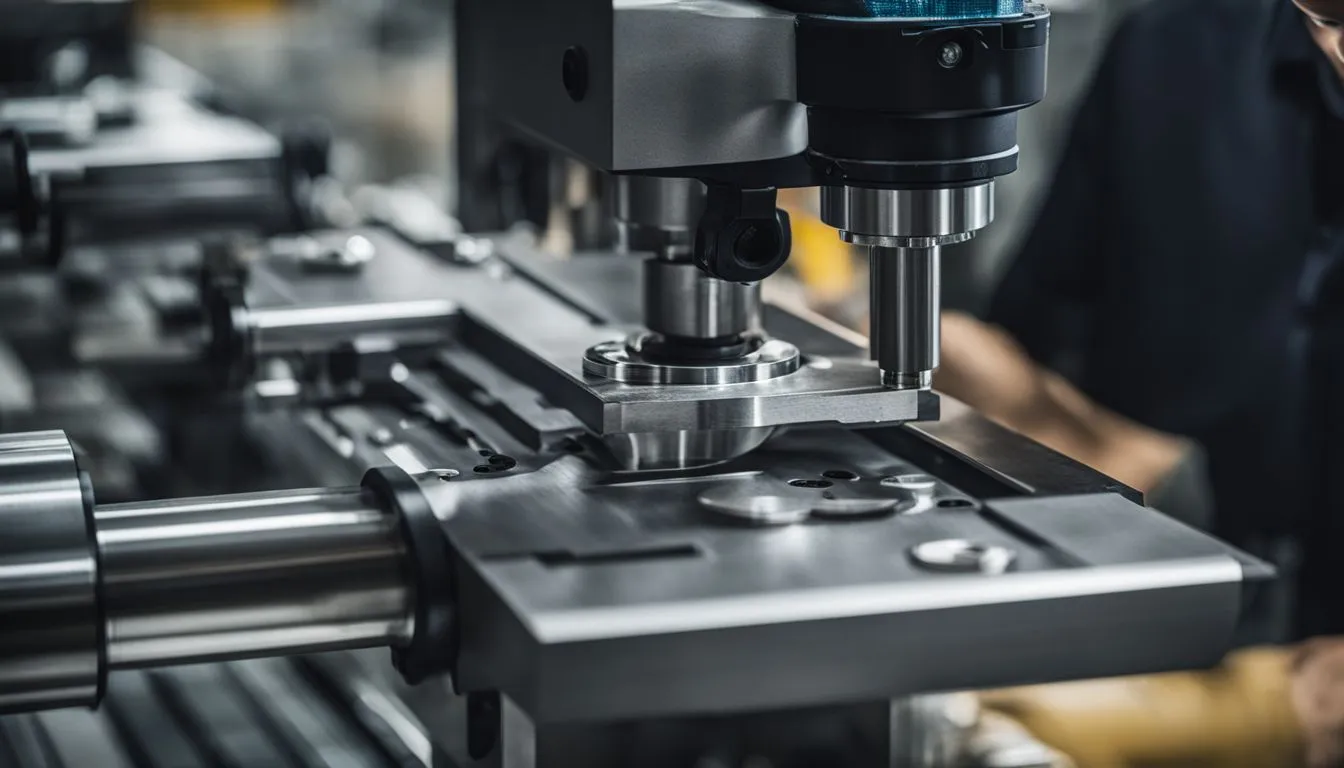
Manufacturing locking brackets involves a series of processes such as casting, CNC machining, stamping, and laser cutting. These methods precisely shape the brackets from materials like steel, stainless steel, and aluminium alloys to meet specific construction needs.
Casting
Casting forms the backbone of making locking brackets for construction. Molten metal is poured into moulds to create shapes that fit the needs of building structures, producing strong and durable brackets ready to provide essential support wherever needed in a build.
CNC Machining
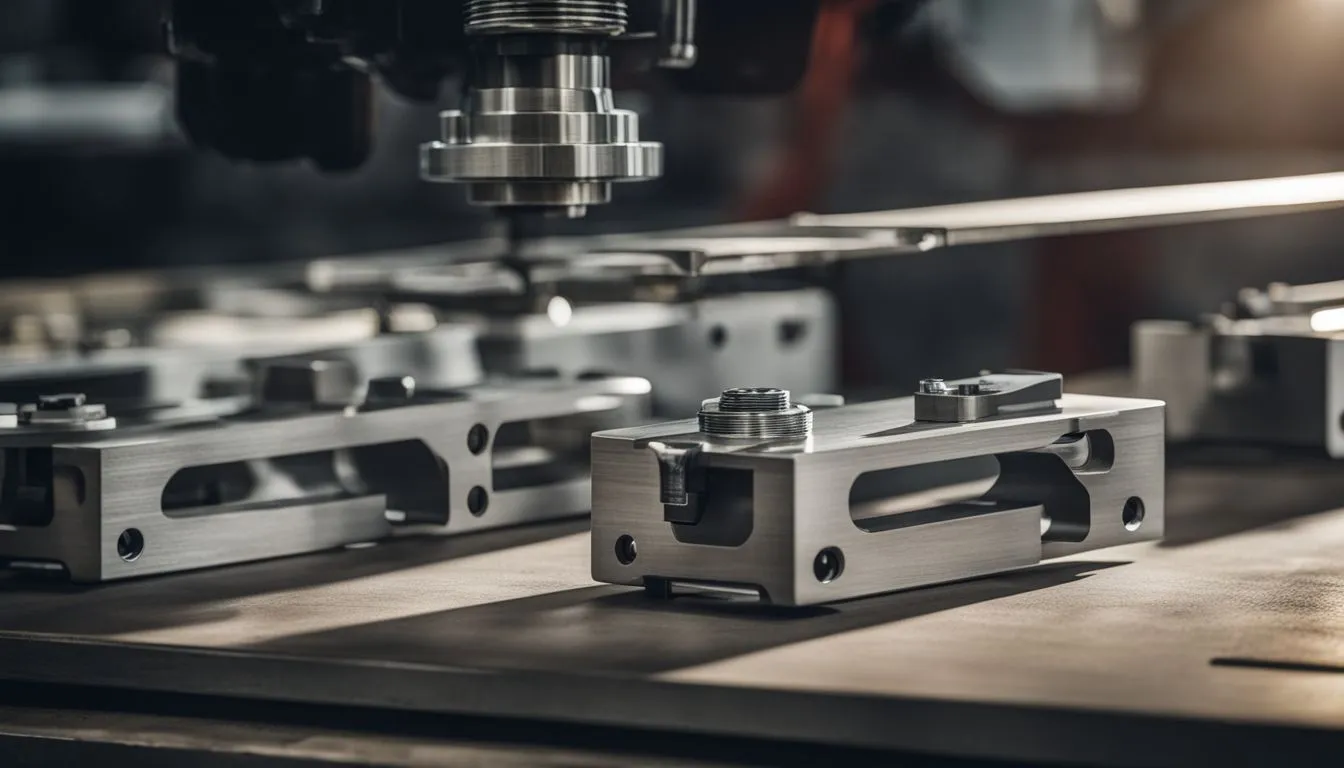
CNC machining plays a crucial role in the manufacturing process of locking brackets, ensuring precision and efficiency. This method uses computer-controlled cutting tools that meticulously shape metal into the desired forms with remarkable accuracy.
Our commitment to incorporating CNC technology reflects our dedication to quality and reliability in construction bracket production.
We utilise advanced CNC machines for shaping steel, aluminium alloys, and stainless steel into durable locking brackets that meet stringent industry standards. This process not only enhances the structural integrity of our products but also allows for intricate designs impossible to achieve through traditional methods.
By adopting CNC machining, we ensure our locking brackets provide optimal performance and longevity in various construction applications.
Stamping
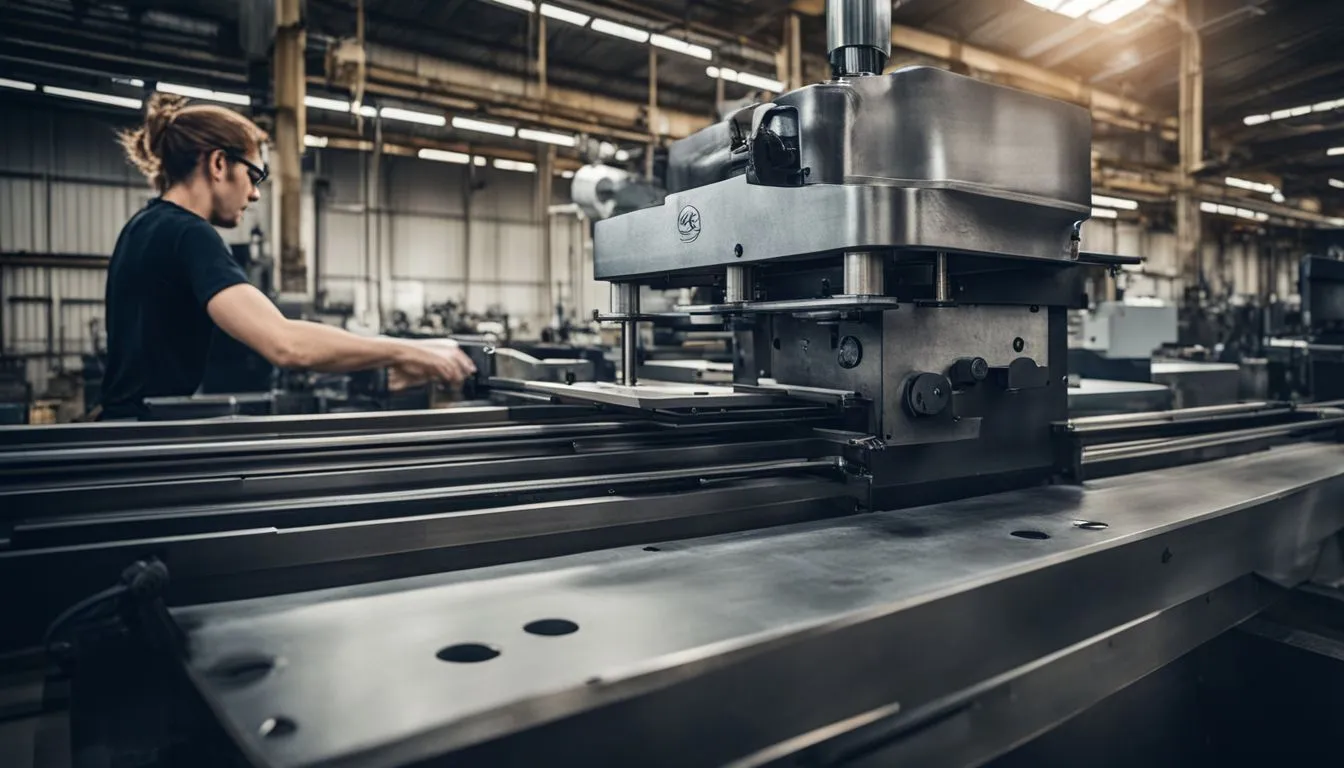
After delving into the precision of CNC machining, we turn our focus to stamping, a crucial process in manufacturing locking brackets for the construction industry. Stamping transforms flat metal sheets into specific shapes through high pressure.
This technique is vital for producing large quantities of metal brackets efficiently and quickly.
We use specialised machines that exert tremendous force to cut or shape steel, aluminium, and other metals without adding or removing material. This ensures consistent quality and strength across all crafted locking brackets essential for building safety and structural support.
Our method directly contributes to making construction processes faster while maintaining the integrity of each bracket installed in various projects.
Laser Cutting
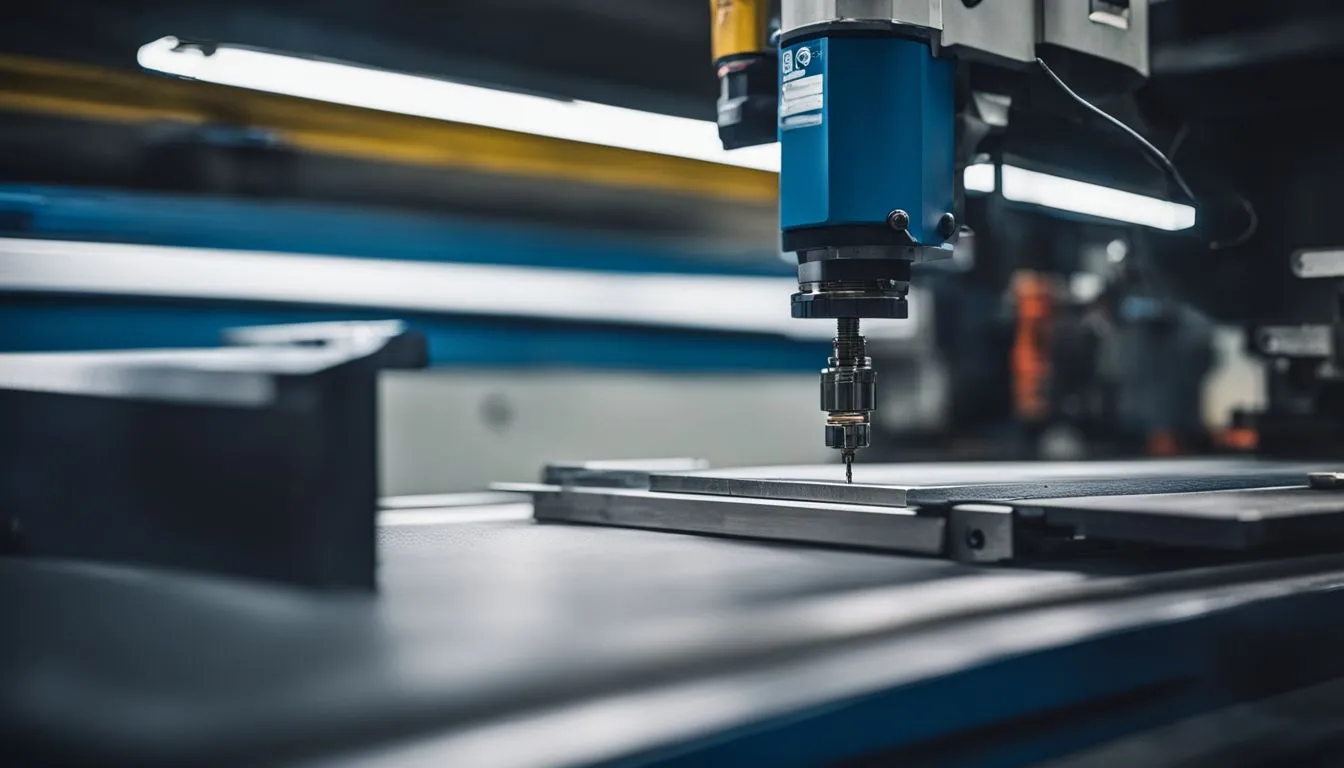
Laser cutting stands out as a pivotal step in the manufacturing process of locking brackets used in construction. This technology allows for precision cuts, creating complex shapes and sizes with remarkable accuracy.
We employ laser cutting because it guarantees that each bracket meets strict standards, essential for ensuring safety and reliability in construction projects.
The versatility of laser cutting also plays a crucial role in customising locking brackets to cater to specific needs within the construction industry. By adjusting the laser’s settings, we can work with various materials such as steel brackets and aluminium brackets, making them fit for different applications like ladder platform brackets or ducting brackets.
This adaptability ensures we meet diverse requirements while maintaining high-quality outcomes.
Materials Used in Locking Brackets
Locking brackets are commonly made from steel, stainless steel, and aluminium alloys, each offering specific advantages in construction. To find out more about the ideal material for your locking bracket needs, keep reading.
Steel
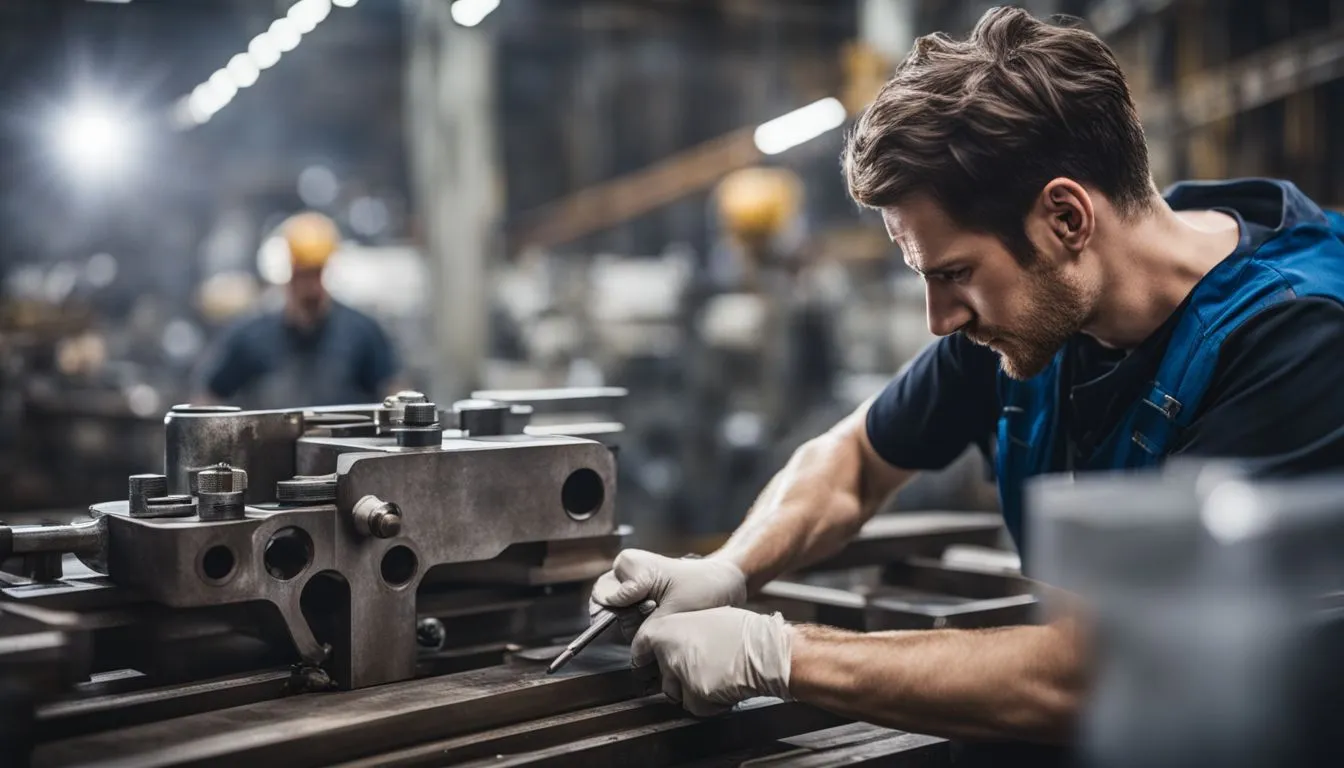
Steel stands as a cornerstone material for manufacturing locking brackets in the construction industry. We appreciate its high strength and durability, making it an excellent choice for supporting structures and ensuring safety in buildings.
Steel brackets resist corrosion remarkably well, especially when treated or coated, which extends their life span and maintains their performance even under harsh conditions.
We also focus on the versatility steel offers to our projects. It can be easily shaped into various forms to meet unique building needs through processes like stamping, casting, and CNC machining.
This adaptability makes steel an invaluable component of our ladder platform brackets, rod lock brackets, and other metal bracket applications in construction technology. Our commitment to using steel demonstrates our dedication to building safety and structural support that lasts.
Stainless Steel
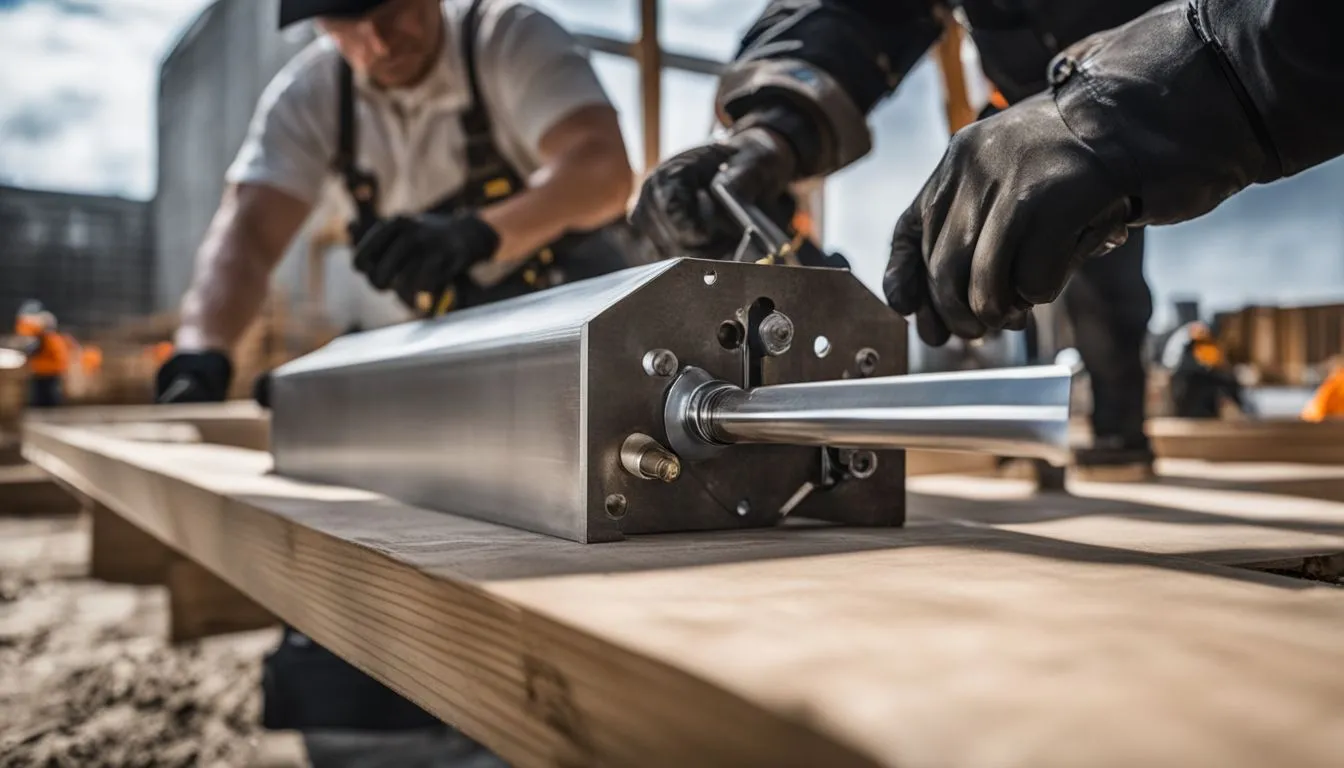
Stainless steel is a highly versatile material widely used in the construction industry due to its exceptional durability and resistance to corrosion. It offers superior strength and can withstand harsh environmental conditions, making it an ideal choice for locking brackets in various construction applications.
With its ability to maintain structural integrity over time, stainless steel brackets provide long-term reliability and stability for building frameworks and support systems.
The use of stainless steel brackets also contributes to enhanced safety standards, as they are designed to withstand heavy loads without compromising on performance or structural soundness.
Aluminium Alloys
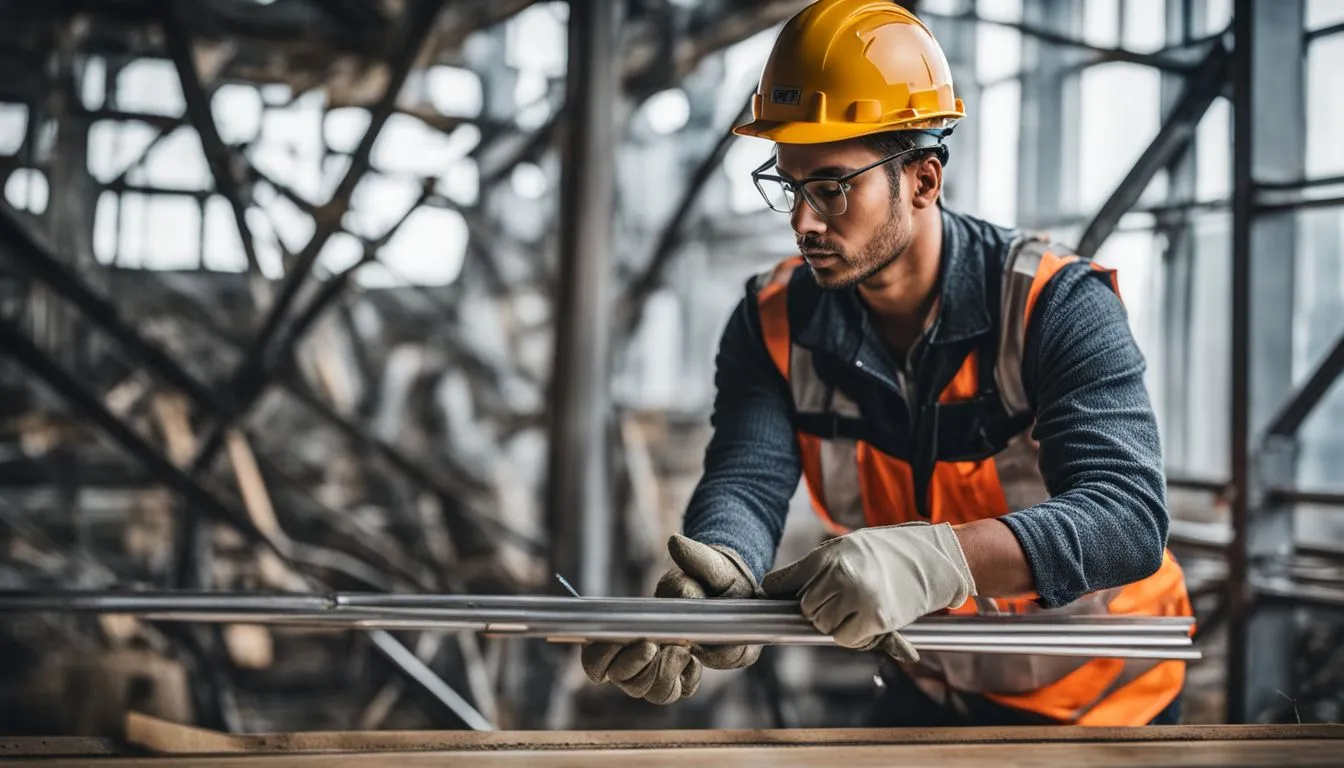
Aluminium alloys are widely used in construction due to their lightweight nature and high strength. These alloys, often made of aluminium combined with other elements like copper, zinc, or magnesium, offer excellent corrosion resistance and thermal conductivity.
They are commonly employed for building frameworks, ladder brackets, ducting brackets, and cable tray brackets. Aluminium alloys provide sturdy support while being lighter than steel counterparts.
Their versatility makes them a popular choice for constructing durable yet lightweight structures.
Aluminium alloys contribute to cost-effectiveness in construction projects by providing a balance of strength and weight. This translates to reduced transportation costs and easier installation processes compared to heavier materials such as steel.
Benefits of Using Locking Brackets in Construction
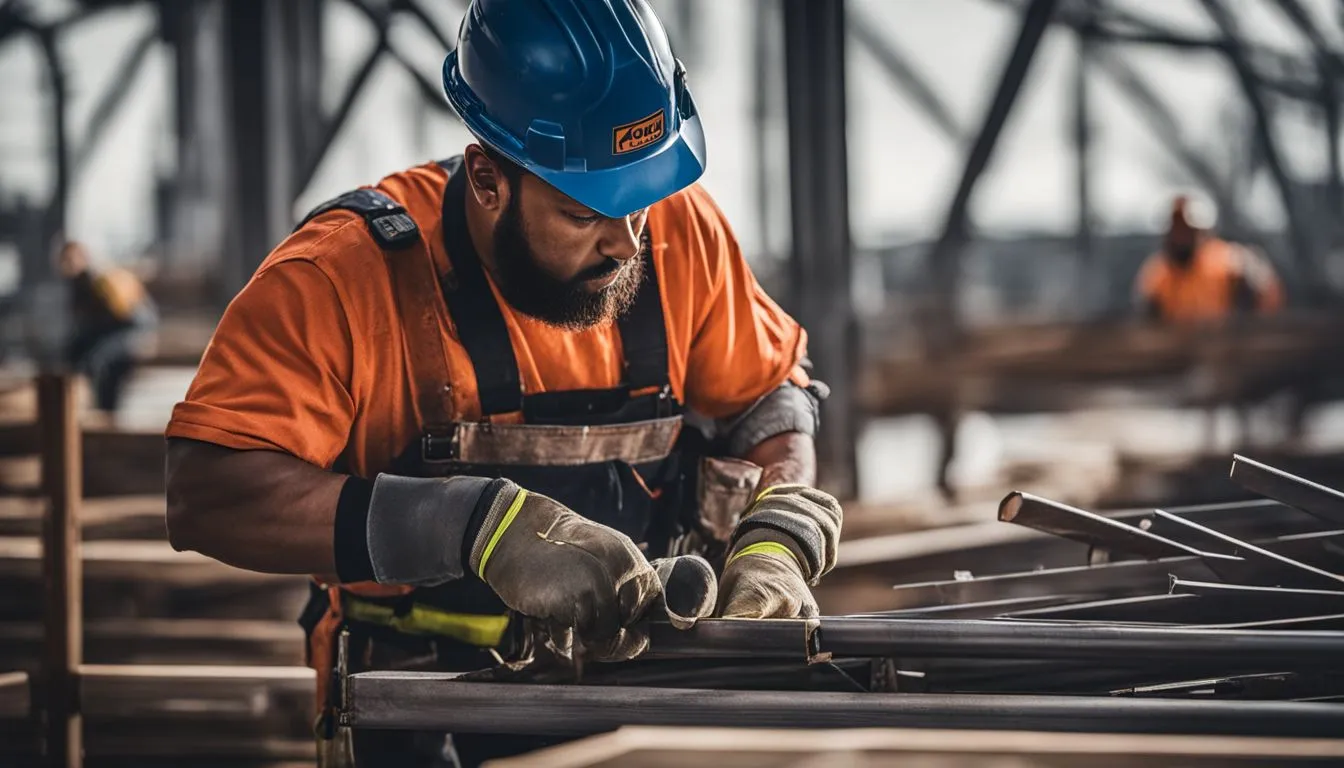
Locking brackets offer versatility, as they can be tailored to fit a wide range of construction applications. They provide cost-effective solutions while ensuring durability in various environmental conditions.
Versatility
Locking brackets offer versatility, being adaptable to various construction applications. They can be utilised in supporting structures, securing safety equipment, or providing a framework for duct and cable tray installations.
With their diverse range of sizes and designs, locking brackets are well-suited for an array of building needs. Their flexibility allows them to be used across different construction projects, from large-scale commercial developments to smaller residential renovations.
This adaptability makes locking brackets an essential component in the arsenal of construction materials and tools.
Cost-Effectiveness
Using locking brackets in construction presents a cost-effective solution for structural support and stability. By utilising durable materials like steel, stainless steel, or aluminium alloys, businesses can lower maintenance costs and prolong the lifespan of their constructions.
Additionally, the versatility of locking brackets allows for various applications within the construction industry, reducing the need for multiple specialised components and further contributing to cost-effectiveness.
The implementation of locking brackets offers an economically efficient option that supports business owners in managing construction expenses. This practical approach is in line with achieving sustainable long-term value while addressing immediate project needs.
Durability
Locking brackets are designed to withstand harsh environmental conditions and heavy loads, ensuring long-lasting structural support. Using steel or stainless steel materials, these brackets exhibit exceptional durability through their corrosion resistance and high load-bearing capacity, making them ideal for supporting construction frameworks and cable tray systems.
The robust nature of locking brackets minimises the need for frequent maintenance, providing business owners with cost-effective solutions that stand the test of time in various construction applications.
Maintenance
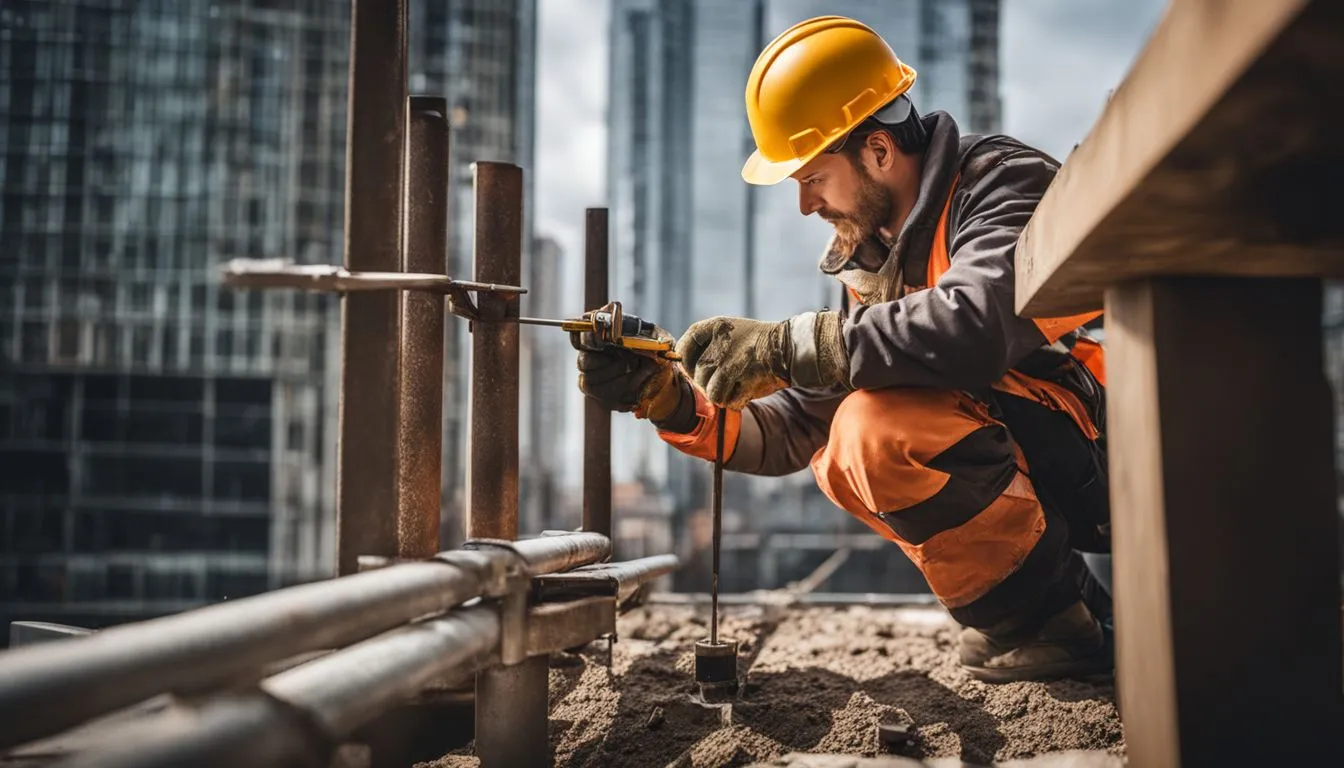
To ensure the long-term performance and reliability of locking brackets in construction, regular maintenance is essential. This includes inspecting for signs of wear and tear, such as corrosion or damage from environmental elements.
In addition, maintaining proper lubrication of moving parts helps to sustain smooth operation and prolong the lifespan of the brackets. Business owners can schedule routine inspections and upkeep to address any issues promptly before they escalate, ensuring that their locking brackets continue to provide steadfast support in construction applications.
Regular maintenance safeguards against potential malfunctions by preventing minor problems from developing into costly repairs or replacements down the line. It also promotes safety on job sites by keeping locking brackets in optimal condition for supporting building structures and equipment without compromise.
Challenges and Solutions in Using Locking Brackets
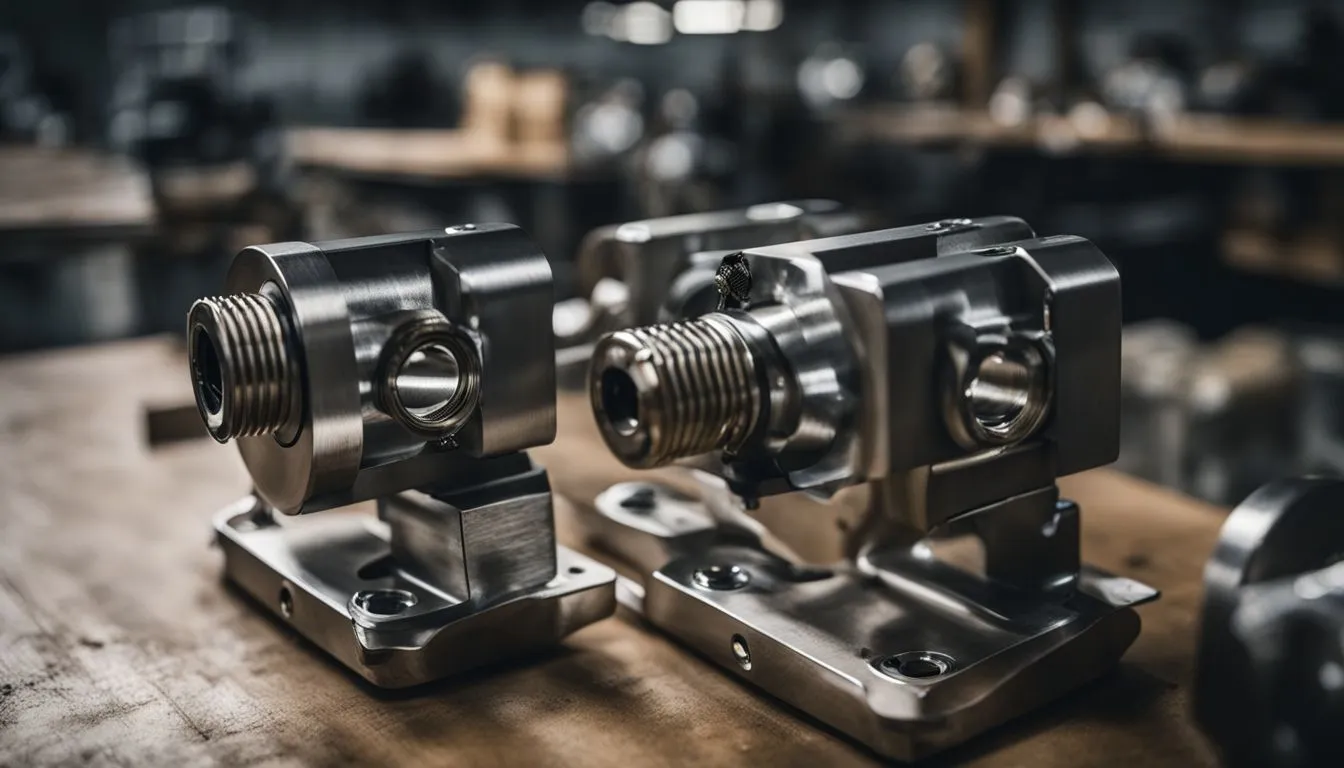
Corrosion can be a significant challenge in using locking brackets, but choosing corrosion-resistant materials such as stainless steel or aluminium alloys can offer effective solutions.
To delve deeper into the complexities of this topic, we encourage you to read more.
Corrosion
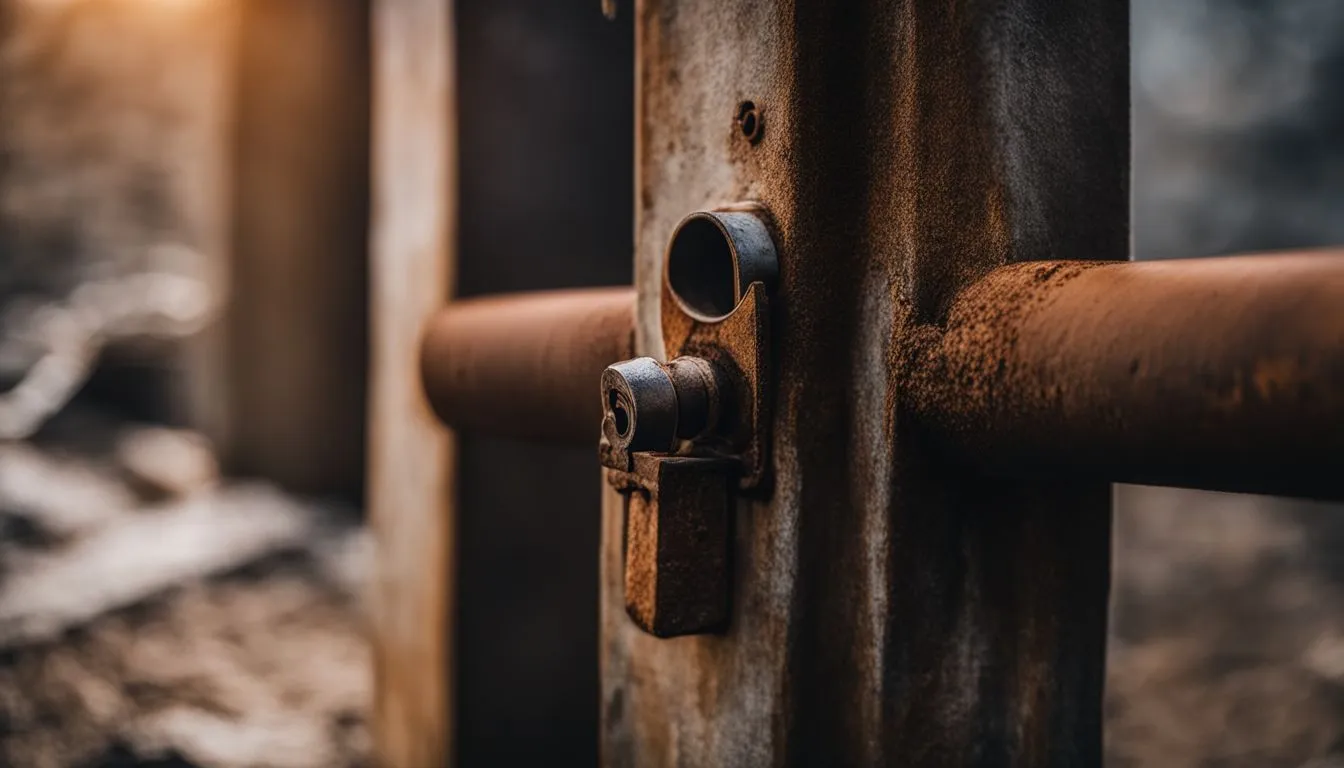
Corrosion compromises the integrity of locking brackets, leading to structural weaknesses and safety hazards. Regular exposure to moisture and harsh environmental conditions can accelerate corrosion, especially in outdoor construction projects.
To combat this issue, using materials that are resistant to corrosion, such as stainless steel or aluminium alloys, is essential for ensuring the longevity of locking brackets in construction applications.
Implementing protective coatings or galvanisation further enhances the resistance of locking brackets against corrosion, prolonging their service life and maintaining structural stability in diverse construction environments.
Weight
When it comes to construction, the weight of locking brackets plays a crucial role in determining their usability and practicality. As business owners, understanding the impact of bracket weight on transportation, installation, and long-term structural stability is essential.
In addition to meeting safety standards and operational requirements, optimising bracket weight can result in cost savings while ensuring efficient handling during construction processes.
Therefore, selecting materials with an optimal balance between strength and weight is paramount for successful construction projects involving locking brackets.
Environmental Impact
Locking brackets play a critical role in construction, but their use can have an environmental impact. The production and disposal of locking brackets involve the consumption of resources and energy, as well as the release of waste into the environment.
To mitigate these effects, businesses should consider using materials with lower environmental footprints for manufacturing, such as recycled steel or aluminium alloys. Additionally, implementing efficient recycling programmes for the disposal of old or damaged locking brackets can significantly reduce their environmental impact.
Furthermore, businesses can explore alternative energy sources and sustainable manufacturing processes to further minimise the environmental footprint associated with locking bracket production.
The Future of Locking Brackets in Construction
The future of locking brackets in construction involves the use of lightweight and stronger materials, customisation and personalisation options, as well as advancements in locking bracket technology.
Lightweight and stronger materials are being developed to enhance the performance of construction brackets, offering greater durability without adding excessive weight. Customisation and personalisation allow for tailored solutions to meet specific construction needs, while advancements in locking bracket technology aim to improve efficiency and ease of installation.
Lightweight and Stronger Materials
When it comes to construction, the demand for lightweight and stronger materials is on the rise. These advanced materials are not only designed to enhance structural support but also offer versatile solutions for various construction needs.
The integration of advanced composites, such as carbon fiber reinforced polymers and high-strength alloys, has transformed the realm of locking brackets in construction. These innovative materials not only offer improved strength-to-weight ratios but also contribute to reducing the overall weight of structures, making them more cost-effective and environmentally sustainable.
In an era where sustainability underpins industry regulations, unlocking the secrets of these lightweight and stronger materials presents new opportunities for constructing safer, more efficient buildings while meeting ever-evolving environmental standards.
Customisation and Personalisation
When it comes to construction brackets, the option for customisation and personalisation is essential. Tailored solutions can meet specific project requirements effectively. Steel, aluminium alloys, and stainless steel allow for bespoke designs that suit a variety of applications such as ladder safety brackets, rod brackets, and support brackets.
These customised options not only enhance structural support but also provide unique solutions tailored towards the ever-evolving needs of the construction industry.
In an era of ever-changing building safety regulations and techniques in the realm of construction technology, unlocking the secrets to offering personalised locking bracket systems is crucial.
Advancements in Locking Bracket Technology
Locking bracket technology is advancing rapidly, aiming to address the evolving needs of the construction industry. Manufacturers are constantly innovating to produce lighter, stronger, and more durable locking brackets using advanced materials such as carbon fibre composites and titanium alloys.
These new materials offer enhanced flexibility and customisation options, allowing businesses to find bespoke solutions for their specific construction requirements.
Furthermore, advancements in manufacturing processes like 3D printing and robotic automation have streamlined production, resulting in faster lead times and improved precision. Such innovations not only enhance the performance of locking brackets but also contribute to boosting overall efficiency within the construction process.
Moving forward, these technological developments will continue revolutionising how locking brackets are designed, manufactured, and utilised in various construction applications.
Conclusion
Locking brackets play a crucial role in construction, providing vital structural support and safety. The versatility and durability of these brackets make them an efficient choice for various applications.
Implementing locking brackets offers practical benefits such as cost-effectiveness and low maintenance requirements, contributing to overall efficiency in construction projects. The importance of using the right materials and addressing challenges like corrosion is pivotal in ensuring the effectiveness of locking brackets in the ever-evolving construction industry.
By embracing advancements in technology and materials, businesses can unlock new possibilities for improved construction techniques and building safety.
For further insights into the future of locking bracket technology in our constructions, visit Lock Safe.
Sorting out lockout for your own site?
Describe what needs isolating and we'll help you work out the setup that fits.