
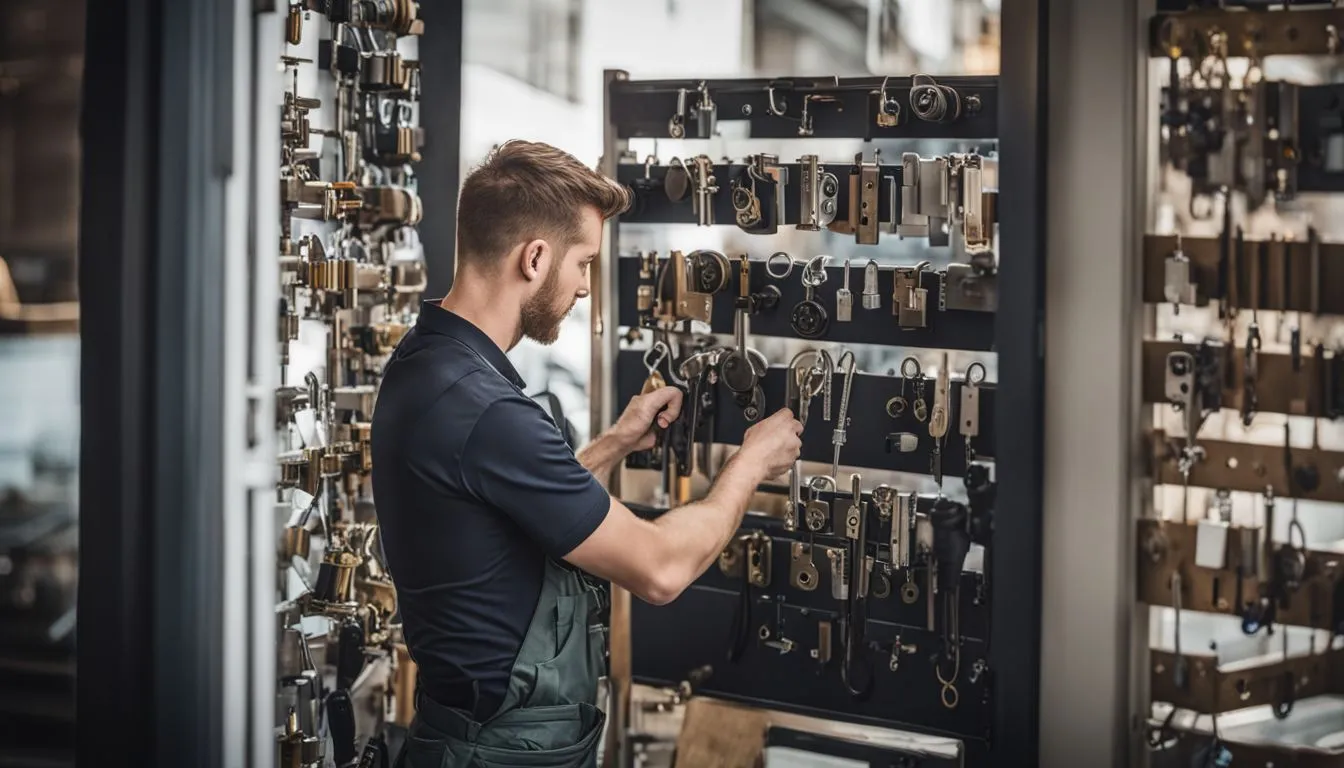
G’day fellow business owners, we all know the drill – finding a trustworthy way to tighten up security and keep our operations smooth as silk is top of the list. And you’re not alone; mate, over 30% of businesses reckon loss prevention is a fair dinkum headache.
Our guide’s packed to the rafters with all you need to know about locking brackets – they’re the unsung heroes when it comes to protecting what’s yours. So grab a cuppa and let’s get cracking on this journey that’ll have your assets locked down tighter than a kangaroo’s pouch!
Understanding Locking Brackets

Locking brackets play a crucial role in our security systems, providing the strength and robustness we need. They form the backbone of many types of lockdown mechanisms, securing everything from doors to trading equipment.
Grasping how these brackets function is essential for us to make informed decisions about their application in our businesses. Whether it’s preventing loss or ensuring cargo security, locking brackets are more than just metal pieces; they’re a sophisticated solution tailored for protection.
We often overlook these components until we truly need them to perform under pressure. A comprehensive understanding enables us not only to choose the right type but also to use them effectively, maximising their potential.
It’s all about knowing which bracket suits our specific needs, be it for agricultural hoses or retail solutions, and how they’ll contribute towards achieving our safety goals without compromising on efficiency or cost-effectiveness.
Let’s educate ourselves on the intricacies of locking brackets so that we can unlock their full potential and enhance security with confidence.
Key Components of Locking Brackets
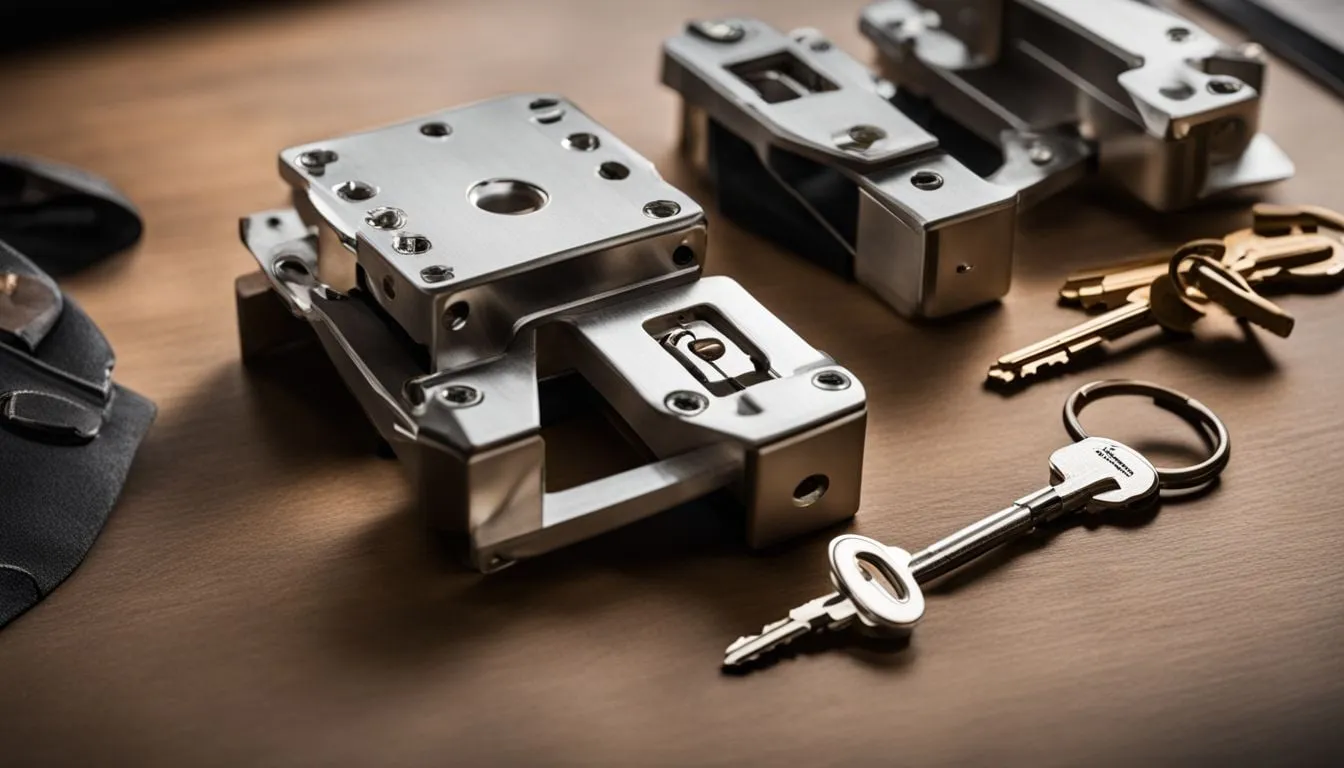
The key components of locking brackets include the brackets themselves, locks, keys, and doors. Each component plays a crucial role in ensuring the effectiveness and security of the locking system.
Understanding how these components work together is essential for maximising the potential of locking brackets.
Brackets
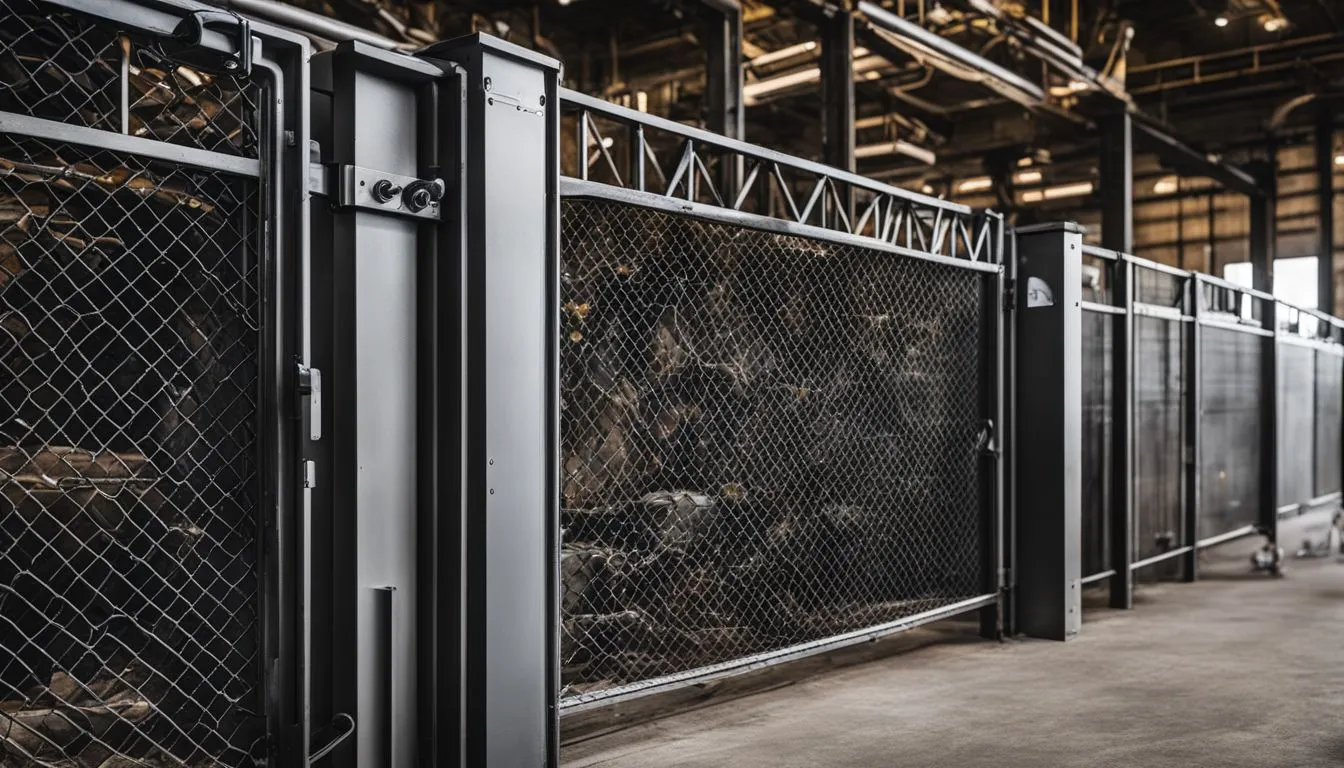
We understand that the heart of any locking bracket system lies in its brackets. These are not just ordinary pieces of metal; they serve as the fundamental base that holds everything securely in place.
Brackets come in diverse shapes and sizes, each engineered to fit specific locks and keys with precision. It’s crucial for them to select ones that match their security needs perfectly, whether it be for safeguarding valuable inventory or ensuring safety at their workplace.
Careful consideration goes into crafting robust brackets designed to withstand attempts at tampering or breaking. We focus on high-quality materials capable of enduring constant use and potential abuse without giving way.
Our business assets demand nothing less than the most dependable brackets available – a foundation we can trust to protect what matters most effectively.
Locks
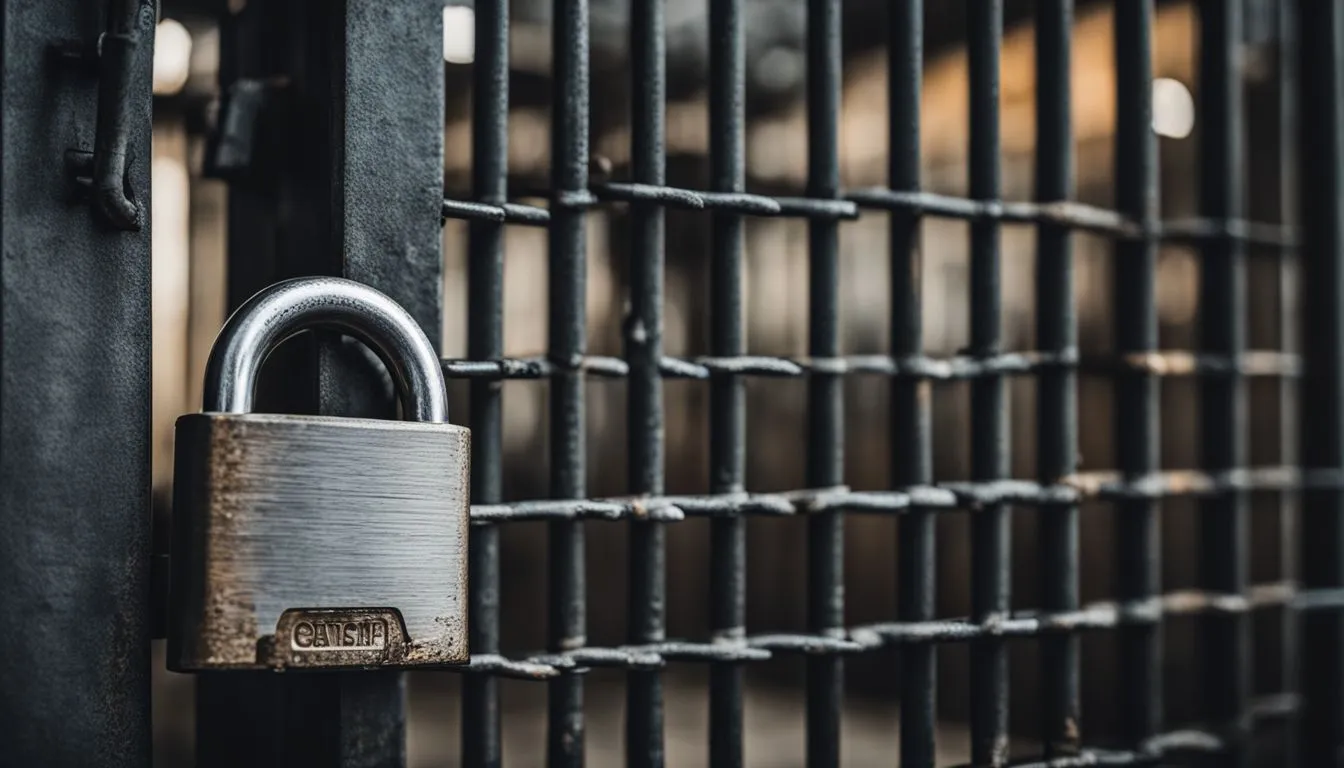
Locks are crucial for the secure functioning of locking brackets; they’re the guardians of your assets. Imagine them as steadfast sentinels, keeping watch over potential breaches in security.
We choose high-quality locks that withstand tampering and provide peace of mind in protecting sensitive information or valuable goods.
Our choices reflect our commitment to durability and reliability. Each lock integrates seamlessly with its bracket counterpart, forming an unbreakable bond against unauthorised access.
Clients trust us to recommend locks that offer superior protection while maintaining ease of use for authorised personnel. Trust is built on such robust security measures, ensuring business operations continue without disruption from theft or loss.
Keys
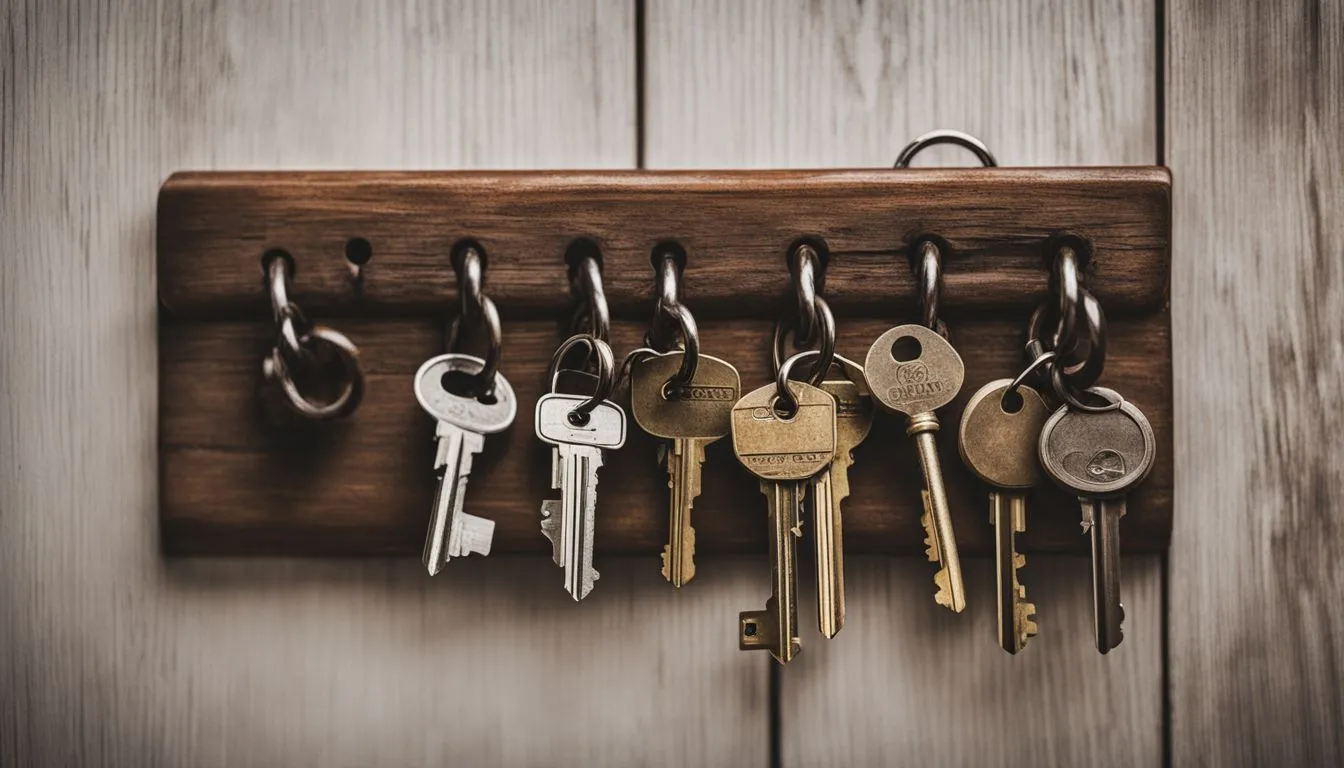
Keys are the crucial instruments that unlock the potential of your locking brackets. They act as guardians, granting access only to those you entrust with entry into secured areas.
In our hands, keys allow us to secure confidential information, protect valuable equipment, and limit access to designated zones. We understand their importance in maintaining a high-security environment within our businesses.
We must select keys that match perfectly with Locksafe's locks and brackets for uncompromised security. Ensuring they’re durable and resistant to tampering is also top on our list because it’s about safeguarding what matters most to us, our business assets and spaces.
Let’s manage these tiny yet mighty tools of security with care and intelligence so they serve us well day after day.
Doors
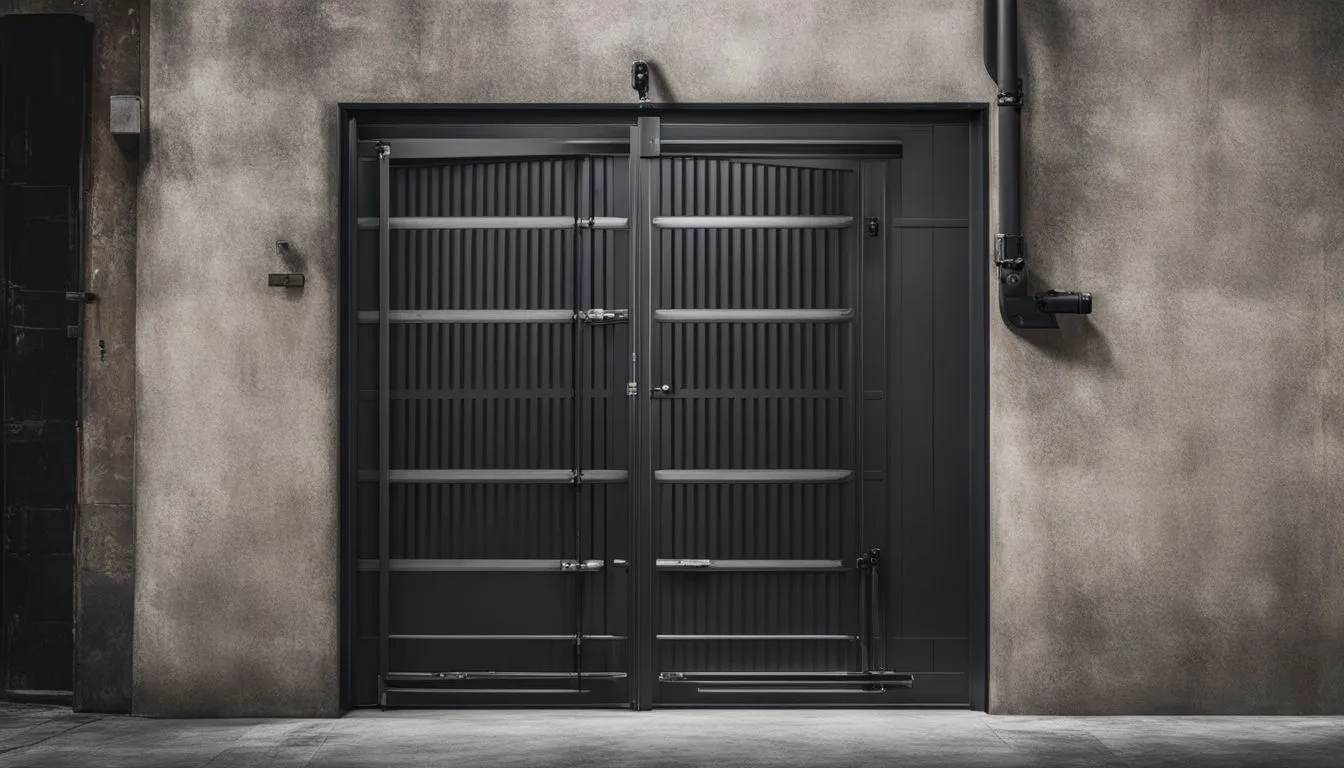
Turning from keys to doors, let’s focus on how they play a pivotal role in the effectiveness of locking brackets. Doors are the physical barriers we rely on for privacy, security, and control over access to our spaces.
In business settings, securing doors means protecting valuable assets and ensuring that only authorised individuals can enter specific areas.
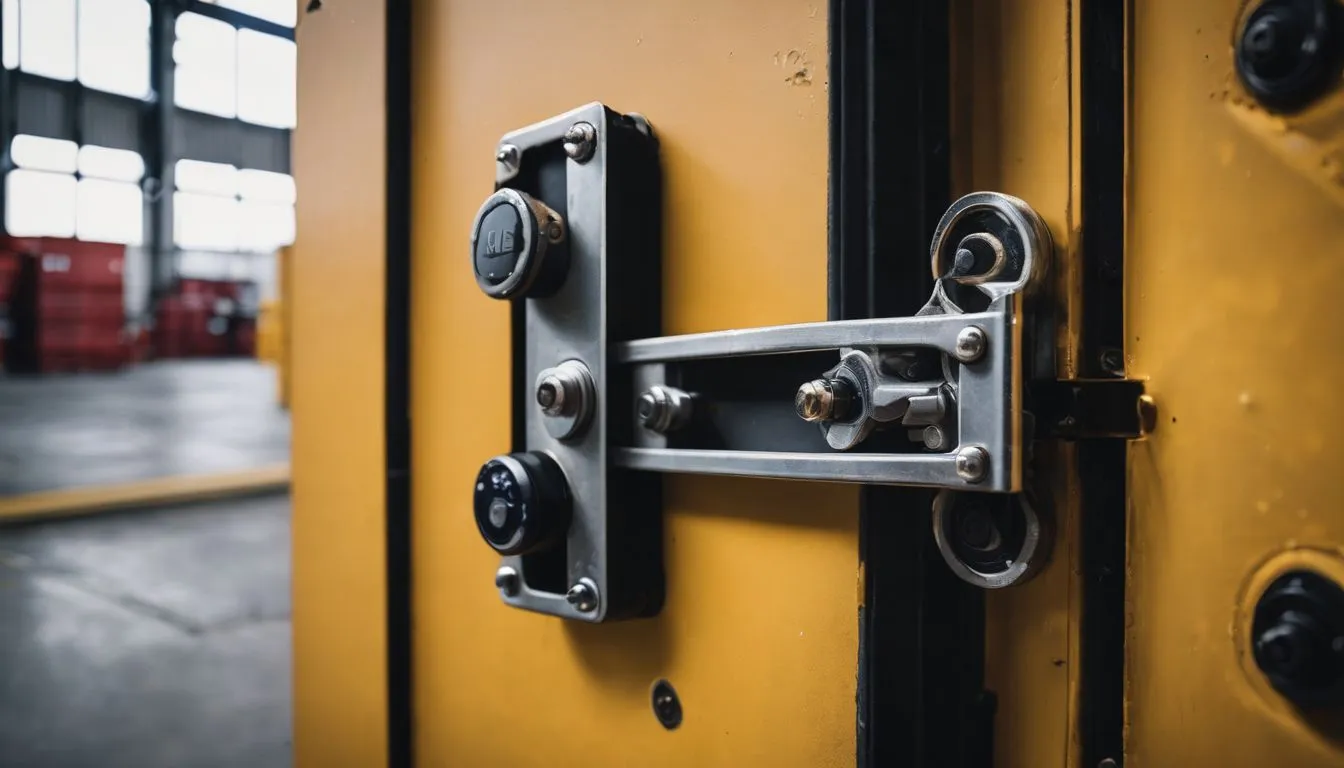
We install locking brackets on doors to maximise this control. Whether it’s a heavy steel door guarding a warehouse or a sleek glass entryway leading into an office building, these brackets add an extra layer of security.
They need to be strong enough to withstand force and versatile enough to accommodate different lock types. With proper installation, locking brackets transform any door into a robust barrier against unauthorised entry, giving us peace of mind knowing our businesses are secure.
Types of Locking Brackets
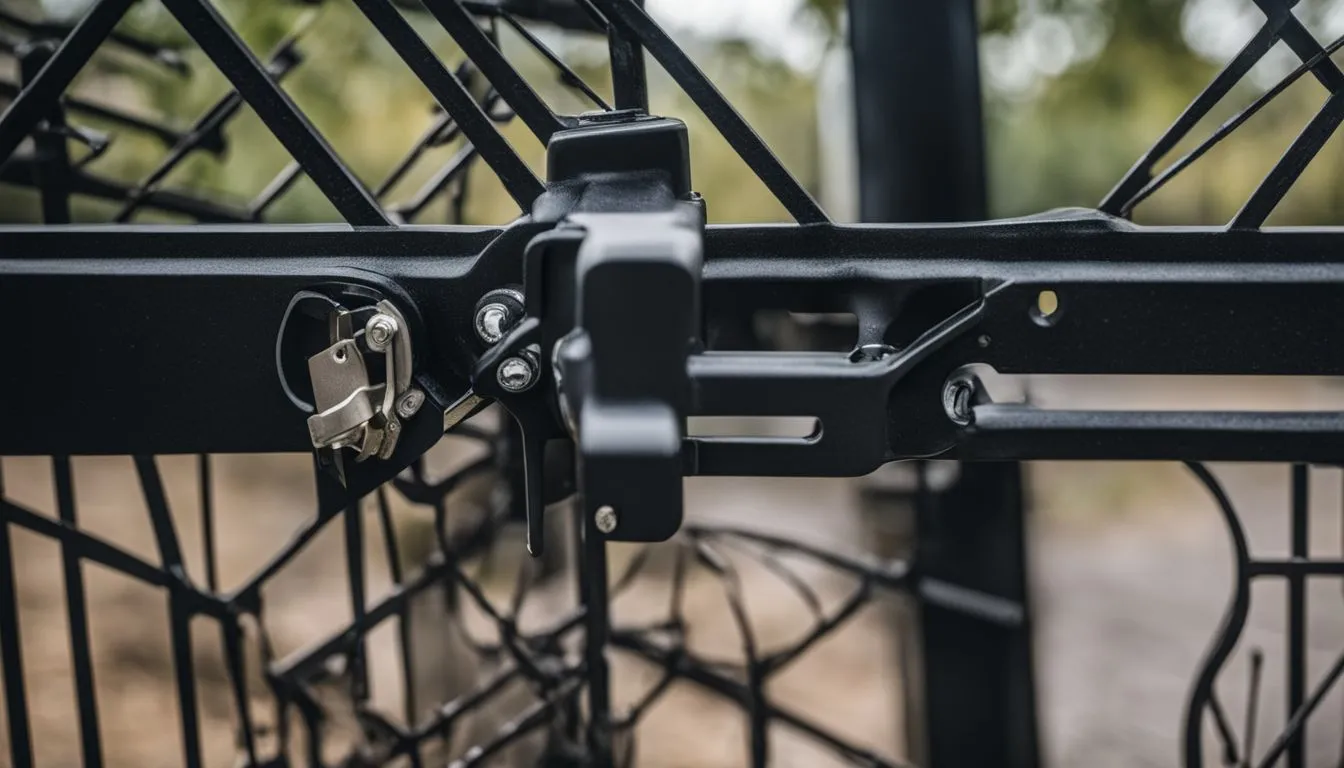
Locking brackets come in various shapes and sizes, each designed to maximise security and efficiency for different applications. Our straightforward slide bolt brackets offer a simple yet effective method to secure doors and gates with an easy-to-use sliding mechanism.
For locations needing extra strength, heavy-duty right-angle brackets provide robust protection, ensuring that valuable assets stay where they should.
Consider also the versatile cam-locking bracket system which is perfect for securing equipment cases or storage containers. These brackets are easily adjustable and can be reconfigured quickly to fit new uses or locations.
Whatever your needs may be, rest assured there’s a locking bracket out there built just for you – ready to safeguard your investments with unwavering reliability.
Potential Applications of Locking Brackets
- Secure display cases: We use locking brackets to prevent theft in retail environments, where valuable items need protection whilst on display.
- Construction sites: They help them lock down expensive tools and machinery, reducing the risk of loss or theft at construction areas.
- Schools and public buildings: Locking brackets are excellent for securing computers, projectors, and other equipment in place, ensuring these essential assets remain safe from tampering or theft.
- Transportation of goods: In our logistics operations, locking brackets ensure that cargo stays put during transit, greatly enhancing security measures against shifting or piracy.
- Outdoor fixtures: For businesses with outdoor displays or signs, we recommend locking brackets to protect against wind damage or unauthorised removal.
- Server rooms: They’re ideal for securing server racks and sensitive electronic equipment from unauthorised access in technology-heavy spaces.
- Office furniture: Locking brackets can be used by companies to anchor desks and filing cabinets to floors or walls for extra stability and security.
- Gymnasiums: In sporting facilities, they see locking brackets used to secure equipment when not in use. This helps in preventing misuse or movement during off-hours.
- Hospitals and healthcare facilities use these devices to lock medical equipment securely in place so it is always available yet safe from unintended interference.
- Industrial settings benefit from locking brackets as they allow them to fix heavy machinery parts during maintenance or when the machines are idle.
Benefits of Using Locking Brackets
Using locking brackets offers numerous advantages for businesses. They help in preventing unauthorised access, deterring theft and vandalism, and ensuring the security of valuable items. Additionally, they provide peace of mind by safeguarding assets around the clock.
- Enhances security measures by adding an extra layer of protection
- Minimises the risk of theft or tampering with valuable equipment
- Helps maintain a safe and organised work environment
- Provides reassurance for business owners regarding the protection of assets
- Offers flexibility to customise security solutions based on specific needs
Safety First: How Locking Brackets Ensure Workplace Security
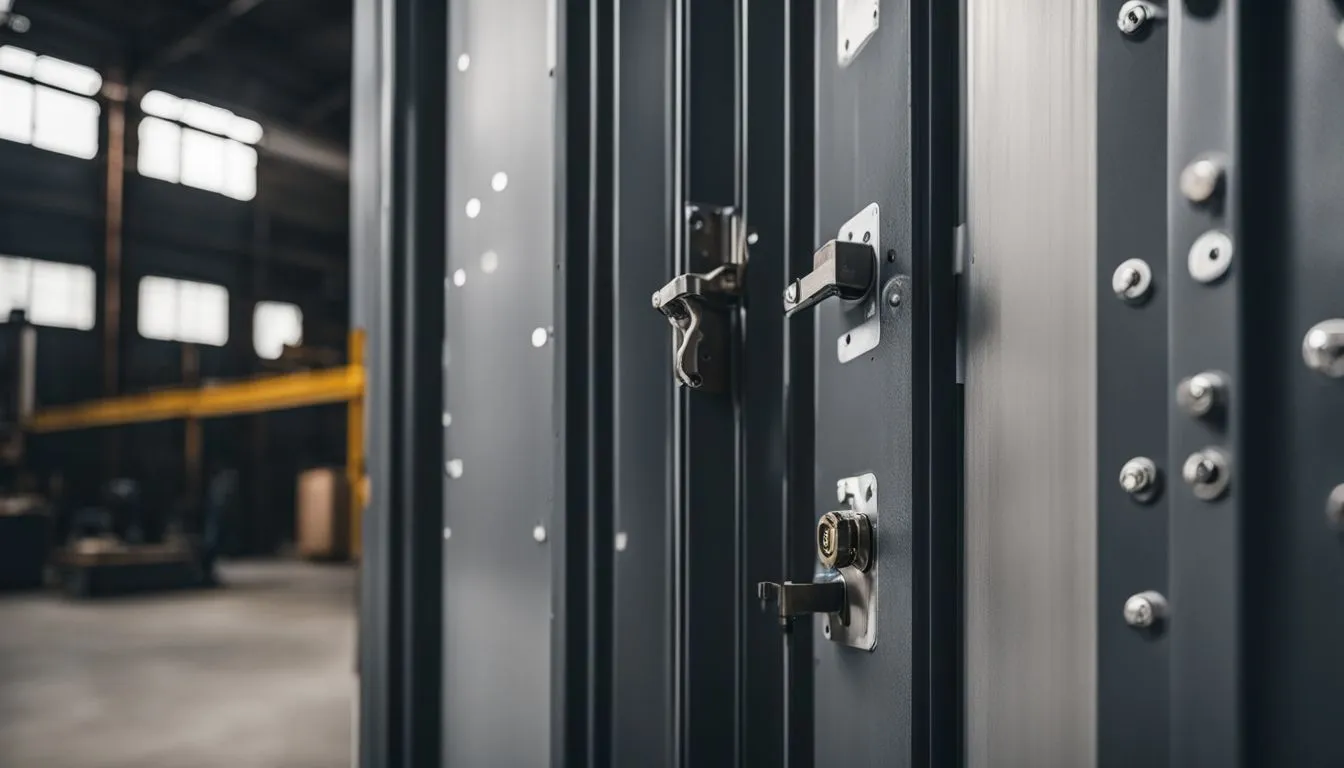
Locking brackets play a critical role in workplace security. By securing doors and gates with robust locking brackets, businesses can prevent unauthorised access, protecting valuable assets and ensuring the safety of employees and customers.
The use of locking brackets also serves as a powerful deterrent to potential intruders or trespassers, enhancing overall security measures within the premises.
Implementing locking brackets provides peace of mind for business owners while creating a secure environment conducive to productivity. With their sturdy construction and reliable locking mechanisms, these essential components significantly contribute to maintaining a safe workplace.
Moving on from workplace security considerations, let’s delve into setting up efficient locking brackets that suit your specific needs and requirements.
How to Set Up a Locking Bracket
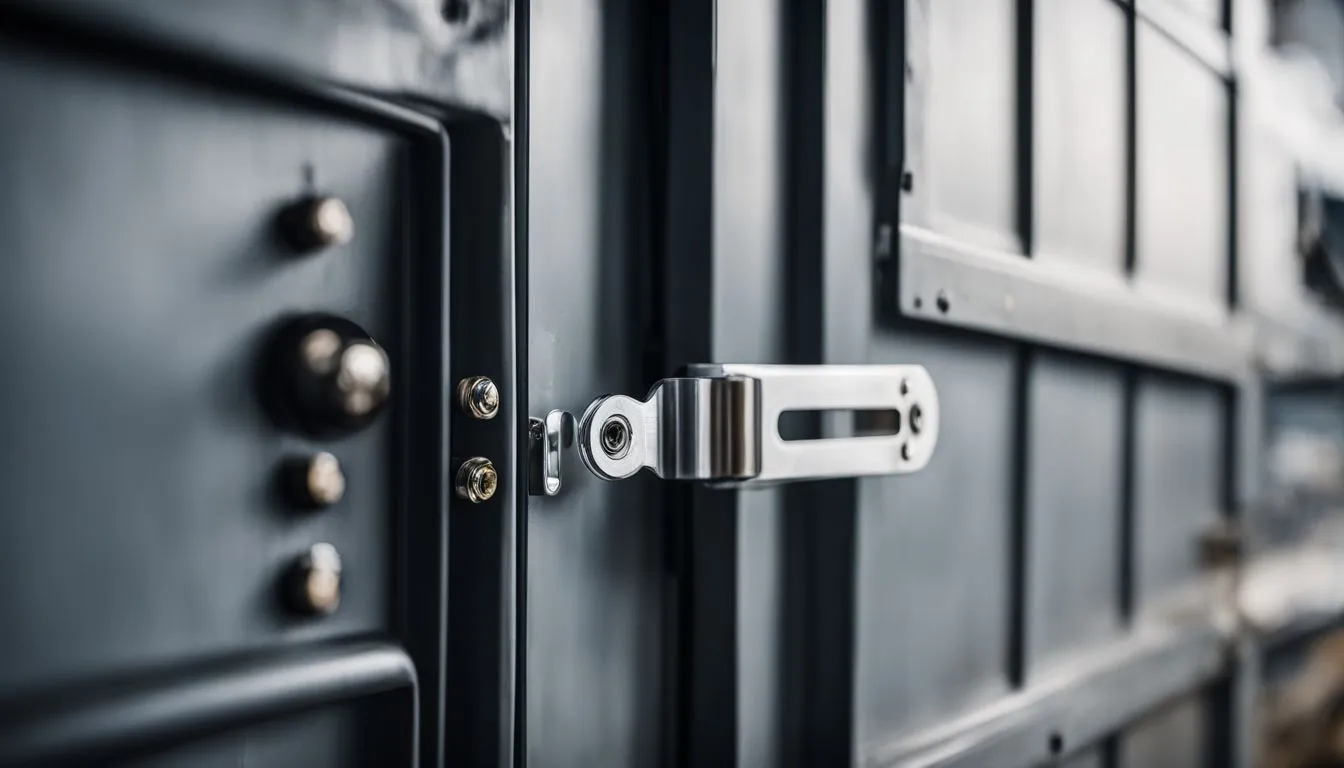
To set up a locking bracket, first, ensure the chosen location is suitable for installation and can provide maximum security. Then, follow these steps:
- Position the bracket securely on the designated surface using appropriate hardware or fasteners.
- Align the bracket to ensure smooth operation of the lock mechanism and proper engagement with the door or object it secures.
- Install the lock according to manufacturer’s instructions, ensuring it fits snugly into the bracket and functions smoothly.
- Test the locking mechanism and keys to verify their effectiveness and ease of use.
- Regularly inspect and maintain the locking bracket to ensure optimal performance over time.
Choosing the Right Locking Bracket

When it comes to choosing the right locking bracket, it’s crucial to understand your needs, consider your budget, research bracket specifications, and look for a reputable manufacturer.
Ready to unlock the full potential of locking brackets? Read on to learn more about selecting the perfect one for your business needs.
Understand Your Needs

To select the right locking bracket, we need to identify our specific requirements. Assessing the intended use and environment of the bracket will help us determine its features and functionalities.
We should consider factors such as size, material, durability, and level of security needed. This assessment ensures that we choose a locking bracket that perfectly matches our needs.
Business Owners can take into account their unique operational scenarios when deciding on the suitable locking brackets to secure valuable assets or spaces. Understanding our needs helps us make informed decisions and invest in locking brackets that provide optimal protection for our business.
Consider Your Budget
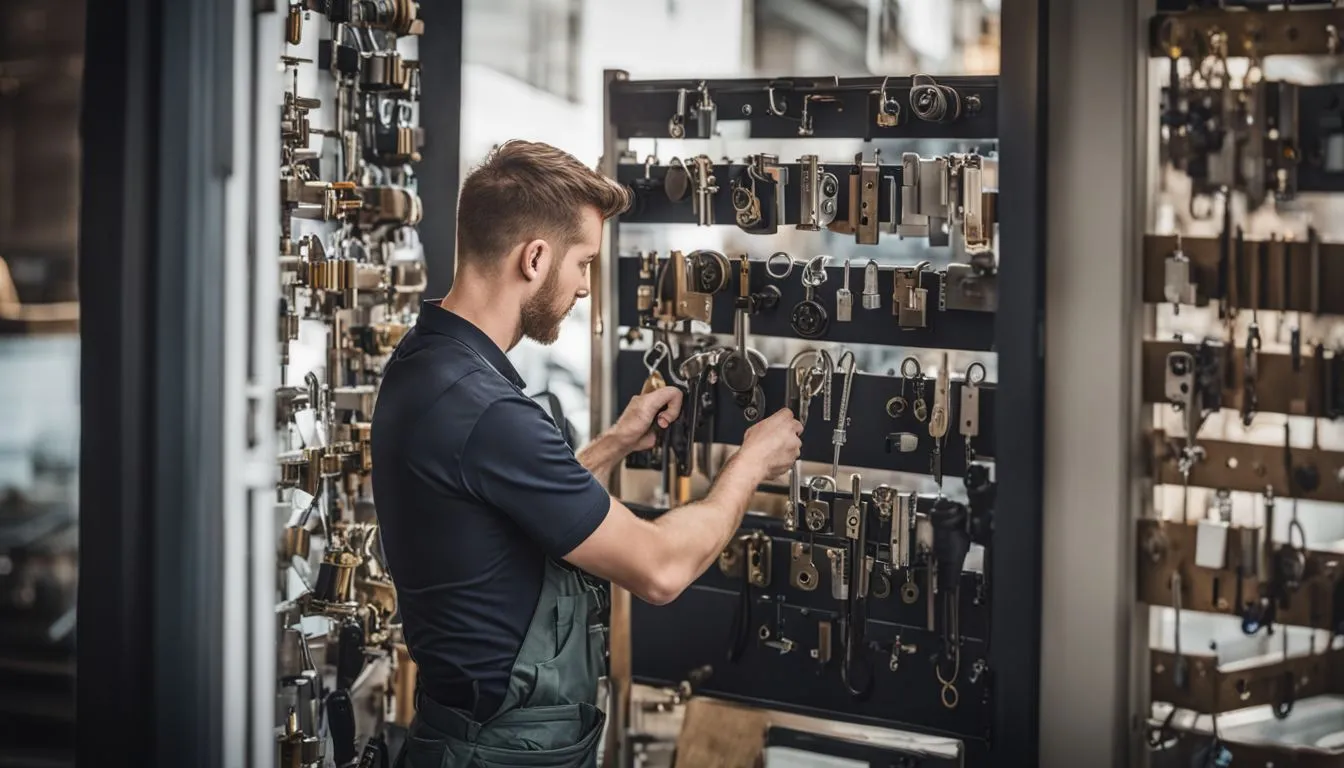
Evaluate your budget to determine the financial parameters for investing in locking brackets. Assessing your budget comprehensively is crucial as it allows you to make informed decisions on purchasing and setting up the right locking brackets that align with your financial capabilities.
Carefully analysing your budget will also help you avoid overspending or compromising the quality of the locking brackets required for your business needs.
Prioritise allocating resources wisely when considering various options within your budget, ensuring that you strike a balance between cost-effectiveness and meeting essential security requirements.
Research Bracket Specifications
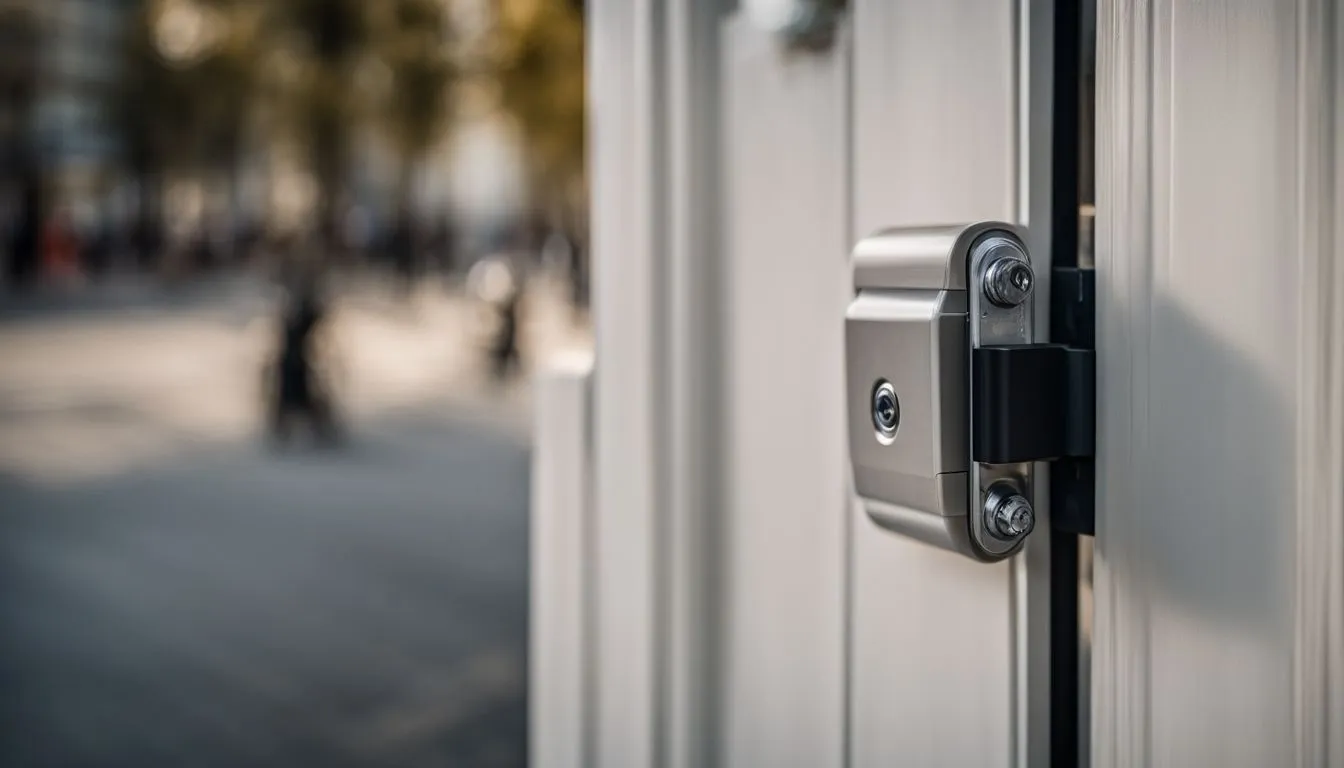
Let’s thoroughly research the specifications of locking brackets to ensure we choose the best ones for our needs. Evaluate the strength and material of the brackets, considering factors like durability and resistance to tampering.
Investigate different lock types and their security features, such as keyless entry options or pick-resistant mechanisms. Examine the compatibility between brackets and locks to guarantee a secure fit.
Look into door measurements to determine which bracket dimensions will work best. Check manufacturer specifications, ensuring they meet industry standards for quality and reliability.
Look for a Reputable Manufacturer
After thoroughly researching bracket specifications, the next crucial step in choosing the right locking bracket is to look for a reputable manufacturer. When selecting a manufacturer, consider their reputation within the industry and their track record of producing high-quality locking brackets.
It’s essential to prioritise manufacturers known for their reliability, durability, and commitment to safety standards. Look for companies with positive customer reviews and a history of delivering innovative solutions that meet your specific needs.
When considering potential manufacturers, take into account factors such as warranty options, technical support, and the availability of replacement parts. A manufacturer with excellent customer service can provide peace of mind and ensure any issues or concerns are promptly addressed.
Potential Issues and Solutions with Locking Brackets
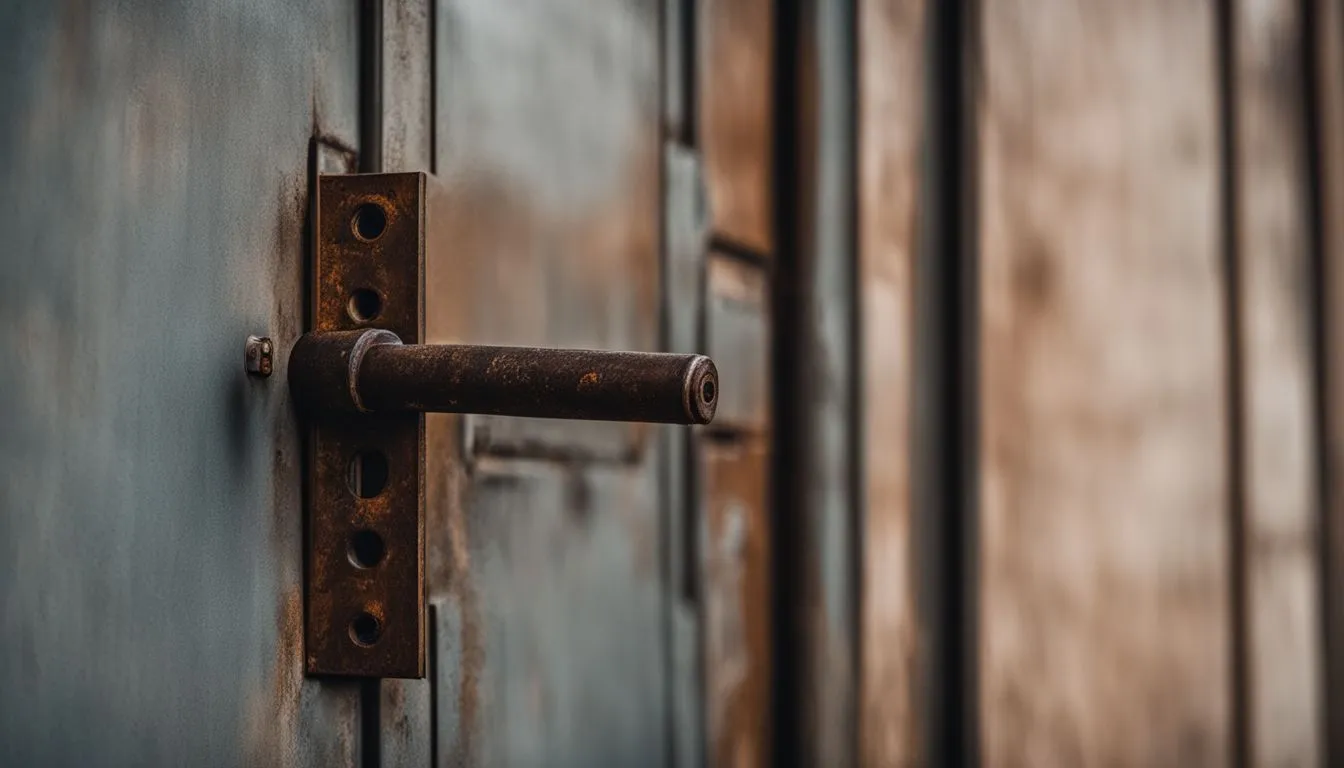
Locking brackets can pose challenges in certain situations, but with the right knowledge and approach, these issues are manageable. Here are some common issues along with their practical solutions:
- Difficulty in Locking: If you encounter difficulty locking the bracket, check for any obstructions or debris that may be hindering the locking mechanism. Regular maintenance and cleaning can help prevent this issue.
- Key Malfunctions: In case of key malfunctions, always have a spare key readily available. Consider using high-quality, durable keys to minimise the risk of breakage or malfunction.
- Rust and Corrosion: To address rust and corrosion on locking brackets, consider investing in stainless steel brackets which are resistant to rust. Implement a regular maintenance schedule to keep brackets clean and prevent corrosion.
- Security Concerns: If security is a concern, evaluate the strength and reliability of your current locking bracket system. Upgrading to more secure locks or adding additional reinforcements can enhance overall security.
- Incompatibility with Doors: Ensure that your locking bracket is compatible with various types of doors. Consider seeking expert advice if needed to find suitable solutions for specific door types.
- Weather Damage: Protect locking brackets from weather damage by installing weather-resistant covers or enclosures to shield them from the elements.
- Wear and Tear: Regularly inspect your locking brackets for signs of wear and tear such as loose components or structural damage. Promptly address any issues by repairing or replacing worn parts.
- Unauthorised Access: Mitigate the risk of unauthorised access by implementing strict access control measures and regularly changing locks and keys when necessary.
- Compatibility Issues: When integrating locking brackets with existing security systems, ensure compatibility to avoid operational issues or conflicts between different security components.
- Lack of Expertise: Invest in training for personnel responsible for maintaining and operating locking brackets to ensure they have the necessary expertise to handle any issues effectively.
Conclusion
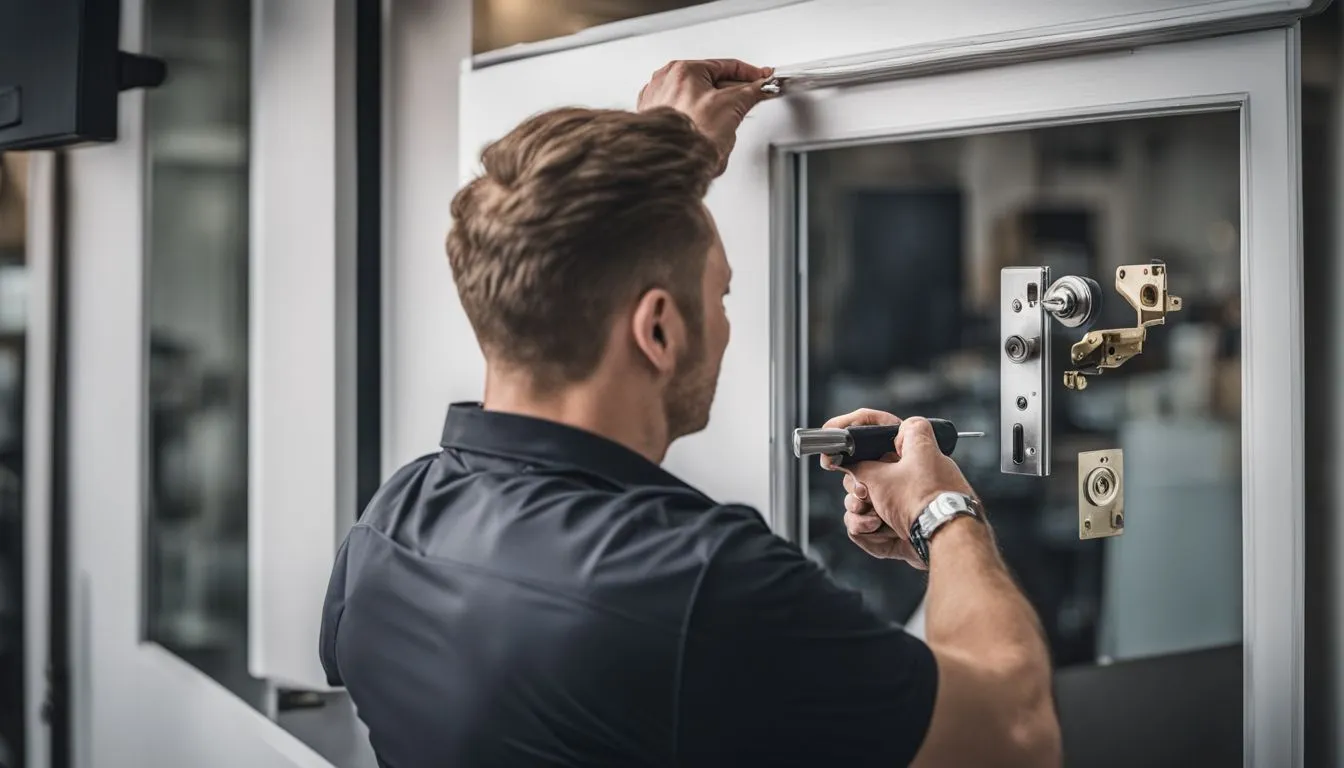
We’ve covered the essential components and types of locking brackets. You can now appreciate their potential applications and benefits in various settings. Are you ready to enhance workplace security with a well-installed locking bracket? Consider your needs, budget, and specifications when selecting the right one. By selecting a reputable manufacturer, you ensure quality and reliability. Ultimately, unlocking the potential of locking brackets is key to maximising safety and security within your business premises. Ensure your workplace is secure by exploring our in-depth guide on how locking brackets contribute to safety.
Sorting out lockout for your own site?
Describe what needs isolating and we'll help you work out the setup that fits.