


At work, keeping our mates safe is always at the top of the list. And let’s face it, we all want to head home in one piece at the end of the day. We reckon you feel exactly the same way about accidents on site – they’re a real worry and stopping them before they happen is just common sense.
Just like you, we’ve been around this particular block; did you know that by sticking to solid lockout/tagout (LOTO) practices we can dodge some serious mishaps? It’s true – these procedures are dead-set lifesavers, potentially preventing up to 120 deaths and avoiding 50,000 injuries each year.
Our nifty insights into lockout safety locks offer top-notch tactics so your crew can stay clear of any sticky situations.
Keen to crack on with safer workdays? Then keep reading for tips on locking down everyone’s well-being!
Understanding Lockout/Tagout (LOTO)

Lockout/Tagout (LOTO) is a safety procedure used to ensure that dangerous machines are properly shut off and not started up again prior to the completion of maintenance or servicing work.
It involves isolating energy sources and using locks or tags to prevent the release of hazardous energy while work is being conducted. HSE has set strict standards for LOTO procedures in order to protect workers from workplace hazards, with some exceptions depending on specific circumstances.
Definition and Importance

Lockout/Tagout, often abbreviated as LOTO, is a safety procedure which ensures that dangerous machines are properly shut off and not able to be started up again prior to the completion of maintenance or repair work.
It involves placing a lock and tag on an energy isolation device so that the power source cannot be turned on. This process is crucial for preventing accidental startup of machinery, guarding against release of hazardous energy, and ensuring worker safety.
Understanding the importance of LOTO procedures helps us keep our team members safe from harm while they perform their duties. These measures aren’t just recommendations; they’re life-saving practices backed by OSHA standards designed to protect workers from injury caused by unexpected energisation or startup of equipment, or the release of stored energy within the machines we rely on each day.
We make it our mission to prioritise these safety locks and isolation procedures, because maintaining a secure work environment isn’t optional, it’s essential for every business owner who values their employees’ well-being and strives for excellence in workplace safety.
OSHA Standards and Exceptions
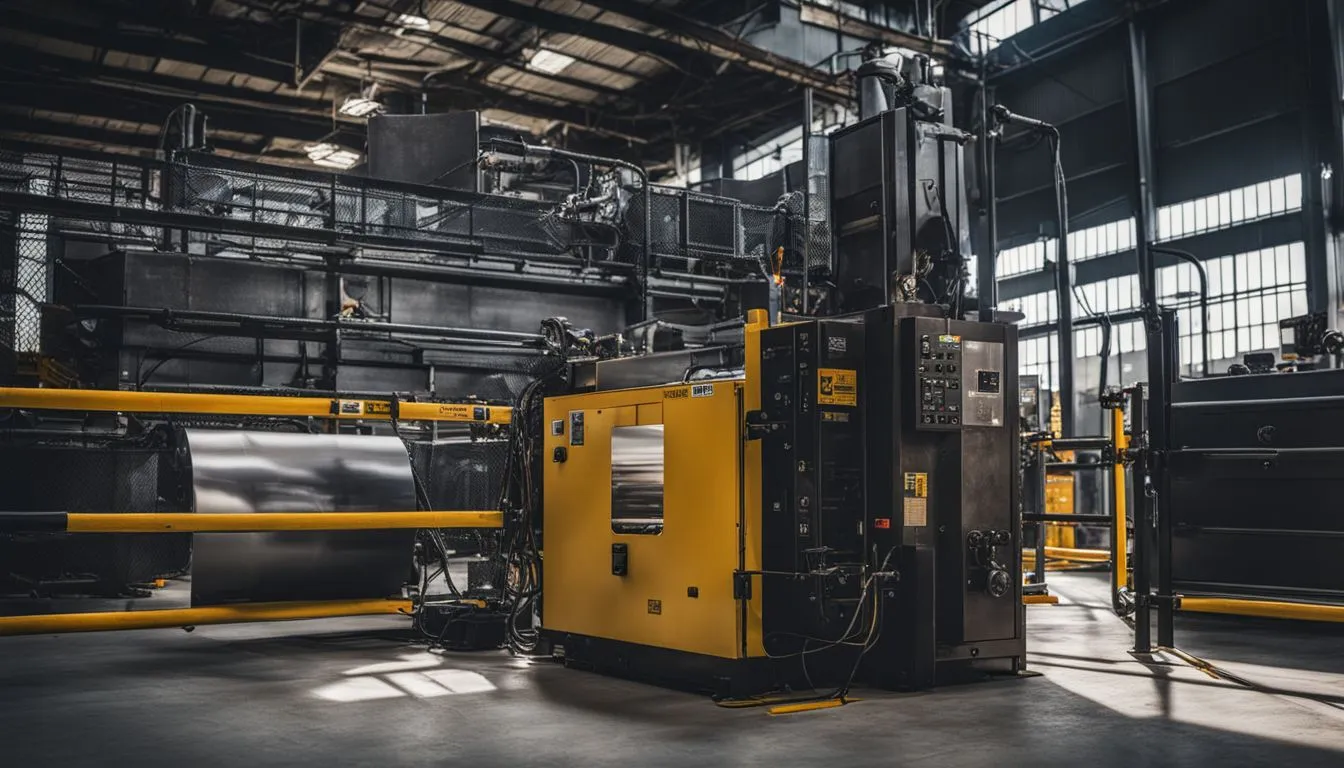
Understanding the critical nature of lockout/tagout procedures, it’s essential we turn our attention to the Occupational Safety and Health Administration (OSHA) standards which govern them.
These regulations are not only comprehensive but also mandatory, designed to protect workers from hazardous energy during service and maintenance activities. OSHA’s guidelines require that all sources of energy must be effectively isolated and rendered inoperative before any repair or servicing begins.
This ensures that the accidental release of stored energy doesn’t lead to injuries or fatalities.
There are specific scenarios where deviations from these rules are permissible, setting certain exceptions within this framework. For instance, if an alternative method can provide equal or greater safety for employees than traditional lockout/tagout practices would offer – such as when machine design makes it impossible to lock out – OSHA may allow for tailored variations.
Yet these exceptions come with strict evaluation criteria; every new approach must be thoroughly assessed for its efficacy in maintaining – or enhancing – workplace safety before implementation is approved.
Key Components and Devices of Lockout Safety Locks
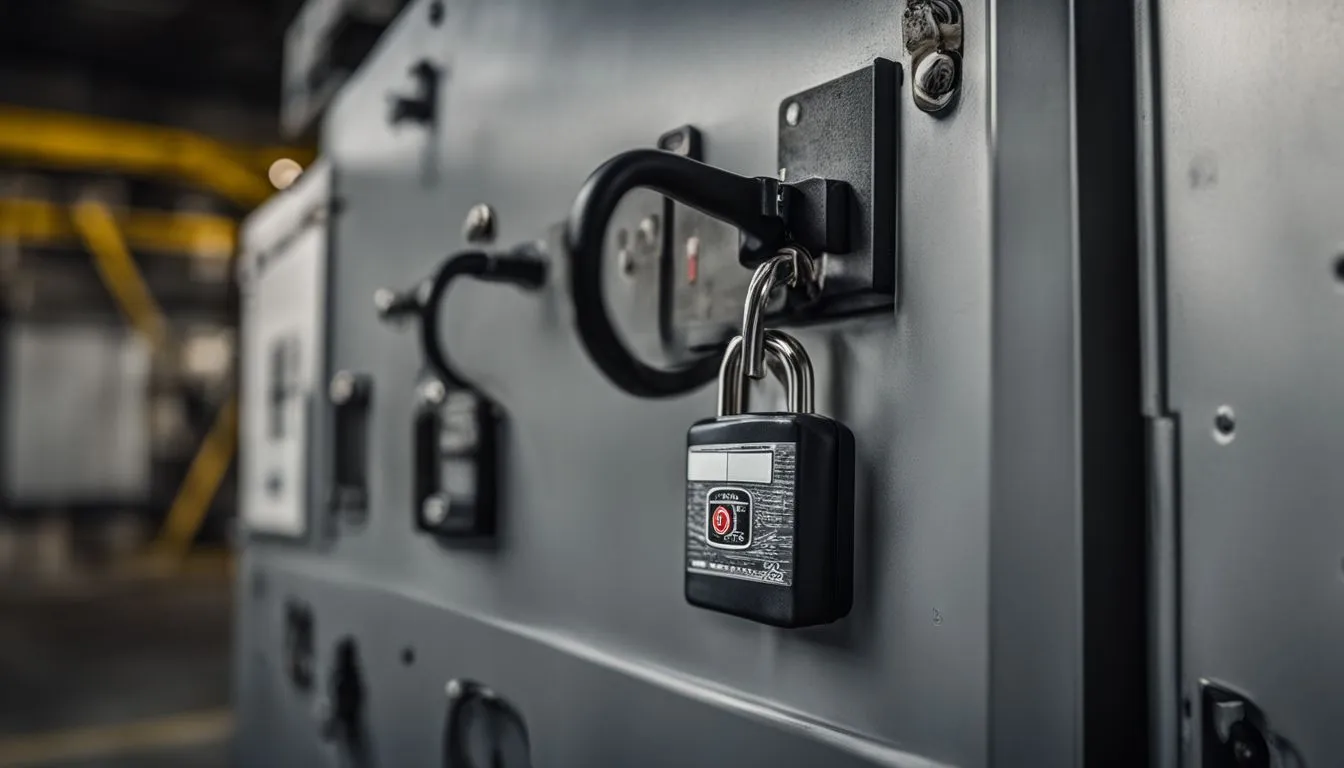
The key components of lockout safety locks include energy isolating devices and specific lockout and tagout devices, both essential for preventing hazardous energy release during maintenance or servicing.
Understanding these crucial components is vital in ensuring workplace safety and mitigating potential risks.
Energy Isolating Devices

Energy isolating devices are integral to lockout/tagout procedures, providing a physical barrier that keeps energy sources switched off during maintenance or repair. These robust tools come in various forms, including valve lockouts for fluids and gases and circuit breaker lockouts for electrical systems.
They serve one vital purpose: to prevent the accidental release of hazardous energy that could cause injury or even fatality.
We understand their critical role in safeguarding employees from unexpected startups or releases of stored energy. Locks, chains, wedges, key blocks, all function as sentinels at isolation points.
Ensuring these devices are durable and compatible with specific equipment is our top priority because worker safety hinges on the reliability of these mechanisms. With proper use and routine inspections, these devices stand as guardians against workplace hazards while maintaining compliance with HSE standards for industrial safety.
Lockout and Tagout Devices
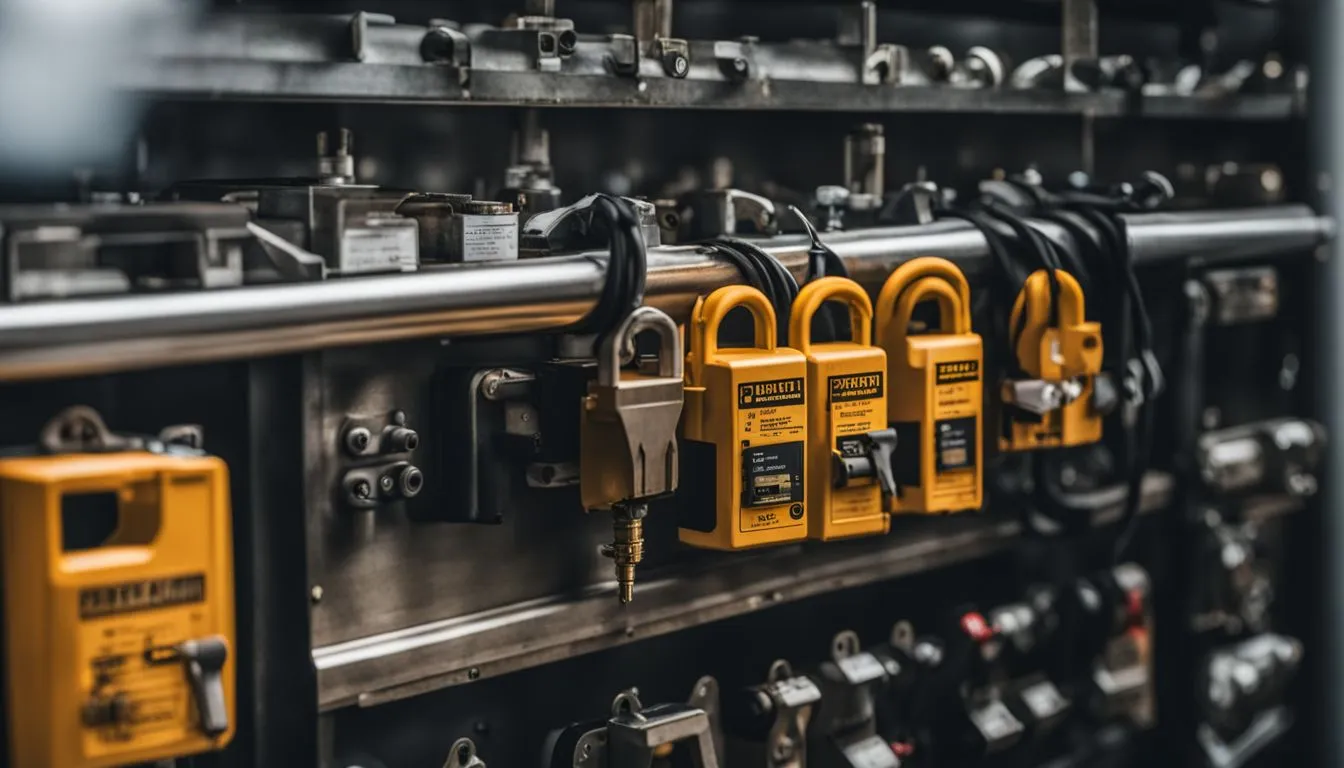
Lockout and tagout devices are the gatekeepers that prevent unexpected energy surges during maintenance. They come in various shapes and sizes but share one common goal: keeping workers safe from harm.
Our toolkit includes padlocks specifically designed for lockout procedures, ensuring that only authorised individuals have access to keying systems. These safety locks are robust and tamper-proof, offering peace of mind that a machine will stay off until the job is done.
Tagout devices add an extra layer of information by attaching warning tags to lockout points. They alert everyone on-site about ongoing maintenance or potential hazards associated with equipment.
Practical and straightforward, these tags must be durable enough to withstand industrial environments while retaining critical details about isolation procedures. We trust them as visual reminders for our teams; they signal caution and help maintain focus on workplace safety priorities without fail.
The Unsung Heroes of Workplace Safety: Lockout Safety Locks

Lockout safety locks stand guard on the frontline of industrial safety, shunning accolades as they protect our team from harm. These sturdy devices clamp down on energy sources with unyielding resolve, making sure that machines stay off when maintenance steps into the hazard zone.
We rely on them to shield workers from unexpected start-ups and the dangers lurking within complex equipment.
We harness these silent guardians by affixing them to isolation points before a tool or machine part can become a threat. With key control and proper lockout training, we empower every member of our workforce to put their own safety first.
This isn’t just about following lockout guidelines; it’s about fostering a culture where each person holds the key to safeguarding lives and livelihoods daily.
Types and Usage of Lockout Hasps

Lockout hasps come in a variety of materials and features, each serving different purposes. Understanding the steps for proper use is crucial to ensuring optimal safety in the workplace.
Materials and Features
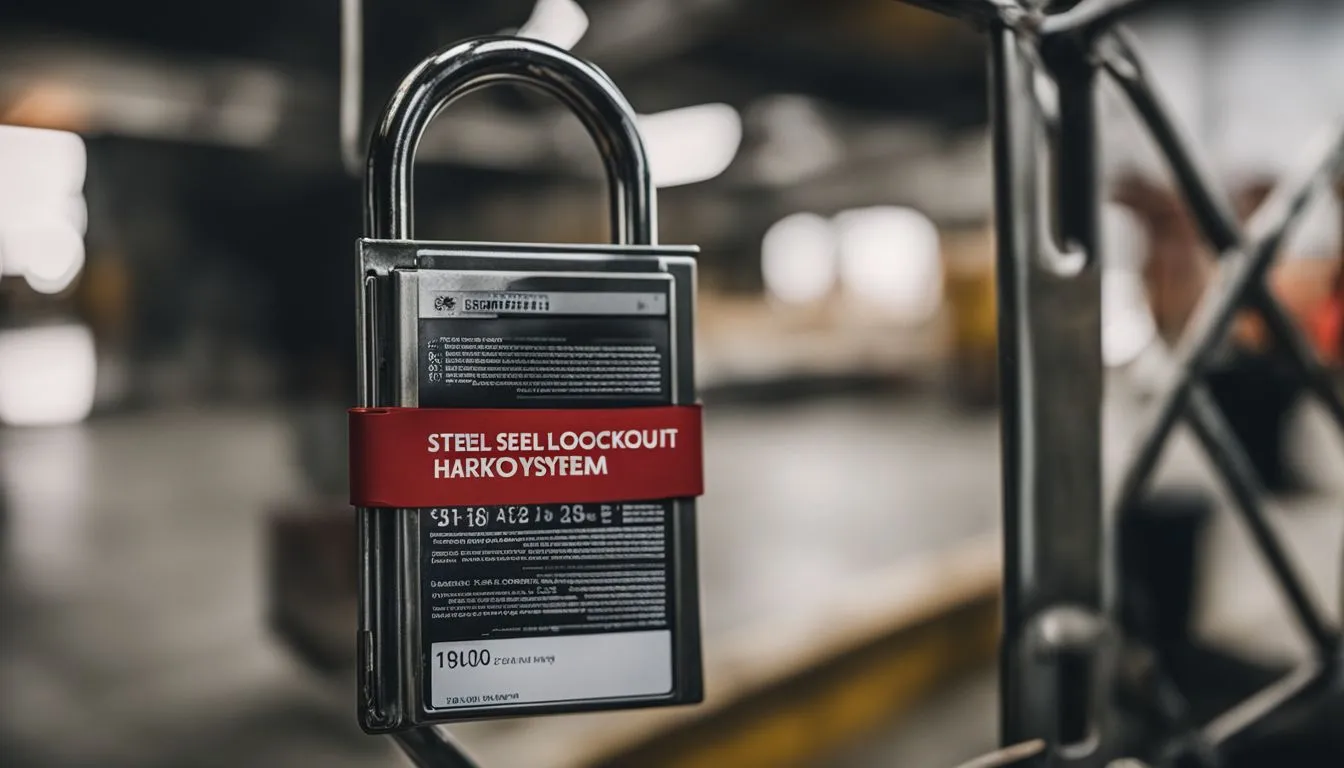
Materials for lockout hasps come in a variety of durable forms to withstand the rigours of industrial environments. We see metals like steel or aluminium used frequently, as they offer robustness and resistance against corrosion, crucial in areas prone to moisture or chemicals.
Some locks feature non-conductive materials such as nylon or plastic, providing an additional layer of safety by preventing electrical conductivity when working with live circuits.
Features are tailored to meet diverse needs across different workplace scenarios. Some safety locks boast unique keying systems that prevent accidental unlocking by unauthorised individuals, enhancing security management within facilities.
Others include write-on labels for clear identification, vital for maintaining effective communication during isolation procedures. These practical designs ensure that our energy isolation practices uphold stringent occupational safety standards while simplifying hazard prevention processes.
Steps for Proper Use

Having explored the various materials and features of lockout hasps, we now turn our attention to how they should be employed to ensure maximum safety. Proper use is crucial; it’s not just about having the right tools but knowing how to use them effectively.
- Identify all energy isolation points for the equipment needing maintenance. This step prevents unexpected startups by cutting power at the source.
- Notify all affected employees that a lockout/tagout procedure is about to begin. Clear communication minimises misunderstandings and enhances safety measures.
- Shut down the machinery or equipment, following the manufacturer’s instructions or company protocols, to avoid any dangerous conditions.
- Isolate the energy sources by applying appropriate energy – isolating devices, such as circuit breakers or valve covers.
- Lock each isolation point with a designated safety lock, ensuring that no one but you has access to the keying systems for these padlocks.
- Attach a tagout device with your name, contact information, and a warning label that clearly shows an ongoing maintenance process is in place.
- Verify that all stored energy is dissipated or restrained; this could mean bleeding lines or blocking parts from moving unexpectedly.
- Perform a try-out by attempting to start up the equipment with controls to confirm that it will not operate while in locked-out mode.
- Proceed with necessary repairs or maintenance tasks only after completing these isolation procedures to safeguard against workplace hazards effectively.
Ensuring Safety with Lockout Procedures

When it comes to lockout procedures, using standardisation and organising with colour-coding and labelling can make a significant difference in workplace safety. These methods help ensure that proper isolation and locking procedures are followed consistently, reducing the risk of potential hazards.
Using Standardisation

Standardisation is crucial in ensuring uniformity and consistency within lockout procedures. By implementing standardisation, businesses can streamline and simplify their lockout processes, enhancing efficiency and reducing the risk of errors. Here are the key aspects of using standardisation in lockout safety practices:
- Implementing Clear and Comprehensive Procedures: Establishing clear, step-by-step procedures for lockout processes helps to ensure that all employees follow the same guidelines. This minimises confusion and reduces the likelihood of oversight.
- Standardising Lockout Devices: Consistent use of specific types of lockout devices, such as padlocks or hasps, ensures that all equipment across the facility is secured in a uniform manner. This eliminates variability and enhances overall safety.
- Training and Communication Standards: Standardising lockout training programmes and communication protocols helps to ensure that all employees are equipped with the same level of knowledge and understanding regarding lockout procedures.
- Documentation Standardisation: Standardised documentation for lockout procedures, including forms, checklists, and tags, facilitates easy tracking, auditing, and compliance verification.
- Cross-Functional Collaboration Standardisation: Encouraging consistent collaboration between different departments or teams involved in lockout activities promotes cohesion and a shared understanding of safety protocols across the organisation.
- Regular Review and Improvement: Establishing standardised processes for reviewing and improving lockout procedures on a regular basis ensures that safety measures remain up to date with industry standards.
- Compliance Monitoring Standards: Implementing consistent methods for monitoring compliance with lockout procedures helps to guarantee that all employees adhere to established safety guidelines at all times.
Organising with Colour-Coding and Labeling
- Enhances Visibility: Colour-coding helps workers quickly identify the type of energy source being isolated, reducing errors and potential hazards.
- Facilitates Compliance: Clearly labelled locks aid in complying with OSHA standards, ensuring that equipment isolation points are easily discernible during inspections.
- Prevents Misuse: Each department or work area can be assigned specific colours, preventing the inadvertent use of a lock meant for a different machine or section.
- Improves Communication: Visual cues through colour-coding and clear labelling facilitate effective communication regarding locked-out equipment among team members.
- Supports Training Efforts: Consistent colour-coding and labelling practices simplify training on lockout procedures, promoting safe usage across various job roles.
Conclusion

In conclusion, we’ve explored the crucial components and devices of lockout safety locks, emphasising their practicality and role as workplace heroes. Have you considered implementing standardisation and colour-coding in your lockout procedures to enhance efficiency? Mastering these strategies can lead to significant improvements in workplace safety.
Looking for further reading or guidance on this topic? Consider exploring key resources that delve deeper into lockout safety measures. Ultimately, by applying these techniques, you’ll be taking proactive steps towards ensuring a safer work environment for everyone.
Sorting out lockout for your own site?
Describe what needs isolating and we'll help you work out the setup that fits.