

Ensuring our workplaces are safe can feel like a never-ending jigsaw, with all of us trying to piece together the bits that’ll keep our mates out of harm’s way. We know the drill; you’re up to your elbows in rules and guidelines, doing your best to make sure everyone on the team is looked after – and here’s a corker for you: sticking to OSHA standards has been shown to dodge around 250,000 sticky situations each year! Our comprehensive yarn about Lockout Safety Locks cuts through the confusion, giving you the nitty-gritty so you can nip workplace hazards in the bud.
So go on, have a read and breathe easy knowing your operations are as safe as houses.
Understanding Lockout Safety Locks

Lockout safety locks are essential in preventing unexpected machine start-ups and ensuring the safety of workers. They comply with OSHA standards and are a crucial component of any comprehensive lockout/tagout procedure.
Definition
A lockout safety lock is a specialised device used to prevent the accidental startup or release of hazardous energy while equipment is being serviced or maintained. These locks hold energy isolation devices in a safe position, ensuring that machinery remains completely shut off and cannot be started up again until maintenance work is completed and the locks are removed by authorised personnel.
We understand these tools as essential parts of any safety lockout procedure. They safeguard workers from harm by securing machines against unexpected energisation or the release of stored energy.
It’s our responsibility as business owners to implement strict policies using these locks effectively, guaranteeing workplace safety and compliance with occupational health regulations.
OSHA Standard

OSHA Standard
They understand that adhering to OSHA’s standard for control of hazardous energy (lockout/tagout) is crucial in maintaining a safe workspace, specifically when dealing with machinery shutdowns and equipment maintenance.
This regulation, referred to as the 29 CFR 1910.147, spells out requirements for a comprehensive safety lockout procedure, which is designed to protect employees from unexpected energisation or startup of machinery and equipment, or the release of hazardous energy during service or maintenance activities.
Our responsibility involves implementing these guidelines diligently across our operations. We ensure that every employee understands how to effectively isolate energy sources using appropriate lockout devices and follow a set schedule of routine checks on all implemented safety measures.
Energy isolation isn’t just about following rules; it’s about creating an environment where workplace hazards are minimised and every member feels secure knowing that risk management protocols are in place to shield them from harm while they perform their duties.
Key Components of a Comprehensive Lockout Tagout Procedure
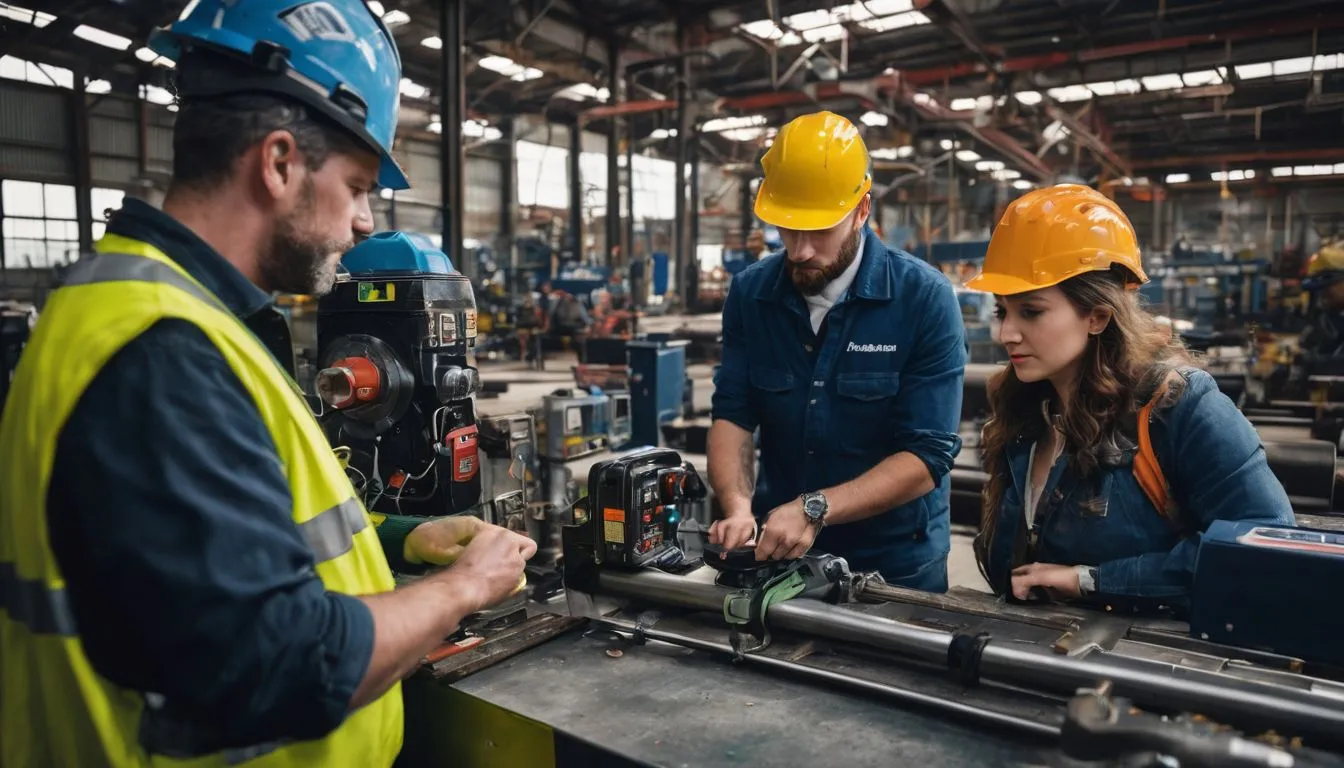
Ensure proper preparation, shut down, isolation, lockout/tagout procedures, stored energy checks, and verification processes are followed to effectively control hazardous energy during maintenance or servicing of equipment.
Preparation

Preparing for a lockout/tagout procedure is critical to safeguarding our workplace from unnecessary risks associated with hazardous energy. They identify all the power sources connected to machinery, including electrical, mechanical, hydraulic, and pneumatic systems.
It’s essential that we gather accurate information about the equipment and its energy sources because this will guide us in selecting the correct lockout devices to control these energies effectively.
We then inform all relevant personnel that a shutdown is imminent and make sure everyone understands their roles during this phase. Detailed documentation of each step prepares us for smooth execution and ensures compliance with safety regulations.
This sets the stage properly before moving into the next phase: shutting down equipment safely and methodically.
Shut Down
Having covered the preparation steps, let’s move directly into the shutdown process, a critical phase in our safety lockout procedure. They turn off machinery and equipment following specific protocols to ensure everyone’s safety.
The goal is to halt all operations smoothly without causing unexpected incidents or additional hazards.
We make it a priority to inform all affected employees before initiating the shutdown. Our team follows a structured sequence of actions tailored for each piece of equipment, guaranteeing we’re not just flipping switches randomly but systematically securing the workplace from potential risks.
It’s crucial that this step be executed with precision and care; there’s no room for shortcuts when it comes to safeguarding our colleagues and business from harm due to improper machine isolation.
Isolation
Isolating machinery is a crucial step in the lockout/tagout process. We ensure that all energy sources are fully disconnected and secured so no unwanted energy can reach the equipment during maintenance or repair work.
This isn’t just about flicking off switches; it means physically blocking or detaching power connections, be they electrical, hydraulic, pneumatic, or mechanical. It’s an essential safety measure that prevents accidents and protects our team from harm.
We apply safety locks and tags to each isolated point as visual cues for everyone in the workplace. Each signal tells fellow workers that the machine is out of bounds until further notice.
These steps aren’t merely for compliance with occupational safety and health regulations, they’re about creating a safer environment where risks of injury are minimised. With meticulous isolation practice comes peace of mind knowing we’ve taken concrete steps to control hazards in our workplace.
Lockout/Tagout

Lockout/Tagout acts as a critical safeguard in their workplace, protecting employees from the unexpected start-up of machinery and equipment during maintenance or repair work. This stage demands meticulous attention – we secure isolation points using padlocks and clearly labeled tags to indicate that machines are not to be operated.
Each lock and tag carries specific information about the service being performed and details about who has authorised the lockout.
We enforce strict adherence to our safety lockout procedure, ensuring every team member knows their role in this process. Locks and tags must remain in place until everyone agrees that work is complete, checking all tools have been removed, guards replaced, and safety measures reactivated.
It’s our commitment that no one tries to restart any piece of equipment before it’s confirmed safe by those involved in its maintenance or repair – no exceptions allowed for shortcuts or oversights.
Stored Energy Check
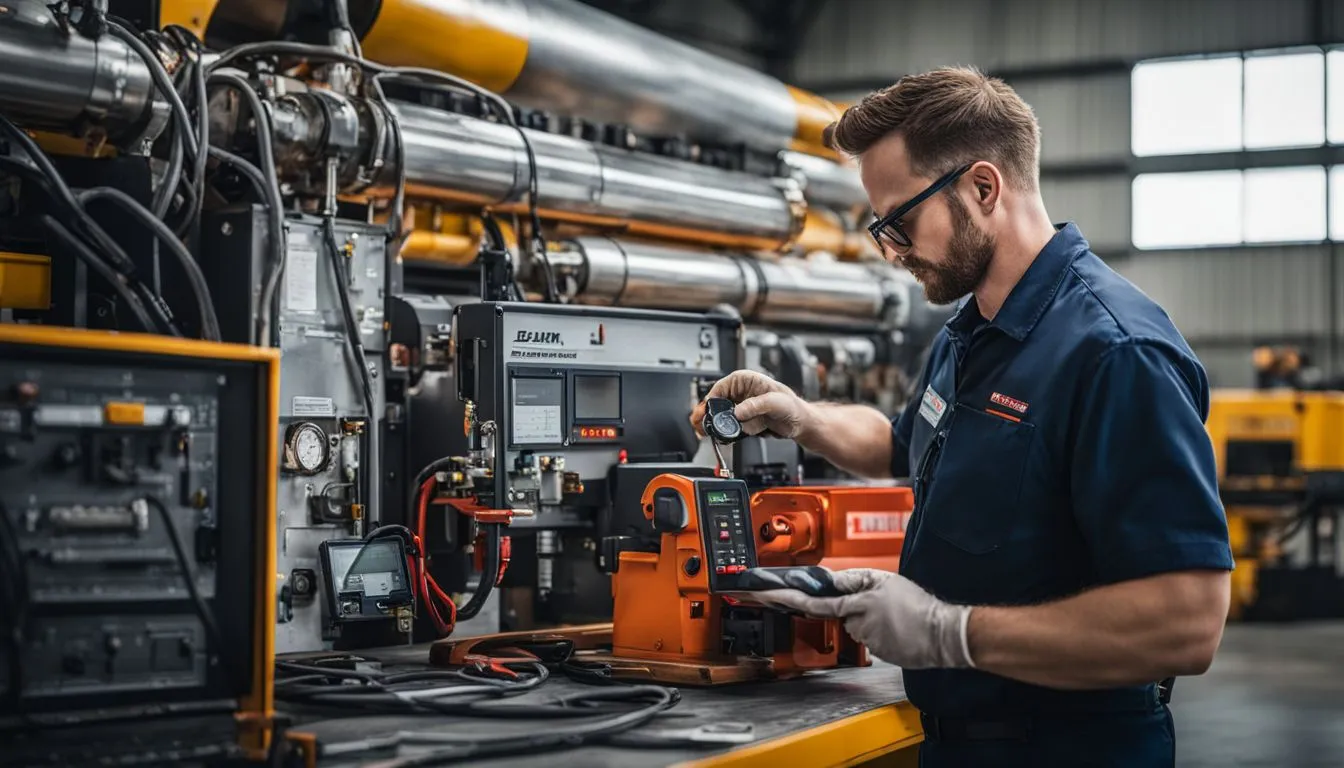
We always ensure to check for any residual or stored energy within a machine after the lockout/tagout devices are applied. This crucial step can’t be missed, because machines often hold mechanical, hydraulic, electrical, chemical or thermal energy in various components.
Even when you think a piece of equipment is fully isolated and shut down, it could still pose danger if stored energies aren’t properly released or contained.
Their team adopts rigorous methods to drain, block out, or otherwise neutralise these energies according to manufacturer instructions and safety protocols. We meticulously verify that all potential sources of harm are effectively controlled before we declare an environment safe for maintenance work.
It’s about safeguarding our wellbeing and ensuring uninterrupted productivity once machines are back online.
Verification and Re-Energising

After verifying the isolation of equipment and ensuring the absence of stored energy, it’s crucial to re-energise machinery cautiously. This step involves slowly restoring power to the equipment while monitoring for any irregularities or unexpected outcomes.
Before proceeding with re-energising, all personnel should be clear of the workspace and aware that operations are about to resume.
During this stage, every individual involved in the lockout/tagout process must remain vigilant and ready to take immediate action if there are any signs of malfunction or hazards during the re-energising phase.
Communication among team members is essential at this point to ensure that everyone is safe and informed throughout the process. Once successfully completed, businesses can proceed with confidence knowing that their machinery has been safely brought back online.
In-Depth Look into Lockout Safety Locks

Lockout safety locks play a crucial role in safeguarding employees and equipment by preventing unexpected energisation or start-up during maintenance. These locks are designed to secure energy-isolating devices, ensuring that machinery remains inoperable while workers perform maintenance tasks.
To achieve this, lockout safety locks can be affixed to the energy control point of the equipment, effectively preventing accidental activation or release of hazardous energy. This not only protects workers from potential harm but also ensures compliance with OSHA standards and workplace safety regulations.
The use of lockout safety locks is an integral part of a comprehensive lockout/tagout procedure. It involves carefully selecting the appropriate type of lock for different energy isolation points, such as electrical panels, valves, or switches.
By utilising durable and tamper-resistant locks that are uniquely keyed or combination-based, businesses can enhance their hazard control measures significantly while meeting strict occupational safety guidelines.
Proper implementation and understanding of these locks are essential for successful machinery shutdowns and effective risk management in industrial settings.
Let’s dive into “5. Common Mistakes to Avoid When Using Lockout/Tagout Systems” for insights on avoiding potential pitfalls associated with these critical safety practices.
Common Mistakes to Avoid When Using Lockout/Tagout Systems
Lack of training, failure to follow procedures, and not using proper equipment are some common mistakes that can lead to serious workplace accidents. Learn how to avoid these pitfalls by reading more about the Lockout Safety Lock Encyclopedia.
Lack of training
Inadequate training on lockout/tagout procedures can lead to serious workplace accidents. Employees must receive comprehensive training on how to properly implement lockout/tagout systems, including the identification of energy sources, the correct application of lockout devices, and maintenance of equipment safety.
Training should also cover emergency protocols and hazard prevention to ensure a safe working environment for all staff members.
Insufficient knowledge about lockout/tagout procedures may result in non-compliance with HSE standards, increased risk of workplace injuries, and potential legal consequences for businesses.
Failure to follow procedures

Neglecting to follow lockout/tagout procedures poses serious risks. Inadequate training and supervision can lead to unsafe practices, jeopardising the safety of workers and the effectiveness of the lockout/tagout process.
Ignoring these established protocols undermines workplace safety measures and exposes employees to hazardous energy sources. Recklessness in overlooking these procedures may result in severe injuries or fatalities, as well as costly equipment damage, interrupting operations and productivity.
To mitigate these risks, it is crucial for business owners to prioritise comprehensive training programmes that emphasise the importance of adhering to lockout/tagout procedures. A commitment to enforcing proper protocols ensures a safer work environment for all employees while preventing avoidable accidents and associated costs.
Not using proper equipment
Neglecting to use proper lockout/tagout equipment can result in severe workplace hazards and accidents. In failing to utilise the correct safety locks, workers place themselves at risk of injury or even fatality.
By neglecting this crucial aspect of lockout/tagout procedures, business owners jeopardise not only the safety of their employees but also the efficiency and productivity of their operations.
It is essential for business owners to ensure that all staff are trained on how to properly use lockout/tagout equipment, emphasising the significance of using the right tools for every isolation and shutdown process.
Failing to provide adequate lockout/tagout devices could lead to violations of HSE standards, resulting in hefty fines and potential legal repercussions. Business owners must prioritise investing in high-quality lockout/tagout equipment, ensuring that it aligns with industry regulations and offers optimal protection against hazardous energy release.
Overview of Lockout Devices

Lockout devices are designed to prevent the release of hazardous energy from equipment during maintenance or servicing. They can include padlocks, valve locks, electrical panel lockouts and more.
These devices play a crucial role in ensuring worker safety by isolating machinery and equipment from its energy source.
Energy isolating devices
Energy isolating devices play a crucial role in ensuring workplace safety by effectively disconnecting equipment from its energy source. These devices include manual switches, circuit breakers, and block valves, which prevent the release of hazardous energy during maintenance or repair work.
Implementing proper energy isolation procedures significantly reduces the risk of accidents caused by unexpected startups or releases of stored energy.
Using designated energy isolating devices as part of a comprehensive lockout tagout procedure is essential for protecting both employees and machinery. Business owners must ensure that these devices are easily accessible and properly maintained to uphold the highest standards of workplace safety and compliance with HSE regulations.
Lockout devices
Lockout devices are crucial components of a comprehensive lockout/tagout procedure. These devices physically prevent the equipment from being energised, safeguarding employees from hazardous energy during maintenance or repair work.
They come in various forms, including circuit breakers, ball valves, and plugs, and can be used to isolate electrical, mechanical, hydraulic, or pneumatic energy sources. By using these devices properly as part of your lockout/tagout programme, you can effectively protect your workers from potential injury caused by unexpected machinery startup or release of stored energy.
Utilising lockout devices not only ensures compliance with HSE standards but also significantly reduces the risk of workplace accidents related to equipment maintenance. By implementing these safety measures and providing proper training on their use, businesses demonstrate a commitment to prioritising employee well-being while maintaining operational efficiency.
Tagout devices
Now that we’ve covered the importance of lockout devices, let’s delve into tagout devices. Tagout devices play a crucial role in visually communicating that a piece of equipment or machinery is undergoing maintenance and should not be operated.
They are an essential part of the lockout/tagout (LOTO) procedure, providing clear warning labels to notify employees about potential hazards associated with locked-out equipment.
Tagout devices come in various forms including tags, labels, and signs. These items contain vital information such as the reason for lockout/tagout, date and time of application, and details of the authorised personnel performing the maintenance task.
LOTO boxes
LOTO boxes are a crucial component of any comprehensive lockout/tagout procedure. These specially designed boxes provide a secure and standardised way to store lockout/tagout devices when they are not in use.
The bright colour and durable construction of LOTO boxes ensure high visibility and protection against damage, helping employees locate the necessary equipment quickly during an emergency.
By centralising the storage of lockout/tagout devices in LOTO boxes, you can streamline your safety procedures, reduce the risk of misplaced or damaged equipment, and maintain a consistent approach to energy isolation across all work areas.
The 9 Steps of Lockout, Tagout, Try-out

Preparation is key to ensure the safety of everyone involved in lockout/tagout procedures. From isolating equipment to performing a test run, each step plays a crucial role in preventing accidents and injuries.
Read on to discover the detailed process of lockout/tagout and how it can benefit your workplace safety measures.
Preparing for lockout/tagout
Preparing for a lockout/tagout involves identifying all energy sources and understanding the specific procedures necessary to isolate equipment. Ensuring that all employees are well-versed in the lockout/tagout process is crucial.
This includes providing comprehensive training on recognising potential hazards, as well as clear guidance on following strict safety protocols when implementing the lockout/tagout procedure.
We conduct thorough assessments of our industrial processes to identify any potential energy hazards or risks involved in equipment shutdowns. Understanding how each piece of machinery operates and identifying its energy sources allows them to develop an effective isolation plan, ensuring the safety of their team members during maintenance or repair work.
Shutting down and isolating equipment
To shut down and isolate equipment, first, identify all energy sources connected to the machinery. This includes electrical, hydraulic, pneumatic, mechanical, and thermal energy. Once identified, follow the specific procedures for each energy source to safely shut them off or isolate them.
Ensure that all employees are clear of the equipment before beginning this process. Then proceed with shutting down the machinery by following the manufacturer’s recommended procedure step by step.
Make sure to engage any safety locks or guards provided in the shutdown process to prevent accidental startup.
After effectively shutting down the equipment, it’s time to isolate it from its power source completely. This involves physically disconnecting power supplies or locking out valves and switches according to your workplace lockout/tagout policy.
Applying lockout/tagout devices
To apply lockout/tagout devices, first, ensure that all energy sources are turned off and isolated. Then attach the appropriate locks and tags to each energy isolation point. Once locked out, verify that the equipment is de-energised by attempting to start it or testing for any remaining energy.
Only after verifying the isolation should you begin work on the machinery or equipment.
Always follow your company’s specific lockout/tagout procedures and use only authorised devices for this purpose. Regularly train all employees involved in lockout/tagout on proper procedures and update them when there are changes in machinery or processes.
Checking for stored energy
After applying lockout/tagout devices, the next critical step in your safety procedure is checking for stored energy. This step involves identifying any potential residual energy that could cause unexpected equipment movement or activation.
It’s essential to be thorough in this process to ensure complete isolation and eliminate any risk of injury or accidents when servicing or maintaining machinery. Checking for stored energy involves testing and verifying that all forms of hazardous energy, such as electrical, mechanical, hydraulic, pneumatic, chemical, thermal, or gravitational energy have been effectively controlled.
Upon completing the lockout/tagout application step, it is crucial to verify that there is no remaining energy that could pose a hazard during maintenance. The process includes releasing any stored pressure within systems and ensuring all moving parts are at rest before proceeding with servicing equipment.
Verifying isolation
After checking for stored energy, the next crucial step in the lockout/tagout procedure is verifying isolation. This involves double-checking that all energy sources have been successfully isolated and locked out before any maintenance work begins.
Verifying isolation ensures that there is no chance of unexpected release of hazardous energy during maintenance activities, safeguarding the safety of employees and preventing potential accidents.
It’s imperative to verify isolation through visual inspections or testing equipment to guarantee that the equipment cannot be inadvertently turned on while workers are performing tasks within its vicinity.
Re-energising equipment
After verifying that the equipment is isolated and safe to work on, the next critical step in the lockout/tagout procedure is re-energising the equipment. This involves carefully returning energy sources to the machinery or system while ensuring that all workers are clear of any potential hazards.
Before re-energising, it’s essential to communicate clearly with all involved personnel and confirm that everyone is safely positioned and aware of the impending power restoration.
Once all safety checks are confirmed, gradually restore energy to the equipment following standard procedures. Monitor for any unusual sounds, movements, or signs of malfunction as power is restored.
Removing lockout/tagout devices
When removing lockout/tagout devices, always follow the established procedure and guidelines to ensure safety. Begin by thoroughly inspecting the equipment to verify that no energy sources are active.
Next, use appropriate tools and care when removing each lock and tag from the machinery or equipment. Once all locks and tags have been removed, conduct a final inspection of the area to confirm that it is safe for re-energising.
As business owners, it’s crucial to emphasise this step in order to prevent any accidents or unexpected activation of machinery.
Upon completion of these steps, instruct your team members involved in the process to communicate their actions clearly with one another before proceeding further with re-energising equipment.
Performing a test run
After re-energising equipment, perform a test run to verify that everything is functioning normally. Engage all systems and machinery to ensure proper operation after the lockout/tagout process.
This step confirms that the equipment is back to its original state and ready for regular use.
Additionally, document the results of the test run as part of your lockout/tagout procedure records. Reviewing this information serves as proof that the necessary safety measures were followed before re-energising equipment according to workplace safety regulations.
Restoring equipment and documenting procedures
After successfully performing a test run, it is crucial to restore equipment and meticulously document all procedures. This step ensures that the lockout/tagout process has been completed and verified, allowing for the safe re-energising of the machinery or equipment.
Once this is done, all steps taken during the lockout/tagout procedure should be documented comprehensively with specific details about each action performed, including who executed them and when they were carried out in order to maintain transparency and accountability in line with occupational safety regulations and standards.
Following these systematic measures not only facilitates a smooth transition back to regular operations but also establishes a clear record of adherence to safety guidelines for future reference.
Conclusion

In conclusion, we have delved into the comprehensive world of lockout safety locks, uncovering their key components and the common mistakes to avoid when using them. The importance of equipment shutdown and energy isolation in workplace safety has been emphasised, highlighting practical benefits and efficiency.
This understanding will significantly impact hazard control measures and occupational safety regulations in industrial settings. For further learning and guidance on this crucial topic, additional resources or training opportunities are recommended for a deeper exploration.
As you navigate through workplace risk management, always remember that implementing these strategies can lead to significant improvements and success in ensuring machinery shutdown protocols are upheld diligently.
For a detailed exploration into the world of lockout safety locks, be sure to check out our in-depth guide on keeping your workplace safe.
Sorting out lockout for your own site?
Describe what needs isolating and we'll help you work out the setup that fits.