
Workplace mishaps can strike in a heartbeat, usually catching us on the hop. They’ve got their finger on the pulse and understand just how much machinery-related kerfuffles are still right up there with the main worries for Aussie businesses.
Through our yarns and insights, you’ll get your head around the crucial role lockout safety locks play in keeping your mates at work safe as houses. So let’s have a squiz at these unsung heroes of workplace safety!
Understanding Lockout Safety Locks

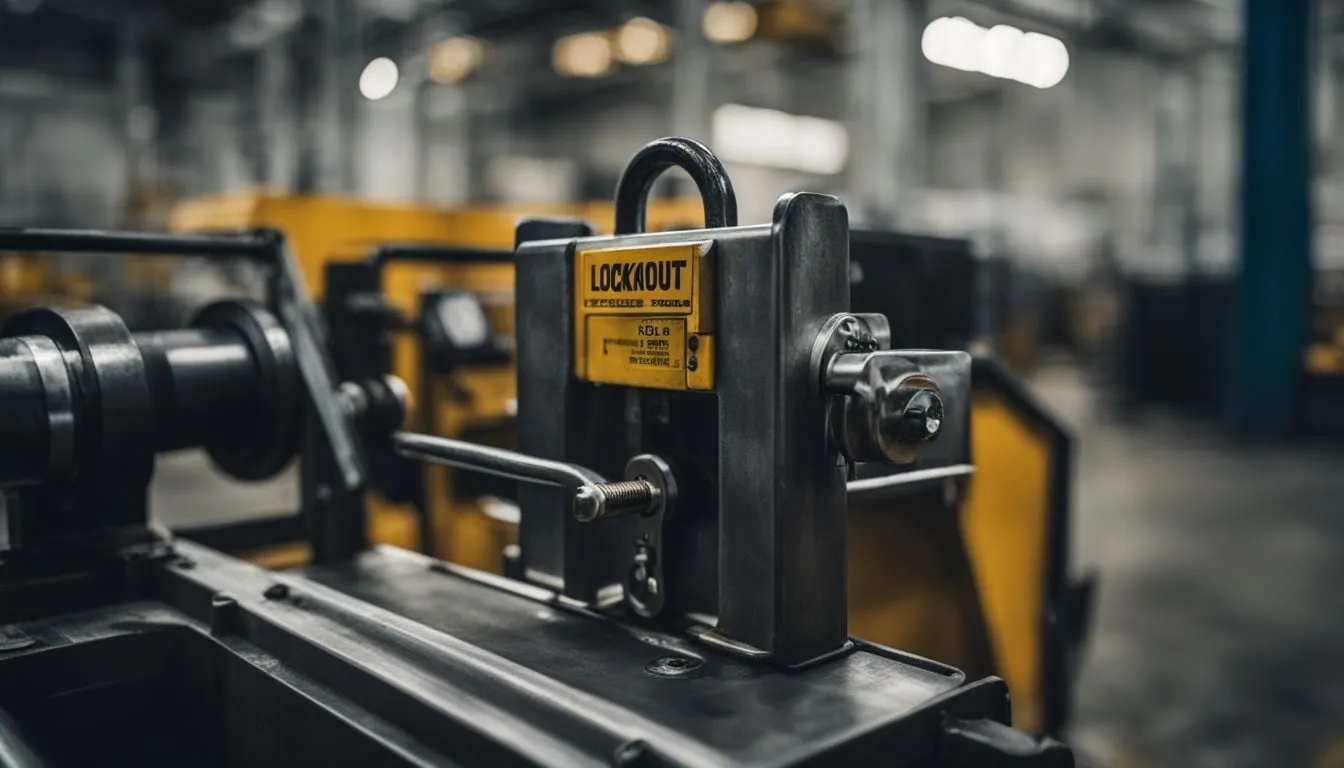
Lockout safety locks are essential tools in creating a secure workplace. Imagine them as personal guardians that stand watch over potentially dangerous equipment. They function by keeping energy sources isolated, ensuring machines stay off during maintenance or repairs.
This is the heart of lockout/tagout (LOTO) procedures, an approach that saves lives by preventing accidental start-ups.
We use these locks to protect our team from unexpected releases of hazardous energy. Each lock is unique and can only be removed by the person who applied it, making sure nobody else can inadvertently restart machinery while someone is working on it.
It’s like giving a worker their own key to safety – once they put their lock on, everyone knows that machine is off-limits until they remove it themselves. Locks come in various shapes and sizes including padlocks and hasps, tailored for different types of equipment and emergency lockout situations.
The Essential Role of Lockout Safety Locks in Workplace Safety

Lockout safety locks play a crucial role in preventing accidental machinery start-up and protecting workers and equipment. These devices are essential in creating a safe work environment and complying with OSHA requirements for lockout/tagout procedures.
Preventing Accidental Machinery Start-up

They know the critical importance of preventing unintended machinery activation, which can lead to disastrous consequences. Ensuring machines stay powered down during maintenance or repair is a fundamental aspect of workplace safety that we take seriously.
Utilising lockout devices effectively blocks energy flow and keeps equipment in a safe mode until work completion. This strategy is more than just compliance; it’s safeguarding lives every day.
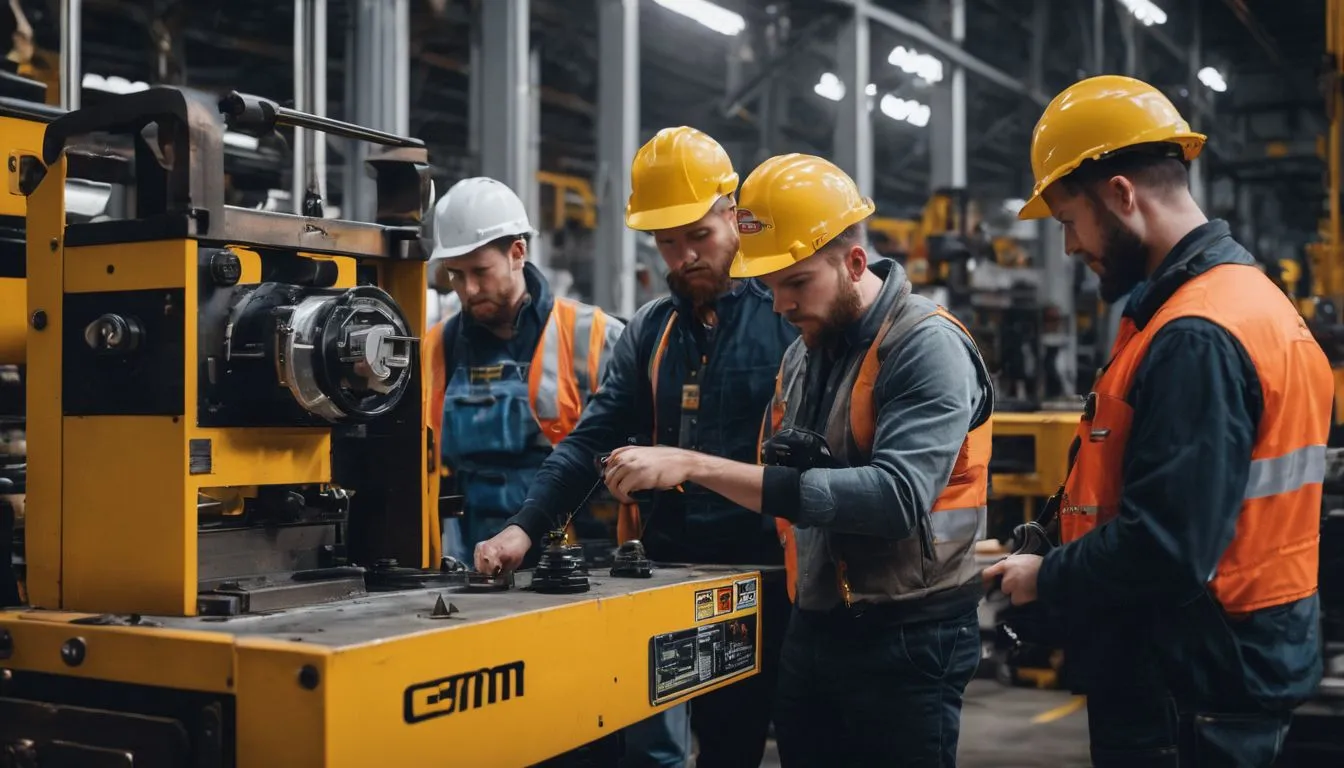
Our firm adherence to lockout/tagout (LOTO) procedures helps to eliminate the risk of accidental start-up. Every worker involved receives training on how to apply these controls properly, creating a strong safety culture within our workplace.
They make sure all energy sources are securely isolated before anyone lays hands on machinery, significantly reducing the chance of injuries and fatalities caused by sudden re-energisation or release of stored energy.
Our commitment lies firmly in protecting both our team members and valuable equipment from harm’s way with diligent use of lockout protocols and products.
Protecting Workers and Equipment

Beyond preventing machinery from firing up by surprise, they also focus sharply on the wellbeing of their team and the integrity of their gear. Ensuring that every power source is securely locked out does more than just safeguard against unexpected starts; it actively defends every person in the vicinity.
Each lockout device plays a critical role in forming an impregnable barrier between workers and potential harm.
We put trust in these unsung heroes, lockout safety locks, to deliver peace of mind across the shop floor. They are pivotal to maintaining not only a safety culture but also to preserving valuable equipment from damage due to uncontrolled energy releases or misuse.
Our commitment to using proper lockout/tagout procedures extends beyond compliance; it embodies our dedication to creating an environment where workplace hazards are significantly reduced and everyone goes home safe at the end of their shift.
OSHA Requirements and Compliance for Lockout Safety Locks

We understand the gravity of adhering to HSE’s stringent regulations for lockout safety locks, which play a critical role in safeguarding workers from hazardous energy releases during maintenance and repair.
To comply with HSE standards, every business must develop a comprehensive lockout/tagout programme. This includes detailed procedures for shutting down equipment, applying lockout devices to disable machinery, and verifying that the equipment is indeed non-operational before any work commences.
Our responsibility as business owners extends to training employees on these vital safety protocols. Regular drills ensure our workforce is competent in executing lockout/tagout processes seamlessly.
Moreover, we are expected to inspect our safety procedures periodically; this involves assigning a qualified inspector who can assess the effectiveness of our current practices while pinpointing areas for improvement.
Compliance isn’t just about meeting legal requirements, it embodies our commitment to fostering a robust safety culture within our workplace community.
Types of Lockout Safety Locks
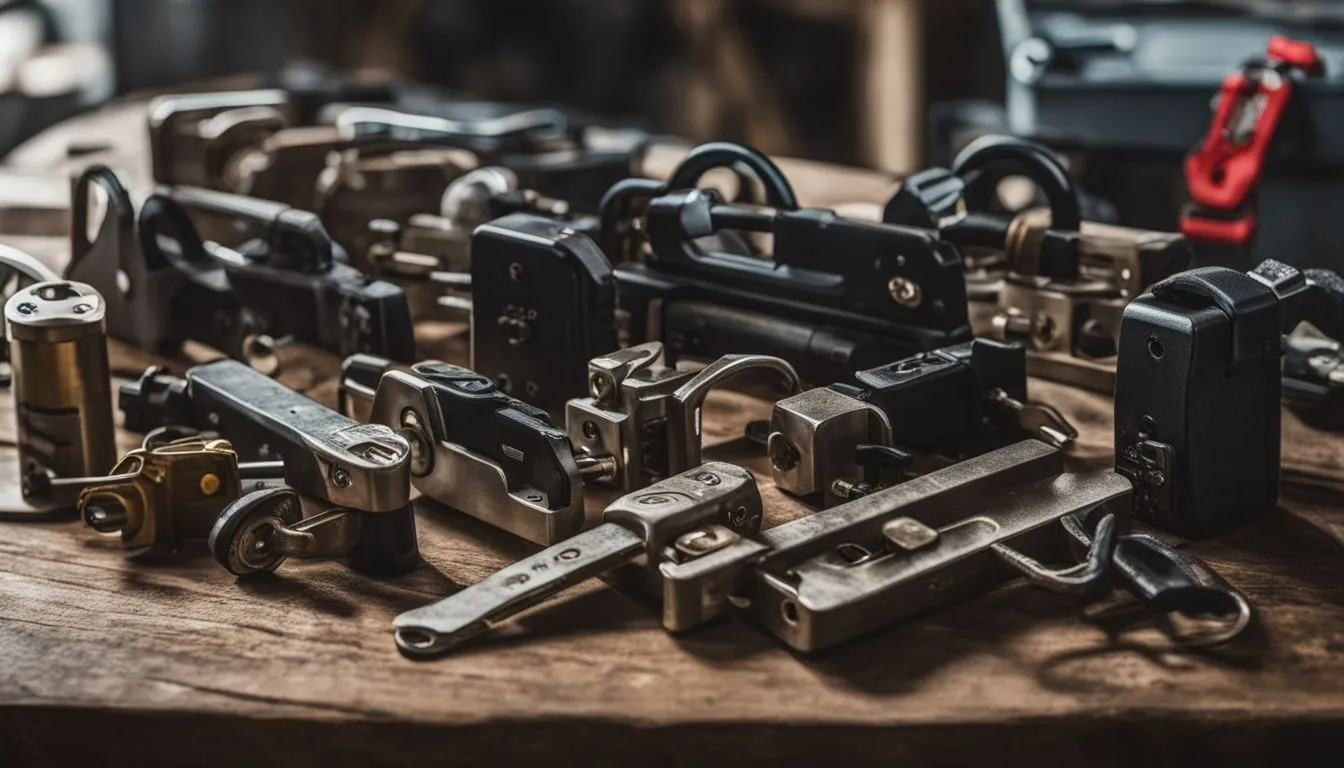
Padlocks, box locks, and safety lockout hasps are some of the common types of lockout safety locks used in workplace safety. Each type serves a specific purpose and provides varying levels of security to ensure the safety of workers and equipment.
To learn more about each type and their uses, keep reading!
Padlocks

We know choosing the right padlock for your lockout/tagout procedures is crucial. These compact, portable locks are a staple in industrial safety measures to secure energy sources and prevent accidental startups of machinery.
Our options come keyed differently, alike, or master-keyed to suit various workplace safety protocols, ensuring each authorised worker has access only when it’s safe and necessary.
Locksafe's padlocks strike a balance between durability and practicality with features like weatherproofing and shackle lengths tailored to different lockout needs. They anchor firmly to switches or electrical plugs; this straightforward action forms a robust barrier against unintended operation.
Trust these handy heroes to maintain control over hazardous energies within your workplace, solidifying our commitment to upholding exemplary standards in occupational safety and lock installation practices.
Box Locks

Box locks play a vital role in industrial safety by providing a secure means to isolate energy sources during maintenance or servicing. These hardy devices can encase multiple padlocks, ensuring that machinery stays off until every worker has finished their job and removed their own lock.
This collective approach is essential for meeting workplace safety protocols, making sure no single person has the power to reactivate machinery prematurely.
Our adoption of box locks reinforces our commitment to creating a robust safety culture in the workplace. They’re an easy-to-use solution designed to prevent accidents and protect both staff and equipment from unexpected startups.
This method aligns with Australian workplace safety standards and supports occupational safety across various industries. And now, let’s turn our attention to the next critical component in lockout/tagout procedures: safety lockout hasps.
Safety Lockout Hasps
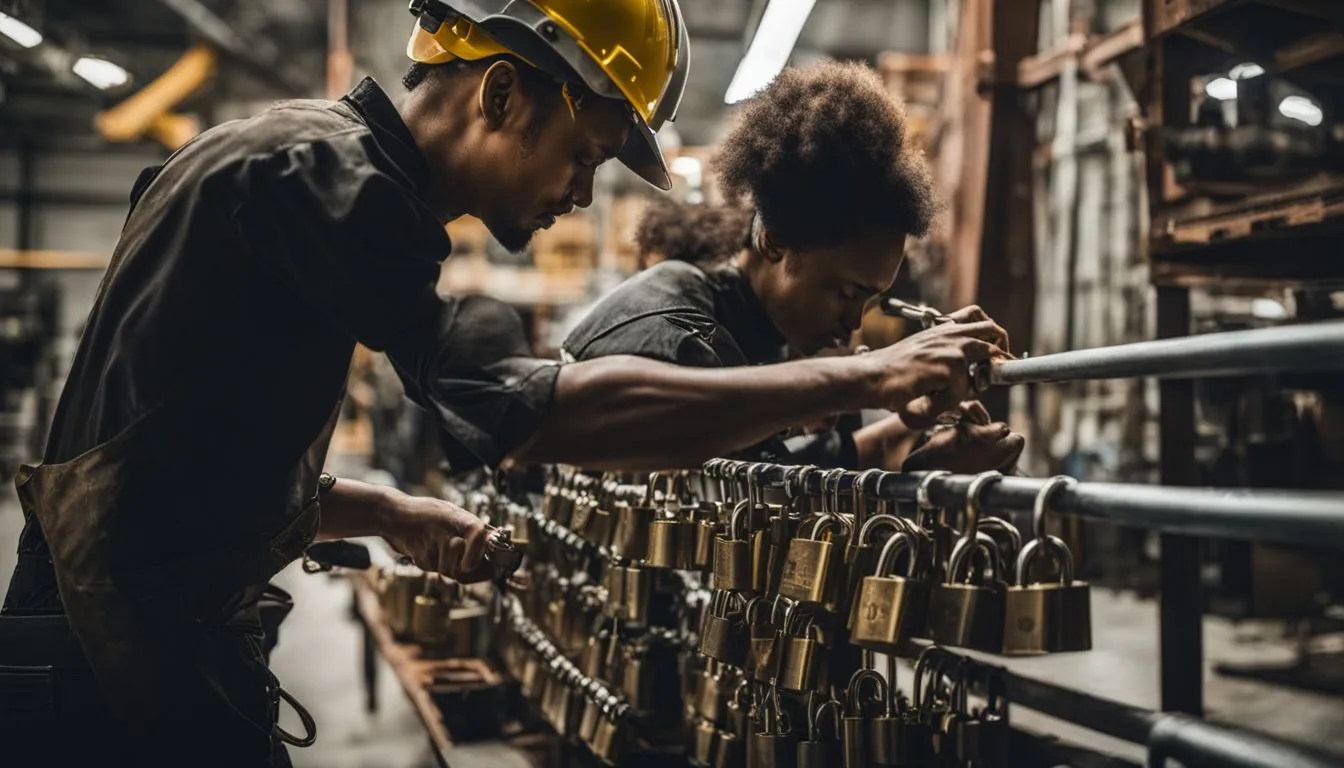
Safety lockout hasps are a vital tool in implementing energy source control, effectively securing multiple locks on an energy isolator and ensuring that machinery stays off during maintenance or service work.
Their durable metal construction can withstand the rigours of industrial environments, making them essential for preventing workplace hazards. We use safety lockout hasps to provide a group lockout solution where several workers need access to the same piece of equipment; each one places their own padlock on the hasp, guaranteeing no single person can re-energise the system until everyone is clear.
These devices not only align with Australian workplace safety standards but also foster a strong safety culture within our teams. Embracing these tools reflects our commitment to occupational safety and safeguards against accidents prevention by allowing us to manage lock installations with ease and confidence.
Implementing such security systems does more than just comply with regulations, it actively protects every member of our workforce from potential harm.
The Advantages of Using Lockout Safety Locks

Lockout safety locks ensure worker safety by preventing accidental machinery start-up and protecting both workers and equipment. They are cost-effective solutions for maintaining a safe workplace environment.
Ensuring Worker Safety

Operating in a safe environment is pivotal to the success of any business. Implementing lockout safety locks ensures that workers are protected from accidental machinery start-up, preventing potential harm to both employees and equipment.
By adhering to HSE requirements for lockout safety locks, businesses can create a culture of workplace safety, reducing the risk of accidents and ensuring compliance with industrial safety measures.
Prioritising worker safety through the use of lockout safety locks not only minimises workplace hazards but also fosters a positive safety culture within the organisation. This commitment conveys to employees that their well-being is paramount, thus encouraging greater productivity and loyalty.
Cost-effectiveness

Implementing lockout safety locks in your workplace is a cost-effective solution for ensuring the safety of your employees and equipment. By investing in high-quality lockout safety locks, you reduce the risk of accidents and potential damage to machinery, ultimately saving on costly repairs or legal liabilities.
This proactive approach not only enhances the overall safety culture within your organisation but also contributes to long-term cost savings by preventing workplace incidents and their associated financial burdens.
By incorporating lockout safety locks into your safety procedures, you empower your workforce with the tools they need to maintain a secure work environment while simultaneously reducing downtime due to accidents or malfunctions.
Navigating the Lockout/Tagout (LOTO) Landscape

Navigating the Lockout/Tagout (LOTO) landscape involves understanding and adhering to the specific regulations set forth by HSE. It is crucial for business owners to familiarise themselves with the lockout/tagout procedures and ensure that their employees are well-versed in these safety protocols.
Conducting thorough training sessions on LOTO procedures, utilising appropriate lockout safety locks, and maintaining updated documentation are essential steps in navigating the complex LOTO landscape.
Implementing a comprehensive LOTO program not only safeguards workers from hazardous energy sources but also enhances overall workplace safety culture and mitigates operational risks.
Regular audits of lockout/tagout practices can help identify potential gaps or areas for improvement, contributing to a more secure working environment while aligning with HSE compliance standards.
Conclusion
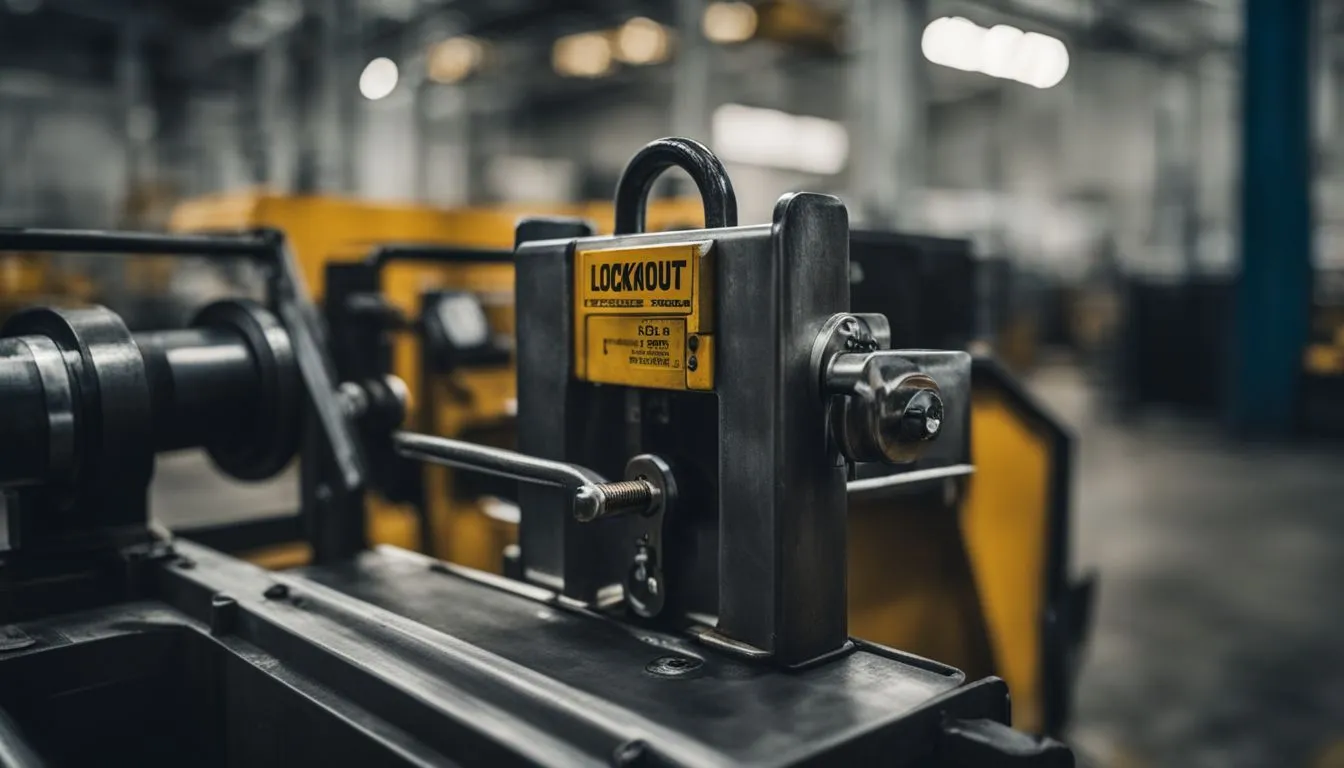
In conclusion, lockout safety locks play a crucial role in preventing accidental machinery start-up and safeguarding both workers and equipment. Their practicality and efficiency make them indispensable for maintaining workplace safety.
Implementing these strategies can lead to significant improvements in safety protocols and hazard prevention. Business owners should consider the importance of lockout safety locks as an essential part of their security systems.
Reflect on the potential impact of adopting these approaches, which can significantly enhance workplace safety measures.
If you’re looking to further your understanding on how to effectively comply with lockout/tagout procedures, explore our comprehensive guide on navigating the LOTO landscape.
Sorting out lockout for your own site?
Describe what needs isolating and we'll help you work out the setup that fits.