
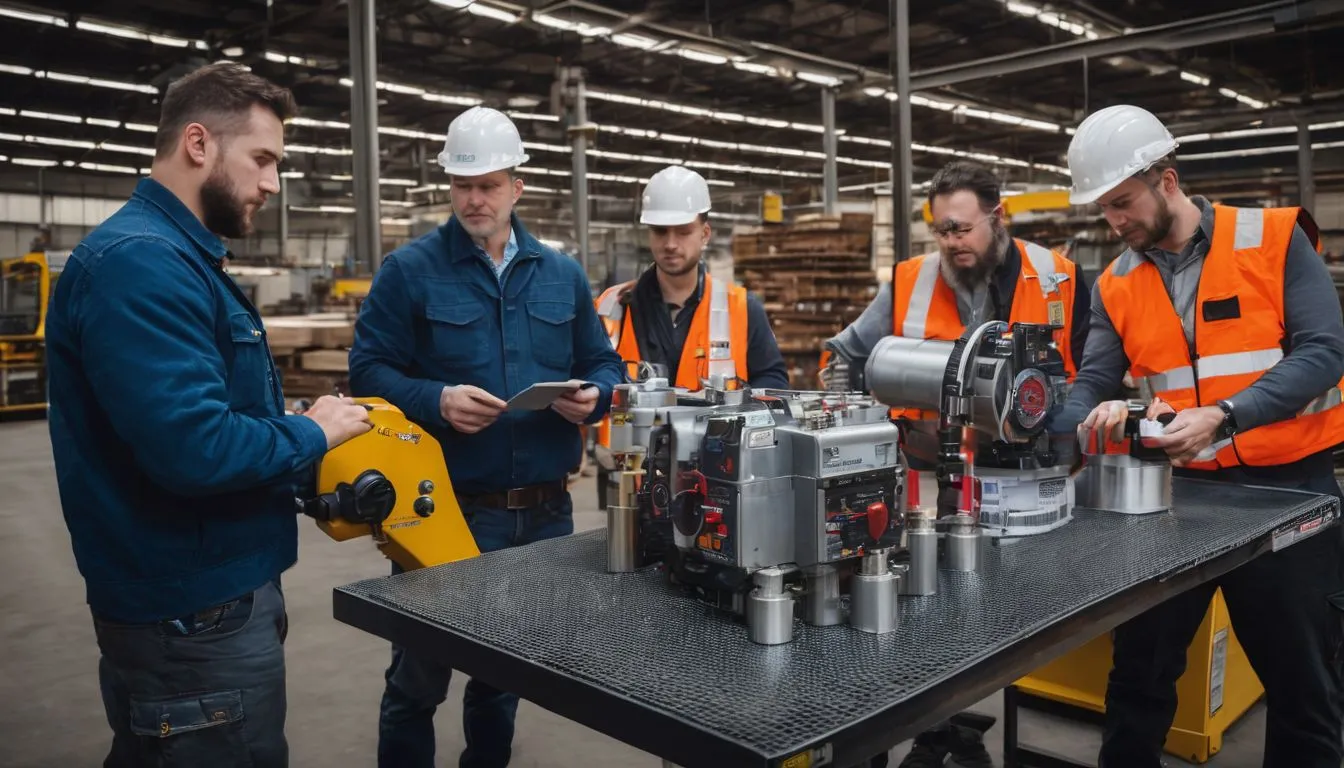
At the heart of running a solid business, mate, is making sure everyone gets home safely at the end of the day. We all know too well how tough it can be to keep on top of securing our gear and looking out for our crew’s wellbeing, especially when you consider that sticking to lockout tagout procedures has been shown to dodge around 250,000 hairy situations annually. That’s why we’ve put together this ripper of a guide on lockout safety locks for you. It’s chock-a-block with info on different sorts and the key features you’ll want in your arsenal to ensure your team is as safe as houses. So grab a cuppa, have a read and get set for some real peace of mind knowing your mob is protected.
Understanding Lockout Safety Locks
Lockout safety locks are crucial in preventing equipment from being energised during maintenance or servicing. They play a vital role in ensuring the safety of employees and complying with OSHA standards.
Understanding the differences between lockout and tagout is important for effective safety procedures.
What is Lockout Tagout?
Lockout Tagout, or LOTO, refers to specific safety procedures we implement to ensure that dangerous machines are properly shut off and cannot be started up again prior to the completion of maintenance or repair work.
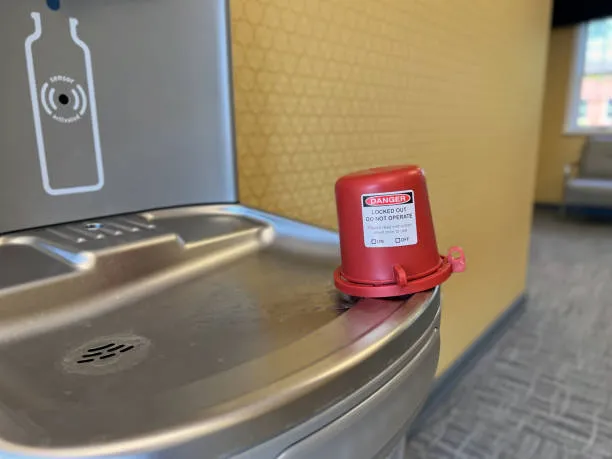
It involves placing a lock and tag on an energy isolating device so everyone knows not to operate the machine. This practice plays a crucial role in protecting us from harm by isolating hazardous energy sources during equipment service or adjustment.
As business owners, they use these safety measures across various industries where machinery could pose serious risks if accidentally activated. By installing appropriate lockout devices and displaying warning tags, we make it clear that certain equipment is off-limits until the locks are removed by authorised personnel only.
With LOTO protocols firmly in place, we’re taking proactive steps towards preventing unexpected startups and keeping our workplaces safe from potential accidents caused by uncontrolled releases of hazardous energy.
Importance of Lockout Safety
Understanding the critical importance of lockout safety measures in the workplace cannot be overstated. Protecting employees from hazardous energy and preventing unexpected machine start-ups are paramount for a safe working environment.
Implementing robust lockout procedures and utilising high-quality safety locks ensures compliance with HSE standards and regulations, safeguarding against potentially devastating accidents.
Prioritising lockout safety not only mitigates risks but also fosters a culture of workplace safety, enhancing employee well-being and productivity while reducing liabilities.
By integrating comprehensive lockout safety protocols and investing in reliable lockout devices, businesses demonstrate their commitment to prioritising employee welfare and adhering to industry best practices.
Differences between Lockout and Tagout
Lockout and tagout are two distinct but complementary safety procedures. Lockout refers to physically blocking energy isolation points with a lock, preventing equipment from being energised.
Tagout involves attaching a prominent warning tag to the locked-out device, informing others not to start it up. In essence, lockout physically stops energy flow while tagout provides extra visual warnings.
Both methods are crucial for safeguarding employees during maintenance or servicing of machinery.
When implemented together, lockout-tagout (LOTO) ensures that dangerous machines do not inadvertently start up, protecting workers from potential injury or even death caused by unexpected activation of hazardous machinery.
Types of Lockout Safety Locks
When it comes to lockout safety locks, there are various types to consider. From padlocks and hasps to clamp-on breakers and valve lockouts, each type serves a specific purpose in ensuring the safety of employees when working with hazardous energy sources.
Padlocks
Padlocks are versatile and widely used lockout safety devices that offer a simple, yet effective solution for securing various energy control points. They come in different sizes and shapes, with some featuring key-retaining functions to prevent the key from being removed while the padlock is unlocked.
When selecting padlocks for lockout safety purposes, it’s essential to consider their durability and resistance to corrosion, as well as their compatibility with different types of hasps or other lockout devices.
Additionally, padlocks can be colour-coded or labelled to align with specific energy control procedures, making it easier for employees to identify which locks correspond to particular equipment.
Incorporating padlocks into your lockout tagout programme not only helps prevent accidents due to unexpected energising of machinery but also promotes a safer work environment by providing clear visual indicators of equipment isolation status.
Hasps
Hasps are essential components of lockout safety systems, enabling multiple padlocks to be attached to a single energy isolation point. They are available in various sizes and designs, allowing for flexibility in securing different types of machinery and equipment during maintenance or repair work.
Hasps provide the option for several workers to affix their individual padlocks, ensuring that the equipment remains safely isolated until all workers have completed their tasks and removed their locks.
Using hasps simplifies the lockout process by consolidating all necessary locks in one place, streamlining procedures and enhancing overall efficiency. Removable hasps can be particularly convenient as they allow machines or devices to remain locked out until all maintenance operations are complete.
Clamp-on Breakers
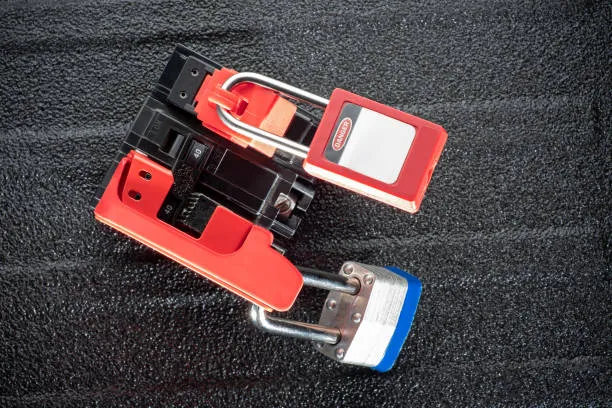
Clamp-on breakers are an essential type of lockout safety locks used to de-energise and secure electrical panels. These devices provide a physical barrier, ensuring that the breaker switch cannot be turned on accidentally while maintenance work is being carried out.
Designed to fit over the existing breaker toggle, clamp-on breakers are quick and easy to install without the need for additional tools or complex procedures.
These locks come in various sizes to accommodate different breaker configurations, providing a versatile solution for locking out energy sources during machinery servicing and repair.
The distinctive bright colouring and durable materials ensure these breakers can withstand demanding industrial environments while promoting clear visual identification of locked-out equipment.
Adjustable Cable Lockouts
Adjustable cable lockouts provide a versatile solution for locking out multiple energy isolation points. They are designed to fit a range of circuit breaker sizes and can effectively secure electrical equipment during maintenance or repair.
The adjustable cable length allows for flexibility in application, while the durable construction ensures reliable safety measures. These lockouts also offer visible identification with their bright colours, aiding in quick recognition and compliance with safety protocols.
Business owners should consider incorporating adjustable cable lockouts into their lockout/tagout procedures as they provide a practical and adaptable means of preventing unexpected energisation of machinery and equipment.
Group Lockout Box
The group lockout box is a crucial tool for managing multiple employees’ energy control needs. It allows teams to collectively secure equipment during maintenance, repairs, or when servicing electrical and mechanical systems.
With its ability to accommodate numerous locks at the same time, the group lockout box streamlines the safety procedures for larger groups of workers across different areas of your facility.
When implementing a comprehensive lockout tagout programme, incorporating a group lockout box can significantly enhance efficiency and compliance while ensuring employee safety. This ensures that everyone involved in the maintenance process has their own individual padlock securing the group lockout box while working on hazardous machinery.
Valve Lockouts
Valve lockouts are essential for preventing the accidental activation of valves during maintenance or repair work. These lockout devices securely fit over the valve handle, ensuring that it cannot be turned, thereby preventing the release of hazardous energy.
Using valve lockouts helps to safeguard employees from potential injuries and maintain compliance with OSHA lockout tagout standards. It’s crucial to choose the right size and type of valve lockout to ensure a secure fit on different kinds of valves, such as ball valves, gate valves, and butterfly valves.
Selecting appropriate valve lockouts for your facility is critical for enhancing safety procedures and minimising risks associated with hazardous energy control. Regular training on using these lockout devices can also significantly contribute to improving workplace safety practices and overall productivity.
Plug Lockouts
Plug lockouts are essential safety devices used to prevent the accidental energising of electrical equipment during maintenance or repair. These lockout devices securely fit over the plug of an electrical device and are then locked in place with a padlock, effectively preventing anyone from plugging it back in.
This simple yet effective solution ensures that employees can work on machinery without the risk of unexpected start-ups, safeguarding their well-being and complying with lockout tagout regulations.
When selecting plug lockouts for your facility, consider factors such as the type and size of plugs used in your operations. Ensure that the chosen lockouts can accommodate a variety of plug sizes commonly found within your workplace to maximise their usage and effectiveness across different equipment types.
Others
When selecting lockout safety locks, consider other options such as ball valve lockouts and circuit breaker lockouts. These devices are specifically designed to fit various types of valves and electrical panels, providing added versatility in your lockout tagout programme.
Ball valve lockouts can accommodate different handle sizes and have a compact design for easy storage, while circuit breaker lockouts offer adjustable designs to fit a wide range of breakers.
Both options contribute to enhancing the overall effectiveness of your lockout safety procedures.
In addition, it’s important to explore specialised equipment like pneumatic lockout devices and gate valve covers which cater to unique energy isolating points across different industrial settings.
Pneumatic lockout devices ensure safe maintenance on compressed air systems by preventing accidental engagement while gate valve covers safeguard against unauthorised access to critical valves during servicing.
Features to Consider When Choosing Lockout Safety Locks
When choosing lockout safety locks, it’s important to consider the lock mechanisms, key systems, colour-coding and labelling options, materials and durability. Additionally, streamlining lockout procedures and ensuring compliance with OSHA standards are crucial factors to keep in mind.
Lock Mechanisms (pin tumbler, lever, wafer, warded, etc.)
Lock mechanisms are crucial components of lockout safety locks and understanding the different types can help in selecting the most suitable lock for specific needs. The pin tumbler, for instance, is widely used due to its effectiveness in preventing unauthorised access.
Lever locks offer added security through complex internal workings, while wafer locks provide simplicity and reliability. Warded locks, on the other hand, are known for their durability and resistance to picking attempts.
The choice of lock mechanism depends on various factors such as the level of security required, environmental conditions, and ease of use. Each type offers distinct advantages that cater to different safety concerns and operational requirements.
Key Systems (keyed different, keyed alike, keyed alike unlimited, etc.)
Lock systems come in different configurations, such as “keyed different,” where each lock has a unique key. This provides individual security for each lock and minimises the chances of unauthorised access.
On the other hand, “keyed alike” allows multiple locks to be opened with the same key, enhancing convenience while ensuring safety. For larger facilities requiring extensive lockout procedures, “keyed alike unlimited” offers flexibility by enabling numerous locks to be operated by a single master key.
These diverse key systems cater to varying operational needs and security levels crucial for efficient lockout safety practices. By understanding these options, businesses can select the most suitable system to streamline their lockout procedures and bolster workplace safety.
Colour-coding and labelling options
When considering lockout safety locks, it’s important to think about colour-coding and labelling options. Colour-coding can help employees quickly identify the type of lockout device being used for a specific piece of equipment or machinery.
This visual cue enhances safety by reducing the risk of using the wrong lockout device. Clear and descriptive labelling on each lock further ensures that employees understand which energy isolating device the lock is associated with, promoting safe and accurate usage.
Implementing a colour-coded system alongside detailed labelling not only streamlines the lockout process but also enhances overall workplace safety by providing clear visual cues for employees to follow.
Materials and durability
Lockout safety locks are typically made from materials such as aluminium, steel, and thermoplastic. These durable materials ensure that the locks can withstand demanding industrial environments.
When selecting lockout safety locks for your facility, consider the durability of the materials to ensure they can withstand repeated use and harsh conditions. It’s important to choose locks made from robust materials that won’t degrade over time, ensuring long-term effectiveness in keeping employees safe.
Durability is a key factor to bear in mind when choosing lockout safety equipment; you want something that will last through tough working conditions and not break down easily. Look for lockout safety locks made of strong materials like sturdy aluminium or heavy-duty steel for reliable performance and longevity.
Streamlining lockout procedures (standardisation, organisation, etc.)
To streamline lockout procedures, we standardise our processes and utilise consistent equipment across all areas. We organise Locksafe's lockout safety locks in a central location for easy access and accountability.
By using colour-coding and labelling options, they can quickly identify the appropriate lockout devices for specific machinery or energy sources. This approach not only ensures compliance with HSE standards but also simplifies training, maintenance, and emergency response efforts.
Additionally, they designate authorised personnel responsible for overseeing the lockout procedures to maintain order and consistency throughout the facility. We avoid unnecessary complexity by opting for key systems that are easy to manage while still providing effective security measures.
Compliance with OSHA standards and regulations
Business owners must ensure that the lockout safety locks they choose comply with OSHA standards and regulations. This includes using equipment that meets specific requirements outlined in OSHA Lockout Tagout Standard (1910.147) to prevent accidental start-up of machinery during maintenance or servicing.
Being compliant with these standards is not only a legal obligation but also crucial for safeguarding employee safety and preventing workplace accidents related to energy isolating devices.
Adhering to OSHA standards involves providing lockout tagout training for employees, implementing effective lockout procedures, and ensuring that the selected safety locks meet the necessary specifications set forth by OSHA guidelines.
How Lockout Safety Locks Improve Employee Safety
Lockout safety locks improve employee safety by preventing equipment energising, providing different types of control mechanisms, and complementing machine guarding efforts. To learn more about the importance of lockout safety locks for your business, continue reading our blog.
Preventing equipment energising
Preventing equipment energising is crucial for maintaining a safe work environment. By using lockout safety locks, business owners can effectively prevent machinery or electrical systems from being accidentally activated during maintenance or repair tasks.
This simple yet effective step drastically reduces the risk of workplace accidents and ensures that employees can carry out their duties without the threat of unexpected energising.
Taking measures to prevent equipment energising not only complies with safety regulations but also fosters a culture of prioritising employee well-being. It’s important to invest in high-quality lockout safety locks as part of a comprehensive approach to workplace safety management.
Types of control mechanisms
Lockout safety locks employ various control mechanisms to ensure equipment remains inoperable during maintenance or repair. These mechanisms include key systems such as keyed different, keyed alike, and keyed alike unlimited.
Colour-coding and labelling options are also essential for quickly identifying the right lockout device, while materials and durability play a significant role in their effectiveness.
Streamlining lockout procedures through standardisation and organisation further enhances safety compliance.
Complementing machine guarding efforts
When considering machine guarding efforts, incorporating lockout safety locks as part of a comprehensive safety plan is crucial. By using lockout safety locks in conjunction with machine guard equipment, businesses can enhance the overall safety measures for employees working with machinery and electrical systems.
This proactive approach ensures that machines are not only physically guarded but also effectively disconnected from energy sources, further minimising the risk of unexpected startup or hazardous incidents.
Integrating lockout safety locks into existing machine guarding protocols provides an additional layer of protection for workers and reinforces a culture of prioritising employee safety.
Conclusion and Resources for Lockout Safety Locks
It is crucial for businesses to invest in the right lockout safety locks to ensure employee safety and compliance with OSHA standards. To learn more about the OSHA Lockout Tagout Standard (1910.147) and tips for selecting the right lockout safety locks, visit our website for valuable resources and training options.
OSHA Lockout Tagout Standard (1910.147)
The OSHA Lockout Tagout Standard (1910.147) mandates that all energy sources of equipment should be locked out during maintenance, servicing, and repair activities to prevent accidental startup.
This standard outlines the required safety procedures and practices for controlling hazardous energy sources. Employers must provide adequate training to employees on lockout tagout procedures and ensure that they have access to appropriate lockout safety locks and tagout devices in compliance with these regulations.
Adherence to the OSHA Lockout Tagout Standard (1910.147) not only ensures legal compliance but also significantly reduces the risk of workplace accidents resulting from unexpected energising of machinery or equipment during maintenance or service operations.
Importance of lockout tagout training
Lockout tagout (LOTO) training is crucial for employee safety. Providing comprehensive training ensures that employees understand the importance of using lockout safety locks and following proper procedures when working with machinery or equipment.
This type of safety training helps in preventing accidents, injuries, and even fatalities by educating employees about the risks associated with unexpected energising of equipment.
Regular LOTO training also ensures that employees stay updated on any changes to regulations and standards set by HSE regarding lockout tagout procedures.
Tips for selecting the right lockout safety locks
After understanding the importance of lockout tagout training, it’s crucial to consider the following tips for selecting the right lockout safety locks:
- Understand your specific needs: Identify the types of energy sources and equipment that require lockout safety locks in your workplace.
- Choose durable materials: Select locks made from robust materials like steel or aluminium to withstand challenging work environments.
- Consider key systems: Evaluate different keying options such as keyed different or keyed alike to align with your security requirements.
- Colour-coded options: Opt for locks with visible and distinct colours that correspond to specific departments or equipment, aiding quick identification.
- Compliance with regulations: Ensure that the chosen lockout safety locks meet OSHA standards and regulations for employee safety.
- Streamline procedures: Look for features that allow standardisation and organisation of lockout processes to enhance efficiency and effectiveness.
- Prioritise versatility: Consider versatile lockout devices that can be applied to various equipment types, reducing the need for multiple specialised locks.
- Labelling options: Choose locks with ample space for labelling to convey essential information like date, purpose, or responsible personnel.
- Seek professional guidance: Consult with safety experts or suppliers to gain insights into the most suitable lockout safety locks for your specific industry needs.
Sorting out lockout for your own site?
Describe what needs isolating and we'll help you work out the setup that fits.