
Understanding how to keep our workplaces safe can be a real challenge. Like you, we’ve faced the complexities of workplace safety and know it can be daunting. That’s why we’re diving into the essentials of lockout safety locks, a crucial part of maintaining a secure environment for everyone on-site, with one key fact: implementing effective Lockout Tagout (LOTO) practices can prevent an estimated 250,000 incidents each year! Our article will guide you through enhancing your business’s safety protocols while boosting productivity. Let’s unlock the secrets to a safer workspace together.
Understanding Lockout Tagout (LOTO)
Lockout Tagout (LOTO) is a safety procedure used to ensure that dangerous machines are properly shut off and not started up again before the completion of maintenance or servicing work.
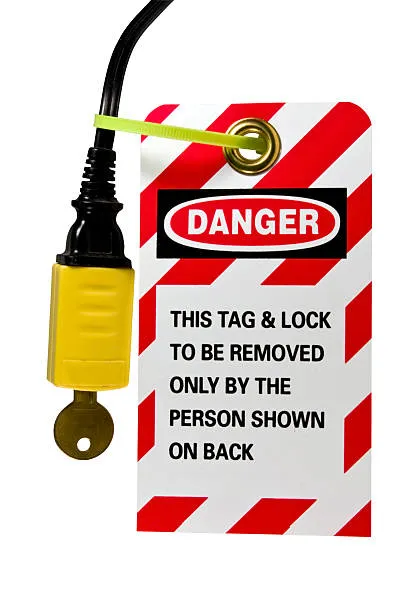
It involves placing a lock on an energy isolating device to prevent the release of hazardous energy, and attaching a tag with information about who is doing the work and why the equipment is locked out.
Definition and Importance
Lockout Tagout (LOTO) is a critical safety procedure designed to protect employees from the dangers posed by machines undergoing maintenance or repair. This process involves isolating equipment from its energy source, rendering it inoperable until the necessary work has been completed and ensuring that machinery lockouts are firmly in place.
By implementing LOTO protocols, we reduce the risk of accidental machine start-ups that can lead to workplace incidents and severe injuries.
They understand the importance of keeping their teams safe while maintaining high levels of productivity at their facilities. Effective use of energy isolating devices, such as safety padlocks and tagout warnings, not only preserves employee wellbeing but also aligns with workplace safety regulations mandated by authorities like OSHA.
Our commitment is unwavering when it comes to these procedures because they form an essential part of our operational foundation – minimising risks associated with hazardous energy releases that could result in industrial accidents or even fatalities.
Difference between Lockout and Tagout
Lockout and Tagout are two essential safety procedures employed to isolate energy sources and protect employees from hazardous machinery. When Lockout is applied, equipment is physically locked with a lock, preventing its operation until the lock is removed by an authorised person.
Tagout involves attaching a tag to the equipment, indicating that it should not be operated and why. This distinction plays a crucial role in workplace safety as both measures ensure that equipment remains de-energised during maintenance or servicing, safeguarding workers from unexpected start-ups or releases of stored energy.
Implementing proper Lockout and Tagout procedures can significantly reduce workplace accidents and improve overall safety compliance. Business owners need to understand how each method works in order to implement an effective energy control programme within their organisations.
OSHA Standards and Regulations
– HSE Standards and Regulations play a critical role in ensuring workplace safety, particularly in the context of Lockout Tagout (LOTO) procedures. Compliance with these standards is essential for preventing workplace hazards and protecting employees from potential risks associated with machinery operation.
Lockout Tagout and Machine Guarding
When operating machinery in the workplace, ensuring employee safety is paramount. Proper lockout tagout (LOTO) procedures and machine guarding are essential to prevent accidents and protect workers from hazardous energy sources.
LOTO involves isolating energy sources during maintenance or servicing by using locking and tagging devices, while machine guarding focuses on physical barriers to safeguard employees from moving parts or other potential dangers.
By adhering to HSE standards for LOTO and machine guarding, businesses can reduce workplace hazards, promote equipment safety, and enhance overall occupational safety measures.
Exceptions and Violations
Exceptions to lockout/tagout procedures are only allowed under specific circumstances and with proper authorisation. These exceptions may include servicing or maintenance tasks that can only be performed on energised equipment due to the nature of the work, provided that alternative measures are in place to ensure employee safety.
Violations of lockout/tagout procedures pose serious risks to employees and can lead to severe workplace accidents, machinery damage, and even loss of life. It is imperative for business owners to enforce strict adherence to lockout/tagout regulations and provide comprehensive training to all employees involved in machinery maintenance or servicing.
Business owners must also conduct regular audits and inspections to identify any violations or non-compliance with lockout/tagout procedures. Additionally, implementing disciplinary actions for violating these safety protocols is crucial in maintaining a safe working environment for everyone involved.
How to Implement an Effective LOTO Programme
To implement an effective LOTO programme, it’s important to have robust EHS management in place and involve key players such as equipment operators, maintenance personnel, and safety professionals.
Utilising the right types of LOTO devices is crucial for ensuring workplace safety.
Importance of EHS Management
Effective EHS management is vital for ensuring the safety and well-being of employees while also maintaining compliance with regulations. Implementing a robust EHS programme not only protects workers from potential hazards but also safeguards equipment and machinery, reducing the risk of accidents and downtime.
Assessing workplace risks, providing necessary safety training, and enforcing strict adherence to lockout tagout procedures are essential components of an effective EHS management system.
EHS management plays a crucial role in mitigating risks associated with machine operation and maintenance. Establishing clear guidelines for equipment isolation, energy control procedures, and regular risk assessments can significantly reduce the likelihood of workplace incidents.
Key Players Involved
In implementing an effective LOTO programme, there are several key players involved. Firstly, the management team plays a crucial role in providing resources and support for the development and implementation of lockout tagout procedures.
Secondly, the maintenance personnel are responsible for de-energising machinery and conducting the actual locking and tagging out process. Additionally, equipment operators need to be actively involved by following the established LOTO procedures and reporting any issues or concerns regarding machinery protection.
Moreover, safety officers play a vital part in overseeing compliance with HSE standards and regulations while continuously evaluating and improving energy isolation practices.
Types of LOTO Devices
- Padlocks: These are sturdy locks that can be used to secure energy isolation points, ensuring that only authorised personnel can remove them.
- Hasps: Hasps allow multiple workers to lock out a single energy source, adding an extra layer of security during maintenance or repair work.
- Lockout tags: These tags provide a clear visual indication that machinery or equipment is undergoing maintenance and should not be operated.
- Valve lockouts: Specifically designed for controlling valves, these devices prevent accidental activation or release of hazardous materials.
- Electrical lockout devices: These devices isolate electrical power systems, protecting workers from electric shock during maintenance procedures.
- Cable lockouts: Ideal for situations where traditional locks cannot be applied, cable lockouts offer flexibility in securing various energy isolation points.
Steps to Conduct a Lockout Tagout Procedure
Identifying machinery and potential risks is the first step in conducting a Lockout Tagout procedure. Once identified, notifying affected workers and shutting down/de-energising machinery follows before locking and tagging out the equipment.
Identifying Machinery and Risks
When identifying machinery and risks in the workplace, it is crucial to conduct a thorough assessment of all equipment and processes. This involves examining each machine’s potential hazards, such as moving parts, electrical sources, and high-pressure systems.
Additionally, understanding the specific tasks involved with each machine can help identify associated risks. By engaging workers who operate and maintain the equipment in this process, you can gain valuable insights into potential dangers that may not be immediately apparent.
Furthermore, using risk assessment tools like Job Safety Analysis (JSA) or Failure Modes and Effects Analysis (FMEA) can aid in identifying hazards and evaluating the level of risk associated with each piece of machinery.
Notifying Affected Workers
When informing workers about a lockout tagout procedure, clearly explain the reason for the de-energisation of machinery. Ensure that all affected employees understand the potential risks and hazards involved during the lockout process and emphasise the importance of adhering to safety protocols.
Furthermore, establish a consistent method of communication to notify workers when any machine or equipment is being locked out, keeping them informed about any changes or updates in the lockout tagout procedure.
Moving forward to “Shutting Down and De-Energising Machinery,” let’s explore how these crucial steps are undertaken to ensure workplace safety.
Shutting Down and De-energising Machinery
To shut down and de-energise machinery, follow these steps: First, power off the equipment using its designated switch or control panel. Then, disconnect the machinery from its power source to ensure it cannot be accidentally turned back on.
Follow any specific shutdown procedures outlined in the manufacturer’s manual to safely de-energise the machine. Once the equipment is properly shut down and de-energised, proceed with locking and tagging out the machinery according to your LOTO programme.
After shutting down and de-energising the machinery, always verify that it is no longer operational by testing its controls and ensuring there is no electrical flow. In a group setting where multiple workers are involved in lockout procedures, communicate clearly about each step of shutting down and de-energising machinery to avoid potential safety hazards.
Locking and Tagging Out Machinery
After shutting down and de-energising the machinery, it is crucial to proceed with the next step of locking and tagging out the equipment. This involves attaching lockout devices to energy isolation points on the machinery or equipment to ensure that they cannot be operated until the maintenance or servicing is complete.
Simultaneously, tagout devices are affixed to provide identification and additional information about the locked-out status.
Once locked and tagged, all personnel involved in maintenance work can safely carry out their tasks without any risk of unexpected energisation or release of stored energy from the machinery.
Common Practices and Challenges
They’ll explore the common practices and challenges involved in implementing a LOTO programme, including group LOTO procedures, removing lockout and restarting machinery, as well as machinery operation during set-up and maintenance.
These are key considerations for ensuring workplace safety when using lockout safety locks.
Group LOTO Procedures
Group LOTO procedures involve:
- Ensuring all workers understand the lockout process and their role in the procedure.
- Identifying a designated person to oversee the group LOTO process, responsible for coordinating and communicating throughout the procedure.
- Conducting thorough training sessions for employees involved in group LOTO to ensure they are equipped with the necessary knowledge and skills.
- Implementing clear communication protocols to prevent misunderstandings or errors during the lockout process.
- Establishing a system for regular audits and evaluations of group LOTO procedures to identify areas for improvement and ensure compliance with safety regulations.
Removing Lockout and Restarting Machinery
To safely remove lockout and restart machinery, carefully follow these steps:
- Visually inspect the work area to ensure all tools and materials have been removed.
- Perform a thorough check of the equipment to verify it is in safe working condition.
- Notify all workers involved in the removal process and communicate the timeline for restarting machinery.
- Safely remove any locks or tags from the equipment, ensuring that everyone is clear of potential hazards.
- Gradually restart the machinery, monitoring its performance to detect any abnormalities.
Machinery Operation during Set-up and Maintenance
Operating machinery during set-up and maintenance requires utmost caution. Ensuring that all energy sources are disconnected or locked out is vital to prevent unexpected starts. Clear communication among team members regarding the status of machinery is essential in safeguarding everyone involved.
Taking every precaution when operating machines can significantly reduce workplace accidents and promote a safe working environment for all employees.
Up next, let’s delve into common practices and challenges related to lockout tagout procedures in industrial settings.
Conclusion
We have discussed the critical role of lockout safety locks and their influence on workplace safety. By implementing an effective LOTO programme and following proper procedures, businesses can significantly reduce the risk of accidents and injuries. The practical strategies outlined in this article emphasise the simplicity and efficiency of de-energising machinery using locking devices. It’s crucial to recognise the importance and impact of these measures in creating a safe work environment for employees. For further guidance on lockout safety, businesses may explore additional resources or consult experts in occupational safety and health management. Let’s commit to prioritising workplace safety by adopting these best practices to protect our most valuable asset, our workforce.
Sorting out lockout for your own site?
Describe what needs isolating and we'll help you work out the setup that fits.