

Ensuring workplace safety is all about managing the nitty-gritty of hazardous energy, a daily hurdle that heaps of Aussie business owners have to jump over. We’ve walked a mile in your steel-capped boots, tangled up with the ins and outs of Lockout Tagout (LOTO) procedures. As Safe Work Australia highlights, getting LOTO right is more than just red tape; it’s a lifesaver preventing around 15 workplace tragedies each year. Our blog’s here to break down the barriers with straightforward steps and hands-on solutions for slotting effective LOTO protocols into your safety toolkit. Keen to learn how lockout safety locks can be your team’s best mate? Have a squiz at our latest post and give yourself one less thing to worry about on the job.
Understanding Lockout Safety Locks
Understanding Lockout Safety Locks is crucial in maintaining workplace safety. The use of LOTO devices, as outlined by HSE’s standard, plays a pivotal role in preventing hazardous energy release during equipment maintenance or servicing.
Definition of LOTO
Lockout Tagout, or LOTO, refers to specific procedures used to ensure that equipment is shut down and inoperative during maintenance or repair work. It’s a critical safety measure designed to prevent the accidental release of hazardous energy while tasks are being performed on machinery.
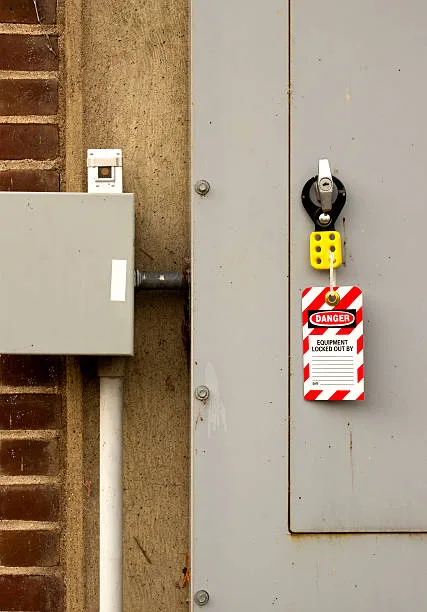
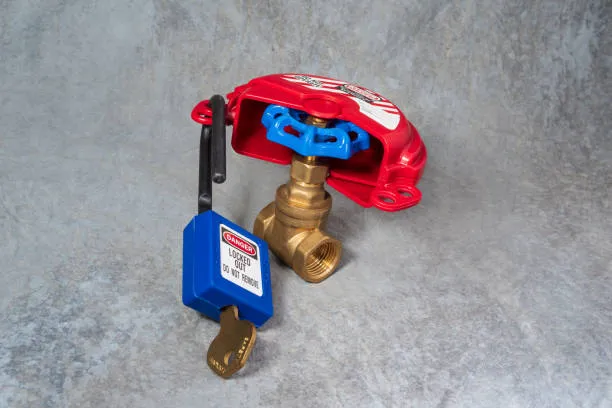
By applying lockout devices like padlocks to energy isolating devices, we can neutralise risks associated with unexpected startups or releases of stored energy.
Tagout devices further enhance this practice by providing visual warnings about ongoing maintenance operations. These tags alert other workers that equipment should not be operated until the tag is officially removed following completion of the job.
We implement these protocols diligently to maintain occupational safety and meet stringent safety regulations while preventing potential accidents in our workplaces.
Importance of LOTO in workplace safety
Implementing Lockout Tagout (LOTO) procedures is crucial in maintaining a safe work environment for our employees. LOTO helps prevent hazardous energy from accidentally re-energising machinery during maintenance, servicing, or repair.
By using LOTO devices such as lockout padlocks and tagout devices, we protect our workers from potential electrical, mechanical, hydraulic, pneumatic, chemical, and thermal hazards.
Complying with the strict HSE standards for LOTO ensures that our business maintains equipment safety while fostering a culture of risk management and hazard prevention.
By acknowledging the significance of LOTO in workplace safety and integrating it into our operations, we prioritise employee well-being while demonstrating a commitment to safety compliance and protocols.
OSHA’s standard for LOTO
After understanding the importance of LOTO in workplace safety, it is crucial to adhere to HSE’s standard for LOTO. This includes having a written lockout/tagout programme detailing procedures for addressing hazardous energy sources.
Employers must also provide employee training on lockout/tagout and ensure that authorised employees have access to necessary locks and tags. Regular inspections are required to ensure proper implementation.
Compliance with HSE’s standards can be achieved by implementing effective lockout/tagout procedures and ensuring thorough documentation of these processes. Every aspect – from equipment maintenance requirements during lockouts to periodic reviews of the programme itself – is essential in upholding the highest safety protocols according to HSE’s standard for LOTO.
Types of Lockout Safety Locks
When it comes to lockout safety locks, there are various types available to suit different needs. From traditional padlocks to advanced locking mechanisms, each type offers its own unique features and benefits for ensuring workplace safety.
Whether you need keyed different or keyed alike padlocks, there is a wide range of options to choose from to meet your specific requirements.
Traditional padlocks
Traditional padlocks are a familiar sight in lockout safety procedures. These sturdy devices provide a visible indication that equipment or machinery is locked out for servicing or maintenance.
Keyed different and keyed alike padlocks offer flexibility in managing access to energy sources, while advanced locking mechanisms enhance security and accountability. Choosing the right traditional padlock ensures compliance with LOTO standards and contributes to a comprehensive safety culture.
Implementing traditional padlocks effectively requires clear communication of procedures and regular training for employees involved in lockout tagout activities. Conducting periodic audits helps maintain the integrity of the lockout process and ensures ongoing adherence to safety protocols.
Keyed different vs keyed alike padlocks
As business owners, we understand the critical importance of safety in the workplace. In lockout/tagout (LOTO) procedures, the choice between keyed different and keyed alike padlocks is more than just a matter of convenience, it’s a strategic decision that impacts the integrity of your safety program.
| Keyed Different Padlocks | Keyed Alike Padlocks |
| Each padlock has a unique key, ensuring individual lock security. | All padlocks can be opened with the same key, simplifying key management. |
| Ideal for large facilities where multiple employees perform LOTO. | Best suited for smaller operations or individual workgroups. |
| Requires a comprehensive key control system to prevent unauthorised access. | Reduces the number of keys in circulation, minimising the risk of losing them. |
| Each worker is accountable for their allocated lock and key. | Enhances efficiency during lockout processes, especially in emergency situations. |
We’re committed to leveraging advanced locking mechanisms to bolster our safety measures. Turning to the next aspect of lockout safety, we explore how technology is reshaping LOTO practices.
Advanced locking mechanisms
Advanced locking mechanisms offer enhanced security and flexibility in implementing lockout safety procedures. These mechanisms include multi-keyed padlocks, push-button locks, and smart locks that can be integrated into electronic lockout tagout systems.
The multi-keyed padlocks allow for multiple access levels within the organisation, while push-button locks provide quick and easy operation. Smart locks offer remote monitoring and control capabilities, adding a layer of convenience to the overall safety protocol.
Business owners should consider these advanced locking mechanisms when upgrading their lockout safety measures to ensure comprehensive protection against hazardous energy sources. Integrating these advanced locking mechanisms into existing LOTO programmes can significantly improve operational efficiency and employee safety compliance.
The Role of Technology in Lockout Safety
The integration of electronic lockout tagout systems and wireless communication in lockout safety locks has revolutionised workplace safety. Read more to discover how technology is enhancing safety measures in the workplace.
Electronic lockout tagout systems
Implementing electronic lockout tagout (LOTO) systems can greatly enhance workplace safety. These advanced systems provide a more efficient and secure way to isolate energy sources, reducing the risk of accidental startup during maintenance and service.
Integration with wireless communication allows for remote monitoring, enabling real-time notifications and ensuring equipment remains locked out until the task is completed. The use of electronic LOTO systems not only streamlines procedures but also adds an extra layer of security by providing audit trails and access logs, promoting accountability within the organisation.
Electronic LOTO systems offer integrated safety features such as automatic shutdown mechanisms and customisable access levels based on employee roles. This technology simplifies compliance with HSE’s standard for LOTO while also contributing to a culture of safety awareness in the workplace.
Wireless communication and monitoring
Turning from electronic lockout tagout systems to wireless communication and monitoring, we can see the significant advancements in enhancing safety protocols. Wireless technology allows for real-time monitoring of lockout safety locks, providing instant updates on the status of equipment isolation.
This proactive approach ensures that employees can be promptly alerted to any issues or unauthorised attempts to access isolated machinery, reinforcing a robust safety culture within the workplace.
Implementing wireless communication and monitoring with lockout safety locks not only streamlines safety procedures but also contributes to compliance with HSE’s lockout tagout standards.
Integrated safety features
Integrated safety features in lockout safety locks enhance workplace safety by providing additional layers of protection. These features include:
- Built – in alarms and warning signals that alert workers if the lock is tampered with, ensuring heightened security and compliance with LOTO standards.
- Color – coded indicators for easy identification, simplifying the lockout process and reducing the risk of errors during energy isolation procedures.
- Ergonomic designs and durability to withstand harsh industrial environments, promoting long – term reliability and effectiveness.
- Compatibility with other safety systems, such as interlocking mechanisms, to ensure comprehensive protection of personnel and equipment.
Creating a Robust Safety Culture with Lockout Safety Locks
Establishing a LOTO program and providing thorough training on LOTO procedures are essential for creating a robust safety culture. Frequent audits of lockout safety locks can also ensure that the workplace maintains a high standard of safety.
Establishing a LOTO program
To establish a LOTO programme, we articulate clear and concise lockout tagout procedures. We mandate a written policy outlining the steps for isolating energy sources. Here’s what to include:
- Develop detailed lockout tagout procedures for all equipment and machinery.
- Appoint authorised employees responsible for implementing and overseeing the LOTO programme.
- Implement a system for safe removal and transfer of lockout devices during shift changes or maintenance handovers.
- Provide easy access to all necessary safety locks, tags, and other LOTO equipment.
- Conduct regular training sessions to ensure all employees understand and adhere to the LOTO protocols.
Training employees on LOTO procedures
- Provide comprehensive LOTO training sessions that cover the importance of lockout procedures and the potential hazards if not followed correctly.
- Ensure all employees understand how to properly isolate energy sources using lockout safety locks and equipment.
- Conduct practical demonstrations to reinforce understanding and encourage hands – on experience with different types of lockout safety locks.
- Regularly review and update employee training as new technologies or best practices emerge to ensure ongoing compliance with LOTO regulations.
- Encourage active participation and feedback from employees during training sessions to address any concerns or clarify any misunderstandings about LOTO protocols.
Frequent LOTO audits
Ensuring the effectiveness of our LOTO program requires regular audits to maintain a safe working environment and prevent unforeseen accidents. The process involves a detailed inspection of all lockout systems and procedures to identify any potential gaps or deficiencies, ultimately ensuring compliance with safety regulations and best practices.
- Regularly scheduled inspections are essential for identifying any malfunctioning lockout devices or inadequate procedures that may compromise employee safety.
- These audits also provide an opportunity to evaluate employee adherence to LOTO protocols, ensuring that they are following proper lockout/tagout procedures consistently.
- Documentation of audit findings is crucial for tracking trends and identifying areas for improvement in the LOTO program, giving us insight into any recurring issues that need attention.
- Periodic audits help us stay proactive in addressing changes in equipment, processes, or personnel that may impact the efficacy of Locksafe's lockout/tagout measures.
- By conducting frequent audits, we demonstrate our commitment to maintaining a culture of safety and continuously improving our LOTO program to enhance workplace safety standards.
Where to Get Lockout Safety Locks
When it comes to getting lockout safety locks, there are plenty of options available. You can approach commercial and domestic locksmiths or look for suppliers offering comprehensive LOTO products.
Make sure to choose the right option that suits your needs and budget.
Commercial and domestic locksmiths
When looking for lockout safety locks, both commercial and domestic locksmiths are essential. These professionals provide a range of services including installing, repairing, and maintaining lockout safety equipment.
They can also offer guidance on the best type of locks to use in various situations and can ensure that all locks comply with relevant standards and regulations.
Locksmiths play a critical role in ensuring the effectiveness of your lockout safety programme by providing access to high-quality products and expert knowledge. Whether you’re securing electrical panels or industrial machinery, having a reliable locksmith partner is crucial in establishing a robust safety culture within your organisation.
Suppliers offering comprehensive LOTO products
To ensure the safety of our employees and compliance with lockout tagout (LOTO) standards, we rely on suppliers who offer comprehensive LOTO products. These reputable suppliers provide a range of options such as traditional padlocks, electronic lockout tagout systems, and advanced locking mechanisms to meet our specific needs.
Moreover, they also offer training resources and expert guidance to help us establish a robust LOTO programme in line with HSE’s standard for LOTO.
By partnering with these trusted suppliers, we can access high-quality LOTO products that are essential for creating a safe workplace environment. With their support, we can confidently implement effective lockout procedures and protocols while fostering a culture of safety within our organisation.
Conclusion
We have explored the essential role of lockout safety locks in fostering a robust safety culture. We discussed the significance of LOTO in workplace safety and HSE’s standards for implementation. Additionally, we delved into various types of lockout safety locks and how technology enhances their effectiveness. Furthermore, we emphasised the practicality and efficiency of establishing a LOTO programme, conducting employee training, and regular audits to ensure adherence to safety protocols. By implementing these strategies, businesses can significantly improve workplace safety while complying with regulations. Remember that prioritising employee well-being not only fosters a positive work environment but also ensures operational continuity without compromising on security.
Sorting out lockout for your own site?
Describe what needs isolating and we'll help you work out the setup that fits.