


Every year, workplace accidents related to energy control don’t just hit the hip pocket; they cost us dearly in mates and colleagues. We’ve tackled this issue with determination, uncovering that a solid 10% of serious workplace injuries could be dodged with proper lockout/tagout know-how.
Our guide dishes out practical steps and essential wisdom to effectively keep your crew out of harm’s way. The phrase “stay safe” is more than just a casual sign-off with our expert guidance, it’s a commitment to looking after each other on the job.
Let’s get stuck into it!
Understanding Lockout/Tagout Procedures

Lockout/Tagout, often referred to as LOTO, is a safety procedure used in industrial and manufacturing settings to ensure that hazardous energy sources are properly shut off and not able to be restarted.
This involves the use of locks and tags to control energy isolation points, preventing accidents and injuries during equipment maintenance or repair.
Definition of Lockout/Tagout
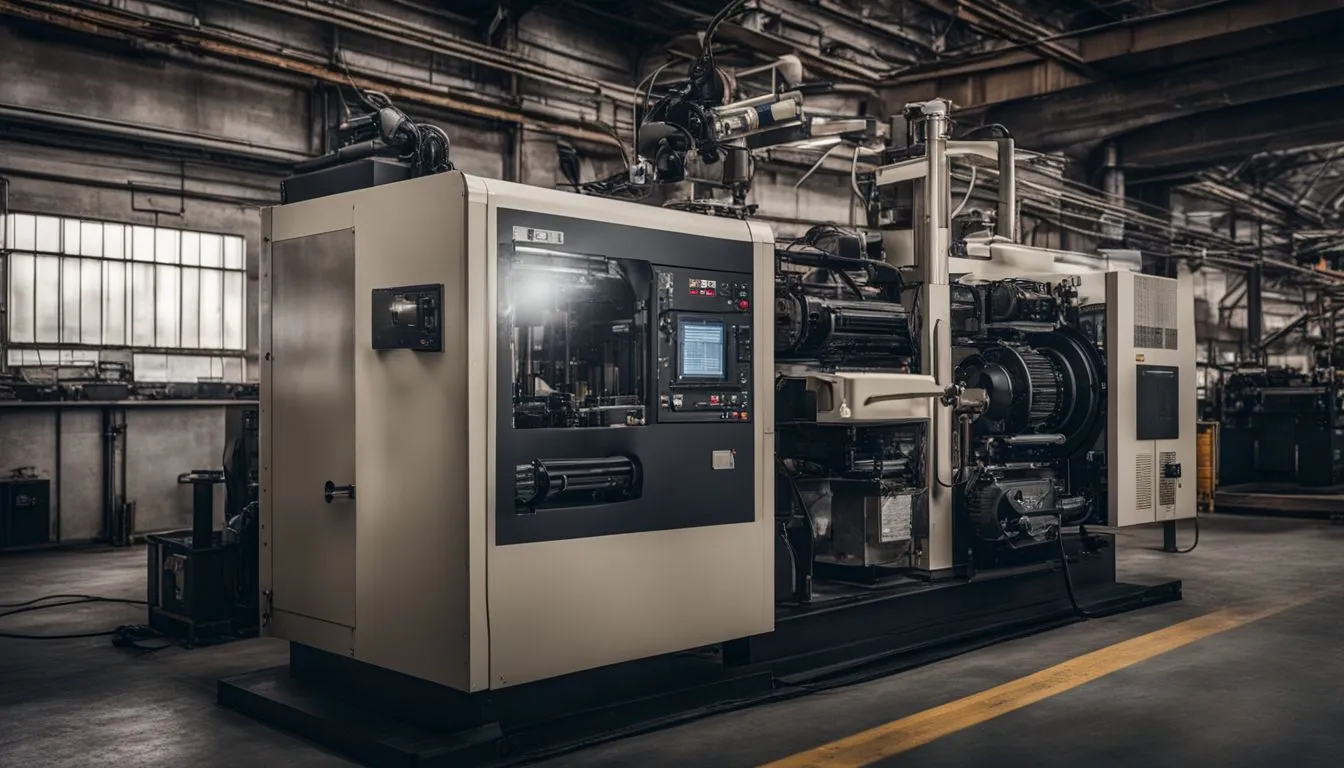
Lockout/Tagout refers to specific practices and procedures designed to safeguard workers from the unexpected energisation or startup of machinery and equipment, or the release of hazardous energy during service or maintenance activities.
Essentially, it’s a safety protocol that involves shutting down equipment, isolating it from its power source, and placing a lock and tag on the energy-isolating device to prevent accidental reactivation.
Employing this process is crucial in our workplace as it effectively addresses risks associated with electrical, mechanical, hydraulic, pneumatic, chemical energies – any form they may take.
As stewards of employee safety and gurus in mitigating risk within our businesses, we utilise these procedures not just for compliance but also because we value life over loss. With each use of a lockout device accompanied by a tag clearly indicating who has taken control of the system shut-down procedure, we ensure communication remains clear and risks remain managed.
Importance of Lockout/Tagout

Lockout/tagout procedures play a pivotal role in safeguarding our teams from the unforeseen release of hazardous energy. These steps are critical to ensure that machines are properly shut down and cannot be restarted before necessary maintenance or repairs are completed.
We put lockout devices in place to physically block the flow of energy, while tagout devices warn others not to operate the equipment. This dual barrier is not merely a regulatory requirement, it’s a lifeline for those working on or around industrial equipment.
Implementing rigorous lockout/tagout protocols is an investment in workplace safety and operational continuity. It prevents accidental machinery activation, which could lead to severe injury or even fatalities among their workforce.
By controlling hazardous energies, electrical, mechanical, hydraulic, pneumatic, we create a safer environment where we can all thrive without fear for personal safety. Safety locks and clear tag out processes demonstrate due diligence and commitment to occupational health standards we stand by every day as responsible business owners.
The Role of Due Diligence in Lockout Safety
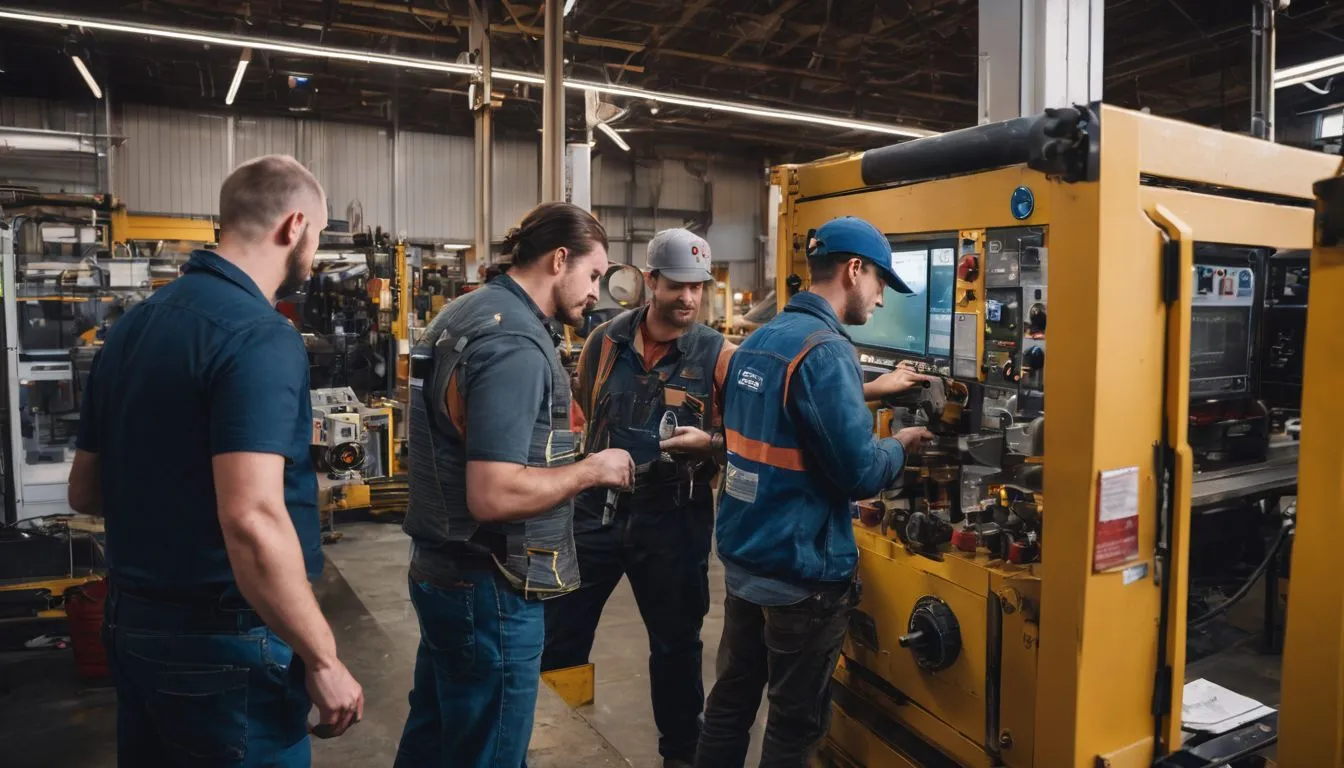
Employer Responsibilities include conducting regular risk assessments, implementing safe lockout procedures, providing adequate training and supervision, and ensuring the use of appropriate safety locks.
Employee Responsibilities involve following safety protocols, properly locking out machinery, and reporting any potential hazards or unsafe conditions promptly.
Employer Responsibilities

We have a vital role in ensuring the safety of our workers, especially when it comes to lockout/tagout (LOTO) procedures. It’s their duty to develop comprehensive programmes that prevent unexpected energisation or startup of machinery and equipment, which can cause severe injuries, or worse.
Implementing effective lockout safety devices is just part of the process; we need to provide clear training for all employees, so they understand their roles within these procedures.
Creating an environment where workplace safety is paramount starts with us setting strong examples and constantly reinforcing the importance of hazardous energy control. We must regularly check that all LOTO practices meet current regulations and are effectively protecting workers from harm.
Moving forward into employee responsibilities, let’s ensure everyone on our team knows how critical their participation is in maintaining a secure work environment.
Employee Responsibilities

Our role as employees in maintaining a safe work environment is crucial, especially when it comes to lockout/tagout procedures. It’s our duty to familiarise ourselves with the equipment and the energy sources that need de-energisation before starting any maintenance or repair work.
Adhering strictly to safety lockout procedures ensures not only our own well-being but also that of our colleagues. They must stay vigilant, always use the designated lockout devices, and verify that machinery is properly isolated before beginning tasks.
We take responsibility for reporting any irregularities or potential hazards associated with equipment shutdown procedures directly to management. This proactive approach helps mitigate risks and maintains a culture of safety within our workplace.
Engaging actively in regular training sessions keeps us up to date on lockout/tagout regulations and best practices for handling hazardous energy control effectively. Our commitment to due diligence protects us from harm and contributes positively towards achieving a zero-accident work environment.
Steps for a Safe Lockout/Tagout Procedure

When it comes to ensuring workplace safety, a safe lockout/tagout procedure is crucial. From preparation for shutdown to verification of isolation, each step plays a vital role in preventing accidents and reducing risks in the workplace.
Step 1: Preparation for Shutdown

We kick off the lockout/tagout process with a thorough preparation for shutdown. This initial phase is all about gathering all necessary information regarding the types of hazardous energy we’re dealing with, be it electrical, mechanical, chemical or thermal.
They identify every power source that needs to be controlled and ensure every team member knows exactly what machinery will be shut down. Accurate documentation of equipment specifications paves the way for a seamless transition into ensuring everyone’s safety.
Carefully check maintenance histories and consult with machine operators to gain insights on any anomalies that may affect the shutdown procedure. It’s essential to collect all relevant lockout devices and tagout signs before initiating a shutdown; this means having safety locks, tags, and isolation points at hand to secure each energy source effectively.
Preparation sets the stage for a successful lockout/tagout routine – one where due diligence ensures hazard prevention is not just an ideal but our everyday reality in maintaining workplace safety.
Step 2: Notification

Once we’ve planned for the shutdown, it’s crucial to notify all those affected. This includes employees, maintenance staff, and any other individuals who work near or with the equipment that will be shut down.
Communication is key in preventing any misunderstandings or accidents. They ensure clear signals are given regarding what machinery is going off-line and when.
Effective notification isn’t just about making announcements; it involves confirming everyone understands the lockout procedure ahead. We distribute simple instructions on where to go and what to do during this phase.
By doing so, our teams stay safe while we establish a controlled environment for maintenance tasks to proceed without risk of injury from unexpected energisation.
Step 3: De-energising Machinery

Turning off the machinery is a critical stage in lockout/tagout procedures. First, we shut down the equipment following established protocols, ensuring all moving parts come to a complete stop.
It’s vital that we cut power at the main switches or valves and disconnect all energy sources. This includes electricity, steam, water, and compressed air – anything that powers or could accidentally re-energise the machine.
We meticulously check that every possible source of energy is neutralised. Energy isolation devices such as circuit breakers or line valves are used to ensure machines remain inactive.
Locks and tags are then applied to these devices to signal that maintenance is underway and prevent any accidental activation. This step roots out potential for unexpected startups, making it safe for workers to perform their duties without fear of injury from hazardous energy release.
Step 4: Lockout & Tag out
After de-energising the machinery, lockout and tag out must be completed to ensure a safe work environment. Lockout involves physically securing energy isolating devices in the off or closed position with a lock to prevent hazardous energy from being released.
Tags are then attached to these devices, clearly indicating that they should not be operated until the tags are removed by an authorised personnel. This step is crucial in preventing accidental energisation of equipment during maintenance or servicing.
All employees involved in the lockout/tag out process need to understand and adhere strictly to established procedures.
Business Owners must provide adequate resources and training for their employees to execute this step effectively, as failure in implementing proper lockout/tag out practices can lead to severe workplace accidents and injuries.
Step 5: Verification of Isolation
After completing the lockout and tag out process, the next crucial step is to verify isolation. This involves ensuring that all hazardous energies have been effectively isolated and dissipated.
Using appropriate testing equipment, such as a voltage detector or a multimeter, can help in confirming that the machinery or equipment is de-energised and safe to work on. It’s important for employees to receive thorough training on how to use these verification tools accurately to avoid any potential risks.
Once isolation has been verified, it’s essential for workers to double-check their surroundings and confirm that all safety locks are securely in place before commencing with any maintenance or repair work.
The Benefits of Using Lockout Systems

Implementing lockout systems in your workplace not only prevents accidents but also reduces the overall risk, ensuring a safer working environment for all employees. By using lockout safety locks, you can effectively control hazardous energy and protect against potential workplace injuries.
Prevention of Accidents
Lockout safety measures play a crucial role in preventing accidents in the workplace. By implementing proper lockout/tagout procedures and using safety locks, businesses can effectively mitigate the risk of hazardous energy-related incidents.
This proactive approach not only ensures the safety of employees but also helps to comply with workplace injury prevention regulations while maintaining a secure work environment.
Regular inspection and maintenance of lockout devices are vital for accident prevention, as it helps identify any potential issues or hazards before they escalate. It’s important to prioritise workplace safety by encouraging reporting of electrical hazards and consistently revisiting lockout/tagout programmes to stay ahead of potential risks.” Understanding these essential steps will help improve occupational health standards and reduce the likelihood of workplace accidents.
Reduction of Risk in the Workplace
Reducing risk in the workplace is paramount for ensuring the safety of all employees and maintaining smooth operational processes. Implementing thorough lockout/tagout procedures significantly minimises the potential for accidents caused by hazardous energy sources.
By adhering to strict de-energising protocols and using safety locks, employers can mitigate the risks associated with equipment maintenance and servicing.
Regularly conducting risk assessments and prioritising employee training on lockout/tagout procedures are crucial steps in reducing workplace hazards. Encouraging a culture of vigilance towards equipment safety and promoting active hazard prevention measures further contributes to mitigating risks in the workplace.
Essential Guide to Getting the Most from Your Lockout Safety Locks

When using lockout safety locks, it’s essential to choose the right device for each specific application. Start by understanding the different types of devices available and how they function.
Ensure that your team members are well-versed in identifying and selecting the appropriate lockout device according to their tasks. Regularly review workplace procedures to incorporate new and user-friendly lockout technologies as they become available.
Empower your employees to take ownership of their safety by providing comprehensive training on how to utilise lockout safety locks effectively. Encourage them to report any faulty or damaged devices promptly for immediate replacement or repair, helping maintain a high standard of workplace safety.
Reviewing Your Lockout/Tagout Programme

Regular inspection and maintenance of your lockout/tagout program is crucial to ensuring its effectiveness in preventing workplace accidents. Encouraging reporting of electrical hazards and continuously improving the program will contribute to a safer work environment for everyone involved.
Regular Inspection and Maintenance
Regular inspection and maintenance are crucial aspects of ensuring the efficacy of your lockout/tagout program. Here are important steps to follow for regular inspection and maintenance:
- Scheduled Inspection: Regularly schedule thorough inspections of all lockout devices, safety locks, and tagout equipment to ensure they are in optimum working condition.
- Documentation Review: Review all documentation related to your lockout/tagout program regularly to identify any gaps or areas that require attention or improvement.
- Employee Training: Conduct periodic training sessions for employees on proper inspection techniques and ensure they understand the importance of regular maintenance.
- Equipment Calibration: Regularly calibrate and test all lockout devices and safety locks to verify their accuracy and functionality.
- Maintenance Checks: Perform routine maintenance checks on all lockout/tagout equipment to identify any wear and tear or damage that may compromise their effectiveness.
- Record Keeping: Maintain detailed records of all inspections, maintenance activities, and any replacements or repairs conducted on lockout/tagout devices.
- Safety Culture Promotion: Continuously promote a culture of safety within the workplace, encouraging proactive reporting of any issues related to lockout/tagout equipment for swift resolution.
- Supplier Communication: Regularly communicate with suppliers or manufacturers regarding any updates or recalls related to lockout/tagout devices used in your workplace.
- Audit Preparation: Stay prepared for regular audits by ensuring that all aspects of your lockout/tagout program, including inspection and maintenance records, are up-to-date and well-documented.
Encouraging Reporting of Electrical Hazards
After ensuring regular inspection and maintenance of lockout/tagout systems, the next crucial step is encouraging reporting of electrical hazards. This involves creating a culture where employees feel comfortable reporting potential dangers without fear of repercussions. It is essential to:
- Establish open communication channels: Encourage employees to report any electrical hazards they encounter by providing multiple avenues for reporting, such as confidential hotlines or digital platforms.
- Conduct regular safety meetings: Schedule periodic meetings to discuss potential electrical hazards and reinforce the importance of reporting them promptly.
- Provide training on hazard recognition: Offer comprehensive training programmes to educate employees on identifying and reporting electrical hazards effectively.
- Recognise and reward proactive reporting: Implement a system that acknowledges and rewards employees who demonstrate a commitment to identifying and reporting potential electrical dangers in the workplace.
- Foster a non-punitive approach: Emphasise that the primary goal of reporting electrical hazards is to ensure everyone’s safety, fostering an environment where employees understand that reporting serves the collective interest of the organisation.
- Take prompt action on reported hazards: Demonstrate a commitment to addressing reported electrical hazards swiftly, indicating that the reports are taken seriously and acted upon proactively.
- Communicate the impact of hazard reporting: Share real-life examples with employees illustrating how timely hazard reporting has prevented workplace accidents, emphasising the positive outcomes of their contributions.
- Promote peer-to-peer awareness: Encourage employees to look out for each other’s safety and report any potential electrical hazards they notice in their colleagues’ work environments.
Understanding the Lockout/Tagout Safety Quiz
The Lockout/Tagout Safety Quiz serves as an essential tool to assess the knowledge and understanding of lockout/tagout procedures among employees. It helps gauge their readiness to implement safety measures in the workplace effectively.
Purpose and Importance
Understanding the purpose and importance of lockout safety locks in the workplace is crucial for ensuring the well-being of employees and compliance with safety regulations. A solid lockout/tagout programme not only shields workers from harm but also prevents accidents, reduces risk, and promotes a culture of hazard prevention.
By strictly adhering to lockout procedures and using effective lockout devices, employers demonstrate their due diligence in providing a safe work environment while avoiding costly penalties associated with non-compliance.
Implementing robust lockout safety measures does more than just meet regulatory requirements; it fosters trust among employees, boosts productivity by mitigating downtime from accidents, thereby improving overall operational efficiency.
Common Questions and Answers
In understanding the purpose and importance of lockout/tagout safety, it’s essential to address common questions that may arise. Here are some important questions and their corresponding answers to help clarify any uncertainties:
- How often should lockout/tagout procedures be reviewed?
- Who is responsible for conducting lockout/tagout training?
- Are there specific requirements for the design and use of lockout/tagout devices?
- What steps can be taken to foster a culture of reporting electrical hazards in the workplace?
- Are there on – site assessments available for evaluating lockout/tagout compliance?
- What resources exist for staying updated on lockout/tagout regulations?
- Can temporary workers participate in performing lockouts under certain conditions?
- How do I determine which type of energy control device is most appropriate for my workplace?
- The types of machinery used
- The energy sources present
- The complexity of operations
- Environmental conditions
- The extent required standardisation across multiple devices
Lockout/Tagout Examples

In this section, we will explore real-life scenarios where successful lockout/tagout procedures have prevented accidents and injuries in the workplace. By learning from these examples, you can gain valuable insights into best practices for implementing effective lockout/tagout measures in your own business or industrial setting.
Real-life Scenarios of Successful Lockout/Tagout
- A machine operator diligently followed the lockout procedure before conducting maintenance, preventing a serious injury caused by unexpected activation of the equipment.
- During routine servicing, an electrical technician adhered to strict lockout guidelines, averting a potential electrical hazard that could have resulted in a major workplace accident.
- In a manufacturing facility, timely implementation of lockout/tagout prevented the inadvertent activation of heavy machinery during repair, ensuring the safety of maintenance personnel.
- An effective lockout/tagout process thwarted a hazardous energy release while workers were repairing industrial equipment, averting potential injuries and financial losses for the company.
- Following thorough lockout measures during repairs on an assembly line, operators prevented accidental startup and ensured continued productivity without risking employee safety.
- In a construction site, adherence to stringent tagout protocols prevented unintentional activation of power tools during maintenance work, maintaining a safe working environment for all labourers involved.
- Sustained adherence to lockout/tagout procedures across multiple facilities within an organisation resulted in significant reductions in workplace injuries and improved overall operational efficiency.
Lessons Learned and Best Practices
After reviewing your lockout/tagout programme, it’s crucial to implement the lessons learned and best practices. Regular inspection and maintenance of lockout devices are essential in ensuring they function effectively when needed.
Encouraging employees to report electrical hazards promptly is another key practice that aids in preventing workplace accidents.
Real-life scenarios of successful lockout/tagout can provide valuable insights into what works well and areas needing improvement. By learning from these experiences, businesses can continually enhance their lockout safety procedures, ultimately minimising the risk of hazardous energy-related incidents.
Moving forward with a robust understanding of lessons learned and best practices is vital for maintaining a safe work environment.
Lockout/Tagout Devices

Different types of lockout/tagout devices include lockout hasps, cable locks, circuit breaker lockouts, and valve lockouts. Each device serves a specific purpose in securing hazardous energy sources during maintenance or repair work.
Understanding how to choose the right device for each situation is crucial for ensuring workplace safety.
Different Types of Devices
- Padlocks: These sturdy locks are versatile and can be used with a variety of lockout hardware, providing a visible indication that equipment is shut down.
- Lockout Hasps: These allow multiple workers to lock out the same energy source with their individual padlocks, enabling collaborative control of hazardous energy.
- Circuit Breaker Lockouts: Designed to prevent unauthorised use of electrical circuits, these devices fit directly onto circuit breakers or fuse blocks, ensuring that the circuit cannot be energised during maintenance.
- Valve Lockouts: Used for securing valve handles in the off position, these devices prevent accidental opening or closing of valves during maintenance or repair work.
- Plug Lockouts: These are designed to secure various types of plugs, including electrical and pneumatic plugs, safeguarding against unintended re-energisation.
How to Choose the Right Device
After understanding the different types of lockout/tagout devices available, it’s essential to choose the right device for your specific equipment and workplace needs. Conduct a thorough assessment of your machinery and energy sources to determine the most suitable lockout/tagout device that provides effective isolation.
Consider factors such as size, shape, and compatibility with different energy control points.
Evaluate the durability and reliability of each device to ensure long-term effectiveness in hazardous energy control. Look for user-friendly features that simplify application and removal processes while maintaining high levels of security.
Conclusion

In conclusion, implementing lockout/tagout procedures is vital for workplace safety. We have detailed the importance of due diligence in ensuring the effectiveness of these safety measures.
Our step-by-step guide provides practical and efficient strategies for de-energising equipment and preventing hazardous energy incidents. Have you considered how your business can benefit from prioritising lockout safety? Are there specific areas where improvements can be made? Applying our recommendations can lead to a significant reduction in workplace risks and potential accidents.
Remember, regular review and maintenance are essential for sustaining a safe working environment. Take action today towards enhancing your lockout/tagout programme to ensure the well-being of everyone in the workplace.
Sorting out lockout for your own site?
Describe what needs isolating and we'll help you work out the setup that fits.