


Navigating the maze of lockout safety protocols can sometimes leave us scratching our heads, right? Down here, we’ve all been through a bit of head-scratching trying to figure out the best way to keep things safe and sound at work.
So, after rolling up our sleeves and doing some hard yakka in research, we reckon we’ve got something worth sharing. Our guide’s chock-a-block full of straight-up steps that’ll help you tighten up your safety game and really get those lockout devices doing their job well.
Let’s team up and make sure everyone goes home from work without a scratch!
Understanding Lockout/Tagout (LOTO)

Lockout/Tagout (LOTO) is a critical procedure for ensuring workplace safety, particularly around machines and equipment that require maintenance or servicing. Imagine workers performing tasks on machinery without first making sure it’s safely shut off; the risk of injury or even death is high.
This is where LOTO comes in – it’s a set of practices we use to safeguard employees from these hazards by isolating energy sources and preventing the unexpected startup of equipment.
We put lockout devices on energy isolation points so that machines stay off until they’re ready to be safely reactivated. Tags are also applied as visible warnings to inform others about ongoing maintenance work.
To make this process watertight, every business owner needs to understand both the practical steps of applying LOTO systems and why they’re non-negotiable aspects in maintaining OSHA compliance.
It’s not just about following rules, it’s about protecting lives and fostering a culture of industrial safety through effective lockout tagout procedures and robust lockout tagout programmes.
Importance of LOTO in Workplace Safety

Having gained an understanding of lockout/tagout, it’s crucial to acknowledge how integral LOTO is to maintaining a safe workspace. Each year, countless injuries and even fatalities occur due to the lack of proper isolation of hazardous energy during maintenance and inspection activities.
Implementing a rigorous LOTO programme safeguards workers from unexpected startups or releases of stored energy while they perform their duties.
LOTO stands as a critical line of defence against workplace accidents. Prioritising the use of safety locks and clearly marked danger tags not only helps you comply with OSHA standards but also fosters a culture where employee well-being is paramount.
Regular lockout safety inspections, combined with thorough lockout procedures, serve as vital processes that ensure every team member returns home safely after their shift. This proactive approach in creating secure work environments delivers peace of mind for both employees and business owners alike.
Review of the OSHA Lockout/Tagout Standard

The OSHA Lockout/Tagout Standard is a critical piece of legislation that ensures the safety of workers when interacting with machinery. It requires clear processes for shutting down and isolating equipment to prevent unexpected starts during maintenance or servicing.
This thorough standard demands that all energy sources be properly controlled, including electrical, mechanical, pneumatic, chemical, and thermal energies. Each lockout device must hold strong against any attempt to release it without proper authorisation.
We recognise this standard as a cornerstone of industrial safety and make it our mission to help you navigate its complexities. Adhering strictly to these guidelines not only prevents accidents but also solidifies your reputation as a business owner who prioritises worker protection above all else.
Up next: let’s explore the different types of Lockout Safety Locks you might consider for enhancing your LOTO programme.
Types of Lockout Safety Locks

When it comes to lockout safety locks, choosing the right type is crucial for effective workplace safety. This section will review some of the options available in the market and provide insights into their features and benefits.
Master Lock’s Safety Lockout Padlocks

Master Lock’s 410 safety padlock has a lightweight, non-conductive Zenex thermoplastic body and a reserved-for-safety cylinder, and comes keyed different, keyed alike or master keyed.
Lockwood Padlocks
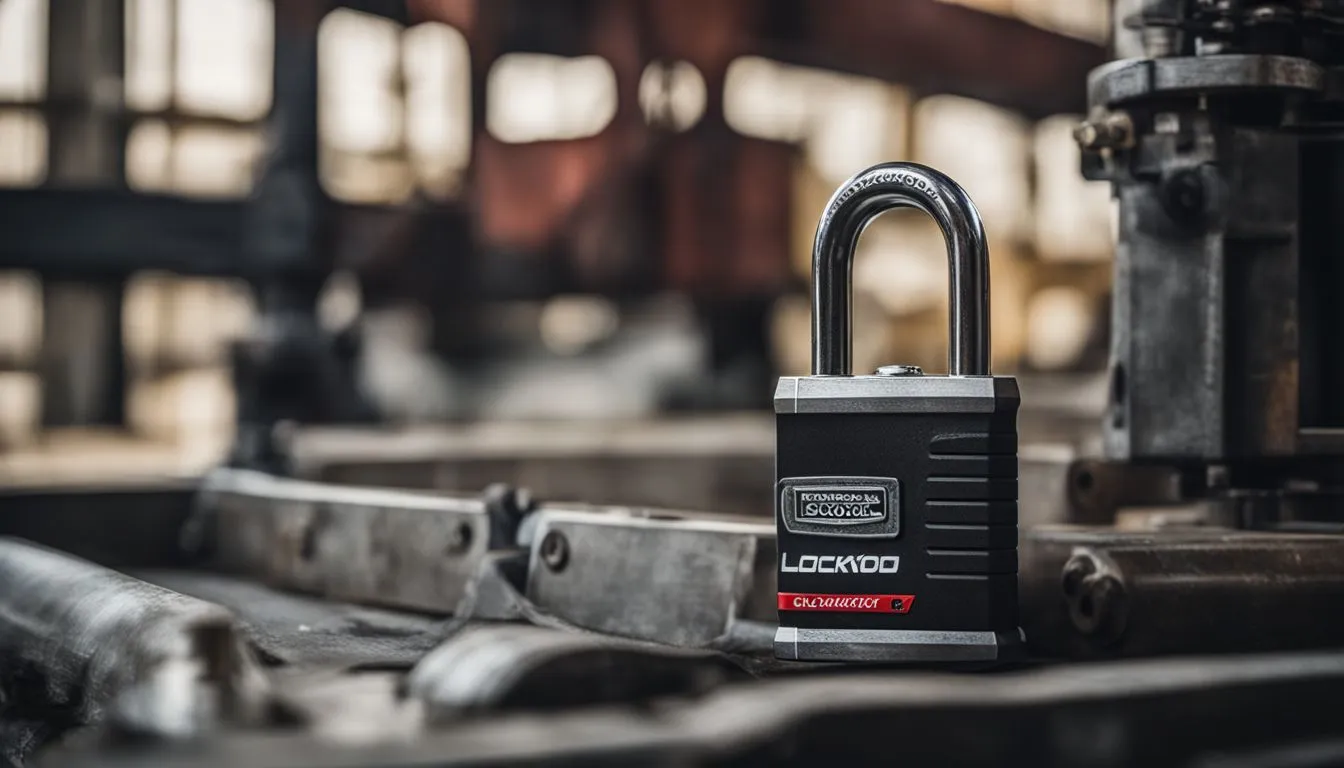
Lockwood’s padlock range runs from small residential letterbox locks to high-security commercial marine-grade locks.
Let’s move forward by examining guidelines that will help choose the right security measures tailored to your specific needs.
Guidelines for Choosing the Right Lockout Safety Lock

When choosing the right lockout safety lock, it’s important to consider factors such as material, size, and compliance with industry standards. These guidelines will help you make an informed decision when selecting a safety lock that meets your specific needs.
Considerations such as material, size, and compliance

Choosing the right material for your safety locks is crucial. You need locks that can resist extreme temperatures, chemicals, and impact to ensure they hold up under tough conditions.
Plastic shackle padlocks might be perfect for electrical lockouts due to their non-conductive nature, while steel or aluminium could serve better in harsh environments.
Size matters as well; your locks should fit snugly at isolation points without being too bulky or interfering with other equipment. Compliance isn’t just a box-tick exercise, it’s about keeping everyone safe.
Always opt for safety locks that meet or exceed OSHA standards to ensure maximum protection during lockout tagout procedures. We’ll explore further the benefits these sturdy choices offer for our workplace safety next.
Benefits of Using Lockout Safety Locks

Lockout safety locks offer powerful protection for both their staff and machinery. They prevent accidental start-ups during maintenance, effectively saving lives and avoiding injuries.
These robust locks can withstand extreme conditions, ensuring that machines stay off until they’re meant to be back in operation. We enjoy peace of mind knowing that the workflow is safe from unplanned interruptions, which translates into more consistent operations and reduced downtime.
Their color-coded design simplifies identifying specific lockout points at a glance, making compliance with OSHA standards straightforward for everyone on the team. What’s more, these locks are user-friendly; we can train our employees quickly on how to use them correctly.
The result? A safer work environment where every team member actively contributes to maintaining high safety standards without complex procedures or confusion over isolation points – it’s as simple as locking a padlock and attaching a danger tag.
The Role of Lockout Safety Locks in a Broad Safety Scope

Lockout safety locks play a pivotal role in maintaining a comprehensive safety protocol within the workplace. These safety locks serve as vital components in preventing unexpected equipment startups, which could lead to accidents or injuries.
By implementing lockout safety locks, businesses can effectively isolate energy sources and machinery, ensuring that maintenance tasks are carried out safely and efficiently.
Incorporating lockout safety locks into your broader safety framework not only meets regulatory standards but also establishes a culture of vigilance towards workplace safety. Utilising these specialised locks demonstrates a commitment to safeguarding the well-being of employees while enhancing overall operational security within your establishment.
Importance of Keying for LOTO

Keying is a critical aspect of LOTO, ensuring that each lock and key are unique to the individual worker or team. This prevents unauthorised access or removal of locks, enhancing the safety and security of the isolation process.
Unique keying also allows for easy identification during maintenance, inspection, and emergency situations, enabling swift action when needed.
Proper keying ensures that only authorised personnel can unlock specific devices, supporting HSE compliance and minimising the risk of accidents or injuries. This tailored approach to key management plays a crucial role in maintaining workplace safety standards and preventing potential hazards associated with improper lockout/tagout practices.
Complying with LOTO Procedures

Ensure adherence to lockout/tagout (LOTO) procedures by following the specific steps outlined for effective implementation. For more insights on ensuring workplace safety through LOTO compliance, continue reading our essential guide.
Steps for an Effective LOTO Procedure

To ensure workplace safety, follow these key steps for an effective LOTO procedure:
- Identify All Energy Sources: Locate and document all energy sources that need to be isolated during maintenance or servicing.
- Notify Affected Employees: Inform employees about the upcoming lockout/tagout procedure and ensure they understand the purpose and potential risks involved.
- Shut Down Equipment: Power down the machinery or equipment being serviced, and ensure all moving parts have come to a complete stop.
- Isolate Energy Sources: Physically disconnect the power source by locking out the main switch, valve, or circuit breaker. This prevents accidental startup.
- Release Stored Energy: Safely release any stored energy in the system, such as residual pressure in hydraulic lines or capacitors in electrical equipment.
- Apply Lockout Devices: Securely attach lockout devices to energy isolation points and affix danger tags to alert others of the ongoing maintenance work.
- Verify Isolation: Double-check that all energy sources are effectively isolated before commencing any maintenance or service work.
- Perform Maintenance Tasks: Conduct required maintenance or servicing while adhering to safe work practices and wearing appropriate personal protective equipment (PPE).
- Restore Equipment: After completing maintenance tasks, remove lockout devices and test that the equipment operates safely before resuming normal operations.
Training Employees on LOTO Procedures
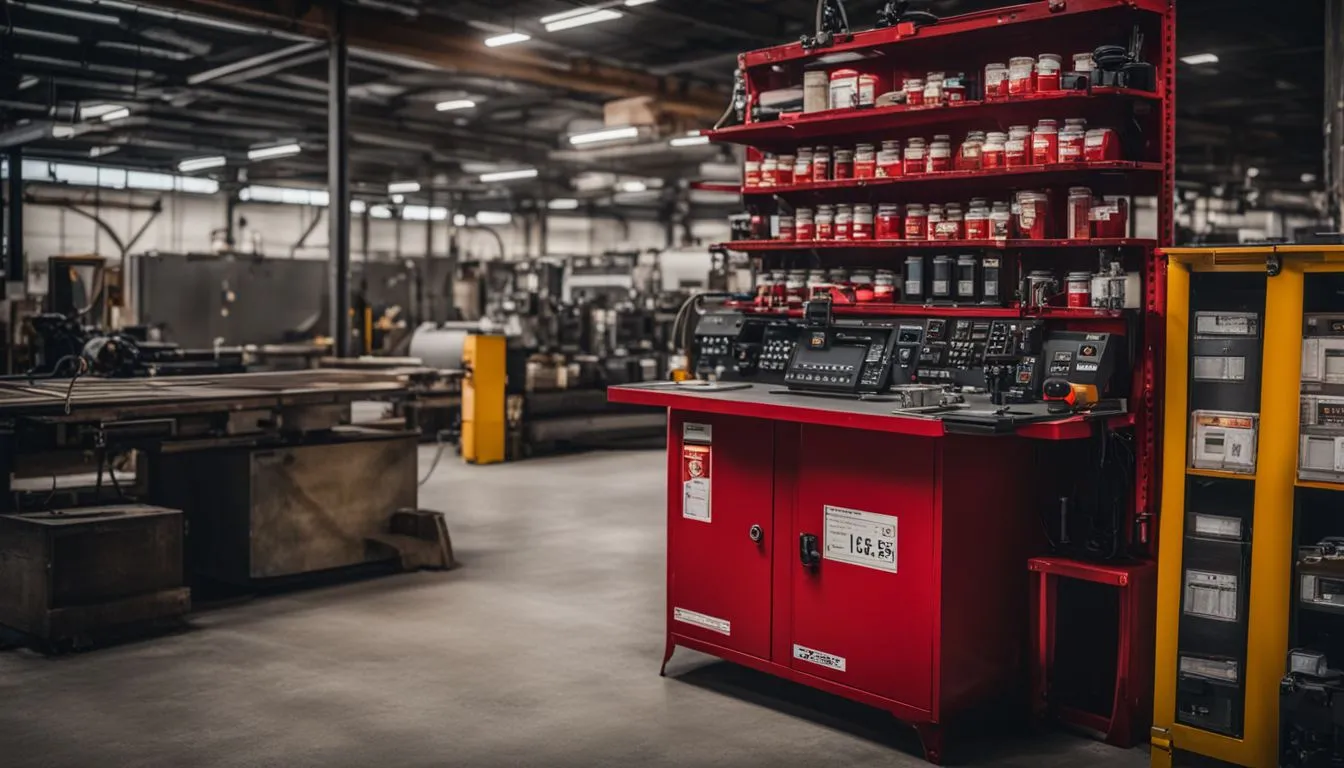
It is important to properly educate and train employees on lockout/tagout procedures to ensure that they understand the risks involved and are able to carry out the necessary steps effectively.
Proper training can prevent accidents, injuries, and even fatalities in the workplace.
Importance of Proper Training
Proper training for employees in lockout/tagout procedures is crucial to ensuring workplace safety. It equips them with the knowledge and skills needed to effectively isolate energy sources, apply lockout safety locks, and perform maintenance while preventing hazardous energy release.
By investing in comprehensive training programmes, business owners can cultivate a safety culture where employees are proficient in identifying isolation points, using appropriate lockout devices, and complying with HSE standards.
Moreover, well-trained staff contribute to improved efficiency and reduced downtime due to fewer accidents or incidents related to improper lockout procedures.
Employee Education on Lockout Procedures
Employee education on lockout procedures is crucial for maintaining a safe work environment, as well as complying with relevant regulations. To ensure that your employees are well-informed and equipped to handle lockout procedures effectively, consider the following key points:
- Conduct regular training sessions: Schedule routine training sessions to educate employees about the importance of lockout procedures and how to implement them correctly.
- Provide comprehensive instruction: Offer detailed guidance on identifying energy isolation points, using safety locks, and implementing lockout/tagout systems in various workplace scenarios.
- Emphasise hazard awareness: Educate employees about potential hazards associated with improper lockout procedures and the importance of adhering to safety protocols.
- Demonstrate proper techniques: Utilise practical demonstrations to show employees how to properly apply and remove safety locks and tags during equipment maintenance or servicing.
- Encourage employee engagement: Foster a culture of active participation by encouraging employees to ask questions, seek clarification, and provide feedback during training sessions.
Establishing a LOTO Programme

To establish a LOTO programme, we need to start with a comprehensive assessment of the workplace. Identify all energy sources and potential hazardous areas that require lockout/tagout procedures.
Next, develop detailed written policies and procedures for implementing LOTO measures. Ensure clear communication of these protocols to all employees through regular training sessions.
Designating responsible individuals to oversee the LOTO programme is essential for its successful implementation and maintenance. Regular audits and reviews can also ensure ongoing compliance with safety standards.
It’s imperative to involve employees in the development and execution of the LOTO programme, as this promotes awareness, accountability, and ownership of safety practices within the workplace.
Integrating feedback from staff members can also lead to improvements in existing LOTO processes while fostering a culture of continuous improvement in workplace safety.
Where to Purchase Lockout Safety Locks

You can find a comprehensive range of lockout/tagout products from commercial and domestic locksmiths, as well as suppliers offering a wide selection of safety locks. To learn more about the best places to purchase lockout safety locks, keep reading!
Commercial and Domestic Locksmiths
When seeking lockout safety locks, it’s essential for business owners to consider both commercial and domestic locksmiths. Commercial locksmiths often specialise in larger-scale security systems, like those found in office buildings or industrial settings.
They can offer tailored solutions for complex lockout/tagout needs as well as provide expertise in compliance with OSHA standards. On the other hand, domestic locksmiths are valuable resources for small businesses, providing expert advice on securing entry points and choosing appropriate safety locks that comply with local regulations.
Engaging commercial and domestic locksmiths can ensure comprehensive support when implementing lockout/tagout procedures and selecting the most suitable safety locks. These professionals play a crucial role in enhancing workplace safety by offering guidance on system integration, keying strategies, and ongoing maintenance requirements.
Suppliers offering a Comprehensive Range of Lockout/Tagout Products
Business owners can easily access a comprehensive range of lockout/tagout products from trusted suppliers. These reputable suppliers are equipped to provide various options to cater to the specific needs of different industries, including safety lockout padlocks, tagout devices, lockout stations, and more.
The wide array of products ensures that business owners can find solutions tailored to their unique requirements, enhancing workplace safety and compliance with OSHA standards.
Reputable suppliers have extensive knowledge in the field of lockout/tagout and offer guidance on selecting the right equipment for specific applications. Additionally, these suppliers often provide training resources and support materials to ensure proper usage and maintenance of the lockout/tagout products.
Conclusion
In conclusion, we have explored the essential aspects of lockout safety locks and their vital role in workplace safety. We’ve provided practical guidelines for choosing the right lockout safety lock, emphasising its impact on overall safety protocols.
These strategies are easy to implement and can lead to significant improvements in industrial safety compliance. For further engagement with this topic, consider exploring additional resources or services related to lockout/tagout programmes and safety procedures.
Let us strive to create safer work environments by implementing these effective measures in our businesses.
Sorting out lockout for your own site?
Describe what needs isolating and we'll help you work out the setup that fits.