

Looking after the wellbeing of mates during gear maintenance isn’t just a box-ticking exercise, it’s a genuine priority in workplaces across Australia. We get it because we’ve been there, right alongside you, navigating these same choppy waters.
Our thorough dig into the subject shows that proper lockout tagout steps are absolute lifesavers, stopping heaps of mishaps in their tracks. This yarn is going to walk you through how to set up a top-notch lockout safety system that not only watches over your crew but also keeps you square with the rules.
You’ll be gobsmacked at how straightforward padlocks and tags can make all the difference between a good day and a real stinker.
Understanding Lockout Tagout (LOTO)
Lockout Tagout (LOTO) is a safety procedure used to ensure that dangerous machines and energy sources are properly shut off and not started up again prior to the completion of maintenance or servicing work.
The process involves the use of locks, tags, and other devices to control hazardous energy and prevent accidents in the workplace. It’s important to understand the differences between lockout and tagout, as well as HSE standards and exceptions related to LOTO procedures.
Definition and importance

Lockout Tagout (LOTO) is a critical safety procedure designed to protect employees from hazardous energy while servicing or maintaining equipment and machinery. It involves placing a lock and tag on an energy isolating device, ensuring that the machine cannot be operated until maintenance is complete and the locks are removed.
This process prevents unexpected startups or releases of stored energy, which could lead to severe workplace accidents.
We understand the importance of LOTO in safeguarding our team members from harm. Ensuring that everyone returns home safely at the end of each workday is not just a legal obligation under Occupational Safety & Health Administration (OSHA) compliance regulations; it’s our ethical responsibility as business owners.
By strictly adhering to LOTO protocols, we mitigate risks, reduce downtime caused by injuries, and foster a culture of workplace health and safety.
Difference between lockout and tagout

Understanding the distinction between lockout and tagout is crucial for maintaining a safe workplace, especially when dealing with plant isolation and equipment servicing. Lockout involves physically securing energy isolating devices with safety locks to prevent the accidental activation of machinery.
This can include advanced padlocks that are designed to be tamper-proof, ensuring that once applied, no one can operate the machine until it’s removed by an authorised individual.
Tagout is slightly different, it uses tags rather than locks. These tagout devices are warning labels attached to equipment to indicate that it should not be operated until the label is legally removed.
While tags don’t physically restrain equipment from being powered on like safety locks do, they serve as clear visual reminders about ongoing maintenance or servicing procedures. Tagging out engages employees in safety protocols by prominently displaying important information directly at lockout points.
Employing both these strategies helps uphold OSHA compliance regulations and lays foundation stones for robust risk management systems aimed at preventing workplace accidents. We ensure our team members fully understand their distinct roles, embracing each technique where appropriate, so everyone contributes effectively to occupational safety standards within our business operations.
OSHA standards and exceptions

OSHA standards set the baseline for safety protocols, including those for lockout/tagout procedures that prevent accidental equipment energisation. These regulations ensure a safer working environment by requiring specific practices to isolate energy sources during maintenance or servicing.
We keep these rules at the forefront of our strategies to uphold workplace health and safety.
There are exceptions, though, allowing us flexibility when situations don’t neatly fit OSHA guidelines, as long as risks are properly managed and equivalent protection is provided.
This ensures Occupational safety remains paramount without compromising operational efficiency. Our commitment includes staying updated on such deviations and integrating them with due care into our safety compliance measures.
Key Components of Lockout Safety Locks
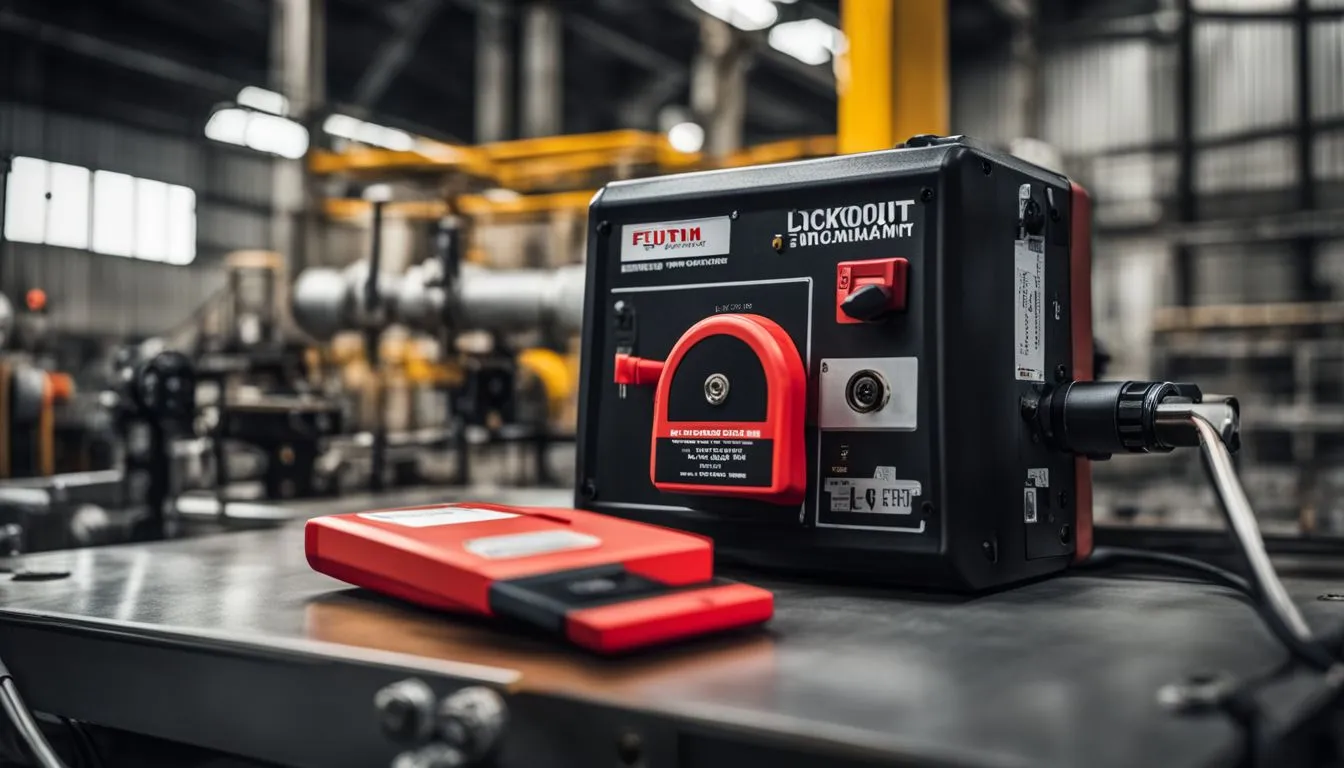
Lockout safety locks consist of various essential components, such as energy isolating devices, lockout and tagout devices, LOTO boxes, and specific procedures for using locks and tags.
These are critical in ensuring the safety of workers when performing maintenance or servicing equipment.
Energy isolating devices

Energy isolating devices are crucial for ensuring that machines are completely shut off and cannot be started up again whilst maintenance work is being carried out. These devices physically block the flow of energy, providing a solid barrier against unexpected energisation or the release of hazardous energy sources that could harm workers.
They come in various forms, such as electrical circuit breakers, line valves, or blocks, and they serve one purpose: to keep our teams safe from accidents caused by sudden equipment activation.
We take pride in meticulously choosing these devices to suit each piece of machinery within our operations. Handling these tools requires understanding their function and application; it’s not just about securing them in place but knowing which device aligns with different types of equipment and energy forms.
Our commitment extends beyond fitting these safety measures – we educate every team member on their proper use to cultivate an environment where workplace safety is never compromised by oversight or shortcut.
Lockout and tagout devices

Lockout and tagout devices are the sentinels of safety in our workplaces, guarding against unexpected energisation or release of stored energy during maintenance and servicing activities.
These devices physically block access to control points on machinery or equipment, ensuring that power sources are effectively isolated. As business owners, we provide durable locks and tags that are critical to implementing a successful lockout/tagout (LOTO) programme.
Using these tools requires awareness and adherence to specific protocols. We fasten lockout devices directly onto energy-isolating mechanisms – think valves or breaker switches – which can only be removed with a key held by the authorised individual performing the service task.
Tagout items then work as warning signs: they clearly inform all employees about ongoing maintenance with bold colours and standardised messages. Our commitment to workplace health and safety hinges upon both their consistent use and the rigorous training provided to our staff on how to correctly deploy them for each unique situation.
LOTO box
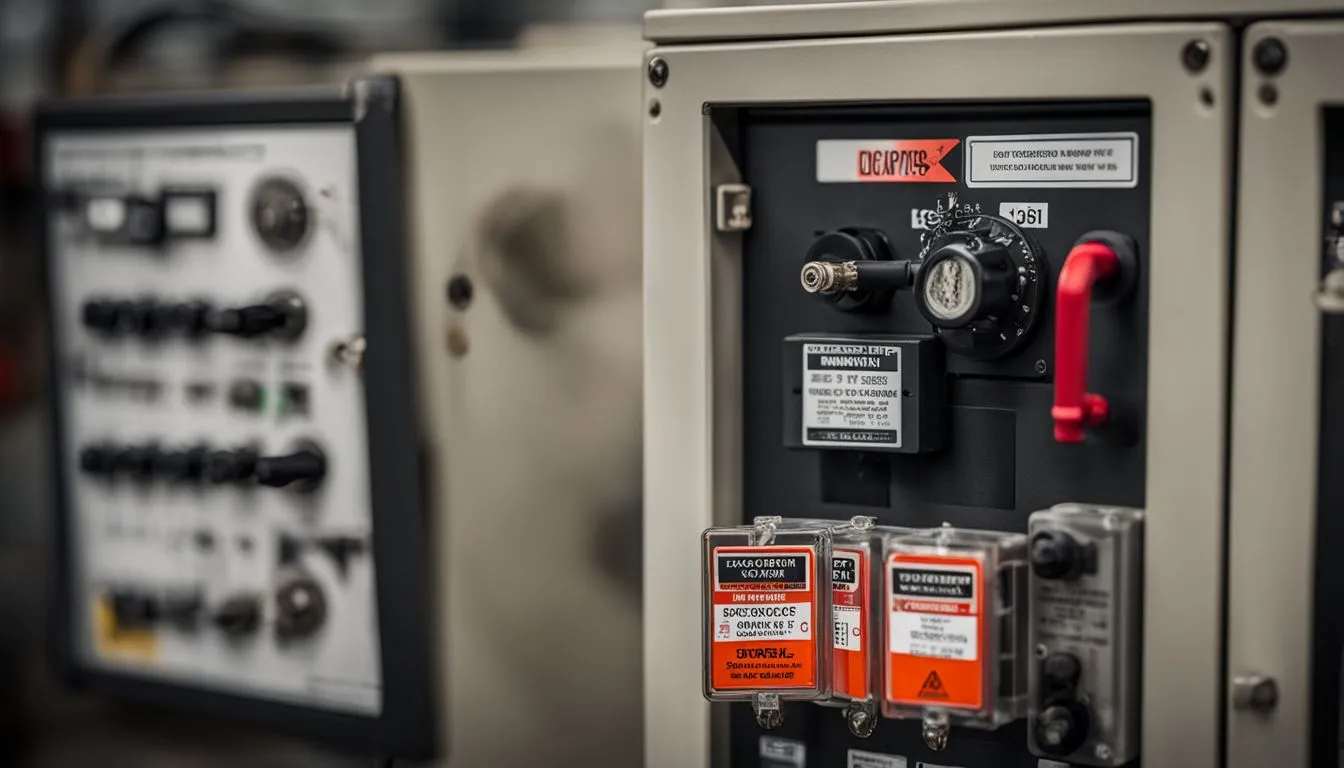
A LOTO box is a crucial tool we include in our safety arsenal, especially when dealing with multiple energy sources and numerous workers. Imagine it as a shared safe, everyone involved places their individual locks on the box, ensuring that no single person has the power to restore energy to the equipment while maintenance or servicing is underway.
This practice effectively prevents accidental startups and keeps all of us safer on the job.
We ensure that each key remains secure inside this collective lockbox until every last worker completes their part of the task, confirming that machines are fully serviced and safe before reactivation.
This collaborative approach not only complies with rigorous HSE regulations but also reinforces our commitment to workplace safety by making certain that responsibility for hazard prevention rests with each team member.
Colours and procedures for locks and tags

We know that colour-coding is vital in a lockout tagout system, as it helps quickly identify different types of precautions and hazards. Each colour represents a specific type of information – red locks are typically used for fire equipment isolation, yellow might indicate caution for machine servicing, and green could mean safety equipment or escape routes.
We use durable tags alongside these locks to provide essential details such as the reason for lockout, the person responsible, and their contact information.
Choosing high-quality locks designed for industrial safety is crucial; look out for advanced padlocks that withstand harsh environments. As we implement these procedures, our focus remains on risk management and compliance with HSE regulations.
Our meticulous approach ensures each step – from attaching energy isolating devices to removing tags after completing work – follows strict workplace safety protocols. This way we create an environment where workplace accidents related to energy release are minimised.
The Role of Due Diligence in Lockout Safety
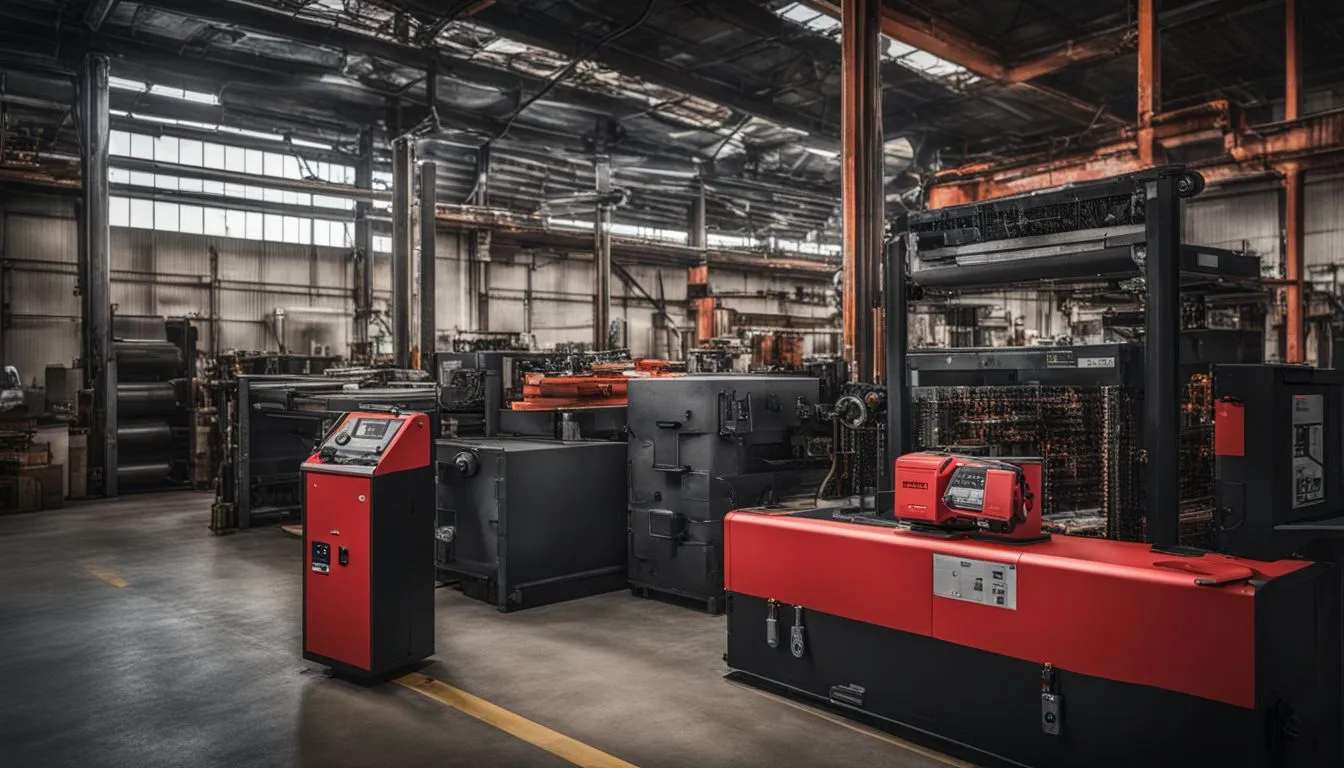
Engaging in due diligence is crucial for lockout safety. Business owners must ensure thorough understanding and documentation of all energy isolating devices, including lockout points and tagout devices.
Regular inspections are essential to confirm that procedures are being followed as per HSE compliance regulations. Training and education should be ongoing, with a clear focus on the importance of workplace safety.
Adhering to due diligence not only minimises the risk of workplace accidents but also ensures adherence to applicable HSE regulations. It establishes a robust foundation for an effective lockout tagout program, safeguarding against potential hazards and promoting a culture of safety within the workplace.
Implementing a Lockout Tagout Program

Establishing and communicating clear policies for lockout tagout procedures is crucial in ensuring workplace safety. Conducting regular audits, providing comprehensive training, and staying compliant with WHS regulations are essential steps to implement an effective LOTO program.
Establishing and communicating policies
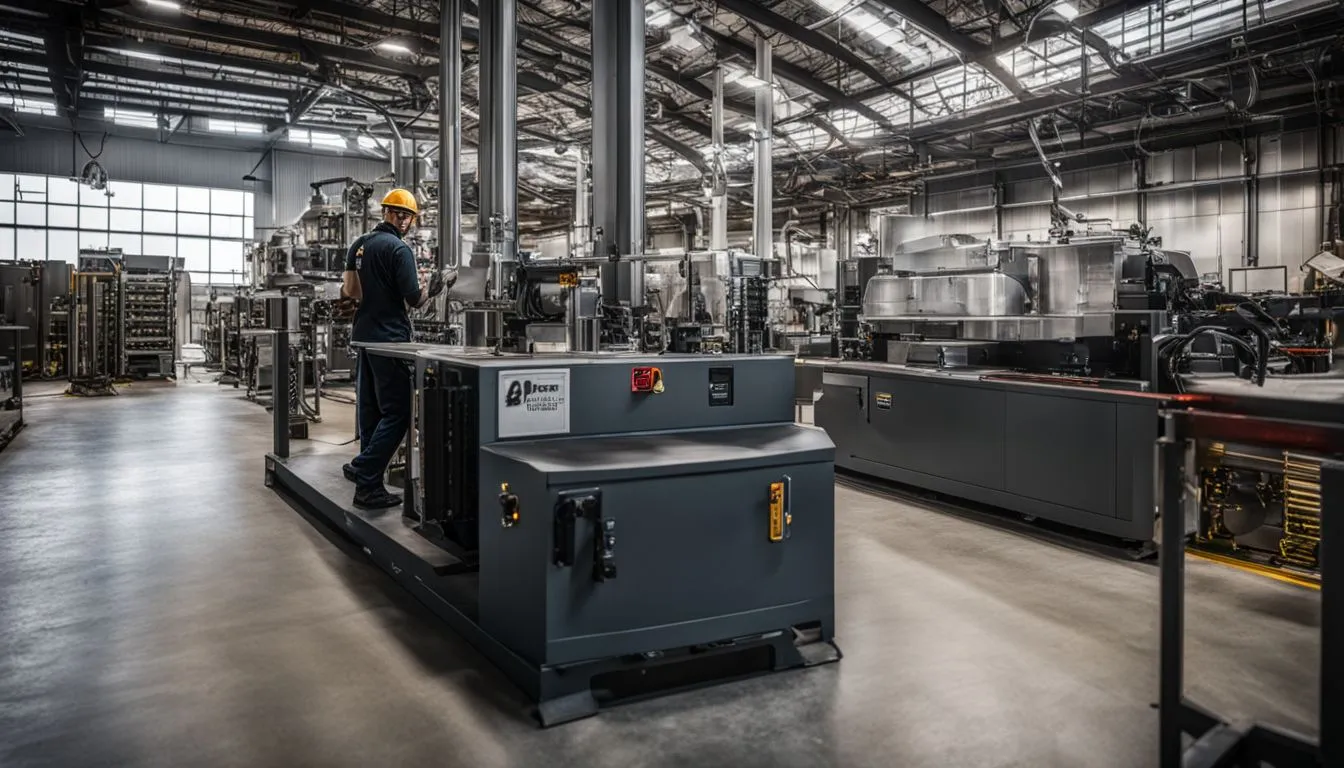
To ensure workplace safety through lockout safety locks, it is crucial to establish and communicate clear policies within the organisation. This involves:
- Defining the scope and purpose of the lockout tagout programme, outlining responsibilities, and setting specific procedures for using safety locks and devices.
- Clearly communicating these policies to all employees through training sessions, visual aids, and regular reminders to ensure that everyone understands their role in maintaining a safe work environment.
- Ensuring that policies are accessible and regularly reviewed to incorporate any changes in regulations or best practices to continuously improve workplace safety.
- Implementing a system for feedback and reporting to address any concerns or suggestions from employees regarding the effectiveness of the policies.
- Documenting policies through manuals, signage, and online resources to serve as a reference for both new employees and as a reminder for existing staff members of their responsibilities under the lockout tagout programme.
Conducting audits and inspections

We regularly carry out thorough audits and inspections to ensure the effectiveness of our lockout tagout (LOTO) program. This involves:
- Scheduling regular audits to assess the implementation and adherence to lockout procedures, identifying any areas for improvement.
- Conducting comprehensive inspections of all energy isolating devices, lockout and tagout equipment, as well as LOTO boxes to verify their proper functioning and condition.
- Reviewing all safety locks, tags, and devices to ensure they meet regulatory requirements and are in good working order.
- Keeping abreast of updated regulations, resources, and best practices to continually enhance our lockout safety measures.
Importance of training and education

Proper training and education are paramount in ensuring the successful implementation of a lockout tagout programme. By equipping employees with comprehensive knowledge of lockout safety procedures, including energy isolating devices and LOTO box protocols, we empower them to safeguard themselves and others from workplace accidents.
Training also ensures compliance with HSE regulations, instilling a culture of responsibility towards workplace safety.
Moreover, educating employees about the importance of using lockout safety locks effectively reduces the risk of equipment servicing-related injuries. Fostering an understanding of HSE standards and exceptions among staff members is pivotal in creating a safe work environment while mitigating potential hazards associated with plant isolation.
Compliance with WHS regulations
Complying with Workplace Health and Safety (WHS) regulations is crucial for upholding a safe and secure work environment. It involves adhering to HSE standards and implementing strict lockout tagout (LOTO) procedures to prevent workplace accidents and ensure equipment isolation during servicing.
As business owners, it’s our responsibility to establish clear policies, conduct regular audits, inspections, and provide ongoing training to employees in line with WHS requirements.
Fostering a culture of compliance not only mitigates risk but also fosters trust among staff members that their safety is a top priority.
Prioritising compliance with WHS regulations helps minimise the potential for workplace accidents, enhances operational efficiency, and builds a positive reputation within the industry.
By ensuring adherence to these regulations through proper lockout tagout practices, businesses can significantly reduce the likelihood of injuries or incidents occurring while fostering a safer working environment where everyone can thrive.
Types and Usage of Lockout Hasps
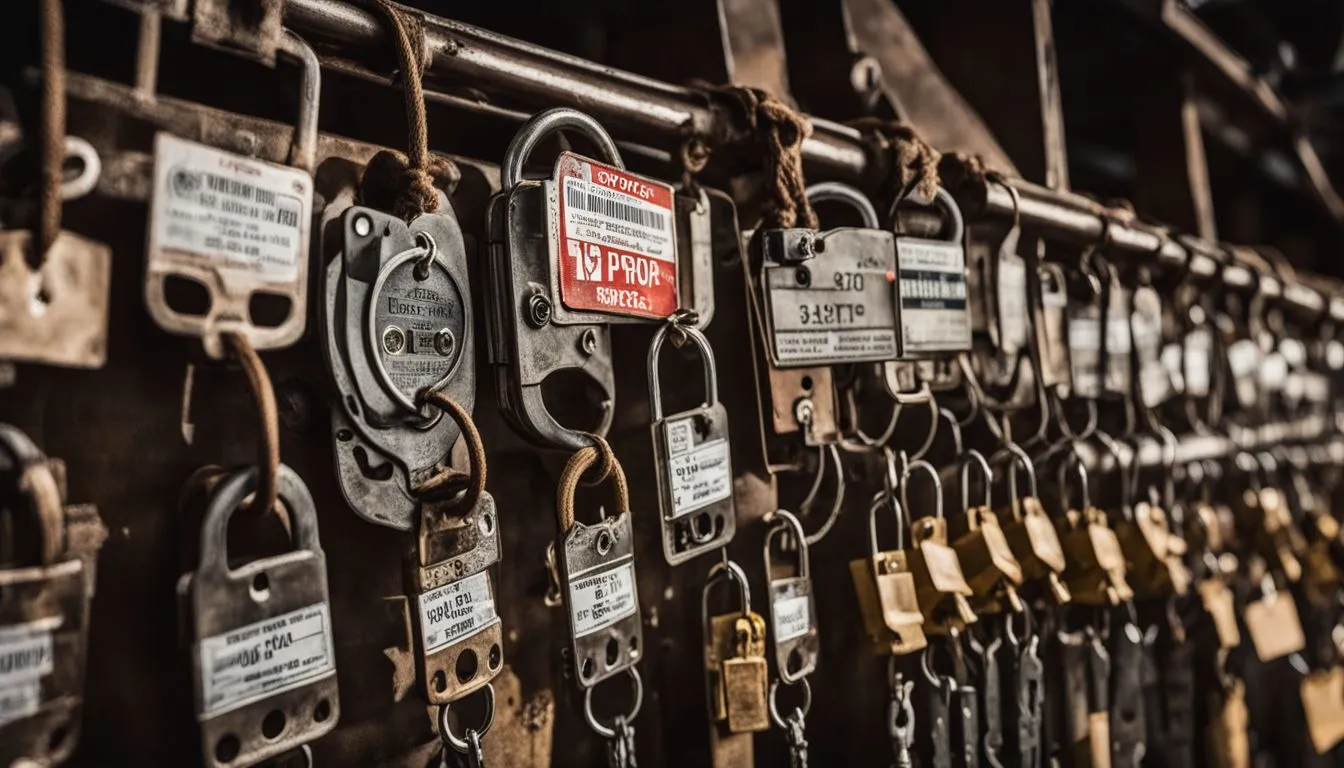
Lockout hasps are essential tools for ensuring the safety of maintenance and repair work on equipment. They come in a variety of materials and designs, each suited to different types of machinery or specific lockout points.
Understanding their usage and benefits can significantly improve workplace safety practices.
Materials and features
Lockout hasps are typically constructed from durable materials such as steel or aluminium to withstand industrial environments and ensure long-term use. They often feature a tamper-resistant design, allowing for secure locking of energy isolation points during maintenance.
The presence of multiple shackle holes provides flexibility in accommodating different lock sizes, offering enhanced versatility when isolating various types of machinery.
These hasps come with vibrant, bold colours that enhance visibility in the workplace and facilitate easy identification. This feature aids in ensuring compliance with safety protocols and enables quick recognition by workers performing equipment servicing or plant isolation tasks.
Utilising robust lockout hasps equipped with these features contributes significantly to minimising workplace accidents and upholding HSE compliance regulations.
Safety, compliance, and productivity benefits
- Minimised workplace accidents and injuries by effectively isolating energy sources during equipment servicing and maintenance.
- Enhanced compliance with OSHA regulations and other safety standards, reducing the risk of non – compliance penalties and legal issues.
- Improved operational efficiency through streamlined safety procedures and reduced downtime due to enhanced equipment isolation measures.
- Proactive hazard prevention, ensuring a safer work environment for employees and reducing the potential for industrial accidents.
- Greater peace of mind knowing that your workplace is equipped with advanced padlocks and energy isolating devices that meet or exceed safety regulations.
Steps for proper use
- Identify the energy source or equipment that needs to be isolated and serviced.
- Select the appropriate lockout safety lock and corresponding tagout device based on the type of energy isolating device and the specific requirements of the equipment.
- Ensure that the lock and tag are properly affixed to the energy isolating device in a visible and easily accessible manner.
- Verify that all personnel who may come into contact with the locked – out equipment are aware of the lockout procedure and understand not to attempt to operate or service it.
- Conduct regular inspections to check for any unauthorised removal or tampering with the lockout safety locks and associated devices.
- Prioritise ongoing training and communication regarding proper lockout procedures, as well as updating employees on any changes in equipment or regulations.
Maintenance and Inspection of Lockout Systems

Regular maintenance and periodic inspections are essential for the proper functioning of lockout systems. Inspecting locks, tags, and devices ensures that they are in good condition and compliant with safety regulations.
General maintenance and periodic inspections
- Conduct regular visual inspections of locks, tags, and devices to check for any signs of wear, damage or tampering.
- Ensure that all employees are trained in the proper maintenance procedures and that they understand the importance of timely inspections.
- Establish a schedule for periodic thorough examinations, which may include testing the functionality of energy isolating devices and conducting comprehensive checks on lockout points.
- Keep records of all maintenance activities and inspections conducted to maintain compliance with safety regulations.
- Utilise resources provided by safety authorities to stay updated on best practices for maintaining and inspecting lockout systems.
- Consider involving qualified professionals for in – depth examinations if required, especially when dealing with advanced padlocks or complex equipment isolation processes.
Inspecting locks, tags, and devices
- Check for any signs of wear or damage on the locks, tags, and devices.
- Verify that all locks and tags are properly affixed to isolating points and equipment.
- Ensure that lockout devices are secure and cannot be removed without the use of tools.
- Inspect tagout devices to confirm they are clearly labelled with pertinent information.
- Test the functionality of lockout systems by simulating isolation procedures.
Reviewing regulations and resources for further information
After ensuring the integrity of our lockout systems through diligent inspections, it’s crucial to stay updated on regulations and access further resources for ongoing safety compliance.
It’s essential to remain informed about any changes in occupational safety standards set by regulatory bodies such as HSE. Regular review and understanding of these regulations guarantee that our lockout procedures continue to meet industry requirements for workplace safety.
Furthermore, exploring additional resources related to lockout tagout practices will provide us with valuable insights and updates on best practices within the industry. This continuous learning approach emphasises our commitment to maintaining a safe work environment while staying ahead in implementing effective lockout safety protocols.
Conclusion

In conclusion, workplace safety is paramount for business owners. Implementing lockout safety locks and procedures ensures practical hazard prevention and compliance with regulations.
Have you considered the potential impact of these strategies on your workplace? Take a proactive approach to switch on workplace safety by establishing and maintaining a robust lockout tagout programme.
Remember, securing your workplace with advanced padlocks and energy isolating devices can lead to significant improvements in occupational safety. Start today, take charge of workplace safety, and reap the rewards of a secure work environment that prioritises the well-being of your employees.
Sorting out lockout for your own site?
Describe what needs isolating and we'll help you work out the setup that fits.