

Every workplace, just like yours and ours, wrestles with the ever-present challenge of ensuring a safe environment for all. It’s tough to ignore those numbers; without firm lockout tagout measures in place, nearly one in ten serious accidents on Aussie worksites can happen. That’s why we’ve thrown together this guide, your go-to for strengthening the safety vibe amongst your crew. Let’s delve into how you can use lockout safety locks as solid ground to build upon, helping your team steer clear of harm and keeping those compliance worries at bay, easy as.
Understanding Lockout Tagout (LOTO)
Lockout Tagout (LOTO) is a critical safety procedure used to prevent hazardous energy release during maintenance or servicing of machinery. It involves the use of locks and tags to isolate energy sources, ensuring the safety of workers.
Understanding the difference between lockout and tagout is essential in implementing an effective LOTO programme.
Definition and importance
Lockout Tagout, often shortened to LOTO, is a safety procedure used to ensure that machines are properly shut off and not started up again before the completion of maintenance or repair work.
We use this method to control hazardous energy and prevent accidents. By isolating energy sources, they protect employees from harm potentially caused by unexpected energisation or startup of machinery.
Recognising its importance helps us maintain a safety culture within our workplaces. Having robust lockout tagout programmes in place directly impacts our ability to safeguard workers from serious injury or death.
Compliance with these safety protocols isn’t just about following laws; it’s about valuing human life and fostering an environment of care and respect for one another – elements crucial for any successful business owner looking towards sustainability and growth.
Difference between lockout and tagout
Lockout and tagout are two essential procedures for ensuring workplace safety when working with machinery or equipment. Lockout involves physically locking the energy isolating device in the off position to prevent the release of hazardous energy, while tagout involves attaching a prominent warning tag to indicate that the equipment is not to be operated.
The main difference lies in the physical control of the energy source – lockout provides a tangible barrier, whereas tagout serves as a visual warning.
Both lockout and tagout are crucial components of a comprehensive safety programme, each serving distinct purposes in safeguarding employees from potential hazards. Understanding and implementing these procedures according to relevant safety standards is vital for promoting workplace health and safety.
OSHA Standards and Exceptions
In this section, we will discuss the OSHA lockout tagout standard and the exceptions to it. It is crucial for business owners to understand these standards in order to ensure compliance and avoid any consequences of non-compliance.
Overview of OSHA lockout tagout standard
The HSE lockout tagout standard outlines the requirements for controlling hazardous energy sources during maintenance and servicing of machines and equipment. It mandates the use of lockout devices to ensure that machinery is properly shut off and cannot be restarted while work is being performed.
This standard also requires the use of tagout devices to provide additional warning or information about the condition of the equipment. Employers must develop, implement, and enforce an energy control programme as part of their overall workplace safety procedures to comply with this regulation.
Business owners should familiarise themselves with these standards and ensure that their employees are trained on proper lockout tagout procedures in line with HSE regulations. Creating a safe work environment through compliance not only protects workers from preventable accidents but also demonstrates a commitment to occupational safety and health.
Exceptions to the standard
- Unexpected Servicing: When equipment needs servicing unexpectedly, and locking out is not feasible due to potential hazards.
- Minor Servicing: When minor tool changes or adjustments are made that do not expose employees to hazards.
- Cord and Plug Equipment: For equipment with a cord and plug, where unplugging the equipment is enough to control the energy hazard.
- Group Lockout/Tagout: During multi-employee operations, when one authorised employee assumes control for all workers involved in maintenance.
Consequences of non-compliance
Failing to adhere to lockout/tagout (LOTO) procedures can lead to serious consequences for your business. Non-compliance with safety regulations and standards increases the risk of workplace accidents, injuries, and even fatalities.
This can result in costly fines from regulatory bodies such as HSE, damage your company’s reputation, and negatively impact overall productivity. Additionally, not following LOTO guidelines may expose you to potential lawsuits and legal ramifications if an incident occurs due to non-compliance.
Failure to comply also undermines the trust of your employees in the safety measures put in place, which can lead to a decrease in morale and employee retention rates. It is crucial for business owners to prioritise compliance with workplace health and safety regulations by implementing robust lockout/tagout programmes.
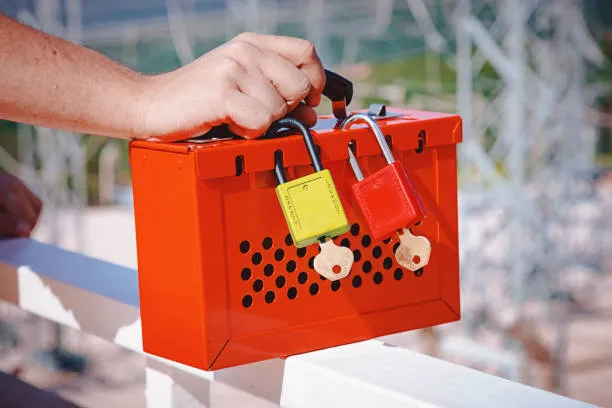
Key Components and Devices of Lockout Safety Locks
Key components and devices of lockout safety locks include energy isolating devices, lockout and tagout devices, and LOTO boxes. It is important to understand the significance of colours and procedures for locks and tags in maintaining a safe workplace environment.
Energy isolating devices
Energy isolating devices are crucial tools for ensuring the safety of workers when performing maintenance or servicing on machines. These devices physically prevent the release of hazardous energy, like electrical, mechanical, hydraulic, pneumatic, chemical, thermal, or other energy sources.
Business owners can rely on energy isolating devices to protect their employees from unexpected re-energisation or startup of machinery during maintenance activities. By using these locks and tags in combination with lockout procedures, businesses can effectively reduce the risk of workplace accidents and create a safer working environment.
Implementing proper lockout tagout (LOTO) procedures with energy isolating devices not only adheres to safety regulations but also demonstrates a commitment to safeguarding employees’ well-being.
Lockout and tagout devices
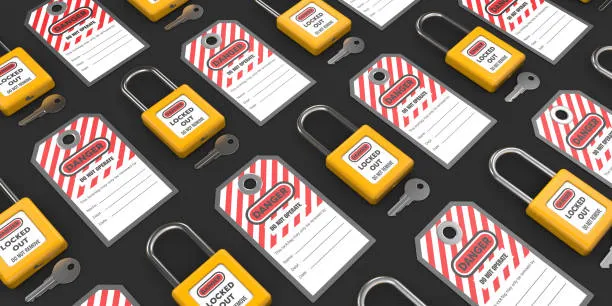
Lockout and tagout devices are crucial for ensuring the safety of workers when servicing or maintaining equipment. These devices physically prevent machines from being turned on, providing a visual indication that maintenance is ongoing.
Lockout devices immobilise machinery by directly blocking its energy source, while tagout devices indicate that locks have been applied and provide information about who is carrying out the maintenance.
Both types of devices should be durable, standardised, and clearly visible to all employees in the area.
LOTO box
The LOTO box is a pivotal component of the lockout tagout process. It serves as a secure storage location for keys to locks used during maintenance or servicing. The box prevents unauthorised access to the keys, ensuring that only authorised personnel can unlock equipment and machinery.
Additionally, it helps in organising and centralising all necessary locks and tags, making it easier to keep track of them during lockout procedures.
Using an effective LOTO box enhances workplace safety by providing a designated area for storing necessary equipment, ultimately contributing to the overall safety culture within your business.
Importance of colours and procedures for locks and tags
When using locks and tags for lockout tagout (LOTO) procedures, it is crucial to understand the importance of colours and specific procedures. Assigning different colours to locks and tags can help easily identify equipment or machinery under maintenance, ensuring that the right steps are followed for isolation.
Additionally, having clear and standardised procedures for applying and removing locks and tags helps in maintaining consistency across the workplace, reducing the risk of errors or oversight when implementing LOTO measures.
Using consistent colour-coding for locks and tags enhances visibility and recognition, making it easier to verify compliance with safety protocols at a glance. Establishing precise procedures ensures that LOTO devices are installed correctly every time, minimising mistakes that could compromise employee safety or lead to regulatory violations.
Implementing a Lockout Tagout Program
When implementing a lockout tagout programme, it’s crucial to establish and communicate clear policies, conduct regular audits and inspections, provide comprehensive training and education for all employees, and ensure compliance with workplace health and safety regulations.
By prioritising these steps, you can create a safer work environment for everyone involved.
Establishing and communicating policies
To establish and communicate policies for lockout tagout (LOTO) safety locks, consider the following steps:
- Clearly outline the purpose and scope of the lockout tagout programme within the organisation.
- Designate responsible personnel to oversee the implementation and enforcement of LOTO policies.
- Communicate the policies to all employees through comprehensive training sessions and written materials.
- Develop procedures for obtaining necessary equipment and devices, as well as reporting and addressing any issues or concerns related to LOTO.
- Regularly review and update policies to align with changes in regulations or technology.
Conducting audits and inspections
When conducting audits and inspections, we ensure that Locksafe's lockout tagout program is effective and compliant. By regularly auditing and inspecting Locksafe's lockout safety locks, we maintain a strong safety culture and mitigate potential risks. Here are the essential steps for conducting thorough audits and inspections:
- Schedule regular audits to review the implementation of lockout tagout procedures.
- Inspect all energy isolating devices to ensure they are functioning correctly.
- Verify the proper use, condition, and placement of lockout tagout devices.
- Review employee training records to confirm compliance with workplace health and safety regulations.
- Document any findings from audits and inspections to address potential areas for improvement.
- Conduct follow-up assessments to track progress and address any identified non-compliance issues.
Importance of training and education
Training and education are vital components of a successful lockout tagout (LOTO) programme. It is crucial for all employees to understand the potential hazards of energy sources and how to properly isolate them.
Providing comprehensive training ensures that workers can identify energy isolation points, apply lockout devices correctly, and understand the importance of following procedures. Regular education on safety protocols helps in reducing workplace accidents, ensuring compliance with regulations, and fostering a strong safety culture within the organisation.
Additionally, ongoing education empowers employees to stay updated with any changes in equipment or procedures, reinforcing their understanding of LOTO principles. Training fosters a sense of responsibility among employees regarding their own safety as well as that of their colleagues.
Compliance with workplace health and safety regulations
Complying with workplace health and safety regulations is crucial for ensuring the well-being of employees and maintaining a safe work environment. We must adhere to HSE lockout tagout standards, including implementing energy isolating devices, locks, tags, and LOTO boxes.
Conducting regular audits and inspections, along with providing comprehensive training on lockout tagout procedures, is essential in meeting these regulations. Our commitment to workplace health and safety not only safeguards our employees but also demonstrates our dedication to creating a strong safety culture within our organisation.
Moving forward to the implementation of a Lockout Tagout Programme, let’s delve into the types and usage of lockout hasps as another important aspect of enhancing workplace safety measures.
Types and Usage of Lockout Hasps
Explore the materials, features, and benefits of lockout hasps in enhancing safety and productivity in your workplace. Read more to understand the steps for proper use.
Materials and features
Lockout hasps are typically constructed from durable materials such as steel or aluminium to withstand industrial environments. Some have vinyl coatings for added protection and insulation.
They often feature a hinged design with interlocking jaws that can secure multiple padlocks, ensuring the energy isolation devices stay in place during maintenance or servicing procedures.
These lockout hasps are available in various sizes and colours, allowing for machine-specific photos and clear identification. Look out for options with tamper-resistant properties to prevent unauthorised removal.
The sturdy construction and colour-coding make them effective safety tools for isolating energy sources on machinery, contributing to a comprehensive lockout tagout programme.
Benefits in safety and productivity
Using lockout hasps can significantly enhance safety and productivity in the workplace. These devices provide a visible signal that machinery is undergoing maintenance, making it easier for employees to identify when equipment should not be used.
By clearly indicating the status of machines, lockout hasps reduce the risk of accidental startup, helping to prevent workplace accidents and injuries. Additionally, these locks streamline maintenance procedures, allowing workers to work efficiently and confidently knowing that they are shielded from potential hazards.
Understanding the benefits of lockout hasps is crucial for promoting a safe environment while optimising operational efficiency.
Steps for proper use
To ensure the proper use of lockout safety locks, follow these steps:
- Identify all energy sources relevant to the equipment.
- Notify all affected employees about the lockout process and the reasons for it.
- Shut down the equipment following standard operating procedures.
- Isolate all energy sources by properly applying lockout devices.
- Verify that stored energy has been released or controlled.
- Attach a tag indicating the lockout has been initiated and providing necessary information.
- Test controls to ensure they are inoperative before commencing work.
Maintaining and Inspecting Lockout Systems
Regular maintenance and periodic inspections are crucial to ensure the effectiveness of lockout systems. It is important to inspect locks, tags, and devices according to workplace health and safety regulations.
General maintenance and periodic inspections
Inspecting locks, tags, and devices
When it comes to maintaining a safe working environment, regular inspections of locks, tags, and devices are crucial. Here’s what you should consider:
- Conduct thorough visual inspections of all locks, tags, and devices to ensure they are in good working condition and free from damage.
- Regularly check for proper affixation of lockout/tagout devices on energy isolating devices to prevent accidental startup of machinery.
- Review the colour – coding system for locks and tags to ensure they align with your workplace’s safety procedures.
- Document all inspections and maintenance activities for compliance with workplace health and safety regulations.
- Provide ongoing training for employees responsible for conducting lockout/tagout inspections to maintain a high level of competence.
- Follow manufacturer guidelines for specific maintenance requirements of locks, tags, and other LOTO devices.
Reviewing regulations and resources for further information
After ensuring your locks, tags, and devices are properly inspected and maintained, take the time to review the regulations and resources available for further information. Compliance with workplace health and safety regulations is crucial for a strong safety culture.
Stay informed about any updates or changes in lockout tagout standards to ensure that your programme remains current and effective. Utilise resources such as HSE’s website, industry-specific publications, and training materials to stay abreast of best practices and regulatory requirements.
Remember to also seek guidance from industry experts or professional associations for additional insights into implementing an effective lockout tagout programme. Regularly reviewing regulations and accessing relevant resources will help you maintain a proactive approach towards workplace safety while minimising potential risks.
Conclusion
Establishing a strong safety culture within your organisation is crucial for the well-being of your employees and the success of your business. Using lockout safety locks and implementing a comprehensive lockout tagout programme are essential steps in creating a safe work environment. Remember to prioritise regular maintenance and inspections to ensure the effectiveness of your lockout systems.
Importance of a strong safety culture
A strong safety culture is crucial for the well-being of our workforce. Implementing and maintaining a robust safety culture communicates to employees that their health and safety are top priorities.
It fosters a workplace environment where everyone feels responsible for identifying hazards, following safety procedures, and promoting safe practices. By prioritising safety culture, we can reduce the risk of accidents and injuries, leading to increased productivity and morale among our team members.
Creating a strong safety culture requires consistent communication, training programmes, regular audits, and visible leadership support. When all staff members understand the importance of adhering to safety protocols in every aspect of their work, they become active participants in preventing accidents and promoting a safer work environment overall.
Key takeaways and final thoughts
Ensuring compliance with HSE lockout tagout (LOTO) standards is crucial for maintaining a safe work environment and avoiding severe penalties. Implementing a comprehensive lockout tagout programme involves establishing clear policies, conducting regular audits, providing thorough training, and adhering to workplace health and safety regulations.
Additionally, using the right lockout safety locks such as hasps can significantly improve machine-specific safety measures, ultimately enhancing productivity while reducing risks associated with equipment use. As business owners, it’s imperative to prioritise the maintenance and inspection of lockout systems to ensure their effectiveness in preventing unexpected equipment startup or release of stored energy.
Sorting out lockout for your own site?
Describe what needs isolating and we'll help you work out the setup that fits.