
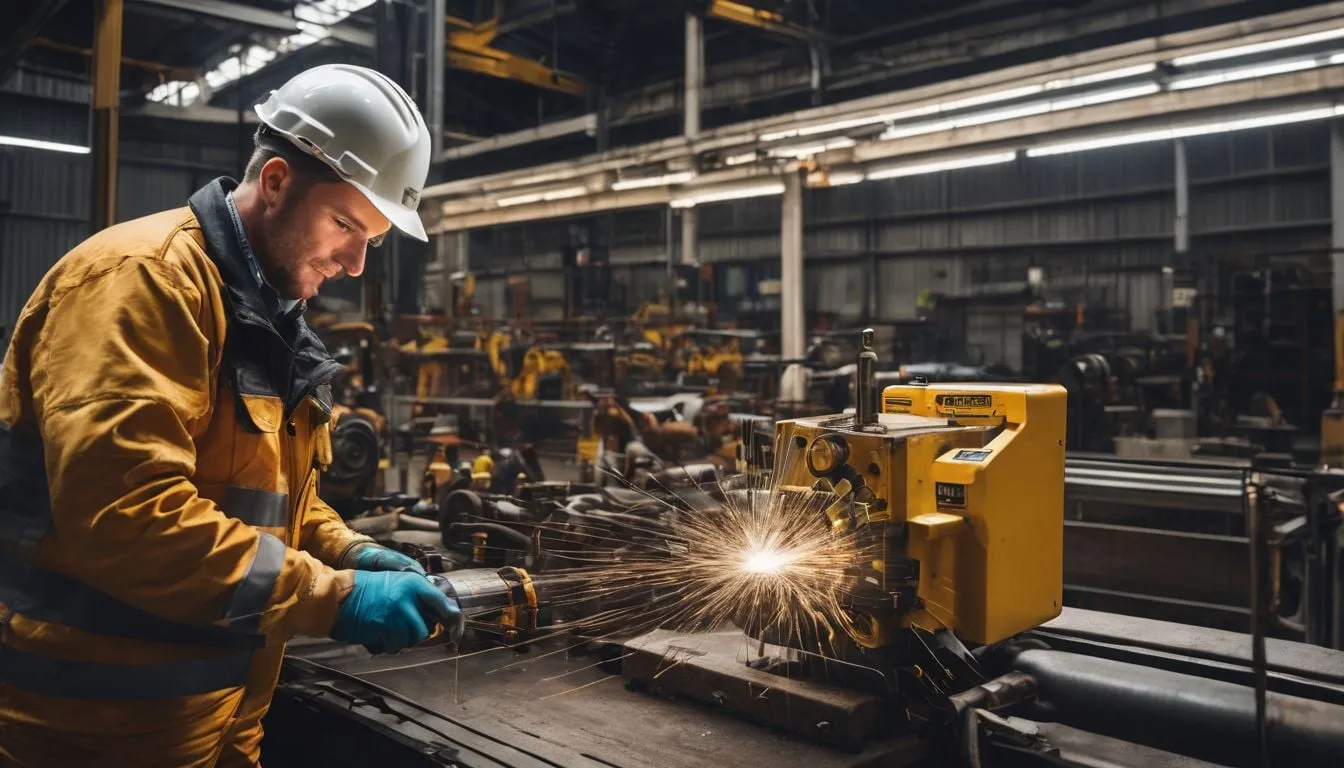
Every day, businesses across the sunburnt country of Australia face the real guts challenge of keeping their workspaces free from hazards. It’s a fair dinkum conundrum that can seem like hard yakka because we’ve been up against those same sticky issues ourselves. We’ve unearthed some eye-opening stats showing that a whopping 10% of workplace injuries are down to maintenance mishaps. Our squiz at lockout safety locks has shone a light on just how vital they are in flipping these numbers for the better. This yarn is packed with top-notch advice to ramp up your team’s protection, cut down on risks, and make sure everyone gets home safe as houses at knock-off time. So prick up your ears and get ready for some life-saving wisdom that’s going to keep you and your mates locked in safely!
Understanding the Purpose and Benefits of Lockout Safety Locks
Lockout/tagout is a crucial safety procedure in industrial settings, preventing unexpected equipment start-up and ensuring the safety of employees. The importance of these locks cannot be overstated, as they are vital in preventing workplace accidents and safeguarding employee wellbeing.
Definition of lockout/tagout
Lockout/tagout is a safety procedure critical in protecting their employees from the unexpected start-up of machinery and equipment during service or maintenance work. By securing these machines with specialised lockout devices, we isolate their power sources and prevent any accidental release of hazardous energy.
This method ensures that once locked out, the machine will not operate until the lockout device is removed, which only authorised personnel can do after completing the necessary tasks.
We use tagout systems to supplement lockout safety measures; these are warning tags we attach to locked-out devices serving as a visual reminder that equipment should not be operated.
The tags provide details about why lockout/tagout is in place and who authorised it. Together, they form an essential part of their workplace safety strategy, helping them avoid fatal incidents by ensuring thorough communication and security before anyone resumes work on the machinery.
Importance in industrial settings
Lockout/tagout procedures play a critical role in industrial settings, safeguarding employees from hazardous energy sources during maintenance or servicing of machines and equipment.
By implementing lockout safety locks, businesses prevent fatal incidents and maintain a secure work environment. Compliance with lockout/tagout regulations is essential to ensure workplace safety and protect the well-being of workers.
Quality lockout systems and safety padlocks are crucial components in preventing accidents caused by unexpected startups or releases of stored energy.
Industrial operations must prioritise the use of lockout safety locks to minimise risks associated with machinery, electrical components, and other potential hazards. Employers have a responsibility to provide proper training on using lockout procedures effectively, demonstrating their commitment to employee well-being through proactive measures like emergency preparedness.
Benefits of lockout procedures
- Prevention of accidental equipment startup
- Protection of employees from hazardous energy sources
- Reduction of workplace accidents and fatalities
- Compliance with occupational health and safety regulations
- Enhanced productivity through clear communication and standardised procedures
The Role of Lockout/Tagout in Employee Safety
Employers play a crucial role in ensuring that employees are trained and equipped with the necessary knowledge to effectively implement lockout/tagout procedures. Communication and emergency preparedness also contribute to maintaining a safe workplace environment.
Responsibilities of employees and employers
Employees and employers share the responsibility of ensuring workplace safety by adhering to lockout/tagout procedures. Here are the specific responsibilities:
- Educating employees about lockout/tagout procedures and providing adequate training on the proper use of safety locks.
- Communicating the importance of following lockout/tagout protocols to prevent fatal incidents.
- Ensuring that all employees understand and comply with emergency preparedness measures related to lockout/tagout procedures.
- Regularly inspecting and maintaining lockout safety locks to guarantee their effectiveness in preventing workplace accidents.
- Providing clear guidelines for reporting any issues or concerns regarding the use of lockout safety locks.
Importance of training and communication
Training and communication are crucial components in ensuring employee safety when it comes to lockout/tagout procedures. Providing comprehensive training equips employees with the knowledge and skills needed to carry out lockout/tagout effectively, reducing the risk of fatal incidents.
By promoting clear communication across all levels of the organisation, employers can ensure that everyone understands their roles and responsibilities in implementing lockout/tagout procedures, thereby fostering a safer work environment.
Effective training empowers employees to confidently adhere to lockout/tagout protocols, while open lines of communication enable them to raise concerns or share insights regarding safety practices.
Emergency preparedness
In emergency situations, it is crucial to have a well-thought-out plan in place. This involves the following steps:
- Establishing clear communication channels for reporting emergencies and ensuring all employees are aware of them.
- Regularly conducting drills and training sessions to prepare employees for various emergency scenarios, including lockout/tagout-related incidents.
- Maintaining easily accessible and well – maintained emergency response equipment such as first aid kits, fire extinguishers, and emergency eyewash stations.
- Developing detailed evacuation procedures and ensuring all employees understand their roles and responsibilities during an emergency.
- Conducting regular reviews and updates to the emergency preparedness plan to reflect changes in the workplace or regulations.
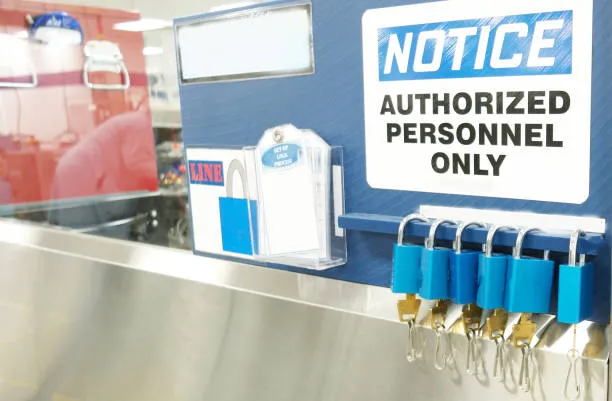
Selecting and Using the Right Lockout Safety Locks
When it comes to selecting and using the right lockout safety locks, choosing quality and well-designed locks is crucial for workplace safety compliance. To learn more about the different types of locks and their role in ensuring employee safety, keep reading.
Importance of quality and design
When selecting lockout safety locks, it’s crucial to prioritise quality and design. The durability and reliability of these devices are essential in ensuring effective lockout/tagout procedures and preventing hazardous energy release incidents.
High-quality locks with sturdy construction and clear visibility make it easier for employees to identify locked-out equipment, enhancing workplace safety compliance. Selecting well-designed locks also contributes to seamless integration into existing safety protocols, minimising the risk of accidents.
Prioritising quality and design when choosing lockout safety locks is fundamental in upholding employee safety standards while promoting a secure work environment, ultimately reducing the potential for fatal incidents.
Investing in superior-quality locks not only demonstrates a commitment to occupational safety but also underscores the value placed on safeguarding employees from harm. By emphasising both quality and design, businesses can actively contribute to maintaining a culture of workplace safety while adhering to regulatory requirements.
Different types of locks
Lockout safety locks come in various types, each serving specific purposes:
- Keyed different locks: Each lock can only be opened with its unique key, ensuring individual control over equipment isolation.
- Keyed alike locks: Multiple locks can be opened with the same key, facilitating group lockout situations and simplifying management.
- Combination padlocks: Provide keyless security and are ideal for situations where keys may be misplaced or lost.
- Plug lockout devices: Designed to secure electrical plugs, preventing unauthorised re-energisation of equipment during maintenance.
- Ball valve lockouts: Used to prevent accidental opening or closing of ball valves, maintaining safety during maintenance work.
- Cable lockout devices: Offer flexibility in securing multiple energy-isolating points or challenging-to-lock-out equipment.
- Hasp and snap locks: Allow multiple employees to attach their own locks to a single energy source, enhancing collaborative maintenance efforts while ensuring individual protection.
Role in workplace safety compliance
Lockout safety locks play a crucial role in workplace safety compliance. They ensure that employees are protected from hazardous energy sources while performing maintenance or servicing machinery and equipment.
By using lockout safety locks, businesses can adhere to occupational health and safety regulations and prevent fatal incidents.
These locks provide a visual cue that equipment is undergoing maintenance, helping to avoid accidental energisation. This practice not only ensures compliance with lockout/tagout procedures but also contributes to creating a safer work environment for all employees.
Maintaining Occupational Safety Compliance with Lockout Safety Locks
Staying compliant with regulations is crucial for business owners, and using lockout safety locks can help maintain occupational safety standards. By ensuring the proper use of lockout/tagout procedures, businesses can prevent fatal incidents and maintain a safe work environment.
Staying compliant with regulations
- Regularly review and update lockout/tagout procedures in accordance with the latest regulations to prevent fatal incidents.
- Conduct routine audits and inspections to ensure that lockout safety locks adhere to the required standards and safety labels are clearly visible.
- Provide ongoing training for employees on the correct usage of lockout/tagout equipment and emergency preparedness protocols.
- Implement a clear communication system between employers and employees regarding any changes in regulations or procedures concerning lockout safety locks.
- Keep detailed records of all lockout/tagout activities, including maintenance and servicing, to demonstrate adherence to regulatory requirements.
Benefits of using lockout safety locks
Lockout safety locks offer a crucial line of defence against accidents caused by unexpected energy release. By bringing the equipment to a halted state, these locks prevent hazardous situations and potential injury to employees.
Utilising lockout safety locks ensures that employees are protected from dangerous machinery or electrical systems during maintenance or repair work, reducing the risk of industrial accidents significantly.
Implementing lockout safety locks can also lead to increased productivity by allowing for more efficient maintenance processes and reduced downtime due to incidents. Moreover, it portrays a commitment to workplace safety and demonstrates compliance with regulations, fostering a positive work culture focused on employee well-being.

Conclusion
The use of lockout safety locks is crucial for preventing fatal incidents in industrial settings. Implementing lockout/tagout procedures ensures employee safety and workplace compliance with regulations. Selecting the right lockout safety locks and providing adequate training are key steps towards maintaining occupational safety. Emphasising the practicality and efficiency of these strategies can lead to significant improvements in workplace safety. We encourage business owners to explore additional resources and guidance on lockout safety measures for continued learning and engagement beyond this article. Take action today to enhance workplace safety and prevent accidents by prioritising the use of effective lockout safety locks.
Sorting out lockout for your own site?
Describe what needs isolating and we'll help you work out the setup that fits.