

In every Aussie workplace, safety isn’t just a box to tick – it’s the undercurrent of our day-to-day life. We’re no strangers to the sharp edges and potential pitfalls that accompany any gig. In fact, we’ve clocked that about 10% of on-the-job injuries have their roots in maintenance mishaps. Rolling up our sleeves, we’ve taken this bull by the horns and zeroed in on some savvy strategies to put these issues to bed once and for all. Our secret weapon? Lockout safety locks – they’re real game-changers. So let’s take the plunge into creating workspaces where you can breathe easy knowing everyone’s looked after. Your peace of mind? It’s just around the corner, mate.
Understanding the Importance of Accident Prevention in the Workplace
Adhering to safety regulations and reducing injuries are crucial aspects of ensuring workplace safety. By implementing strategic lockout safety measures, businesses can actively mitigate workplace hazards and protect their employees from potential harm.
Adhering to safety regulations
We take safety seriously in our workplace by following all relevant regulations to the letter. It’s not just about ticking boxes; sticking to these rules helps us create a secure environment where everyone can focus on their tasks without fear of accidents.
By maintaining high standards for hazard prevention and energy control, we protect our team from unnecessary risks, ensuring that every employee is well-equipped to handle the hazards associated with their jobs.
Our commitment to accident prevention means staying up-to-date with the latest industry guidelines for equipment safety. We enforce strict lockout/tagout procedures whenever maintenance is carried out, minimising injury risk across operations.
This proactive approach to workplace safety measures provides peace of mind for both us and our staff, fostering a culture of caution and care at all times.
Reducing injuries
Reducing injuries in the workplace is a critical aspect of ensuring employee safety and well-being. Implementing lockout/tagout procedures helps to minimise the risk of accidents caused by unexpected equipment startup or release of stored energy during maintenance activities, thereby mitigating injury potential.
By adhering to safety protocols and utilising energy control procedures, business owners can significantly reduce occupational health hazards and workplace accidents, ultimately creating a safer environment for their employees.
To further enhance employee protection and minimise injury risk, it’s essential to maintain strict compliance with lockout/tagout regulations while also prioritising regular inspections and audits.
This proactive approach not only ensures equipment servicing safety but also fosters a culture of risk management within the organisation. Embracing these strategies aligns with our commitment to industrial safety while bolstering our efforts towards maintaining a secure work environment.
The Role of Lockout Systems in Accident Prevention
Lockout systems play a crucial role in accident prevention by controlling hazardous energy and reducing the risk of injuries. Utilising lockout devices can help to effectively isolate equipment from energy sources, ensuring the safety of employees and preventing workplace accidents.
Definition
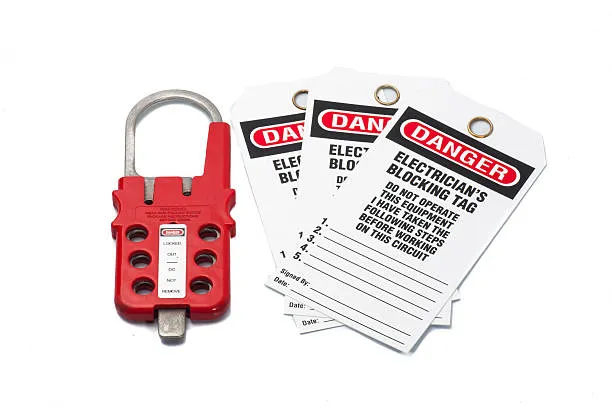
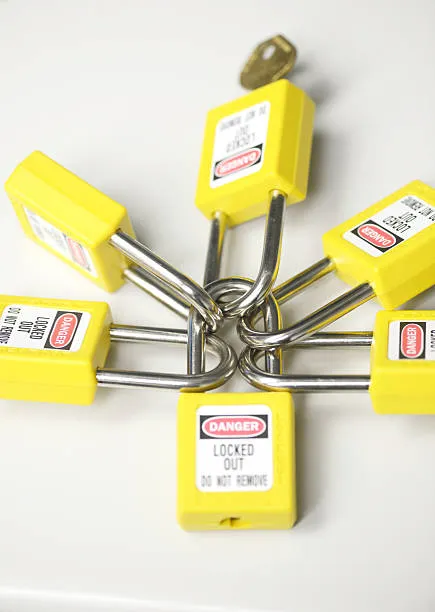
Lockout safety locks are devices used to isolate energy sources and prevent the accidental startup of machinery during maintenance or repair work. These locks physically prevent equipment from being powered on, ensuring that no unexpected release of hazardous energy occurs.
Lockout systems are specifically designed to safeguard workers from injury by blocking access to energy isolation points, such as electrical panels and valves. By adhering to lockout procedures and utilising tagout devices, businesses can significantly reduce the risk of workplace accidents caused by uncontrolled energy sources.
Implementing effective lockout/tagout protocols is crucial for maintaining a safe working environment for employees. Proper use of these safety measures not only minimises the potential for injuries but also ensures compliance with safety regulations and enhances overall equipment maintenance safety.
Integrating comprehensive lockout/tag-out programmes into daily operations is an essential component of employee safety protocols, addressing hazard control in a proactive manner while mitigating injury risks effectively.
Importance in controlling hazardous energy
Controlling hazardous energy is crucial for workplace safety. Implementing effective lockout procedures ensures that potential risks are mitigated. By isolating and de-energising equipment, the chances of accidental start-ups or releases of stored energy are significantly reduced.
This proactive approach minimises injury risk and creates a safer working environment, in line with safety regulations.
Incorporating lockout systems as part of your safety measures not only prevents accidents but also contributes to reducing injuries at the workplace. Properly executed lockout/tagout procedures are essential for controlling hazardous energy sources, safeguarding both employees and equipment from harm.
Advantages of using lockout systems
Using lockout systems in the workplace offers several significant advantages.
- Reducing the risk of injury to employees and contractors.
- Preventing damage to equipment and machinery, leading to cost savings.
- Ensuring compliance with safety regulations and standards.
- Providing a clear visual indication of equipment status for workers.
Implementing a Comprehensive Lockout/Tagout Programme
When implementing a comprehensive lockout/tagout programme, it’s important to understand and adhere to LOTO procedures and policies, provide thorough training for employees, conduct regular audits and reviews, as well as develop an equipment strategy.
These steps are crucial in ensuring workplace safety and preventing accidents.
Understanding LOTO procedures and policies
Implementing an effective lockout/tagout (LOTO) programme is crucial for workplace safety. Establishing clear LOTO procedures and policies ensures that hazardous energy sources are properly controlled during maintenance or servicing activities.
All employees must be trained to understand and comply with these protocols to reduce the risk of accidents and injuries. Regular audits of LOTO procedures should be conducted to identify any gaps or areas for improvement, ensuring consistent adherence to safety standards.
Training employees on LOTO procedures instils a culture of safety within the workplace, promoting injury prevention and regulatory compliance. Clear documentation outlining the steps for implementing LOTO measures reinforces the importance of following proper protocol, ultimately reducing injury risk in the work environment.
Training employees
- Conduct comprehensive training sessions to familiarise employees with the purpose and process of lockout/tagout.
- Provide hands – on demonstrations to ensure that employees understand how to properly use lockout devices and tagout systems.
- Create written materials such as manuals and guidelines to serve as reference materials for employees.
- Ensure that all employees, including maintenance personnel, contractors, and temporary workers, receive adequate training on lockout/tagout procedures.
- Regularly review and update training programmes to incorporate any changes in regulations or technology.
Auditing and review
We must conduct regular audits and reviews to ensure the effectiveness of our lockout/tagout program. This involves:
- Periodic assessments of our lockout/tagout procedures
- Reviewing incident reports to identify areas for improvement
- Conducting thorough evaluations of equipment and energy sources
- Seeking feedback from employees on the implementation of safety measures
- Utilising data from audits to update and enhance our lockout/tagout programme
Equipment strategy
When establishing an equipment strategy for lockout/tagout (LOTO) procedures, it is essential to consider the specific needs of the workplace. We must conduct a thorough assessment to identify all energy sources and equipment requiring lockout systems.
This involves categorising equipment based on their energy source and potential hazards, which will inform the selection of appropriate locks and tags.
Additionally, we need to ensure that our equipment strategy includes standardised lockout devices that are compatible with different types of machinery. Regular maintenance of these devices should be scheduled as part of our overall maintenance plan to guarantee they function effectively when needed.
Maintaining Lockout Safety
We’ll discuss the importance of regular inspections and audits, as well as enforcing documentation to ensure that lockout safety procedures are being followed consistently. Additionally, we’ll explore the benefits of utilising LOTO software and templates to streamline the process and maintain a high level of safety in the workplace.
Regular inspections and audits
Regular inspections and audits are crucial for ensuring the ongoing effectiveness of our lockout/tagout procedures. We inspect our equipment, systems, and policies to identify any potential weaknesses or areas for improvement.
This proactive approach helps us maintain a safe work environment and prevents accidents by addressing issues before they escalate. Audits ensure that all employees are adhering to safety protocols, equipment is in good working condition, and documentation is up-to-date.
By conducting regular inspections and audits, we can confidently mitigate workplace hazards and continue prioritising the well-being of our team.
In addition to identifying potential risks, regular inspections also demonstrate our commitment to compliance with safety regulations. When we consistently review our lockout/tagout programme, we showcase our dedication to creating a secure workplace environment while reducing injury risk through continuous improvement.
Enforcing documentation
Maintaining accurate documentation is crucial in ensuring compliance with safety regulations and LOTO procedures. Regularly reviewing and updating lockout/tagout records helps to identify any gaps or inconsistencies, enabling us to rectify them promptly.
By enforcing thorough documentation practices, we can demonstrate our commitment to safety standards and provide an essential reference for auditing processes.
Documenting each step of the lockout/tagout process ensures that all employees are aware of the correct procedures, contributing to a safer work environment. Utilising digital platforms or software for documentation simplifies record-keeping and facilitates easy access to information when required.
Our dedication to meticulous record-keeping not only fosters a culture of accountability but also significantly reduces injury risk within our workplace.
Utilising LOTO software and templates
Enforcing documentation ensures that all lockout/tagout procedures are accurately recorded and maintained. Utilising LOTO software and templates streamlines this process, making it easier to create, store, and access critical safety documents.
These tools provide customisable templates for creating lockout/tagout procedures specific to your equipment, helping to ensure consistency across your operations. In addition, LOTO software can automate scheduling for routine inspections and audits, sending reminders when maintenance is due or when reviews need to be conducted.
Implementing LOTO software and templates simplifies the management of lockout/tagout procedures while also enhancing compliance with safety regulations. This technology promotes efficiency in maintaining a safe work environment by providing a centralised platform for organising essential documentation and tracking necessary actions effortlessly.
Advancements in LOTO Technology
6. Advancements in LOTO Technology have revolutionised workplace safety, with electronic systems and mobile applications making lockout procedures more efficient and effective. These advancements come with their own set of advantages and challenges that businesses need to consider for future implementation.
Electronic systems and wireless communication
Electronic systems and wireless communication have revolutionised lockout/tagout procedures, offering enhanced efficiency and safety. These advanced technologies enable real-time monitoring of equipment status and energy control, empowering businesses to mitigate injury risks more effectively.
With wireless communication, employees can receive instant notifications about lockout/tagout activities, ensuring seamless coordination and compliance with safety protocols.
The integration of electronic systems also streamlines documentation processes, simplifying record-keeping and enhancing overall safety management. Furthermore, mobile applications for lockout/tagout facilitate on-the-go access to critical information and updates, promoting proactive risk mitigation strategies across the workplace.
Mobile applications for LOTO
Mobile applications for LOTO offer convenient solutions for managing lockout/tagout procedures on the go. These apps allow supervisors to easily create, update, and access LOTO procedures directly from their smartphones or tablets.
With features like digital documentation, real-time updates, and remote access capabilities, mobile applications streamline the process of maintaining lockout safety across various work environments.
By leveraging these advancements in technology, businesses can enhance efficiency and compliance with safety regulations while reducing the risk of workplace injuries.
Implementing mobile applications for LOTO empowers employees to access critical information regarding equipment isolation and energy control at their fingertips. This accessibility promotes a proactive culture of safety and empowers workers to actively participate in the maintenance of lockout protocols.
As we move forward into a more digitally integrated era, embracing mobile applications for LOTO is crucial in establishing comprehensive safety measures within modern workplaces.
Advantages and challenges
Advantages of adopting electronic lockout systems include real-time monitoring, remote access, and streamlined documentation. This facilitates efficient management of lockout procedures and enhances overall workplace safety.
Wireless communication enables seamless coordination among employees and supervisors, ensuring effective implementation of lockout/tagout protocols. However, integrating sophisticated technology may require substantial initial investment and ongoing maintenance costs.
Challenges in leveraging mobile applications for LOTO primarily revolve around potential cybersecurity risks and compatibility issues with different operating systems. Despite the convenience they offer, these apps must adhere to stringent security measures to safeguard sensitive data from unauthorised access or breaches.
Case studies and future trends
Business owners, we are witnessing an exciting evolution in lockout/tagout (LOTO) technology. Real-world case studies demonstrate the effectiveness of electronic LOTO systems and wireless communication in minimising injury risk.
These advancements offer significant advantages such as improved efficiency and better tracking of lockout procedures. Additionally, mobile applications for LOTO provide on-the-go accessibility, streamlining safety processes across various work environments.
Furthermore, future trends indicate a shift towards more integrated LOTO solutions that seamlessly interface with other workplace safety systems. This integration not only enhances overall safety measures but also presents new opportunities for data-driven insights to proactively mitigate workplace hazards.
Conclusion
Workplace safety is paramount in reducing injury risks and adhering to regulations. Implementing a comprehensive lockout/tagout programme, maintaining lockout safety through regular inspections and audits, and utilising advancements in LOTO technology are vital for mitigating workplace hazards. These strategies are practical, efficient, and have the potential to significantly improve workplace safety. For further guidance, explore resources on LOTO procedures and policies or consider mobile applications for LOTO as part of your safety plan. Let’s commit to prioritising workplace safety by integrating strategic lockout safety measures effectively.
Sorting out lockout for your own site?
Describe what needs isolating and we'll help you work out the setup that fits.