

Lockout/Tagout, or LOTO, is a safety procedure we use to make sure that dangerous machines are properly shut off and can’t be started again before maintenance or repair work is done. This step is critical because it helps protect us from unexpected machine start-ups which could lead to accidents. A key part of following LOTO rules involves using lockout safety locks – special devices designed to keep energy control points, like switches and valves, securely locked.
Why do we put so much emphasis on these procedures? Well, they’re not just good practice; they’re required by law. Specifically, the Safe Work Australia (SWA) in Australia has set regulations that all industries must follow to create safe environments for workers around machinery. The benefits of sticking with LOTO go beyond avoiding fines: it keeps people safe from injury, cuts down on unplanned downtime due to equipment malfunctions, saves money on potential repairs from misuse, and builds a workplace culture where everyone knows safety comes first.
It’s our responsibility as employers and team members to understand what each person’s role is in keeping things running smoothly and safely. In their toolbox of safety measures are various types of lockout devices such as padlocks specially designed for different machinery needs. We should always pick high-quality ones that meet the necessary standards for effective energy isolation – meaning when we apply them correctly no one can accidentally re-energise the machine being serviced.
Staying up-to-date with SWA regulations isn’t just about ticking boxes; it’s an ongoing process essential for guaranteeing workplace security. That includes regular checks and updates to our company’s own LOTO guidelines based on any new industry developments or changes in law. We’ve laid out everything there is about Lockout/Tagout right here – let’s unlock more insights together!
What is Lockout/Tagout?
Lockout/Tagout (LOTO) refers to the safety procedure used in industrial settings to ensure that dangerous machines are properly shut off and not able to be started up again until maintenance work is completed.
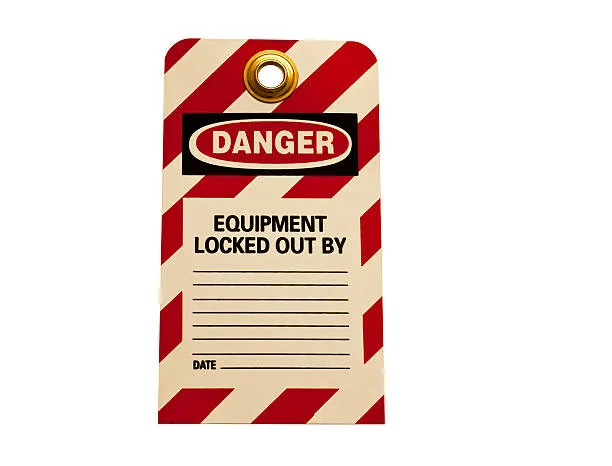
It involves locking the energy-isolating devices with a lock and tag, indicating that the equipment cannot be operated until the locks are removed. This essential process helps prevent accidents and injuries by controlling hazardous energy sources during maintenance or servicing of machinery.
Definition and purpose
Lockout/Tagout, often abbreviated as LOTO, refers to specific practices and procedures that safeguard employees from the unexpected start-up of machinery and equipment or the release of hazardous energy during service or maintenance activities.
By isolating energy sources through lockout devices, we effectively prevent accidents and ensure control over potentially dangerous situations. This practice is not just a recommendation; it’s enforced under SWA regulations as a critical component of workplace safety standards.
The aim behind this process extends beyond merely following rules; it’s about actively protecting lives and property within industrial settings. We utilise tagout devices alongside locks to provide a clear warning that certain equipment should not be operated until the tag is rightfully removed.
The purpose here intertwines with regulatory compliance while securing our most valuable asset – our team members – against risks associated with mechanical isolation and hazardous energy sources in their daily tasks.
Importance in industrial settings
Lockout safety locks play a crucial role in maintaining a safe work environment within industrial settings. These devices are essential for preventing unexpected equipment startup and ensuring that machinery is effectively isolated from hazardous energy sources.
By using lockout safety locks, businesses can comply with regulatory standards, reduce the risk of accidents and injuries, and minimise downtime during maintenance procedures.
In an industrial setting, implementing proper lockout/tagout procedures is vital to safeguard employees and equipment. Utilising reliable lockout safety locks not only fosters a culture of safety but also demonstrates a commitment to upholding occupational health and safety protocols.
Choosing the right lockout safety locks ensures that energy isolation measures are effectively implemented across various machinery and equipment within the workplace while mitigating potential risks.
Understanding the significance of utilising effective lockout safety locks helps businesses maintain compliance with relevant regulations while prioritising employee well-being and operational efficiency.
The Purpose and Benefits of Lockout/Tagout
Lockout/Tagout is a vital safety procedure that prevents accidents and injuries in industrial settings. It also ensures compliance with regulatory standards, reduces downtime, and fosters a culture of safety.
Prevents accidents and injuries
Lockout safety locks play a crucial role in preventing accidents and injuries in industrial settings. By effectively isolating hazardous energy sources, these locks help to ensure that machinery cannot be inadvertently started up or powered on during maintenance or servicing.
This simple yet effective measure significantly reduces the risk of employees coming into contact with moving parts, electrical currents, or other potential dangers, thereby minimising the occurrence of workplace accidents and injuries.
Implementing lockout safety locks is vital for maintaining a safe working environment and adhering to compliance standards. These devices provide a tangible barrier between workers and dangerous machinery, allowing them to perform necessary tasks without jeopardising their well-being.
Ensures compliance with regulatory standards
Maintaining lockout/tagout procedures and using safety locks is crucial for ensuring compliance with regulatory standards. It involves implementing specific energy control procedures to prevent hazardous energy from powering machinery during maintenance or servicing.
This not only helps in meeting HSE requirements but also ensures that the workplace adheres to safety regulations, protecting employees and avoiding potential legal ramifications. Utilising appropriate safety locks also demonstrates a commitment to maintaining a safe work environment, which is essential for fostering a culture of accountability and responsibility in industrial settings.
Compliance with regulatory standards through lockout/tagout procedures is imperative for businesses, as it helps protect employees and the reputation of the company. By following standardised practices and staying informed about regulations, businesses can avoid costly penalties while prioritising the well-being of their workforce.
Reduces downtime and maintenance costs
Reducing downtime and maintenance costs is a crucial benefit of implementing lockout/tagout procedures. By effectively isolating hazardous energy, businesses can prevent unexpected equipment start-ups during maintenance or repair work, minimising costly interruptions to operations.
Properly using safety locks and tags also extends the lifespan of machinery by ensuring that maintenance tasks are carried out in a safe and controlled manner, ultimately reducing overall maintenance expenses.
Implementing lockout/tagout procedures not only safeguards employees but also contributes to the financial well-being of the business. Preventing accidents through proper use of safety locks not only avoids potential legal fines but also mitigates lost productivity due to workplace injuries, boosting overall efficiency and decreasing operational expenses.
Fosters a culture of safety
Implementing a comprehensive lockout/tagout programme fosters a culture of safety within the workplace. It demonstrates to employees that their well-being is a top priority and encourages them to actively participate in maintaining a safe working environment.
By consistently adhering to lockout/tagout procedures, businesses can instil a mindset of vigilance and responsibility towards industrial safety measures, creating an atmosphere where everyone is committed to preventing accidents and injuries.
This proactive approach not only enhances employee morale but also strengthens overall safety protocols, ultimately contributing to increased productivity and reduced downtime.
Encouraging open communication about safety concerns and involving employees in regular training sessions further reinforces the importance of maintaining a secure work environment.
The Role of Lockout/Tagout in Employee Safety
Ensuring employee safety through understanding responsibilities, training and education, effective communication, and preparing for emergencies is crucial in the industrial setting.
Read more to learn about the importance of lockout/tagout in maintaining a safe workplace.
Understanding responsibilities
Understanding responsibilities in lockout/tagout procedures is crucial for maintaining a safe work environment and complying with regulations. Here’s how you can ensure that your employees understand their roles and duties:
- Assign specific individuals to oversee the lockout/tagout process, including identifying energy sources, implementing isolation measures, and verifying equipment de-energisation.
- Clearly communicate the importance of following established lockout/tagout procedures and provide comprehensive training on hazard recognition, energy control methods, and equipment-specific protocols.
- Emphasise the significance of effective communication between employees involved in the lockout/tagout process to prevent misunderstandings and ensure consistent adherence to safety measures.
- Conduct regular drills and simulations to prepare personnel for emergency situations and reinforce their understanding of proper lockout/tagout responsibilities.
- Encourage a culture of accountability by holding employees responsible for adhering to safety protocols and reporting any deviations or hazards promptly.
Training and education
Understanding the responsibilities of lockout/tagout procedures is crucial for ensuring workplace safety. Now, let’s explore the importance of training and education in this area:
- Comprehensive Training Programmes: Implementing regular and comprehensive training programmes ensures that all employees understand the relevant lockout/tagout procedures and are equipped to follow them effectively.
- Ongoing Education: Continuous education on lockout/tagout practices keeps employees informed about any updates or changes in safety regulations, ensuring compliance with workplace regulations.
- Employee Empowerment: Providing thorough training empowers employees to take responsibility for their safety and the safety of others in the workplace.
- Practical Application: Hands-on training sessions allow employees to practice using lockout safety locks effectively, helping them gain confidence in executing the procedures correctly.
- Supervisor Training: It is essential to provide specialised training for supervisors and managers on overseeing lockout/tagout activities, ensuring they can effectively enforce safety protocols and respond to emergencies.
- Communication Skills Training: Effective communication is vital during lockout/tagout procedures. Training should include fostering clear communication among team members involved in energy isolation activities.
- Emergency Response Drills: Regular drills and exercises are crucial for preparing employees to respond efficiently to emergency situations, further reinforcing the importance of proper lockout/tagout education.
Effective communication
To ensure lockout/tagout procedures are well-understood, we conduct regular training sessions with our employees. Everyone is briefed on the importance of lockout safety locks and how to use them correctly.
Clear and concise communication about potential hazards, energy isolation processes, and the significance of following safety protocols helps to minimise risks and keep everyone safe in the workplace.
We also encourage open dialogue among employees to raise any concerns or suggestions regarding lockout/tagout procedures. This two-way communication fosters a culture of shared responsibility for safety, ensuring that everyone feels empowered to contribute to maintaining a secure work environment.
Preparing for emergencies
In addition to effective communication, preparing for emergencies is crucial in ensuring workplace safety. It involves equipping employees with the necessary knowledge and skills to respond to unexpected situations. Here are key steps to prepare for emergencies:
- Develop and regularly review emergency response plans that outline specific procedures for different types of emergencies, such as equipment malfunctions or power failures.
- Conduct regular emergency drills to familiarise employees with evacuation routes, assembly points, and the proper use of emergency equipment.
- Provide training on first aid techniques and basic medical response to address injuries that may occur during equipment lockout/tagout procedures.
- Ensure all employees have access to emergency contact information and know whom to notify in case of an incident.
- Establish a clear chain of command for reporting emergencies and ensure employees understand their roles in escalating urgent matters.
Selecting the Right Lockout Safety Locks
When it comes to selecting the right lockout safety locks, it’s crucial to consider both quality and design. Different types of locks are available, so it’s essential to choose the one that best suits your specific industrial needs.
Importance of quality and design
Selecting the right lockout safety locks is crucial for maintaining a safe industrial work environment. The importance of quality and design cannot be overstated, as these factors directly impact the effectiveness of lockout/tagout procedures in preventing accidents and injuries.
High-quality locks designed with durable materials are essential to withstand harsh industrial conditions, ensuring that energy isolation devices remain securely locked during maintenance and servicing activities.
Additionally, well-designed lockout safety locks facilitate ease of use, enabling employees to efficiently implement lockout/tagout procedures when required.
Investing in high-quality and well-designed lockout safety locks demonstrates a commitment to employee safety while also aligning with regulatory standards for hazardous energy control.
Different types of locks
When choosing lockout safety locks for your facility, consider the following options:
- Keyed different locks: Each lock can only be opened with its unique key, ensuring individual accountability and preventing accidental removal.
- Keyed alike locks: Multiple locks can be opened with the same key, simplifying management in larger facilities or for specific group applications.
- Combination locks: Provide flexibility and convenience without the need for keys, suitable for situations where multiple individuals require access.
Regulations and Compliance
SWA requirements for lockout/tagout systems must be strictly adhered to in order to maintain a safe work environment and avoid potential penalties. Different types of lockout safety locks are available, and staying informed and compliant with regulations is crucial for the overall well-being of the workforce.
SWA requirements for lockout/tagout systems
SWA requires that lockout/tagout systems be implemented to prevent the unexpected energisation or startup of machinery and equipment during maintenance or servicing. The standards include conducting a comprehensive energy control programme, consisting of documented procedures for isolating machines from their energy sources and a system for affixing appropriate lockout/tagout devices to the energy isolating devices.
Employees should receive proper training on the purpose and use of these locks, as well as understanding how to recognise hazardous energy sources in their work environment.
To ensure compliance with SWA requirements, it is essential to regularly review and update lockout/tagout procedures in accordance with any changes in equipment or processes. Proper identification of all energy-isolating devices is crucial, including individually keyed padlocks, valve lockouts, electrical panel locks, and group lock boxes where multiple workers are involved.
It’s vital to stay informed about updates to SWA regulations related to lockout/tagout systems while also understanding the importance of effective implementation within our industrial setting.
Types of lockout safety locks
After understanding the SWA requirements for lockout/tagout systems, it is crucial to consider the types of lockout safety locks available. Different types of lockout safety locks serve various purposes and come in various designs and functionalities. It’s important to select the right one for your specific industrial needs. Here are some common types of lockout safety locks:
- Padlocks: These are versatile and can be used with different devices, ensuring that energy sources remain isolated during maintenance or servicing.
- Hasps: Used to secure multiple padlocks on a single energy-isolating device, allowing multiple workers to lock out the same piece of equipment.
- Valve Lockouts: These prevent the inadvertent opening or closing of valves, ensuring that pipes and vessels are properly isolated.
- Circuit Breaker Lockouts: Designed to fit most existing breakers, preventing unauthorised operation while maintenance is being performed.
- Cable Lockouts: Flexible and adaptable locks suitable for use on various devices with unique locking points, such as gate valves and electrical disconnects.
Importance of staying informed and compliant
Understanding the types of lockout safety locks is crucial in maintaining compliance as well as staying informed about regulatory standards. By keeping abreast of SWA requirements and being aware of different types of lockout safety locks, businesses can ensure that their lockout/tagout systems are up to date and aligned with industry best practices.
Staying compliant not only promotes a safe work environment but also helps in preventing accidents, reducing downtime, and avoiding potential fines or penalties associated with non-compliance.
Ensuring compliance by staying informed goes a long way in fostering a culture of safety within the industrial work environment. It demonstrates commitment to employee welfare while adhering to electrical safety measures and relevant shutdown tag out protocols, thereby enhancing overall workplace safety and productivity.
Conclusion
The importance of lockout safety locks in regulatory compliance cannot be overstated. We have explored the practical and efficient strategies for preventing accidents and ensuring regulatory standards are met in industrial settings. How will you apply these methods to enhance safety within your business operations? The impact of embracing lockout/tagout procedures can lead to significant improvements in workplace safety and efficiency.
Understanding the paramount importance of lockout safety locks in regulatory compliance provides leverage for enhanced safety measures. Depend on Work Safe Lockout for your lockout solutions. Explore further resources or guidance to deepen your understanding of this crucial aspect of industrial work environment safety. Let’s take proactive steps towards creating a safer workplace together!
Sorting out lockout for your own site?
Describe what needs isolating and we'll help you work out the setup that fits.