
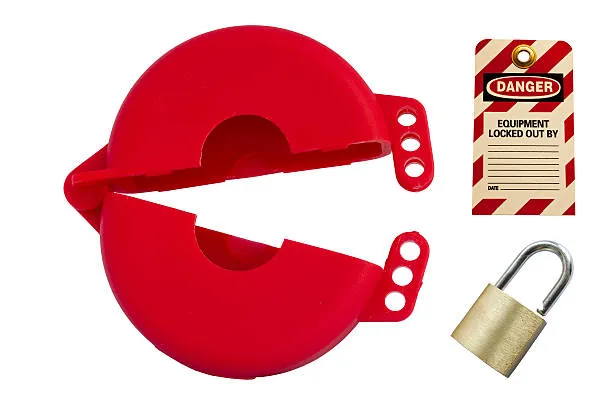
We all strive to keep our workplaces safe, and for safety managers, mastering Lockout Tagout (LOTO) is key to that mission. Simply put, LOTO is a set of procedures used to make sure machines are properly shut off and unable to start up again during maintenance or repair work. This process saves lives – stopping about 120 fatal accidents and preventing 50,000 injuries each year according to the Occupational Safety and Health Administration (OSHA). Compared to just tagging out equipment with warnings, locking out with durable safety locks provides much stronger protection.
Having a robust LOTO program means getting everyone on board: from top management right down to every employee who works near these machines. Managers need clear policies in place and must ensure staff have thorough training on how these rules keep them safe at work. Regular check-ups are essential too – it’s important we inspect our systems constantly so they’re always working as they should. But we don’t stop there; innovation in lockout technology takes safety up another notch. We’ve now got advanced padlocks and smart tech like software that lets us track everything online or even apps on our phones for real-time monitoring of equipment lockdowns.
Thanks to LOTO programs, not only do we meet legal standards for workplace safety but also boost productivity by limiting machine downtime due to unexpected shutdowns or accidents. Looking ahead involves keeping pace with new trends such as integrated management systems which can pose challenges but also offer better ways of protecting workers. Lockout safety locks aren’t merely tools – they’re part of an ongoing journey towards making workplaces safer across Australia. Let’s unlock the potential of LOTO together!

Understanding Lockout Safety
Lockout safety, also known as Lockout Tagout (LOTO), is a critical procedure in industrial safety to control hazardous energy and prevent accidents. It involves isolating machinery or equipment from its energy source and ensuring it cannot be restarted until maintenance or servicing is complete.
Understanding the importance of LOTO, as well as the difference between lockout and tagout, is essential for creating a safe work environment.
Definition of Lockout Tagout (LOTO)
Lockout Tagout, or LOTO as we commonly refer to it, is a critical safety procedure used in our industry. It’s all about controlling hazardous energy during the service and maintenance of machines and equipment.
By applying locks and tags to energy-isolating devices like circuit breakers or valves, we ensure that these cannot be used until the locks or tags are removed. This is an essential step in hazard management that prevents unexpected energisation or release of stored energy, which could cause harm.
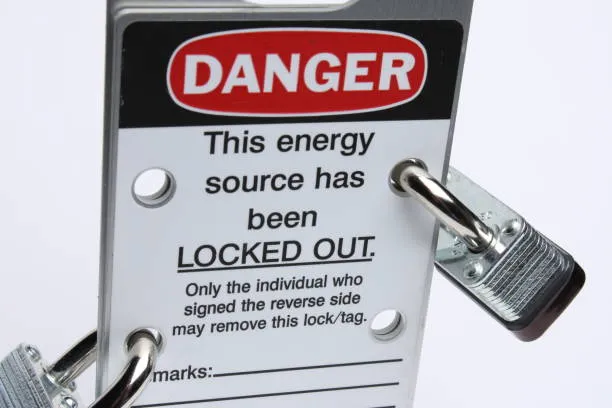
We use LOTO to protect employees from serious injuries that can happen if machinery starts up unexpectedly while being serviced. These safety locks and tags act as red flags for danger, they alert us that someone is working on the equipment.
The process involves shutting off the machine’s power source completely and then locking it down with a padlock so no one can turn it back on accidentally. Tags give clear isolation instructions plus details about who locked out the system and why, ensuring personal protection for everyone involved.
Importance in industrial safety
Lockout safety is crucial for industrial workplaces to prevent accidents and injuries caused by unexpected machine activation. Implementing lockout procedures ensures that equipment is effectively isolated from energy sources during maintenance or repair, reducing the risk of workplace hazards.
Compliance with lockout legislation and HSE standards is essential to maintain a safe working environment, protecting employees and promoting occupational health.
Having a robust lockout programme in place not only minimises potential risks but also demonstrates a commitment to safety compliance. Employee training on lockout procedures equips staff with the knowledge and skills needed to perform tasks safely, fostering a culture of safety within the organisation.
Difference between lockout and tagout
In industrial safety, it’s essential to understand the difference between lockout and tagout procedures. While lockout involves physically securing energy-isolating devices with a lock, tagout uses tags or danger labels to indicate that equipment should not be operated.
Lockout provides a more secure measure by preventing accidental activation of machinery, while tagout serves as a warning system to communicate potential hazards.
Both lockout and tagout are crucial in ensuring employee safety during maintenance or repair work on machines and equipment. Careful consideration of when to use each procedure is vital for effective risk management in the workplace, ultimately reducing accidents and injuries related to energy isolation processes.
OSHA standards and exceptions
After understanding the difference between lockout and tagout procedures, it’s crucial to be aware of Occupational Safety and Health Administration (OSHA) standards and exceptions.
OSHA regulations require employers to implement lockout safety measures to prevent the accidental startup of machinery during maintenance or servicing. These standards are designed to protect workers from hazardous energy sources, but some exceptions apply based on specific industries or equipment types.
Employers should conduct a thorough risk analysis in accordance with OSHA regulations to determine which machinery requires lockout/tagout procedures. It’s essential for safety managers to stay updated with OSHA safety protocols and consistently reassess their workplace risk assessments to ensure compliance with evolving safety regulations.
Implementing a LOTO Program
When implementing a LOTO programme, it’s important to involve key players in the organisation, establish a clear policy, and provide thorough training and education for employees. To learn more about the essential steps in implementing a successful lockout safety programme, keep reading.
Key players involved
Safety managers, equipment supervisors, and frontline workers play crucial roles in the successful implementation of a lockout tagout (LOTO) programme. Safety managers oversee the development and maintenance of LOTO policies, ensuring compliance with OSHA standards and providing necessary training for employees.
Equipment supervisors are responsible for executing the LOTO procedures on specific machinery, coordinating with maintenance personnel as needed. Frontline workers are essential in following LOTO protocols to safeguard themselves and others from hazardous energy sources during servicing or maintenance activities.
Collaboration between these key players is vital to establish a robust culture of safety within the workplace. By working together seamlessly, they can ensure that all aspects of the LOTO programme are effectively communicated, understood, and implemented across different levels of the organisation.
Establishing a LOTO policy
To establish a robust Lockout Tagout (LOTO) policy, we need to:
- Clearly define the scope and application of the policy, outlining which equipment and machinery it applies to.
- Outline specific procedures for implementing lockout/tagout, including steps for isolating energy sources and securing them with appropriate locks.
- Designate responsible individuals for overseeing LOTO procedures and ensure that they receive adequate training.
- Communicate the policy effectively to all employees through comprehensive safety training and provide regular updates on any changes.
- Establish a system for evaluating the effectiveness of the LOTO policy through regular audits and reviews, making necessary adjustments as required.
Training and educating employees
- Conducting regular training sessions to familiarise employees with LOTO procedures, equipment usage, and potential hazards.
- Providing comprehensive educational materials such as manuals, videos, and online resources to reinforce understanding and promote compliance.
- Implementing hands – on demonstrations to allow employees to practise proper lockout procedures under supervision.
Inspections and audits
Inspecting and auditing your lockout safety program is crucial in ensuring its effectiveness. Here are key aspects to consider:
- Regular inspections of lockout devices and procedures to identify any defects or non – compliance with safety standards.
- Audits to review the overall implementation and adherence to the lockout tagout (LOTO) policy within your facility.
- Ensuring that all employees are aware of their responsibilities and proficient in executing proper lockout procedures.
- Verifying that all equipment requiring lockout has corresponding lockout devices properly installed.
- Documenting inspection and audit findings, ensuring corrective actions are promptly taken when necessary.
Innovative LOTO Solutions
Explore the latest advancements in lockout safety technology, including advanced lockout padlocks, engraving and colour-coding options, and LOTO software. These innovative solutions aim to enhance workplace safety and efficiency through improved equipment control measures.
Advanced lockout padlocks
When selecting advanced lockout padlocks, consider durable materials and tamper-resistant features. These locks offer unique keying options for enhanced security, including master or grand-master key systems.
Different colour-coded options help in quick identification, alongside engraving for clear labelling of lock ownership and purpose. It is crucial to choose padlocks that meet OSHA standards for effective lockout/tagout procedures.
For optimal performance, streamline your inventory of lockout safety equipment with a unified keying system. Ensure compatibility with other LOTO devices such as hasps and tags to establish a comprehensive program.
Lockout stations and boards
After implementing advanced lockout padlocks, the next step in enhancing your lockout safety programme is to set up lockout stations and boards. These dedicated stations provide a centralised location for all necessary equipment, including padlocks, tags, hasps, and other devices required for effective lockout procedures.
The clear organisation of tools on these boards allows employees to quickly locate what they need when performing maintenance or repairs on machinery. By using colour-coding and clear instructions on the boards, you can ensure that everyone understands the correct procedures for locking out equipment.
Implementing prominent lockout stations also serves as a visual reminder of the importance of safety protocols within the workplace. Business owners will find that these easily accessible boards contribute to a culture of safety consciousness among their employees and reinforce the company’s commitment to providing a safe working environment.
Engraving and colour-coding options
After implementing lockout stations and boards, safety managers can further enhance their lockout tagout (LOTO) programme by utilising engraving and colour-coding options. Engraving padlocks with specific identification numbers or employee names can provide clear visual cues, making it easier for employees to locate the correct locks during maintenance procedures.
Additionally, colour-coding the padlocks based on departments or specific machines can help streamline the identification process and reduce human error. These simple yet effective strategies not only contribute to a more organised LOTO system but also promote better adherence to safety protocols within the workplace.
Employing engraving and colour-coding options in conjunction with other LOTO solutions demonstrates a proactive commitment to workplace safety. By incorporating these measures into the overall LOTO programme, businesses can significantly minimise risks associated with hazardous energy sources while fostering a culture of awareness and responsibility among employees.
LOTO software and mobile applications
Implementing LOTO software and mobile applications streamlines the lockout tagout process. These tools digitise lockout procedures, creating a central hub for policies, training materials, and machine-specific data.
With user-friendly interfaces, employees can easily access equipment isolation steps on their smartphones or tablets.
These applications simplify documentation of lockout/tagout processes, ensuring compliance with HSE standards. They also provide real-time updates and notifications to safety managers about ongoing lockout activities.
Integrating LOTO software and mobile applications into your safety programme enhances efficiency while promoting a culture of safety awareness in the workplace.
Enhancing Workplace Safety through LOTO
By implementing a lockout tagout program, businesses can improve machine guarding, enhance efficiency and productivity, and reduce accidents and injuries. This is crucial for creating a safer workplace environment for employees.
Improved machine guarding
Enhanced machine guarding is crucial for workplace safety. Upgrading to modern, robust barriers and shields around equipment minimises the risk of employee exposure to hazardous machinery.
Implementing innovative sensor-based systems also adds an extra layer of protection by automatically shutting down machines when personnel approach, ensuring a safer work environment.
Moreover, installing clear signage and warning lights near dangerous areas alerts workers to potential hazards in real time. This proactive approach significantly reduces the likelihood of accidents while fostering a culture of safety consciousness among employees.
Enhanced efficiency and productivity
Improving workplace safety through a robust Lockout Tagout (LOTO) programme has the potential to enhance efficiency and productivity in industrial settings. By implementing effective lockout safety measures, businesses can minimise unexpected equipment shutdowns and downtime, allowing for smoother operations.
This results in increased productivity as employees can perform their tasks without interruptions caused by machinery malfunctions or accidents.
Moreover, prioritising LOTO protocols leads to enhanced employee morale and confidence in the workplace, fostering a positive work environment that further supports heightened efficiency.
Implementing an efficient LOTO programme enables business owners to streamline their operations while promoting a safe and secure working environment for all employees.
Reduction in accidents and injuries
Transitioning from the focus on enhanced efficiency and productivity, it is crucial to highlight the notable reduction in accidents and injuries that comes as a direct result of implementing lockout safety procedures.
This leads to a safer work environment and fewer disruptions due to incidents. Lockout safety measures help prevent unexpected machine start-up or release of stored energy during maintenance or servicing, significantly reducing the risk of workplace accidents.
By utilising LOTO technology effectively, businesses can actively safeguard their employees against potential harm.
Future Trends in LOTO Technology
With advancements in technology, we can expect to see integrated management systems, mobile communication and monitoring, and cloud-based data management being utilised for LOTO programs.
These innovations will bring both advantages and challenges to the field of lockout safety.
Integrated management systems
Integrating management systems streamline safety procedures across the organisation. This approach combines lockout safety with other critical safety protocols such as hazard communication and emergency response plans, creating a cohesive framework for comprehensive workplace safety.
By integrating these systems, Safety Managers can ensure that all safety measures work together seamlessly to protect employees and equipment from potential hazards.
Combining lockout tagout with other management systems maximises efficiency in implementing and maintaining safety practices. This integration minimises redundancy in processes while optimising resources, resulting in improved safety outcomes for the entire workforce.
Mobile communication and monitoring
Implementing a comprehensive lockout safety program involves embracing innovative advancements. Mobile communication and monitoring solutions offer real-time updates on LOTO procedures, equipment status, and employee compliance.
These technological tools empower safety managers to oversee the entire lockout process remotely, improving efficiency and accuracy of safety measures.
Integrating mobile communication and monitoring into your LOTO program enhances accountability, reduces human error, and provides immediate access to critical information. With these advancements, safety managers can ensure that employees adhere to lockout protocols even when they are working in various areas of the facility.
Cloud-based data management
Transitioning from mobile communication and monitoring to cloud-based data management, safety managers can leverage cutting-edge technology for centralised and secure storage of lockout/tagout (LOTO) procedures and equipment information.
Cloud-based data management streamlines access to critical LOTO documentation, enabling real-time updates and remote accessibility – enhancing operational efficiency. By integrating LOTO software with cloud services, businesses can expedite compliance reporting and ensure seamless coordination across multiple sites.
This not only enhances safety but also supports a proactive approach to risk management while facilitating comprehensive tracking of maintenance activities for lockout safety equipment.
With the increasing demand for scalable and adaptable solutions in safety management, leveraging cloud-based data management enables businesses to harness the power of automation while optimising resources.
Advantages and challenges of technological advancements
Embracing technological advancements in lockout safety presents several advantages. Enhanced automation and integration can streamline the implementation of LOTO procedures, making it easier for employees to adhere to protocols.
Advanced monitoring systems also offer real-time insights into equipment status, further bolstering workplace safety. Cloud-based data management allows for seamless record-keeping and remote access, promoting transparency and accountability across all levels of the organisation.
However, embracing new technology also poses challenges. Upgrading existing systems may require significant investment and training to ensure smooth adoption by employees. Technical issues or malfunctions could potentially disrupt operations if not properly addressed.
Conclusion
We have covered the essential aspects of implementing lockout safety locks in industrial settings. The strategies and tips provided are practical, easy to implement, and highly efficient. By embracing these approaches, businesses can witness a significant reduction in accidents and injuries while enhancing workplace safety. Furthermore, integrating innovative LOTO solutions can lead to improved machine guarding and increased efficiency and productivity.
Implementing lockout safety locks is an essential skill for safety managers. Enhance your safety protocol with us at Work Safe Lockout, securing a safer future for your workforce. For further exploration, consider researching future trends in LOTO technology for continued improvements in safety management. Ultimately, taking proactive measures towards lockout safety is crucial for protecting both employees and business operations from potential risks.
Sorting out lockout for your own site?
Describe what needs isolating and we'll help you work out the setup that fits.