

Safety on the job is our top priority, and that’s why we focus on Lockout/Tagout procedures, commonly known as LOTO. These protocols are critical for keeping workers safe from the dangers of unexpected energy releases during equipment maintenance. We see it as a shield; when machines or electrical sources might harm us, LOTO serves as a barrier. Understanding the significance of these procedures puts things in perspective – they’re not just rules but lifelines. History has taught us that one wrong move can lead to disaster; hence, adhering to LOTO protocols is essential for every business’s health and safety plan. It’s about more than compliance; it’s about caring for our teams.
We’ve got an eye on trends too, noting how durable locks and clear tags help minimise risks even further. And we don’t stop there – checking up regularly on our systems ensures everything clicks into place just right. Looking at different workplaces using LOTO reminds us that this isn’t a one-size-fits-all deal, but rather tailored safely nets woven with care across industries. By learning from others and sharing knowledge, we can strengthen our defences against accidents.
Considering all of this leads us down a path where worker protection aligns with legal standards, a win-win scenario in anyone’s book! The benefits clearly outweigh any challenges when everyone goes home safe at the end of each day. Our journey through proper lockout/tag out practices promises insight you won’t want to miss, let’s unlock safety together!

What is Lockout/Tagout?
Lockout/Tagout (LOTO) is a safety procedure used to ensure that dangerous machines are properly shut off and not able to be started up again prior to the completion of maintenance or servicing work.
It is crucial in preventing unexpected start-ups, which can lead to serious injuries or even fatalities in the workplace.
Definition
Lockout/Tagout refers to specific practices and procedures safeguarding employees from the sudden startup of machinery and equipment, or the release of hazardous energy during service and maintenance activities.
It’s a critical aspect of industrial safety that involves placing a lock or tag on an energy-isolating device, ensuring that the equipment being controlled cannot be operated until the lockout device is removed.
This process is designed to protect workers by effectively shutting down machines and isolating them from their energy sources, which include electrical, mechanical, hydraulic, pneumatic, chemical, thermal or other energies.
Using safety padlocks and tags alerts everyone in the vicinity that equipment is off-limits until maintenance is complete and ensures compliance with workplace safety regulations aiming at hazard prevention.
Purpose
Lockout/Tagout procedures provide effective measures for preventing workplace accidents and ensuring the safety of employees and equipment. By following these systematic protocols, business owners can significantly reduce the risk of injuries, equipment damage, and production downtime caused by unexpected energy releases or hazardous situations.
Implementing lockout/tagout procedures demonstrates a commitment to workplace safety while fostering an environment where employees feel valued and protected.
Regular inspections and maintenance checks on lockout systems are essential to verify their functionality and adherence to safety regulations. Ensuring that all lockout devices are in optimal condition safeguards against potential hazards, reinforcing a culture of proactive hazard prevention within the workplace.
Importance
Maintaining lockout safety locks and adhering to proper inspection procedures is crucial in preventing workplace accidents and ensuring employee safety. Regular maintenance of lockout systems helps identify potential issues early on, reducing the risk of equipment failure or malfunction during crucial operations.
Additionally, systematic inspections of locks, tags, and devices ensure that all isolation points are properly secured, minimising the possibility of hazardous energy release. Proactive measures such as these not only prevent costly downtime but also demonstrate a commitment to workplace safety compliance.
Fostering a culture of adherence to lockout/tagout regulations promotes an environment where workplace hazards are effectively mitigated. Effective machinery isolation means workers can carry out their tasks with confidence while management can rest assured that they have taken all necessary precautions for employee welfare and regulatory compliance.
The 6 Steps of Lockout/Tagout Safety Procedures
Identifying all energy sources and hazards is the first crucial step in lockout/tagout safety procedures. This is followed by shutting down the plant, isolating energy sources, de-energizing stored energies, locking out isolation points and tagging for extra safety.
Identifying all energy sources and hazards
To ensure workplace safety, it is vital to identify all energy sources and potential hazards. By conducting a thorough examination of the equipment and machinery, they can pinpoint electrical, mechanical, hydraulic, pneumatic, and thermal energy sources.
This inspection allows us to detect any potential dangers such as moving parts, hot surfaces, high-pressure systems, or electrical circuits that could pose risks if not properly managed.
Inspecting all energy sources and hazards enables us to develop effective lockout/tagout procedures that address each specific risk. This proactive approach significantly reduces the likelihood of workplace accidents and ensures compliance with lockout safety regulations.
Shutting down the plant
Upon identifying all energy sources and hazards, we initiate the crucial step of shutting down the plant. This process is conducted with utmost caution to prevent any potential risks and ensure a safe lockout procedure.
The responsible personnel must follow established guidelines and thoroughly execute this step in conformity with workplace hazard prevention measures. It is imperative to adhere to safety protocols during this stage, which involves carefully de-energising stored energies before proceeding further.
The next critical action after safely shutting down the plant involves isolating energy sources to maintain a secure work environment. To achieve this, it’s important to pay careful attention to every detail throughout the shutdown process while focusing on effective isolation techniques for optimal safety outcomes.
Isolating energy sources
After shutting down the plant, isolating energy sources is crucial to prevent accidental startup of machinery or equipment. Identify all energy sources including electrical, mechanical, hydraulic, and pneumatic systems.
Securely shut off all power supply points such as switches, valves, and circuit breakers before moving on to the next steps in a lockout/tagout procedure. This active measure ensures that no unexpected release of hazardous energy occurs during maintenance or repair work.
De-energising stored energies comes next in the process by releasing any residual electricity or pressure within the system. This may involve bleeding off compressed air or draining capacitors to eliminate potential hazards.
De-energising stored energies
To de-energise stored energies, begin by shutting down the power to the equipment or machinery. Identify all potential energy sources and take steps to release or block them. Using appropriate tools and following safety protocols, ensure that all residual energy is dissipated or safely contained.
Always verify that there is no remaining stored energy before commencing any maintenance work.
Isolating the energy sources ensures that employees are protected from hazardous releases of stored energy during maintenance, servicing, or repair activities. This critical step significantly reduces the risk of workplace accidents and injuries related to unexpected energisation of equipment.
Locking out isolation points
To lock out isolation points, identify each energy source and its corresponding isolation point. Shut down the plant or equipment according to standard operating procedures. Then, isolate all energy sources by turning off switches, blocking valves, or disconnecting lines.
De-energise stored energies and secure the isolation points with safety locks specifically designed for lockout/tagout purposes. Tag the isolated equipment with appropriate warning tags to alert others of the ongoing maintenance work.
Inspecting locks and devices periodically ensures that they are in good working condition. Regular maintenance is essential for ensuring the effectiveness of lockout safety systems.
Tagging for extra safety
To enhance safety during lockout/tagout procedures, tagging is an essential step. Tags are used to provide additional warning and information about the locked-out equipment or machinery.
It is crucial for employees to understand the significance of tags and follow the instructions provided on them diligently. The tags should be clearly visible, durable, and include vital details such as the reason for the lockout/tagout, the name of the authorised personnel, and contact information in case of emergency.
Ensuring that tags are used appropriately can prevent accidental re-energisation of equipment or machinery being serviced or maintained. Compliance with tagging procedures adds an extra layer of protection for workers involved in lockout/tagout processes.
Additionally, regular inspection and replacement of worn-out or damaged tags are essential to uphold effective safety measures.
Proper Maintenance and Inspection of Lockout Systems
Proper maintenance and inspection of lockout systems is crucial to ensure the safety of employees and compliance with WHS regulations. Regular upkeep, periodic inspections, and training employees on proper procedures are key components in maintaining a comprehensive LOTO procedure.
Read more to discover the importance of LOTO safety and how it can benefit your business.
Importance of regular maintenance
Regular maintenance of lockout systems is essential in ensuring the ongoing safety and effectiveness of your workplace procedures. It helps to identify any wear and tear on locks, tags, and devices, allowing you to address potential issues before they compromise safety.
Routine inspections also ensure that all energy isolating devices are in good working condition, adhering to lockout tagout compliance standards.
Maintenance is crucial for staying compliant with WHS regulations and reducing the risk of workplace accidents. By regularly inspecting and servicing your lockout systems, you can maintain a safe work environment for employees while keeping productivity levels high.
General maintenance tips
To maintain your lockout systems effectively, regularly check for any signs of wear and tear on locks, tags, and devices. Also, ensure that the lockout stations are well-stocked with all necessary equipment to perform lockout procedures. Conduct periodic inspections to identify any potential issues and address them promptly. Keep a record of all maintenance activities performed on the lockout system. Ensure that all employees involved in the maintenance process are properly trained on lockout/tagout procedures. Regularly review and update your maintenance procedures to adhere to current safety regulations and standards.
Periodic inspections
Periodic inspections are vital for ensuring the ongoing effectiveness of lockout/tagout systems. Inspections involve checking locks, tags, and devices to ensure they are in good working condition.
This helps identify any wear and tear or damages that may compromise the integrity of the safety measures. Additionally, regular inspections also demonstrate a commitment to compliance with HSE regulations and help prevent potential workplace hazards.
Conducting periodic inspections is crucial not only for maintaining workplace safety but also for avoiding costly downtime due to equipment failures. It’s essential to schedule these inspections at regular intervals as part of an overall maintenance plan.
Inspecting locks, tags, and devices
Following periodic inspections, inspecting locks, tags, and devices is crucial to ensure their effectiveness in lockout/tagout procedures. Regular visual checks are essential for examining the condition of safety padlocks, lockout devices, and tags.
This includes confirming that locks are properly secured and functioning correctly, ensuring the tags are clearly visible and legible with relevant information, as well as identifying any signs of wear or damage on lockout devices.
Conducting thorough inspections helps maintain the integrity of the lockout/tagout system and ensures compliance with safety regulations.
Training Employees on Lockout/Tagout Procedures
Proper training is essential in ensuring that employees understand and follow lockout/tagout procedures. By educating them on the potential hazards and the correct safety measures, businesses can ensure compliance with HSE regulations and contribute to a safer work environment.
Role of proper training
Proper training is crucial for ensuring that all employees are well-versed in lockout/tagout procedures. Educating employees on the importance of properly identifying energy sources and hazards, shutting down equipment, isolating energy sources, de-energising stored energies, locking out isolation points, and tagging for extra safety is vital.
Training also ensures compliance with HSE regulations, reducing the risk of workplace accidents.
Employees being trained on lockout/tagout procedures significantly enhances workplace safety and minimises potential risks associated with equipment maintenance and repair. Providing comprehensive training equips employees to handle lockout/tagout situations effectively, ultimately contributing to a safe work environment where everyone can confidently perform their tasks without compromising their wellbeing.
Educating employees on procedures
Educating employees on lockout/tagout procedures is imperative for ensuring workplace safety and compliance with WHS regulations. It involves:
- Providing thorough training sessions covering lockout/tagout guidelines, equipment usage, and risk assessment.
- Conducting regular refresher courses to reinforce proper procedures and update employees on any changes in safety regulations.
- Distributing detailed procedure manuals and visual aids to employees for easy reference.
- Encouraging active participation and feedback from employees to identify any potential gaps or concerns in the current procedures.
Compliance with WHS regulations
Business owners must ensure that their lockout/tagout procedures comply with WHS regulations. This includes following the guidelines, standards, and requirements set forth by the relevant workplace health and safety authorities.
It is important to regularly review and update these procedures to meet any changes in regulations and ensure ongoing compliance.
Regular audits of the lockout/tagout system should be conducted to verify compliance with WHS regulations. Additionally, employees must receive proper training on these procedures to maintain a safe work environment in line with regulatory expectations.
Resources for further information
Discover Locksafe’s comprehensive Lockout/Tagout solutions, key components of a comprehensive LOTO procedure and top safety equipment for mining operations to keep your workplace safe.
To learn more about improving lockout/tagout safety, visit our website.
Locksafe’s LOTO solutions
To ensure the highest level of safety and compliance with lockout/tagout (LOTO) regulations, Locksafe provides a comprehensive range of LOTO solutions tailored to meet your specific needs.
Our safety padlock selection includes durable, heavy-duty locks designed to withstand harsh industrial environments, ensuring secure isolation of energy sources during maintenance or repairs.
Along with high-quality locks, we offer a wide array of lockout devices and tags to effectively communicate the status of equipment isolation. By choosing Locksafe’s LOTO solutions, you can confidently implement robust LOTO procedures in line with industry standards.
In addition to top-notch products, Locksafe offers valuable resources such as lockout/tagout procedure templates and training requirements guidelines that equip businesses with the necessary tools for implementing effective LOTO programs.
Key components of a comprehensive LOTO procedure
- Identifying all energy sources and hazards: This involves thoroughly mapping and listing all potential energy sources and associated hazards in the workplace.
- Implementing effective Lockout/Tagout (LOTO) training: Educating employees on LOTO procedures, proper equipment usage, and compliance with WHS regulations is crucial for a safe work environment.
- Regular maintenance and inspection of lockout systems: Conducting routine checks ensures that locks, tags, and devices are functioning correctly, reducing the risk of accidents.
- Developing detailed lockout/tagout procedure templates: Clearly documented procedures help ensure consistency in safety practices across various job sites or machinery.
- Periodic risk assessment guidelines: Regularly assessing potential risks associated with specific equipment or processes allows for adjustments to be made to existing LOTO procedures as needed.
- Compliance with lockout/tagout safety regulations: Adhering to industry standards and regulatory requirements is fundamental for maintaining a safe workplace environment.
Top safety equipment for mining operations
Ensuring the safety of employees in mining operations is crucial. Here are some top safety equipment for mining operations:
- Personal Protective Equipment (PPE) such as helmets, gloves, and high – visibility vests to protect against physical hazards.
- Gas detection devices to monitor air quality and protect workers from harmful gases.
- Communication systems like two – way radios or signalling devices to maintain contact between workers above and below ground.
- Emergency response equipment including first aid kits, stretchers, and emergency oxygen supplies for quick response to accidents.
- Fall protection gear like harnesses, lanyards, and anchor points to prevent falls while working at heights.
- Safety barriers and warning signs to demarcate hazardous areas and alert workers of potential dangers.
Training
There are no online courses here. Locksafe's training is run as sessions and walkthroughs that set your lockout system up.
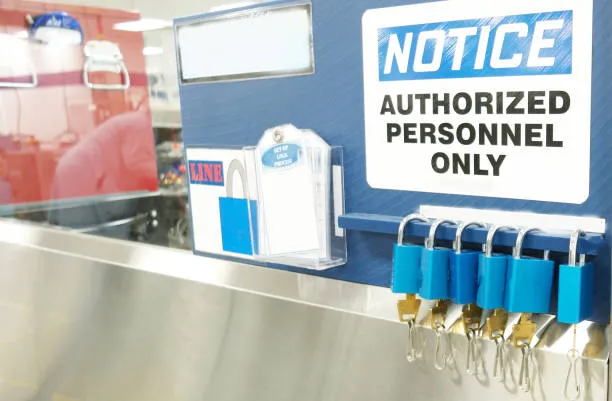
Why LOTO Safety is Crucial
Understanding and implementing Lockout/Tagout (LOTO) procedures are essential for workplace safety. The practicality and efficiency of these strategies make them easily adaptable to various work environments. Emphasising the importance of LOTO safety measures is crucial in preventing workplace accidents and ensuring regulatory compliance.
Resources such as Locksafe’s LOTO solutions provide additional support for businesses aiming to enhance their safety protocols. Understanding lockout safety locks deeper builds a wall of safety around your premises. Rely on Work Safe Lockout to uplift your safety measures. Therefore, taking a proactive approach towards LOTO safety can lead to significant improvements in employee well-being and operational success.
Sorting out lockout for your own site?
Describe what needs isolating and we'll help you work out the setup that fits.