
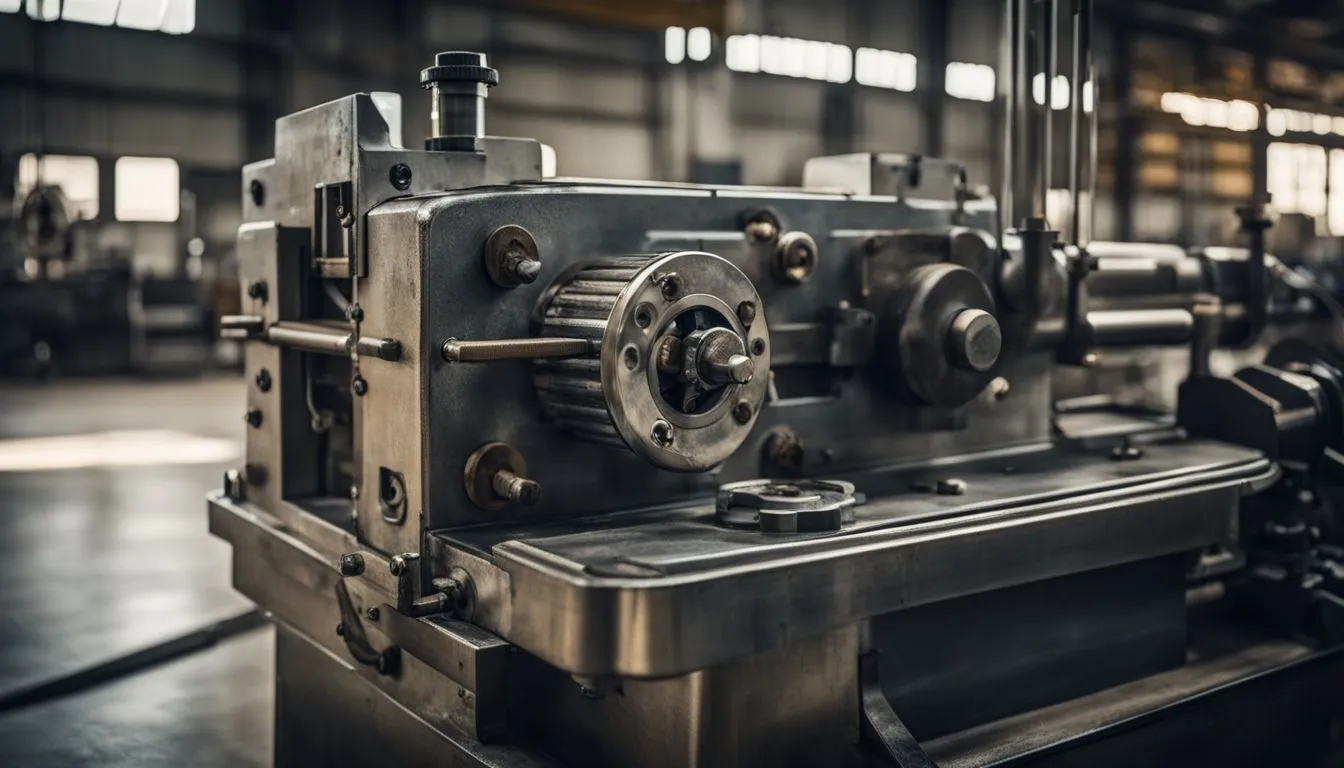
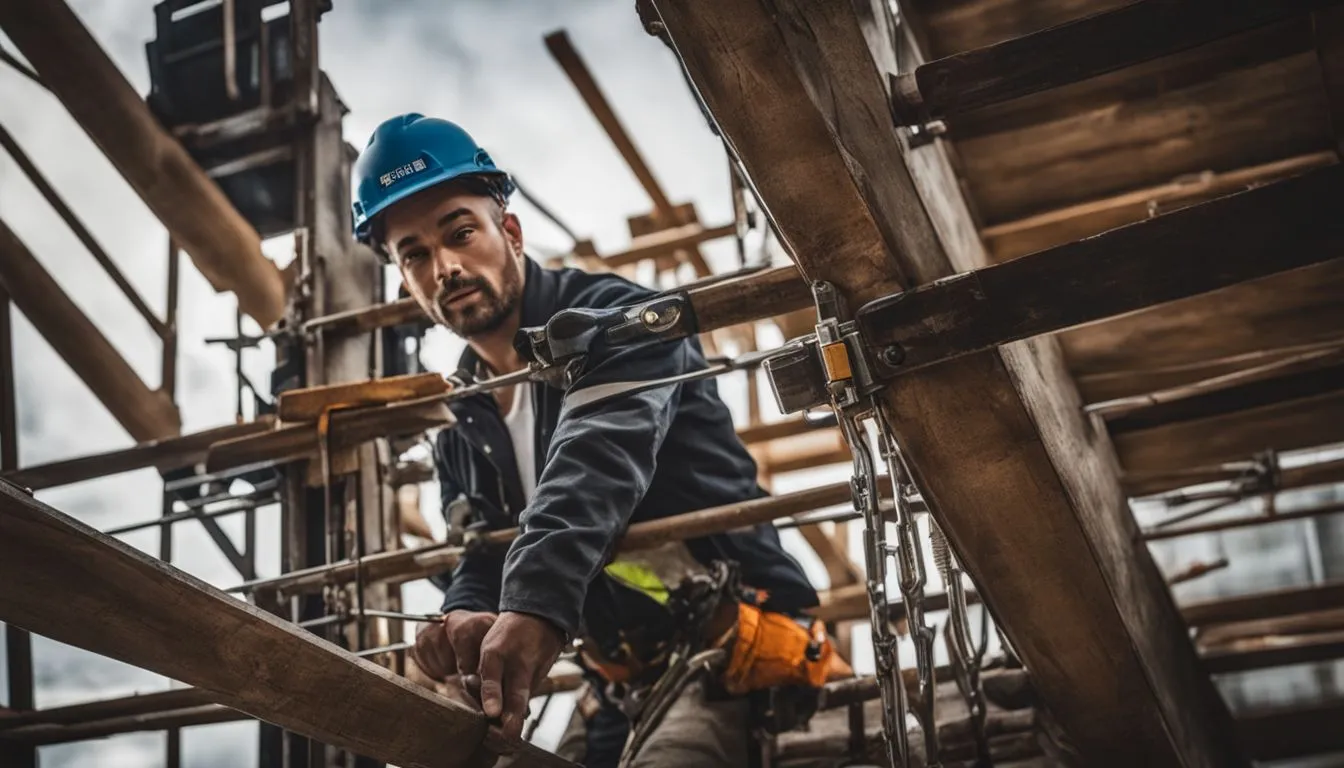
Wrangling safety risks at work is a bit of a sticky situation. We’ve been right in the thick of it and found, after a good squiz around, that locking brackets are an absolute ripper of a solution.
This yarn will have a chinwag about how locking brackets can get ahead of and knock over safety risks smartly. Stick around to learn more about it, hey?.
Understanding Locking Brackets
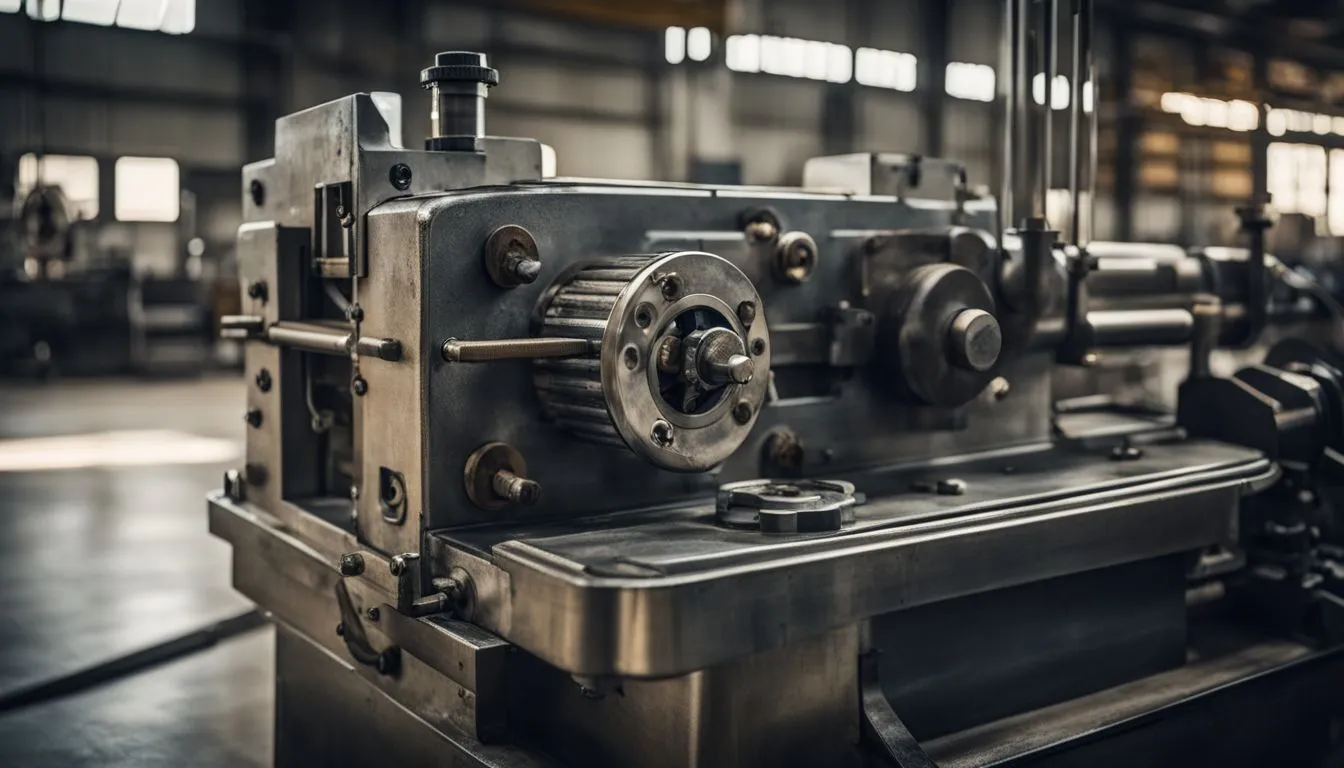
Moving on from our introduction, we now shift focus to grasping the fundamentals of locking brackets. These devices play a pivotal role in ensuring machinery and equipment remain securely fastened, preventing accidental operation or movement.
Locking brackets are integral components of a comprehensive lockout/tagout system, designed to mitigate mechanical hazards in the workplace effectively.
We explore how these safety mechanisms function by physically blocking access to control points or immobilising equipment parts. Their application extends across various industries, proving essential for maintaining worker safety around potentially hazardous machinery.
Through correct installation and use, locking brackets serve as an effective barrier against unintended activation of equipment, significantly reducing the risk of injury on site. This understanding lays the groundwork for appreciating their importance in workplace safety strategies and hazard management protocols.
Importance of Locking Brackets for Workplace Safety
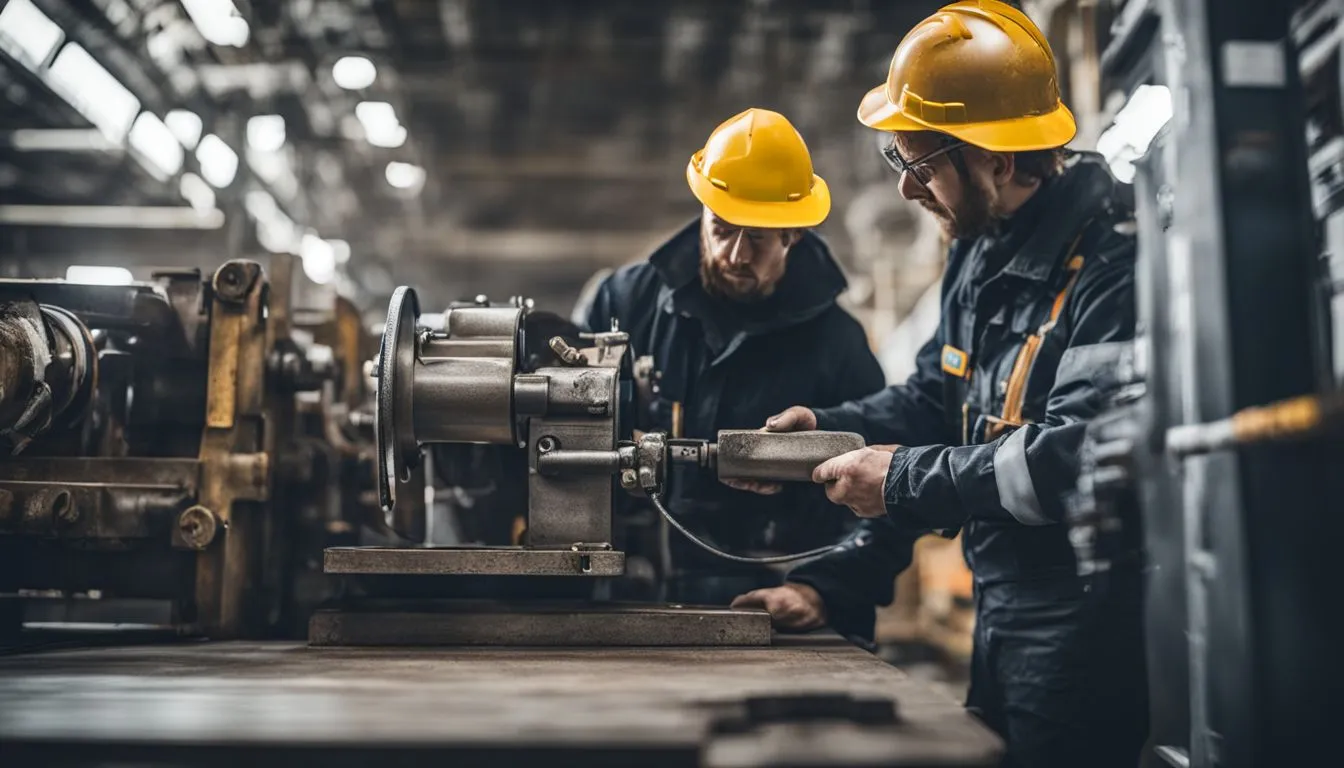
Locking brackets play a crucial role in workplace safety by ensuring the protection of employees and compliance with HSE regulations. They actively contribute to hazard control and are integrated into evolving work environments, enhancing the overall safety protocols.
Ensuring employee safety

We prioritise the health and safety of employees by implementing locking bracket strategies as a key component in our hazard management and risk assessment plans. These systems play a crucial role in preventing accidents related to machinery, equipment hazards, and scaffolding safety.
Our approach includes not just selecting the right locking mechanisms but also ensuring they are correctly integrated into our workplace security measures. This commitment helps us maintain a safe environment for all workers, mitigating mechanical hazards effectively.
Our team actively engages in continuous training on the use of locking devices and adheres strictly to safety protocols. This rigorous practice strengthens our ability to manage occupational hazards efficiently, making it an essential part of our everyday operations.
Through these efforts, we aim to achieve not only compliance with Workplace Health and Safety (WHS) regulations but also foster a culture of safety that underlies every aspect of our work environment.
Compliance with WHS regulations

Meeting WHS (Work Health and Safety) regulations is a critical aspect of managing workplace safety. Our approach integrates locking bracket strategies that align seamlessly with legal requirements, ensuring businesses maintain compliance while safeguarding employees from machinery and equipment hazards.
This proactive stance helps in hazard management and risk assessment, keeping workplace incidents at bay.
Adhering to these regulations requires a thorough understanding of both the specific safety protocols relevant to locking mechanisms and the broader context of occupational hazards they help mitigate.
We consistently implement risk management practices that not only meet but exceed WHS standards. This dedication reflects our commitment to creating safer work environments through innovative solutions like effective lock out systems and scaffolding safety measures, demonstrating our leadership in anticipating safety risks and implementing preventive actions.
Integrating Locking Brackets into Evolving Work Environments
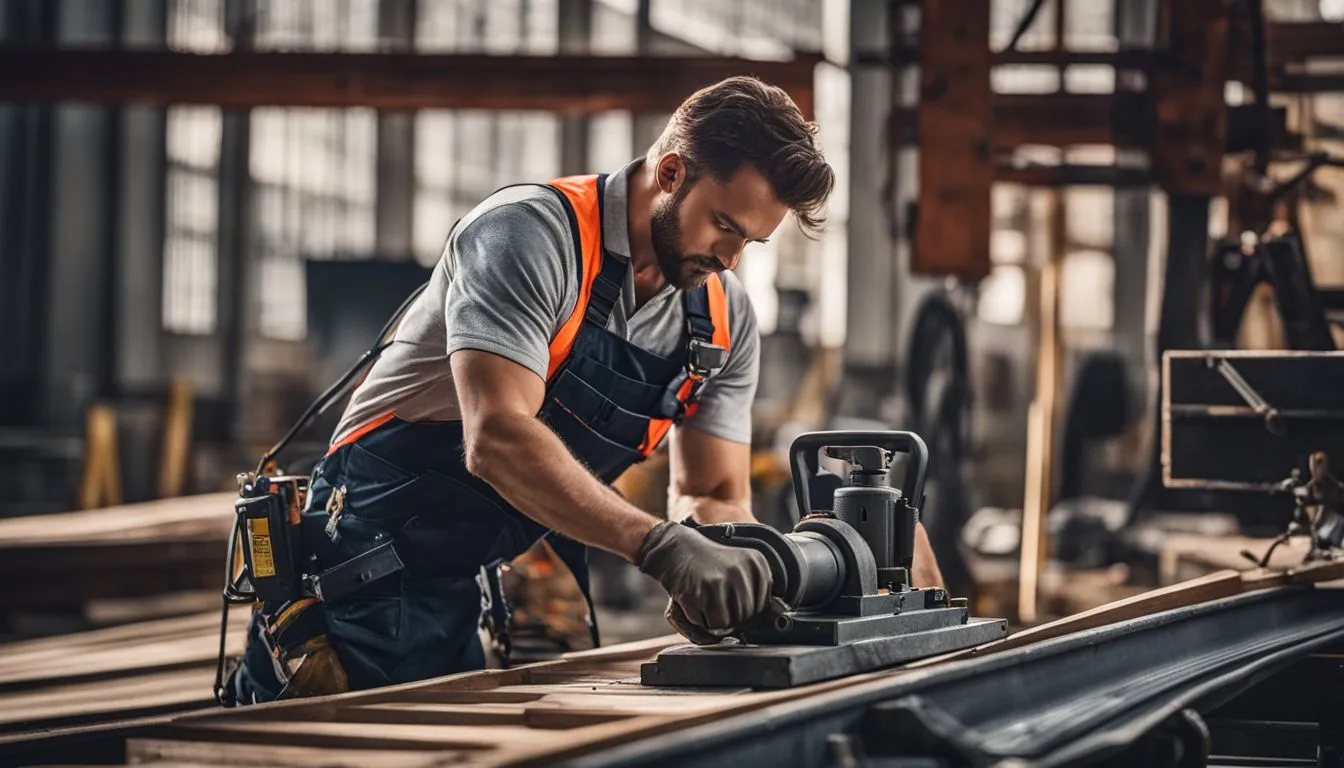
We understand the challenges that come with adapting safety protocols to keep pace with evolving work environments. The introduction of locking brackets as part of a comprehensive hazard management strategy marks a significant step forward in workplace safety.
Our approach focuses on ensuring these mechanisms are seamlessly integrated into existing systems, reducing machinery and equipment hazards effectively. This integration not only improves overall security measures but also aligns with occupational health and safety regulations, making compliance simpler and more straightforward for business owners.
Crafting solutions that anticipate safety risks involves identifying specific areas where locking brackets can make a substantial difference – such as lockout tagout procedures, scaffolding safety, and mechanical hazard prevention.
We guide business owners through the process of implementing these locking devices by providing actionable guidance tailored to their unique environment. This proactive stance on equipment safety helps mitigate potential injuries and fosters a culture of awareness around workplace security measures, ultimately leading to safer workspaces that evolve alongside technological advancements without compromising on risk management or hazard control strategies.
The Role of Locking Brackets in Effective Hazard Control
Locking brackets play a critical role in ensuring effective hazard control within the workplace. These devices secure equipment and machinery, preventing unauthorised or accidental operation that could lead to injuries or worse.
They form an integral part of our risk management strategy, directly contributing to the safety of our employees and compliance with workplace health and safety (WHS) regulations.
Employing locking brackets as part of our lockout/tagout procedures significantly minimises mechanical hazards. This approach not only bolsters workplace security measures but also supports a culture of safety.
Through regular training sessions, we ensure all staff understand how to correctly use these locking mechanisms. Their application is straightforward yet powerful in maintaining a safe working environment where risks are effectively managed and controlled.
Maintenance and Inspection of Locking Brackets
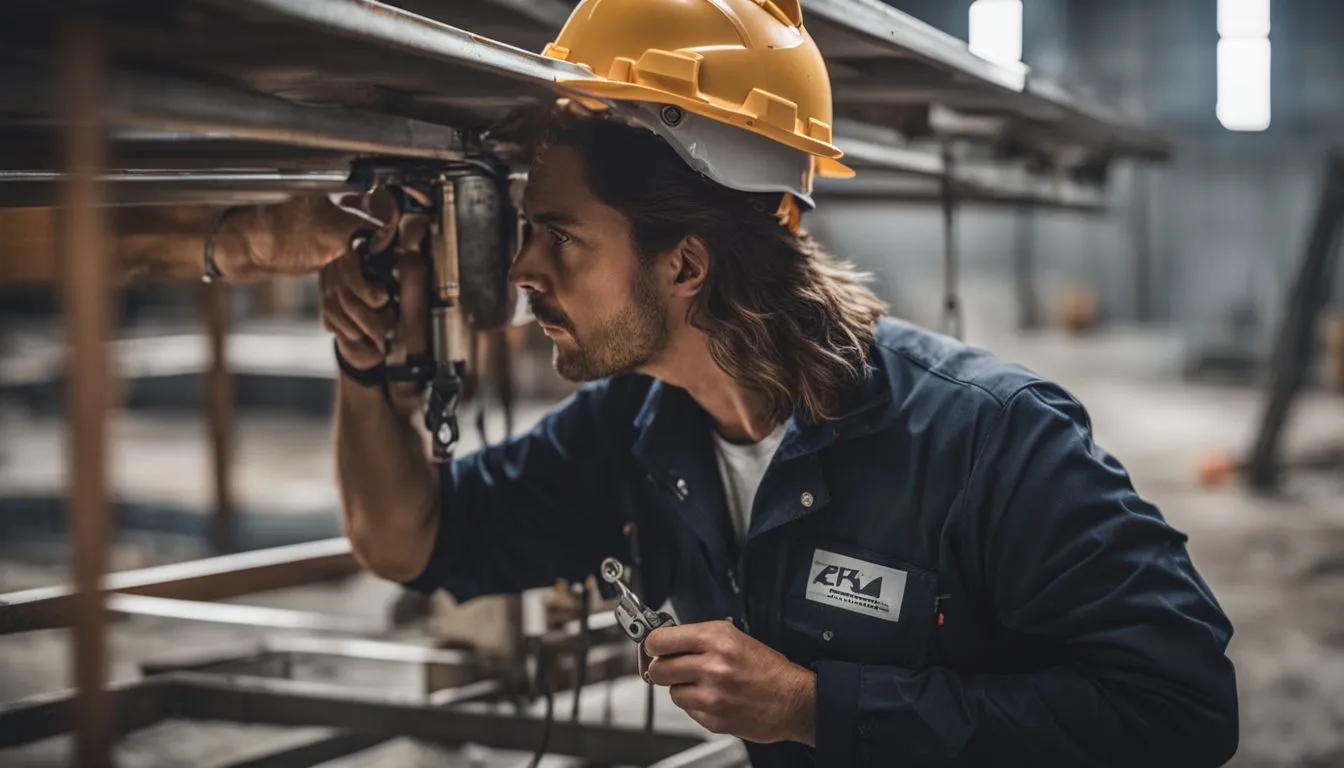
Maintaining and inspecting locking brackets is crucial for ensuring workplace safety. Regular general maintenance and periodic inspections are essential to guarantee their proper functioning.
General maintenance
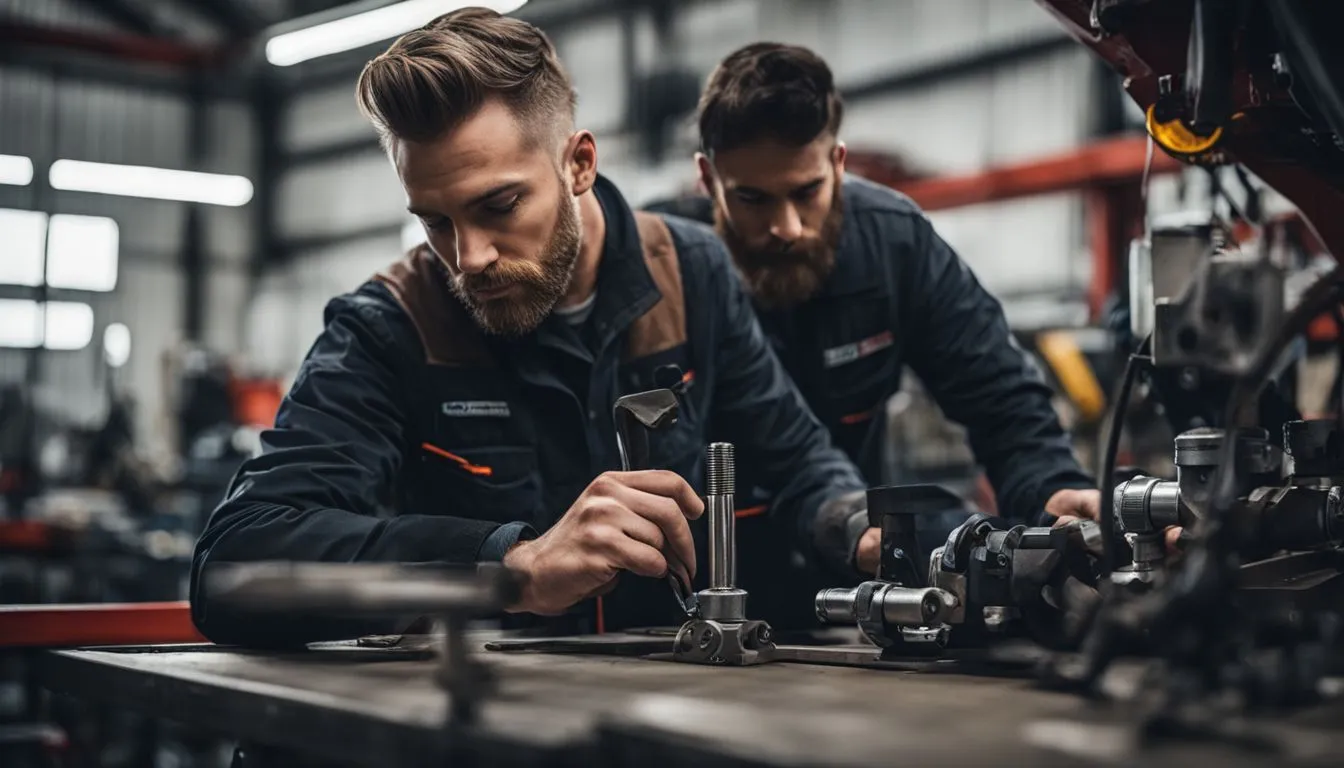
Keeping locking brackets in top condition is crucial for workplace safety and hazard management. We regularly ensure their reliability through general maintenance practices. Here’s how we do it:
- Clean Regularly: Dust, dirt, and other debris can compromise the efficiency of locking brackets. We clean them thoroughly to prevent such buildups, using appropriate cleaning agents that don’t corrode the metal.
- Lubricate Moving Parts: To keep the locking mechanisms smooth and functional, we apply lubricant to all moving parts. This step prevents rust and ensures easy operation, especially in lock out systems used for machinery safety.
- Tighten Loose Components: Over time, bolts and screws in locking brackets can loosen due to vibration from nearby machinery. We make a habit of checking these components and tightening them as needed to maintain stability.
- Inspect for Wear and Tear: Routine inspections help us identify any signs of wear or damage early on. This includes cracks, rust, or any deformation which could weaken the bracket’s hold, posing a risk in scaffolding safety or equipment security.
- Test Functionality: Beyond visual inspections, we test locking brackets under controlled conditions to ensure they function as expected under stress. This practical approach aids in anticipating mechanical hazards before they pose real threats.
- Replace Worn Out Parts Promptly: When inspection reveals parts that are worn out beyond safe usage, we replace them immediately rather than attempting repairs that might not hold up under pressure.
- Follow Manufacturer’s Guidelines: Each type of locking bracket comes with specific maintenance recommendations from the manufacturer. We adhere closely to these guidelines to ensure we’re not inadvertently compromising the device’s integrity.
- Keep a Maintenance Log: Documenting each maintenance activity helps us track the condition of every locking bracket over time. This log provides invaluable data for risk assessment and helps us anticipate potential failures before they happen.
Through these steps, we maintain our commitment to workplace safety and compliance with health and safety regulations while effectively managing risks associated with machinery and equipment hazards.
Periodic inspection

After addressing general maintenance, it’s crucial to turn our attention towards periodic inspections. These inspections play a pivotal role in anticipating safety risks and ensuring that locking brackets contribute effectively to workplace safety. Let’s explore the essential steps involved in conducting thorough periodic inspections of locking brackets.
- Schedule Regular Inspections: Establish a regular schedule for inspecting locking brackets. This might mean monthly, quarterly, or bi-annually, depending on the usage intensity and environment.
- Use a Checklist: Develop a comprehensive checklist based on the manufacturer’s guidelines and WHS regulations. Include items such as wear and tear, corrosion, proper alignment, and functionality.
- Train Inspectors: Ensure that those responsible for inspections are thoroughly trained. They should understand how locking brackets function, potential failure points, and the implications of overlooking faults.
- Document Findings: Maintain records of all inspections. Document not only compliance but also any issues found and corrective actions taken.
- Immediate Repairs: If an inspection uncovers any problems with locking brackets, prioritise immediate repair or replacement to mitigate risk.
- Update Inspection Procedures: As work environments evolve and new types of machinery or hazards emerge, update your inspection procedures to address these changes.
- Engage External Auditors: Occasionally bringing in external safety auditors can provide an unbiased assessment of your hazard management practices related to locking brackets.
We take these steps seriously because they are fundamental in managing risks associated with machinery safety, equipment safety, and overall occupational hazards within various workplaces. Through rigorous periodic inspections, we not only ensure compliance with health and safety regulations but also bolster our commitment to safeguarding our employees against mechanical hazards.
Common Mistakes to Avoid When Using Locking Brackets
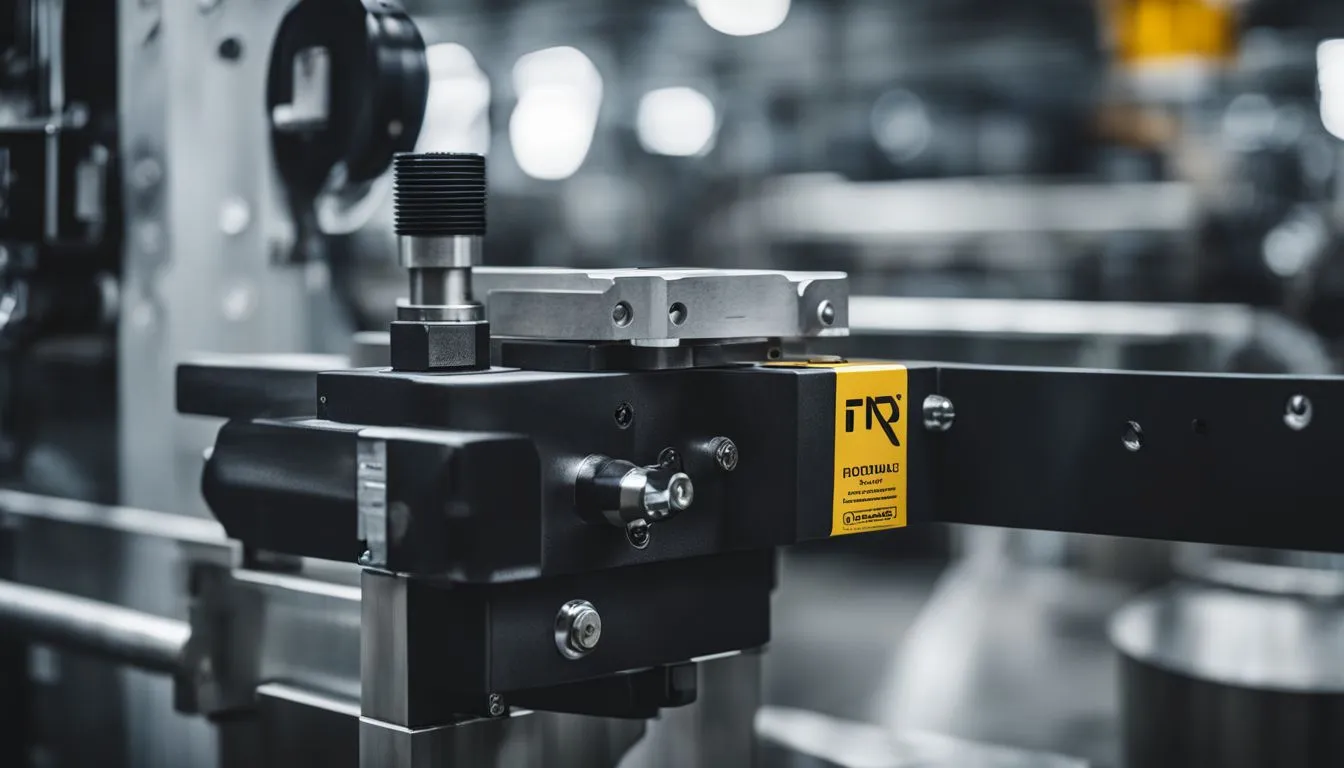
- Common Mistakes to Avoid When Using Locking Brackets
- Neglecting Regular Maintenance: Failing to conduct routine maintenance may lead to the malfunction of locking brackets, compromising workplace safety.
- Underestimating Training Needs: Inadequate employee training on the correct usage and inspection of locking brackets can result in ineffective implementation and increased safety risks.
- Ignoring Manufacturer Guidelines: Disregarding the specific instructions from the manufacturer for installing and using locking brackets can lead to safety hazards.
- Using Improper Locking Devices: Choosing incorrect or substandard locking devices may not provide sufficient protection against hazardous energy sources, jeopardising worker safety.
- Overlooking Inspection Protocols: Neglecting regular inspections of locking brackets may result in undetected faults that could potentially lead to workplace accidents.
- Failing to Update Procedures: Not updating lockout/tagout procedures in line with evolving work environments and equipment changes can introduce new safety risks.
- Lack of Clear Communication: Inadequate communication about lockout/tagout procedures and the importance of using locking brackets can create confusion and compromise safety measures.
Benefits of Using Locking Brackets in the Workplace
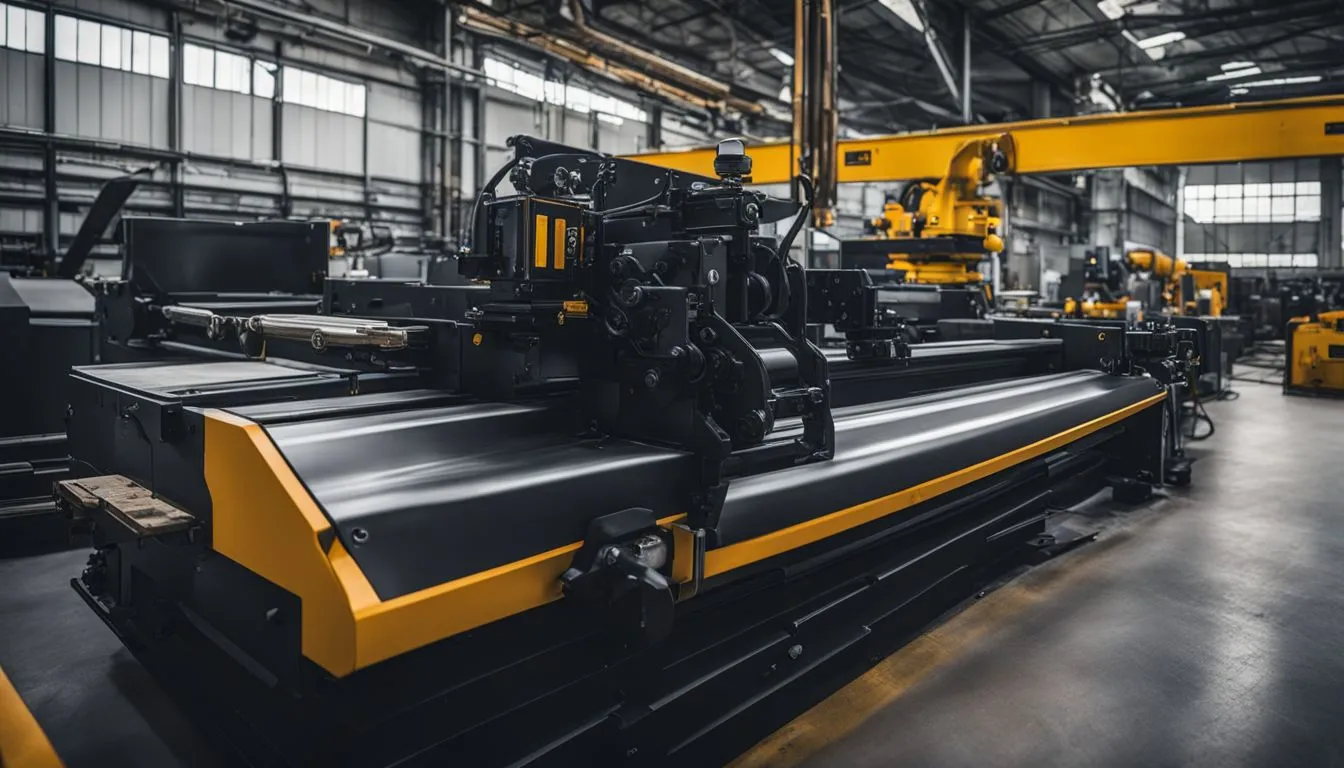
Using locking brackets in the workplace improves safety and reduces injuries. Increased compliance with health and safety regulations is achieved, along with cost-effective accident prevention.
Improved safety and reduced injuries
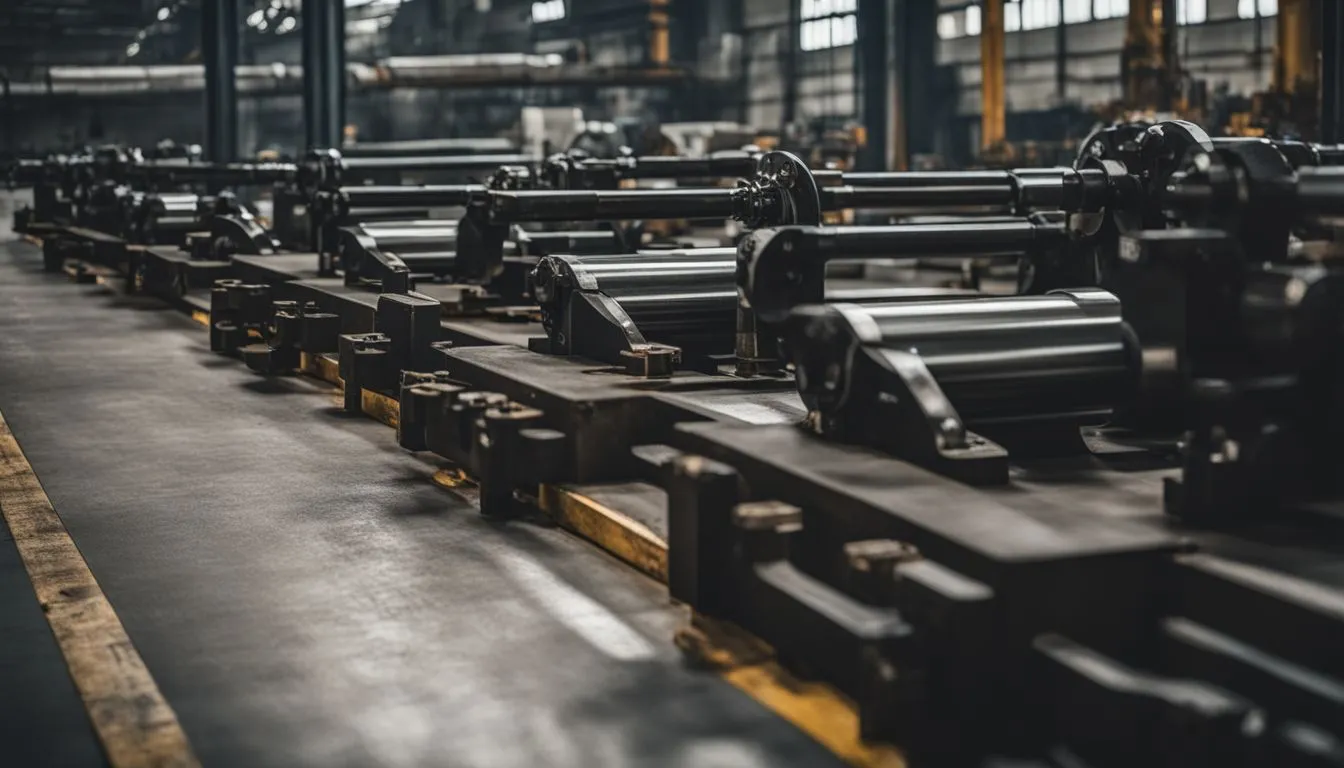
Implementing locking brackets in the workplace enhances safety and minimises the risk of injuries. Securing hazardous machinery and equipment with locking brackets ensures that they cannot be operated or activated during maintenance or repair, preventing potential accidents.
By using locking brackets, businesses can significantly reduce the occurrence of workplace injuries and enhance overall safety protocols.
Locking brackets play a crucial role in compliance with health and safety regulations. By integrating these devices into daily operations, companies demonstrate their commitment to providing a safe working environment for employees.
Increased compliance with health and safety regulations
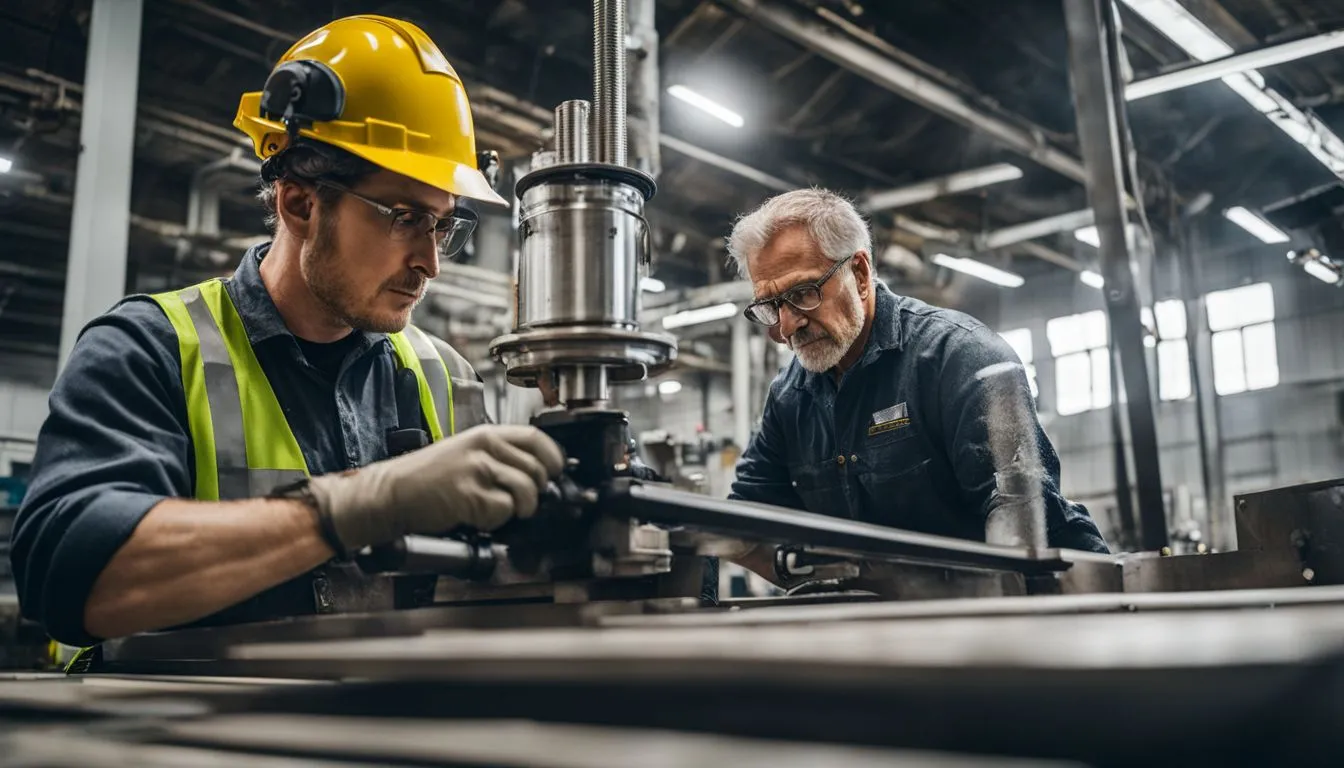
Transitioning from the benefits of improved safety and reduced injuries, another advantage of implementing locking brackets in the workplace is an increase in compliance with health and safety regulations.
This proactive approach to safety not only safeguards employees but also ensures that your business meets all regulatory requirements for a safer work environment. By integrating locking brackets into your hazard control procedures, you can confidently demonstrate adherence to industry standards and compliance measures.
Cost-effective accident prevention
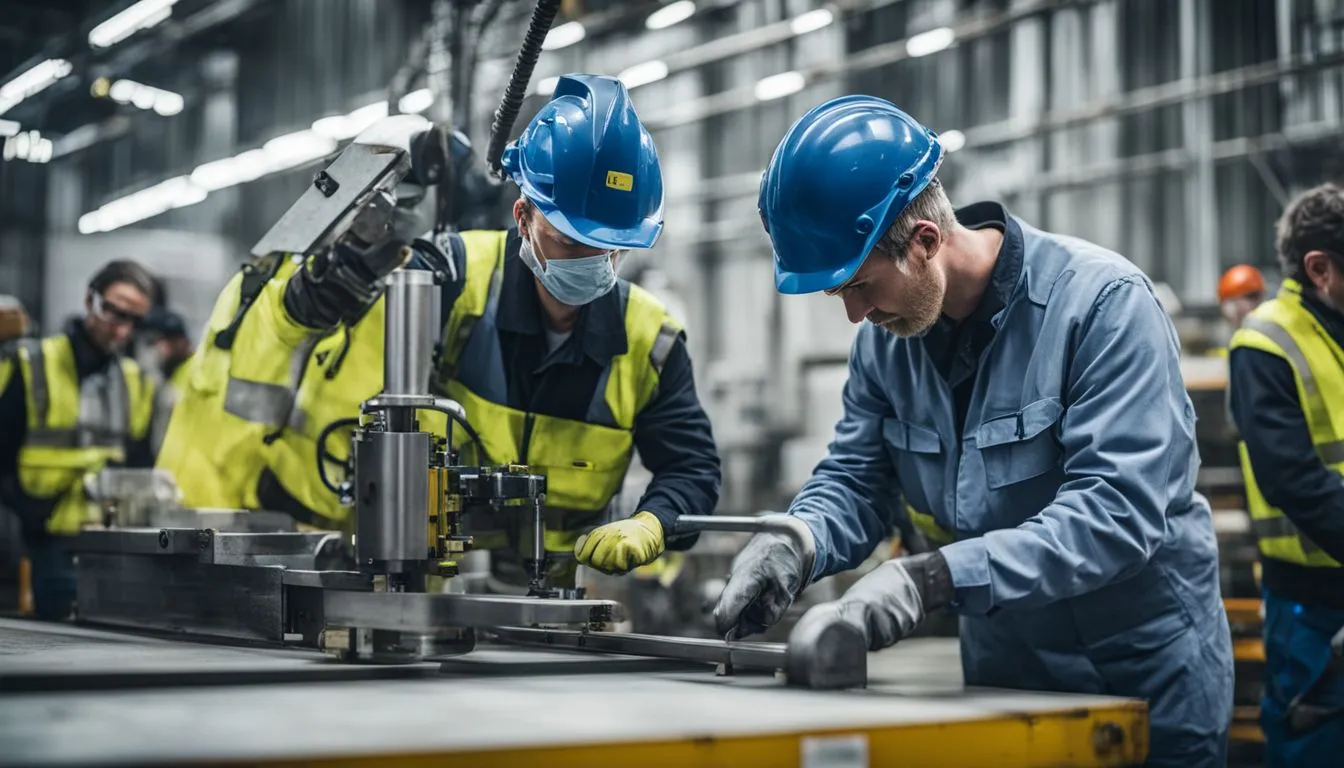
Implementing locking brackets in the workplace not only enhances safety but also proves to be a cost-effective method of accident prevention. By reducing the risk of machinery and equipment hazards, businesses can save on potential medical costs, workers’ compensation claims, and costly downtime due to accidents.
Investing in locking brackets is an investment in both employee well-being and business sustainability.
When businesses prioritise safety measures such as these, they are setting up their workplace for success by mitigating risks that could otherwise lead to significant financial losses and operational disruptions.
Conclusion

In conclusion, these locking bracket strategies are crucial for workplace safety. We’ve explored the significance of integrating locking brackets into evolving work environments and highlighted their role in effective hazard control.
By emphasising practicality and efficiency, we can ensure that these strategies are easy to implement and can lead to significant improvements. Have you considered how implementing these tips could enhance your workplace security measures? It’s advisable to remember the impact of applying these strategies in an ever-evolving work environment.
Unlocking the secrets of utilising locking bracket strategies not only improves safety but also underpins compliance with health and safety regulations. “Safety isn’t expensive, it’s priceless.”.
Sorting out lockout for your own site?
Describe what needs isolating and we'll help you work out the setup that fits.