

Making your workplace a secure spot is a challenge plenty of us business owners reckon with. Been down that road ourselves, and after sifting through all the fresh info out there, we’ve realised that locking brackets are an absolute ripper when it comes to office security.
This yarn will show you how to slot these clever little solutions into your changing workspaces without a hitch. Get set to give your workspace security a proper boost, hey?.
Understanding Locking Brackets
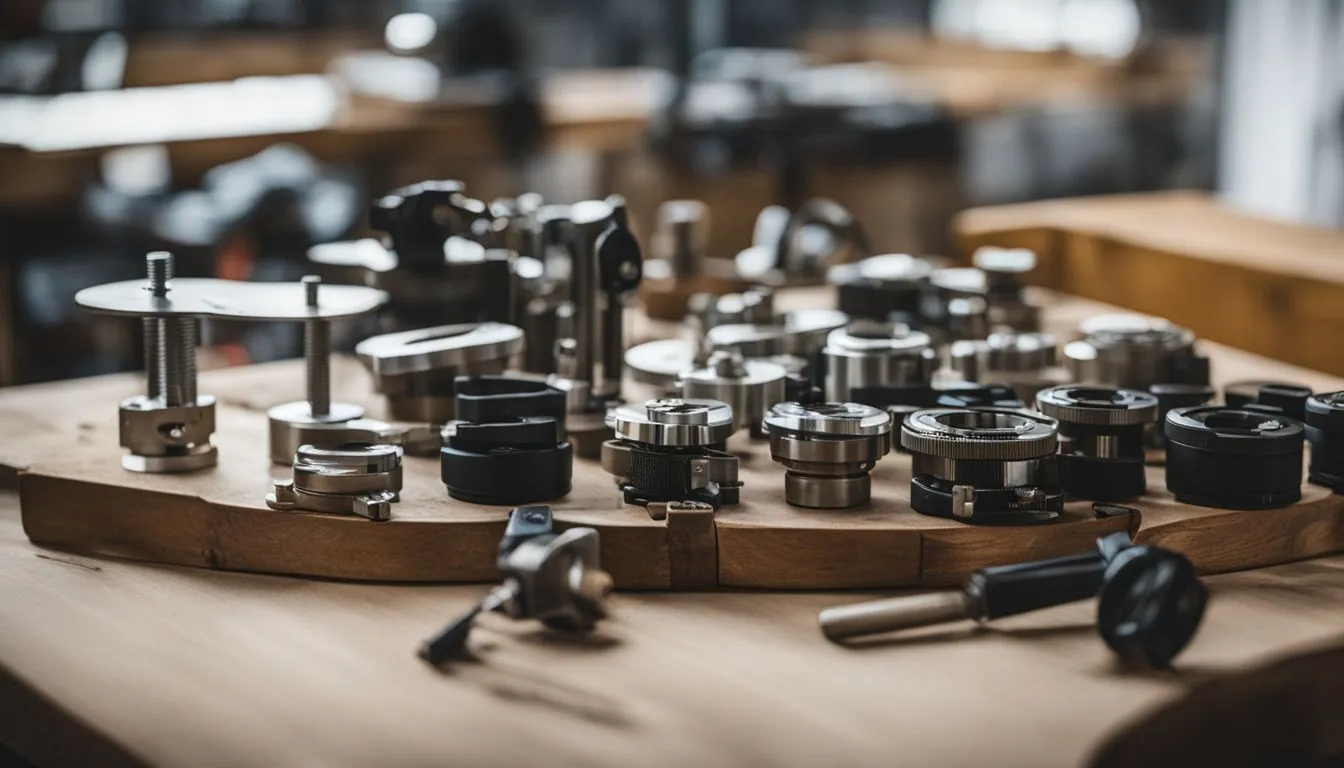
Understanding Locking Brackets involves comprehending their key components and different types to ensure effective utilisation. Exploring the mechanics of locking brackets and identifying the most suitable type for your specific needs is essential in implementing them successfully.
Key Components
Locking brackets serve as the backbone for ensuring workplace safety and adapting work environments effectively. These components include the bracket body, locking mechanism, and mounting hardware.
Each plays a pivotal role in integrating locking systems into diverse office setups. The bracket body holds devices in place; the locking mechanism secures them against unauthorised access or theft, while mounting hardware facilitates installation on various surfaces.
This makes it easier to maintain flexible workspaces while keeping security measures top-notch.
We select materials for these components with durability and reliability in mind. Metals like steel are common choices for their strength and resistance to wear and tear. The design of locking brackets also considers ease of use, allowing quick access by authorised personnel without compromising on security.
By focusing on these key aspects, we ensure that Locksafe's solutions meet the demands of evolving work environments, supporting workplace transitions seamlessly.
Types of Locking Brackets
Turning from understanding the key components, we now explore the various types of locking brackets that business owners should consider. Each type serves a unique purpose and caters to different security needs within evolving work environments.
- Fixed Locking Brackets – These are permanently attached to a surface or piece of equipment. They’re ideal for securing items that do not require mobility. Businesses use them to anchor heavy machinery or secure tech equipment in place, enhancing workplace safety.
- Hinged Locking Brackets – Featuring a pivot, these brackets allow for locked items to swivel or move along one axis. This flexibility makes them perfect for adapting locking solutions to dynamic workspace areas where equipment needs to shift position but remain secure.
- Cable Locking Brackets – Incorporating a cable, these brackets offer versatility in securing devices across longer distances or through irregular shapes. They’re extensively used in securing computers in open office setups, thereby preventing theft while allowing some movement.
- Adjustable Locking Brackets – Designed with adaptability in mind, adjustable brackets can be modified to fit various sizes and positions of equipment. Business owners favour them for environments undergoing regular layout changes, as they can easily be reconfigured without compromising security.
- Padlock-Ready Brackets – These are specifically designed to be secured with padlocks, offering a straightforward and robust locking mechanism. Ideal for areas requiring high-security measures, they allow businesses to utilise their preferred padlocks for consistent key management across the workplace.
- Electronic Locking Brackets – Leveraging technology, electronic brackets provide enhanced security features such as programmable codes or biometric access controls. Suited for protecting sensitive information or high-value items, they integrate seamlessly into modern work environments emphasising digital solutions.
- Magnetic Locking Brackets – Utilising magnetic fields to create a lock that is both strong and easily disengageable by authorised personnel only; these are commonly used in securing doors or gates within the workplace without the need for traditional keys.
Understanding these types helps us identify which locking brackets best align with our specific needs and goals within evolving work environments, ensuring both physical assets and proprietary information remain safeguarded against unauthorised access.
The Role of Locking Brackets in Evolving Work Environments
Locking brackets play a crucial role in adapting to the ever-evolving work environments, ensuring workplace security and safety. They enable organisations to effectively manage potential hazards and maintain a secure work environment through flexible workspace adaptations.
Potential Applications
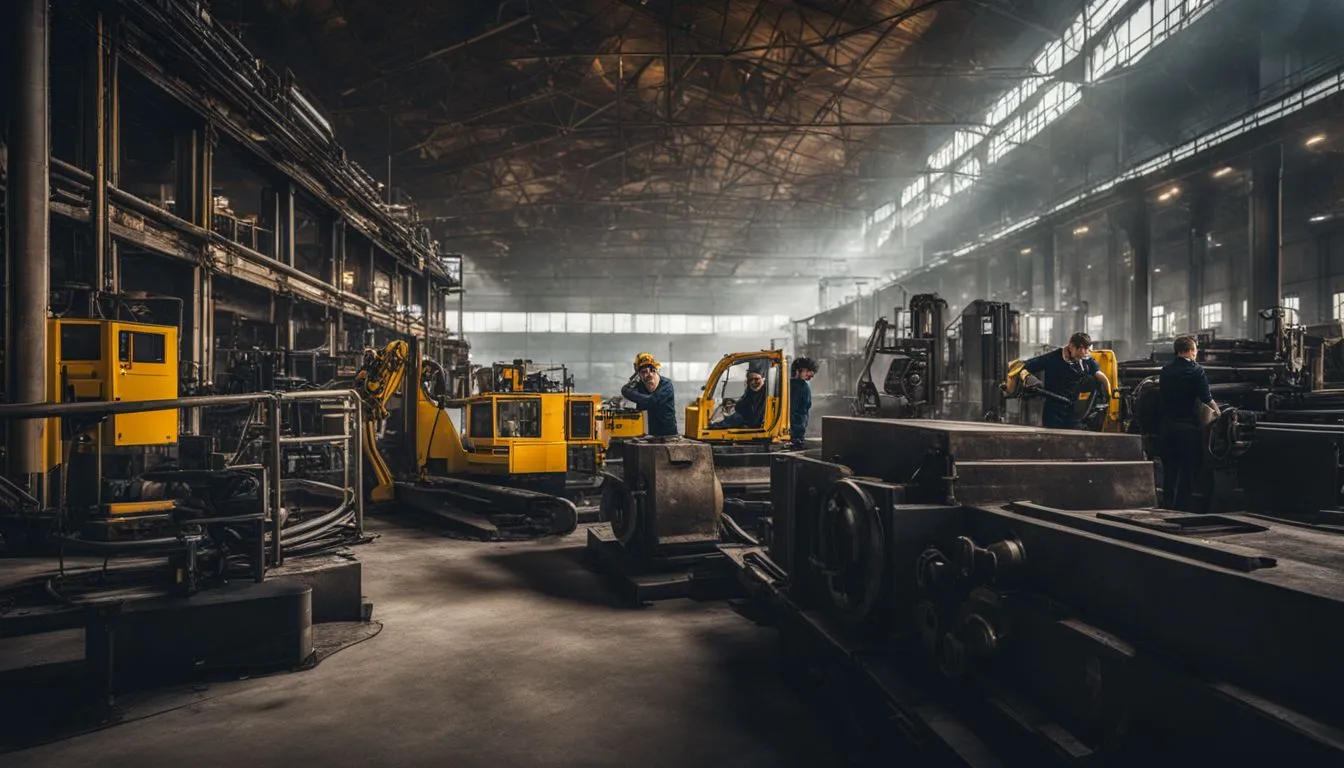
Locking brackets play a crucial role in achieving a secure work environment, adapting to evolving workplace designs. They offer an innovative solution to enhance workplace safety and integrate seamlessly into various organisational cultures. Here are some of the potential applications for business owners considering locking brackets:
- Securing Computers and Electronic Devices: We use locking brackets to attach computers, printers, and other electronic devices firmly to desks or workstations. This method prevents theft and accidental damage, ensuring that your valuable assets remain safe.
- Protecting Confidential Information: In offices where sensitive documents are stored, we apply locking brackets on cabinets and drawers. This step adds an extra layer of security, safeguarding confidential information from unauthorised access.
- Enhancing Safety in Industrial Settings: Applying locking brackets in industrial environments helps them secure heavy machinery and equipment. It minimises the risk of hazardous energy sources causing injury, creating a safer workspace for indigenous employees and everyone else.
- Improving Workspace Flexibility: For businesses transitioning toward flexible workspaces, we recommend using adaptable bracket systems. These allow easy reconfiguration of office infrastructure to support evolving office setups without compromising security.
- Maintaining Public Safety: In public areas within the workplace, such as reception desks or display units, installing locking brackets ensures that mounted screens or information kiosks stay in place, preventing accidents and enhancing overall safety measures.
- Supporting Diverse Work Environments: Incorporating locking brackets aids in creating inclusive workspaces by securing adjustable desks and ergonomic furniture designed for diversity in employee needs.
Each application demonstrates our commitment to adapting locksmith solutions to meet the changing dynamics of modern workplaces while prioritising the safety and well-being of all employees.
Next we explore how embedding locking bracket practices into organisational DNA can further bolster workplace security while fostering an environment of trust and inclusivity.
Ensuring Workplace Security
Implementing locking brackets as part of evolving work environments plays a crucial role in uplifting workplace security. We understand that keeping our assets and employees safe is a top priority for business owners like us.
Through integrating advanced locking systems, we actively adapt to new workspace dynamics, ensuring both physical and information security are maintained at all times.
Our journey doesn’t stop with merely installing these devices; it also includes educating our teams about the importance of workplace safety measures. By fostering an organisational culture that prioritises these practices, we not only enhance security but also build a resilient work environment ready to face future challenges.
Moving forward, let’s explore how embedding locking bracket practices into organisational DNA can further secure and streamline our operations.
Embedding Locking Bracket Practices into Organisational DNA
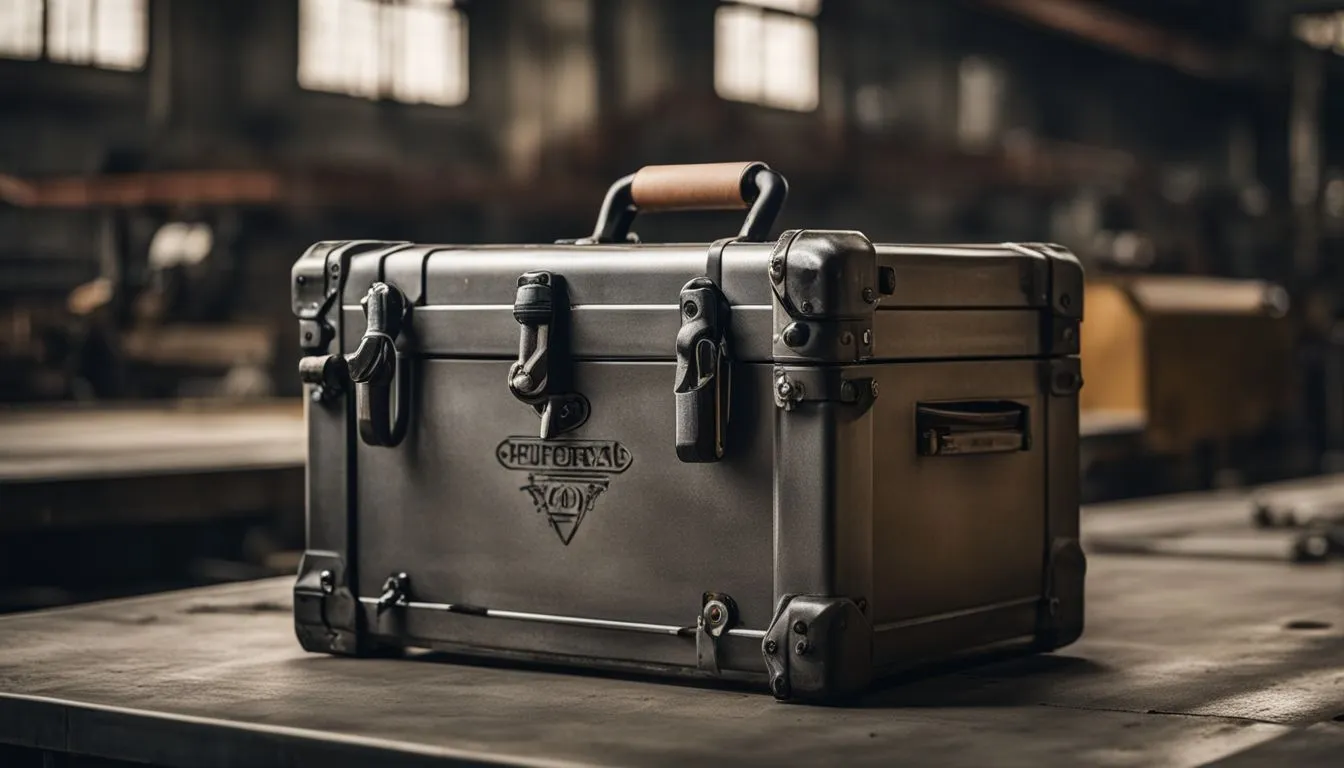
Making locking bracket practices a core part of our organisational culture demands dedication from every level of leadership. We integrate these practices into daily routines, turning them into standard procedures that enhance workplace safety and efficiency.
Our leaders champion the cause by setting examples, ensuring that the importance of adhering to safety measures with locking systems is communicated clearly across all teams.
We also foster a culture where employees feel responsible for not just their safety but that of their colleagues. Encouraging open discussions about workplace safety allows us to adapt Locksafe's locking bracket strategies to evolving work environments effectively.
This approach ensures everyone understands their role in maintaining security, creating an inclusive and equitable work environment where hazard awareness becomes second nature.
Selecting an Appropriate Locking Bracket
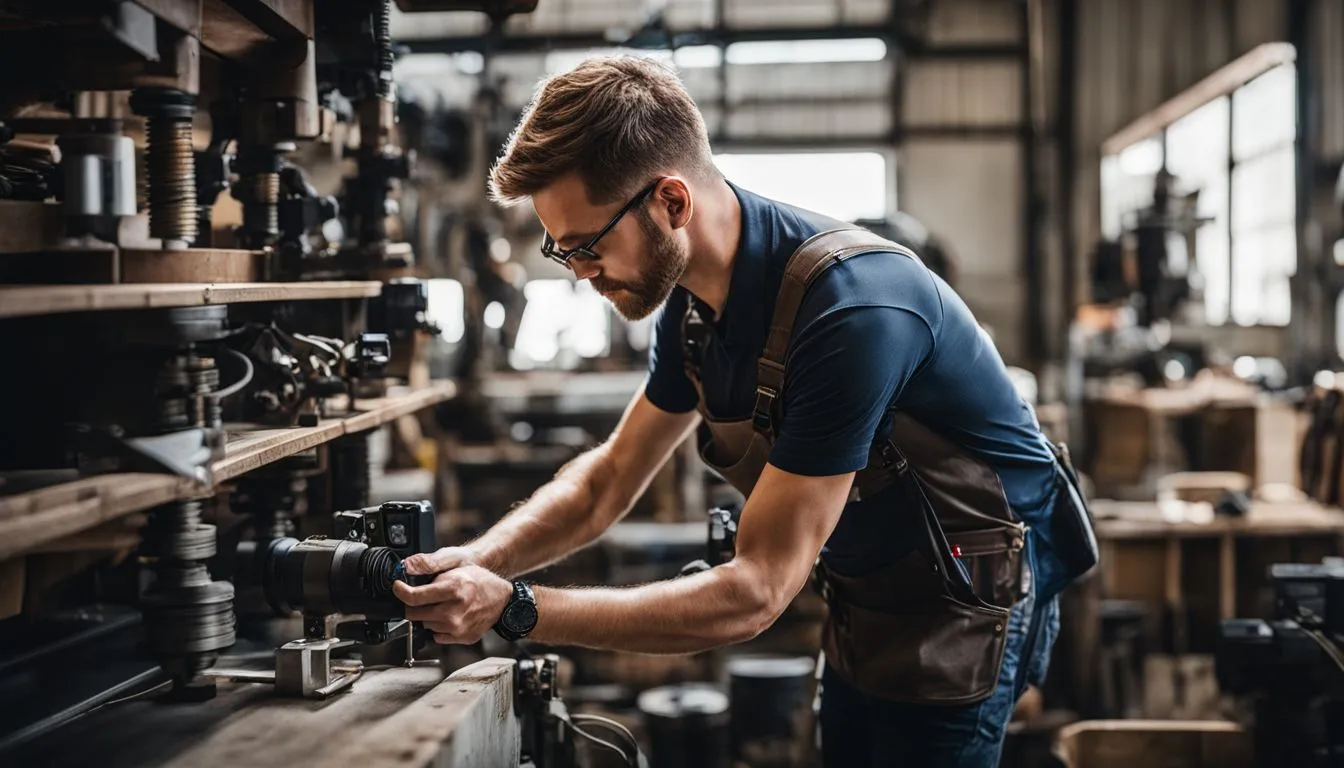
When choosing a locking bracket, assess your needs and evaluate the bracket specifications to ensure it meets your requirements. Consider budget considerations and choose a reputable manufacturer for quality assurance.
Assessing Your Needs

We start by identifying specific requirements for integrating locking brackets into evolving work environments. Consider the nature of your workspace, the assets you need to secure, and how these needs might change as your business grows.
It’s crucial to understand workplace diversity, safety measures, and workplace adaptation needs that align with your organisational culture.
Next, analyse the types of hazards present in your environment. This step involves evaluating potential risks from hazardous energy sources or theft. Keep in mind flexibility for future workplace transitions and ensure the selected locking solutions support not just current but also upcoming adaptations in office infrastructure.
This foresight enables us to adopt locking systems that truly fit our evolving work dynamics and enhance workplace safety effectively.
Budget Considerations
Selecting the right locking bracket for your evolving work environment involves carefully thinking about your budget. We need to ensure that we allocate enough funds without overspending on features that might not be essential.
It’s crucial to balance between cost and quality, aiming for locking brackets that offer reliable security without breaking the bank. Assessing various options allows us to make informed decisions, ensuring we get the best value for our investment.
We also consider long-term costs, including maintenance and potential upgrades. Opting for durable locking systems can reduce future expenses, making it a smart financial decision in the long run.
By comparing prices from different manufacturers and considering their reputation in the market, they aim to integrate locking brackets that are both cost-effective and efficient in enhancing workplace safety within diverse workplaces.
Evaluating Bracket Specifications

When selecting a locking bracket, we should:
- Assess Your Needs:
- Identify the specific requirements of your work environment, such as the types of equipment or areas that need to be secured.
- Budget Considerations:
- Evaluate the cost of different locking brackets and consider long – term maintenance expenses.
- Understanding Bracket Specifications:
- Examine the technical specifications of different locking brackets, including materials, dimensions, and compatibility with existing infrastructure.
- Choosing a Reputable Manufacturer:
- Research manufacturers with a proven track record for producing high – quality locking brackets and providing reliable customer support.
- Installation and Maintenance Requirements:
- Consider the ease of installation and ongoing maintenance needs for each type of locking bracket.
- Workplace Adaptability:
- Evaluate how well the locking bracket can integrate into evolving office setups and flexible workspaces without disrupting daily operations.
Remember to take these factors into account when choosing the right locking bracket for your business.
Choosing a Reputable Manufacturer
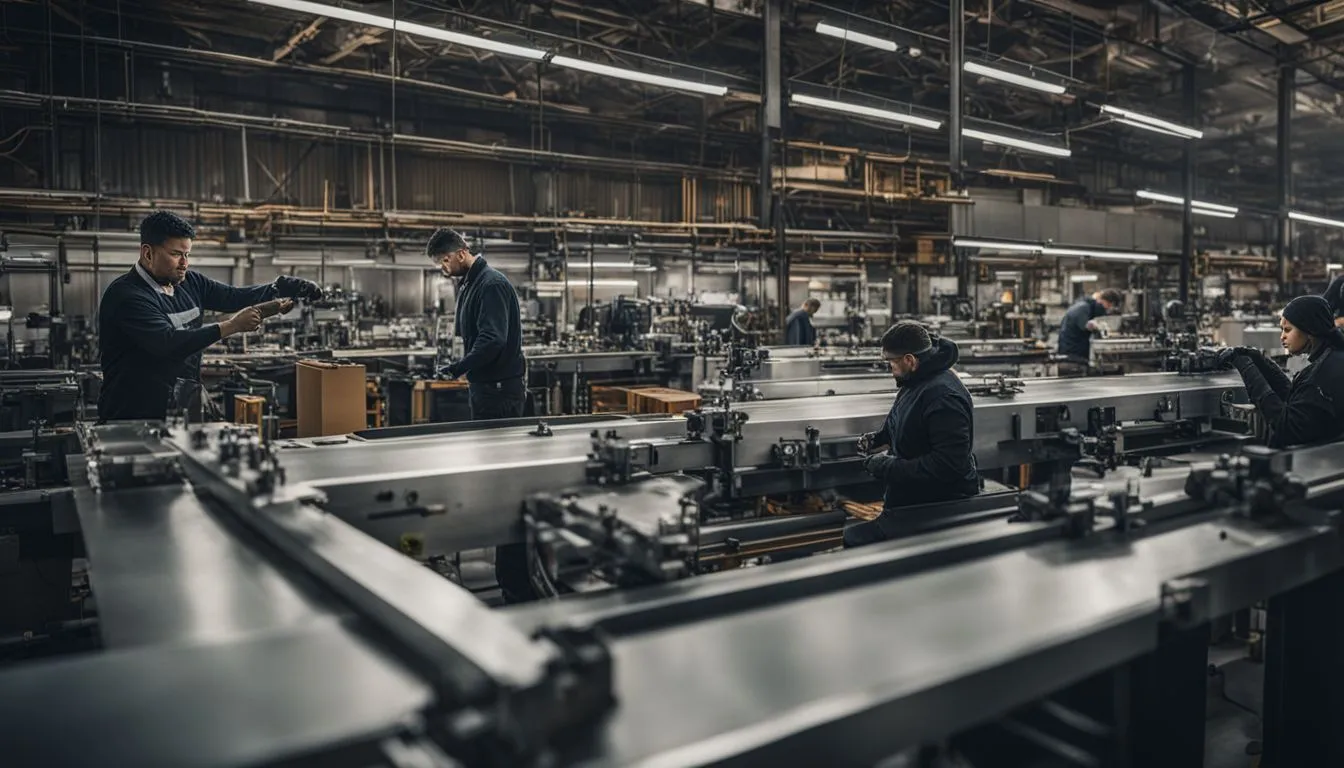
They recommend considering a reputable manufacturer for your locking bracket needs. Check the manufacturer’s track record and customer reviews to ensure reliability. Investigate their experience, certifications, and adherence to industry standards.
This will help you make an informed decision and select a trustworthy partner for integrating locking brackets into your evolving work environment seamlessly.
By selecting a reputable manufacturer with extensive experience in workplace safety solutions, you can be confident in the quality and reliability of their locking brackets. Conduct thorough research on potential manufacturers, considering factors such as industry reputation, product warranties, and after-sales support to find the best fit for your business needs.
Installation and Maintenance of Locking Brackets
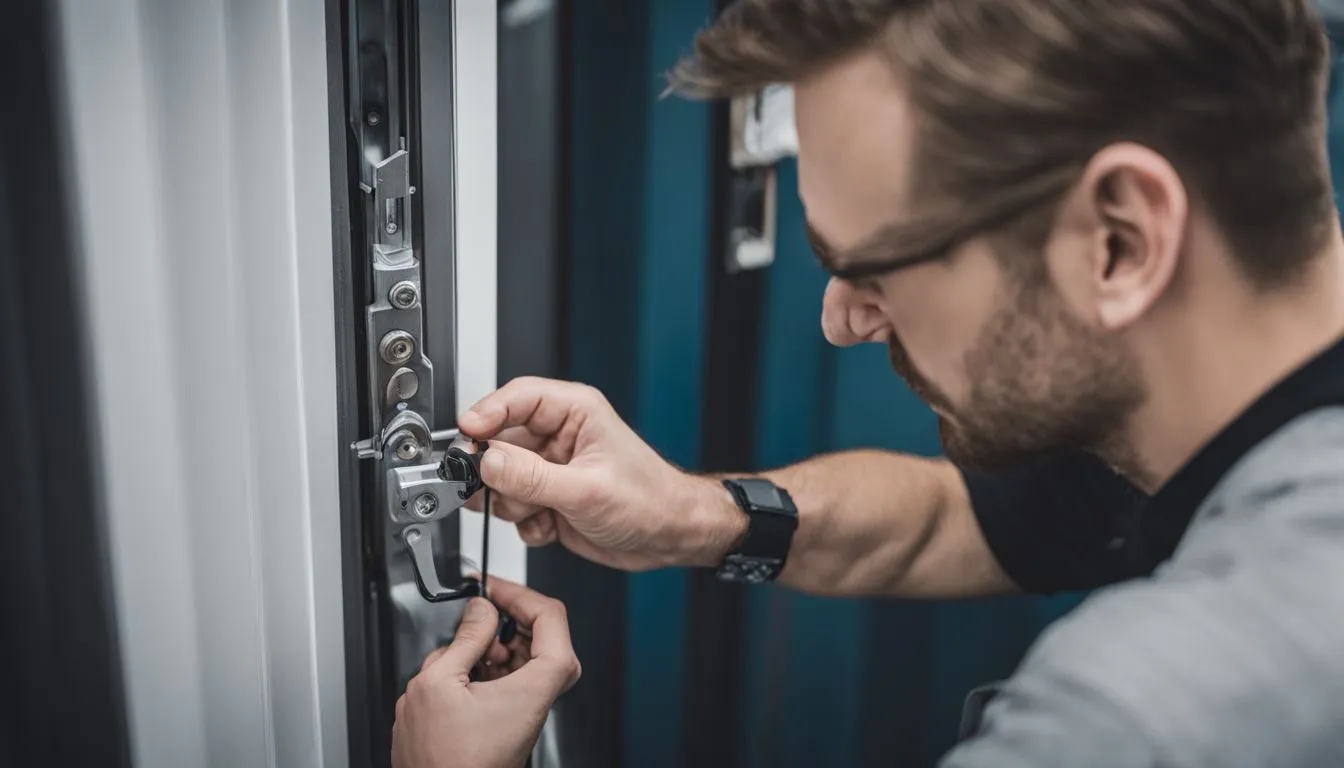
When installing and maintaining locking brackets, follow the set-up procedures carefully to ensure proper functionality. Regularly inspect for potential issues and proactively address them with appropriate solutions.
Set Up Procedures
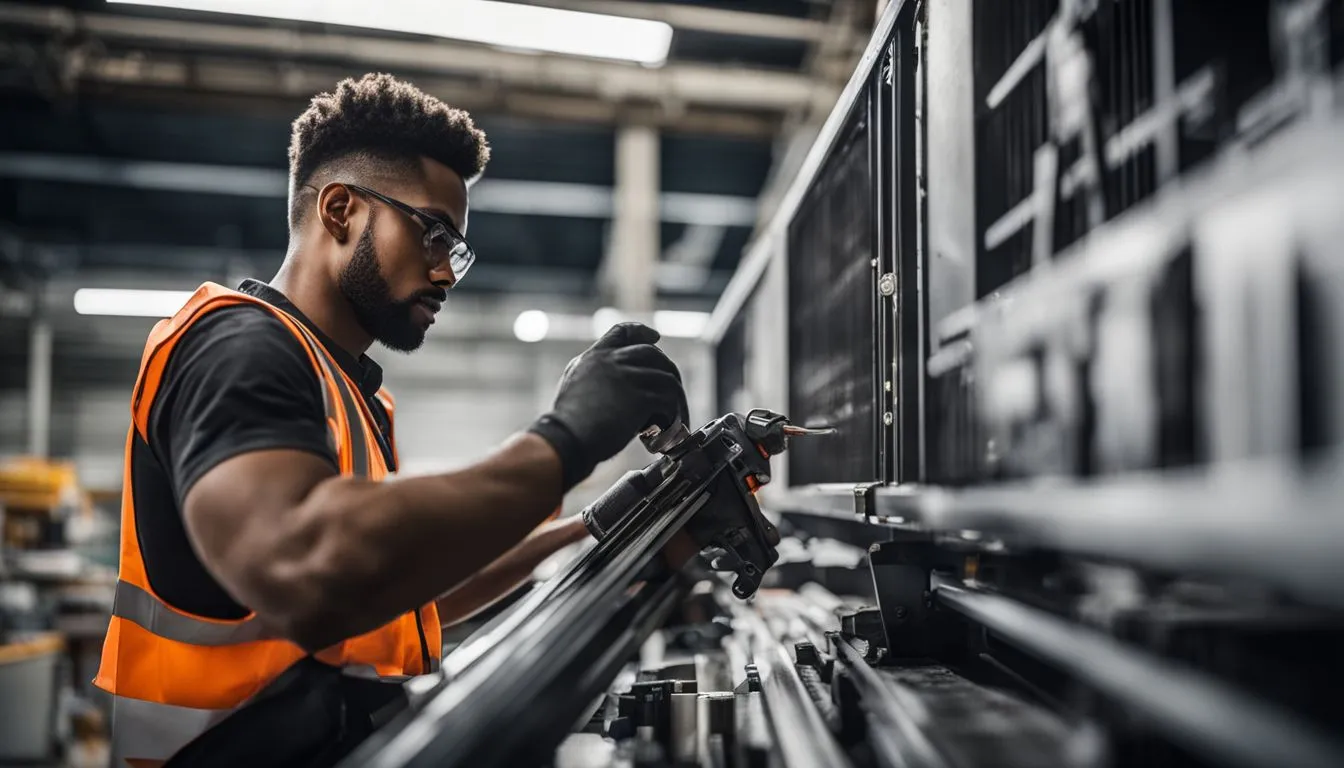
Set up procedures for locking brackets involve the following steps:
- Choose an appropriate location for the locking bracket, ensuring it is easily accessible and visible to all employees.
- Ensure that the mounting surface is sturdy and can support the weight and pressure of the locking bracket.
- Follow the manufacturer’s instructions carefully for installing the locking bracket, using the correct tools and techniques.
- Train relevant personnel on how to use the locking bracket effectively, emphasising proper handling and maintenance procedures.
- Regularly inspect the locking bracket to ensure it is functioning correctly, addressing any issues promptly.
- Implement a system for documenting and tracking the use of the locking bracket, including inspections, maintenance, and any incidents or near misses.
These procedures will help integrate locking brackets seamlessly into your evolving work environment while prioritising workplace safety and security.
Potential Issues and Solutions

- Transitioning to new workplace dynamics may lead to resistance and scepticism from employees, which can hinder smooth integration of locking brackets. To overcome this, transparent communication about the benefits of locking brackets should be prioritised, along with providing training and support to address any concerns.
- Resistance from Employees:
- Issue: Employees may resist change, viewing locking brackets as an unnecessary imposition on their work habits.
- Solution: Implement a comprehensive communication strategy to educate employees about the importance of workplace security and how locking brackets contribute to a safer environment. Offer training sessions and create an open forum for addressing concerns.
Compatibility with Evolving Office Setups:
- Issue: Adapting locking brackets to flexible or evolving office layouts can pose challenges, potentially requiring frequent re-installation or modification.
- Solution: Explore versatile locking bracket systems designed specifically for adaptable work environments. Prioritise systems equipped with easy installation features that can be adjusted without disrupting productivity.
Maintenance Challenges:
- Issue: Inadequate maintenance procedures may lead to malfunctioning locking brackets, compromising workplace security.
- Solution: Establish a proactive maintenance schedule, including regular inspections and servicing by qualified personnel. Utilise technology-enabled monitoring tools for timely identification of potential issues.
Integration Complexity in Indigenous Workplaces:
- Issue: Integrating locking brackets into workplaces with indigenous employees might encounter cultural considerations that require sensitivity and understanding.
- Solution: Engage in dialogue with indigenous community leaders and personnel to ensure that the implementation of locking brackets aligns with cultural values and practices. Seek their input for a more inclusive approach.
Budget Constraints:
- Issue: Limited budget allocations may restrict the selection of advanced locking bracket systems that are better suited for evolving work environments.
- Solution: Conduct thorough research into cost-effective yet efficient solutions. Consider long-term savings resulting from enhanced security and select reputable manufacturers offering competitive pricing options.
Employee Safety Concerns:
- Issue: Staff members might express safety concerns related to the use or functionality of locking brackets within their workspace.
- Solution: Foster an environment where employees feel empowered to communicate safety concerns openly. Work closely with staff to address specific worries by providing them with comprehensive information on the features and operation of the chosen locking bracket system.
Regulatory Compliance Requirements:
- Issue: Meeting compliance standards amidst evolving work environments poses a challenge in terms of ensuring that installed lock systems adhere to relevant regulations.
- Solution: Invest in lock systems certified for meeting industry-specific regulations while also ensuring ongoing compliance through periodic audits and assessments conducted by trained professionals.
Incompatible Infrastructure Adjustments:
- Issue: Struggling to integrate locking bracket systems due to incompatible infrastructure adjustments required within existing workspace layouts.
- Solution: Engage architects or interior designers who specialise in adaptive workspace design when planning infrastructure adjustments for seamless integration of locking bracket solutions.
Cultural Diversity Impact:
- Issue: Locking bracket implementation must consider diverse employee needs stemming from varying cultural backgrounds within the changing work environment.
- Solution: Foster inclusivity by involving employees from diverse backgrounds in decision-making processes while selecting and implementing suitable locking bracket solutions based on their unique requirements.
Incorporating these solutions will help business owners navigate potential issues associated with integrating locking brackets into evolving work environments, thus promoting workplace safety while fostering an inclusive culture conducive to organisational growth.
The Impact of Locking Brackets on Workplace Efficiency
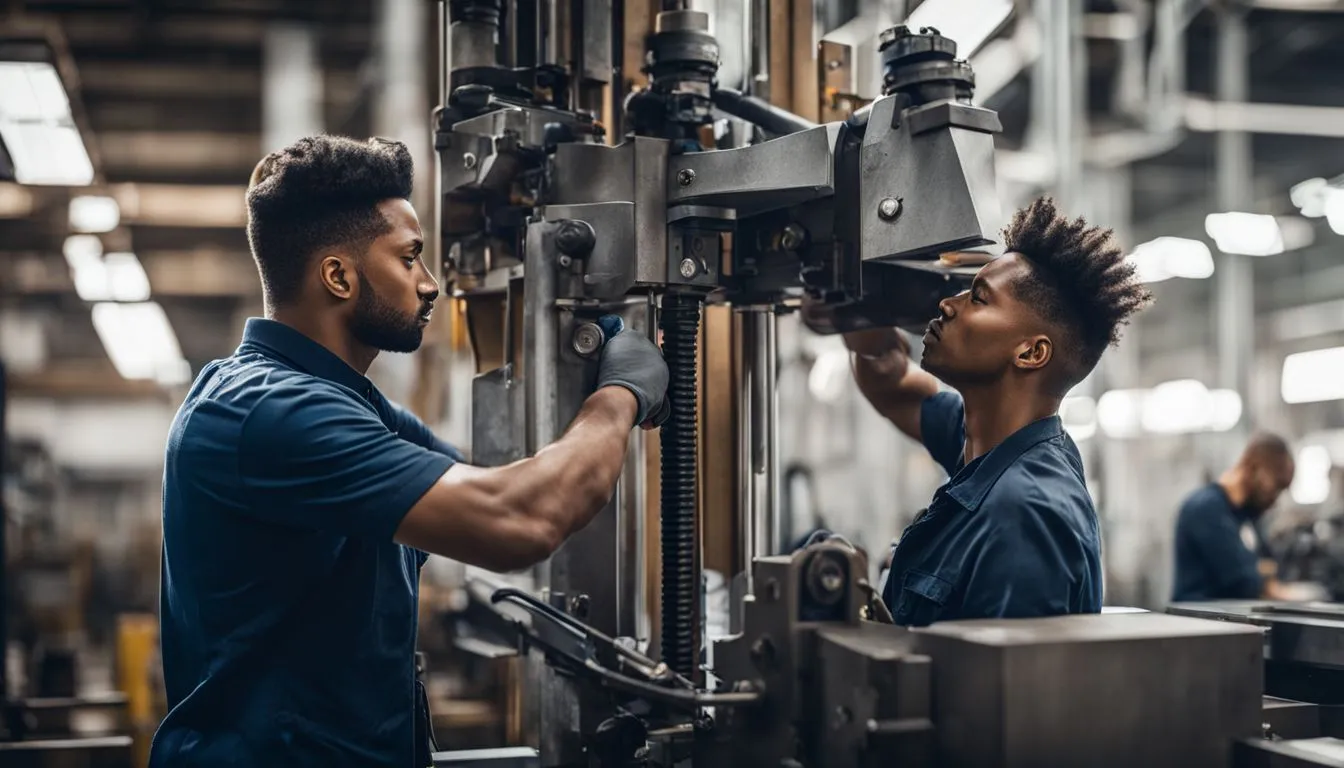
Integrating locking brackets into the workplace directly enhances efficiency and safety. Employees can swiftly access secure areas, streamlining their workflow. Eliminating the need for complex key management systems reduces downtime, ensuring seamless operations.
By minimising unauthorised access to hazardous equipment or sensitive areas, locking brackets significantly mitigate potential risks, preserving a safe and productive work environment.
Implementing locking brackets in diverse and evolving workplaces fortifies security measures whilst promoting adaptable infrastructure. This adaptability encourages agile workspace modifications tailored to meet the demands of an ever-evolving business landscape.
Future Trends in Locking Bracket Technology
The future of locking bracket technology is promising, with innovative trends reshaping workplace security. Advancements such as biometric and smart access control systems are revolutionising traditional locking mechanisms.
These cutting-edge solutions provide enhanced security measures while accommodating the evolving work environments.
As businesses continue to embrace flexible work arrangements and diverse office setups, adaptable locking bracket systems tailored towards these everchanging workspace dynamics will be a key focus.
The integration of IoT (Internet of Things) capabilities into locking brackets will further propel workplace efficiency by allowing remote monitoring and operation, creating a seamless blend of safety and convenience.
Conclusion
Integrating locking brackets into evolving work environments is crucial for workplace safety and adaptability. By carefully selecting appropriate locking brackets and embedding them into your organisational culture, you can ensure enhanced security and efficiency.
These practical strategies are simple to implement yet have a significant impact on workplace dynamics. Explore further resources to delve deeper into the realm of adaptive bracket systems and workspace transitions, offering a holistic approach towards creating inclusive and equitable work environments.
As we move towards an ever-evolving future, embracing change with tailored locking solutions underpins the everchanging world of workplace design.
Sorting out lockout for your own site?
Describe what needs isolating and we'll help you work out the setup that fits.