
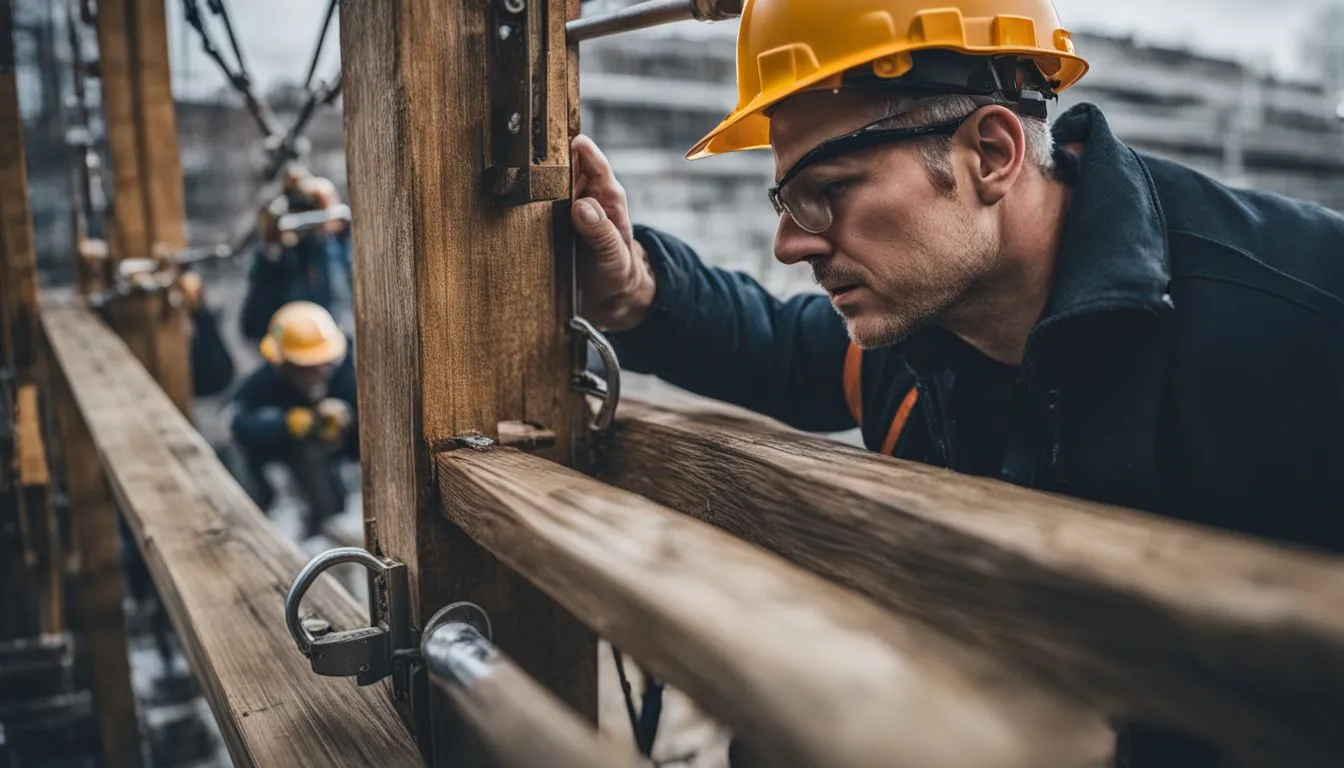

Plenty of businesses find themselves up against the wall when it comes to keeping the workplace safe, especially around the tricky business of using locking brackets. We’ve had a fair go at tackling this issue ourselves and understand all too well that it only takes one slip-up to throw a spanner in the works; did you know that a good chunk of scaffolding accidents comes down to them not being secured properly? Through heaps of research, we’ve managed to put together some solid techniques for teaching your team about this vital safety aspect.
This article is your guide to getting a grip on safe lock bracket practices – because making sure everyone goes home safely at the end of the day should be top priority!
Understanding the Importance of Locking Brackets
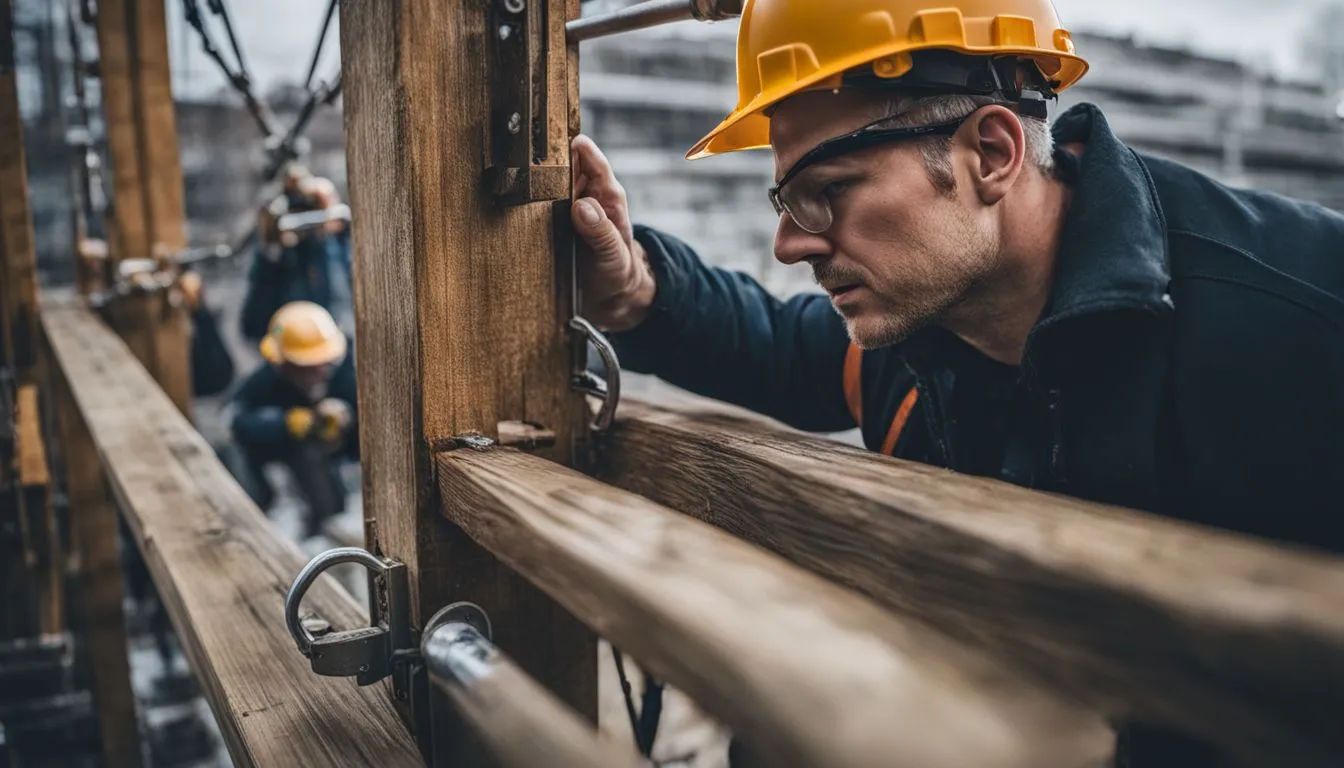
Locking brackets are crucial for ensuring workplace safety and compliance with HSE regulations. They play a vital role in preventing accidents and protecting workers from potential hazards.
Proper usage of locking brackets not only ensures employee safety but also contributes to maintaining a secure work environment.
Ensuring Employee Safety

We prioritise educating workers on the importance of locking brackets to ensure their safety. This approach not only prevents accidents but also promotes a culture of hazard awareness and safe work practices.
Their focus extends to ensuring that every employee knows how to use lockout/tagout procedures effectively, safeguarding them against electrical hazards and other risks associated with operating heavy machinery.
Our commitment drives us to implement ongoing training programmes that address occupational health and safety regulations comprehensively. These programmes are designed to keep our staff updated on the latest workplace security measures, scaffold safety techniques, and equipment maintenance protocols.
We believe in creating an environment where workplace safety is everyone’s responsibility, reinforcing the idea that understanding and adhering to safety protocols is paramount for preventing injuries and maintaining a secure work site.
Compliance with WHS Regulations
Ensuring compliance with Work Health and Safety (WHS) regulations is a crucial aspect of maintaining a safe workplace, particularly when it comes to the use of locking brackets. As business owners, we commit to upholding these standards not only to protect our workers but also to adhere strictly to legal obligations.
Following WHS guidelines helps prevent accidents and injuries related to electrical equipment safety, scaffolding safety, and general construction work.
Training employees on proper lockout-tagout procedures and the importance of securing locking brackets are part of fulfilling these regulatory requirements. This approach minimises risks associated with electrical safety hazards and scaffold-related incidents.
Implementing such practices demonstrates our dedication to occupational health and safety while ensuring that all operations within the business premises meet or exceed established workplace safety benchmarks.
Anticipating Safety Risks with Locking Bracket Strategies
We always stay ahead by identifying potential safety hazards in the workplace, especially when dealing with locking brackets. Locking systems play a crucial role in safeguarding against accidents and ensuring that every worker goes home safe.
Through risk management strategies, we spot issues before they escalate into serious problems. This proactive approach includes regular audits of lockout procedures and equipment maintenance schedules to keep our team aware and prepared.
Educating our workers on hazard prevention is not just about meeting work health and safety regulations; it’s about creating a culture of safety where everyone understands their role in maintaining workplace security.
We integrate training programmes on scaffolding safety, electrical equipment safety, and construction work regulations into our routine to reinforce this culture. Our next step involves diving deep into proper maintenance and inspection of locking brackets to make sure we leave no stone unturned in our quest for onsite safety.
Proper Maintenance and Inspection of Locking Brackets
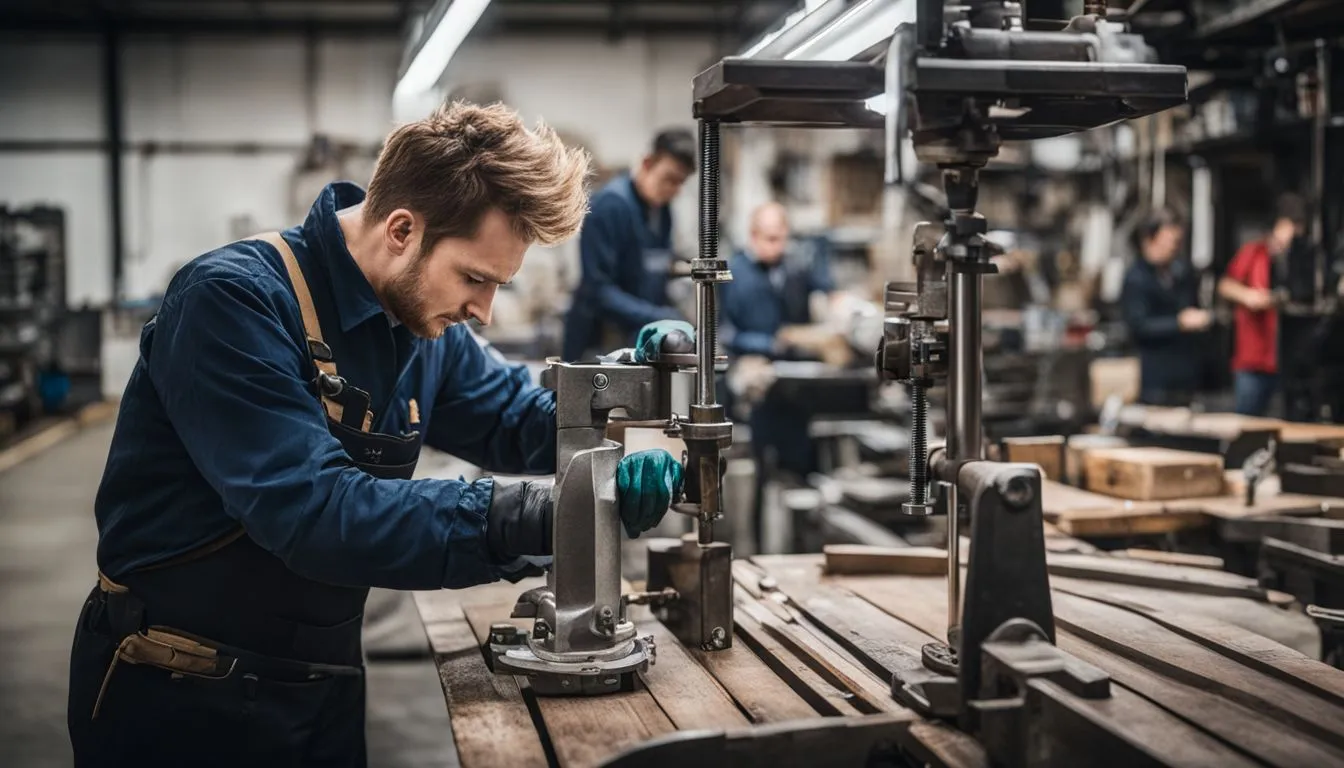
Maintaining and inspecting locking brackets is crucial for ensuring workplace safety. Regular maintenance includes cleaning and lubricating to keep the brackets in optimal condition.
Inspections should be conducted periodically to identify any signs of wear or damage, allowing for timely repairs or replacements.
General Maintenance
Educating workers on the importance of locking brackets plays a crucial role in workplace safety and compliance with Work Health and Safety (WHS) regulations. Lock out systems and safety procedures are fundamental to safeguarding employees, especially in environments involving electrical equipment, construction sites, or scaffolding installations. A key aspect of this education involves understanding the general maintenance of locking brackets to ensure their optimal functionality.
Here is a comprehensive guide to maintaining locking brackets effectively:
- Regular Cleaning – Dirt, debris, and rust can compromise the integrity of locking brackets. Clean them with appropriate solvents that don’t damage metal surfaces. This step ensures the mechanisms operate smoothly.
- Lubrication – Apply lubricants periodically to moving parts within the lockout system. This action reduces friction, prevents wear and tear, and lengthens the life span of the equipment.
- Tighten Loose Components – Check for any loosened screws or bolts as part of routine maintenance. Tightening these components prevents unexpected failures during operations.
- Inspect for Damage – Visual inspection should identify cracks, wear, or other forms of damage that could impair safety. Early detection allows for timely repairs or replacements.
- Test Functionality – Regularly test locking brackets to confirm they’re working as intended. This practice validates the reliability of your safety procedures and lockout/tagout protocols.
- Update Signage – Ensure that warning signs and instructions related to scaffold safety, electrical safety, and general hazard awareness remain visible and legible near lockout systems.
- Record Maintenance Activities – Keep detailed logs of all maintenance actions performed on locking brackets. This documentation aids in tracking their condition over time and supports compliance efforts with occupational health and safety regulations.
- Follow Manufacturer’s Guidelines – Adhere strictly to the maintenance recommendations provided by the equipment’s manufacturer for best practices in upkeep and operation.
Moving forward, consistent training programmes form another pillar in mastering lockout systems and reinforcing safe work practices among your staff.
Periodic Inspection

After ensuring the general maintenance of locking brackets, we move on to focusing on periodic inspection. This step is crucial in maintaining workplace safety and compliance with Work Health and Safety (WHS) regulations. Regular checks identify potential risks and prevent accidents related to electrical equipment, scaffolding, and other construction work.
- Schedule Regular Inspections: Set a calendar for inspecting all locking brackets. This ensures that none are overlooked and that each piece of equipment remains safe for use.
- Use Qualified Inspectors: Only personnel with training in lockout/tagout procedures should carry out these inspections. Their expertise guarantees that the evaluations are thorough and accurate.
- Document Findings: Keep records of all inspections, including dates, findings, and any corrective actions taken. This documentation is vital for regulatory compliance and helps in tracking the wear-and-tear of equipment over time.
- Address Issues Immediately: If an inspection uncovers any faults or damage, fix them straight away. Prompt action avoids potential hazards to workplace safety and security measures.
- Train Workers on Spotting Hazards: Educate your team on hazard awareness so they can recognise signs of wear or damage in between scheduled inspections. Empowering workers enhances onsite safety protocols.
- Incorporate Technological Tools: Consider using software or mobile applications designed for equipment maintenance records. Technology streamlines the process, making it easier to manage data related to inspections.
- Review Inspection Processes Regularly: Evaluate the effectiveness of your inspection procedures periodically. Adjustments may be necessary as workplace environments evolve or new safety standards are introduced.
These steps form a comprehensive approach towards maintaining a secure work environment through diligent periodic inspection of locking brackets, an integral part of risk management in occupational health and safety strategies.
Training and Education on the Use of Locking Brackets
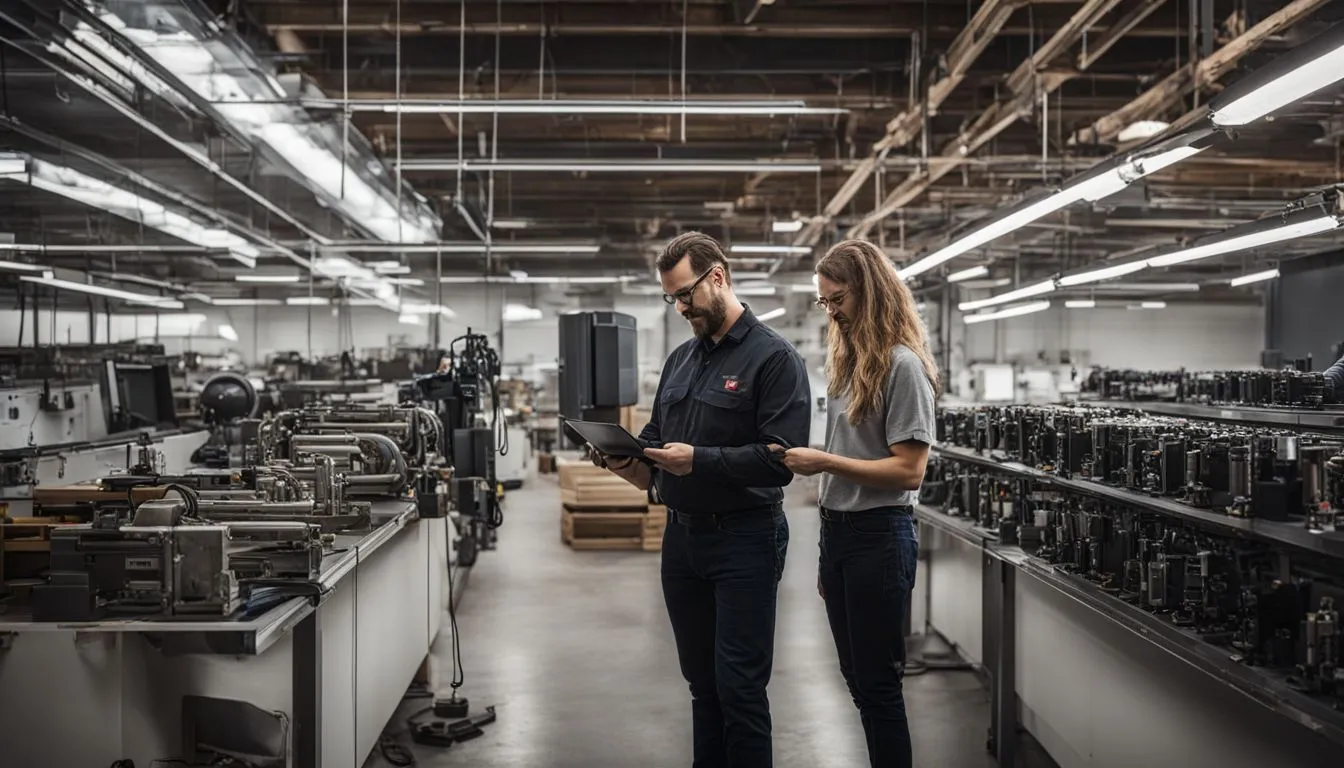
We understand the critical role that educating workers on the use of locking brackets plays in maintaining workplace safety. Ensuring all team members are well-versed can significantly reduce accidents and uphold Work Health and Safety (WHS) regulations.
- Develop comprehensive training programmes that cover all aspects of locking bracket usage, including installation, operation, and removal. These courses should be mandatory for new hires and offered as refresher sessions to existing employees.
- Incorporate hazard awareness into the curriculum to help workers identify potential risks associated with improper use of locking brackets. This knowledge empowers them to make safer decisions on the job.
- Use real – life scenarios and case studies during training sessions to highlight the consequences of neglecting proper safety procedures. Engaging stories make the lessons more relatable and memorable.
- Implement a hands – on approach by allowing employees to practise with actual locking brackets under supervised conditions. This practical experience reinforces learning and boosts confidence in their ability to apply safety protocols.
- Introduce a mentorship system where experienced staff guide newer team members through the correct practices for handling locking brackets, fostering a culture of safety and cooperation throughout your organisation.
- Regularly assess and update training materials to reflect current best practices, technological advancements in locking systems, and changes in WHS regulations, ensuring your workforce remains informed.
- Encourage open communication about workplace safety by setting up forums or meetings where employees can share experiences, discuss concerns, and propose improvements related to locking bracket use.
Educating your team not only promotes a safer working environment but also demonstrates your commitment to their well-being and compliance with stringent safety standards. Next, let’s explore how anticipation of safety risks can further enhance our strategies around locking bracket usage.
Conclusion

Educating workers on locking brackets plays a crucial role in workplace safety and compliance. Implementing the strategies we’ve outlined proves both practical and efficient, fostering safer work environments.
These measures significantly impact occupational health by preventing accidents and ensuring consistent safety practices. For those keen on delving deeper, numerous resources offer extended learning opportunities about lockout procedures and hazard prevention.
Let this serve as a call to action: prioritise your team’s safety through informed decisions on locking bracket use. Together, we can create workplaces where security measures are not just followed but integrated into our daily operations for everyone’s benefit.
For more detailed insights on how to effectively mitigate hazards, visit our guide on anticipating safety risks with locking bracket strategies.
Sorting out lockout for your own site?
Describe what needs isolating and we'll help you work out the setup that fits.