

Ensuring workplace safety can sometimes seem like a daunting task for heaps of business owners out there. We know what it’s like, trawling through an endless sea of safety gadgets, only to find out how essential locking brackets truly are.
This blog is going to shine a light on how these sturdy little champions not only help you tick all the right boxes with WHS regulations but also take your workplace security up a notch.
Stick around for what promises to be a bit of an eye-opener.
Understanding Locking Brackets

Understanding locking brackets involves recognising their key components and familiarising oneself with the different types available. It’s about grasping the pivotal role they play in securing workplace safety and controlling hazards effectively.
Key Components
Exploring the essential elements of locking brackets, we find ourselves focusing on a few core aspects that significantly impact workplace safety and security standards. Central to these are the locking mechanism itself, which must demonstrate unbeatable strength and durability to withstand attempts at forced entry or tampering.
This durability ensures that our spaces remain secure, contributing directly to enhanced safety protocols.
Locking brackets also boast an autolock system and an enclosure rating that speaks volumes about their capacity to resist environmental stressors such as dust, water, and extreme temperatures.
These features work together seamlessly, ensuring that our locking devices not only provide top-tier security but also stand the test of time in challenging conditions. We prioritise these components because they play a pivotal role in upholding stringent safety guidelines while enabling effective access control across various settings.
Types
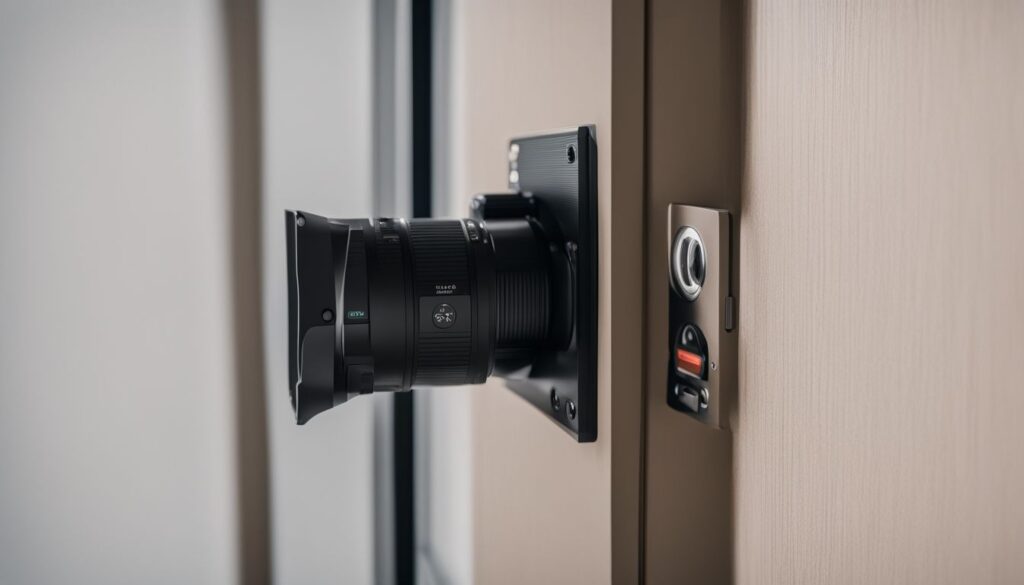
After discussing the key components of locking brackets, it’s essential we shift our focus to the various types available. This differentiation ensures you can select the ideal safety locking device for your specific needs. Locking brackets play a pivotal role in workplace safety and security measures, with each type offering unique benefits.
- Mechanical Locking Brackets: These rely on physical mechanisms to secure doors and access points. Employing lock sets and secure fastenings, mechanical brackets are widely appreciated for their reliability and straightforward operation. Perfect for traditional security systems, they’re often used in environments where simplicity and durability reign supreme.
- Electromagnetic Locking Brackets: Utilising an electric current, these brackets create a powerful magnetic field to maintain door closure. Ideal for high-security areas, electromagnetic locking excels in access control scenarios where entry and exit need monitoring without physical barriers.
- Autolock Systems: Designed for automatic engagement, autolocking devices provide an added layer of security by ensuring that doors or enclosures always return to a locked state post-access. They’re particularly beneficial in busy settings where manual relocking could be neglected due to oversight or haste.
- Battery Isolator Switches: While not directly related to door security, battery isolator switches represent a crucial type of locking bracket technology in machinery and vehicles. By isolating power sources, they prevent unauthorised use and ensure safety during maintenance activities.
- Enclosure Rating Locks: These are specialised locking mechanisms designed for enclosures that require protection against environmental factors such as dust or water ingress. With varying enclosure ratings, businesses can choose locks that offer the appropriate level of protection for electronic equipment or sensitive materials.
- Security Brackets with Integrated Alarm Systems: Offering dual functionality, these brackets not only secure an area but also alert personnel to unauthorised access attempts through built-in alarm systems. They are particularly useful in deterring potential intruders and enhancing overall premises security.
In selecting the right type of locking bracket for your business, consider factors like the specific security risks you face, the environment in which the bracket will be used, and your overarching workplace safety protocols. Each type offers distinct advantages tailored to meet different security standards and requirements, ensuring there’s a solution that precisely fits every scenario.
The Role of Locking Brackets in Workplace Safety

Locking brackets play a crucial role in workplace safety by securing access points and ensuring proper control of entry. They help to prevent unauthorised entry, which is essential for maintaining a safe and secure work environment.
Compliance with WHS Regulations

Meeting Workplace Health and Safety (WHS) regulations is a critical aspect of maintaining workplace safety. Locking brackets play a significant role in this process by ensuring equipment and access points are securely fastened, thereby reducing the risk of accidents and injuries.
By incorporating security brackets and locking systems, businesses uphold the highest standards of safety protocols. This adherence not only safeguards employees but also aligns with legal obligations designed to protect both workers and employers.
Our use of locking devices, including autolock systems and battery isolator switches, directly contributes to the creation of safer work environments. These tools help us control hazards effectively, making compliance with WHS regulations straightforward.
Employing such measures demonstrates our commitment to upholding safety guidelines while promoting a culture that values secure operations at every level.
Effective Hazard Control

Effective hazard control stands at the core of unlocking safety standards in any workplace. Through the strategic use of locking brackets, we significantly reduce risks associated with unauthorised access and equipment misuse.
Locking devices, including security brackets and autolocking systems, ensure machinery and sensitive areas remain accessible only to those with proper authorisation. This proactive measure not only safeguards our workers but also ensures compliance with stringent WHS regulations.
Educating our team on how to implement and utilise these locking mechanisms correctly is crucial for maintaining a safe working environment. We focus on turning knowledge into action by providing clear instructions on engaging lock sets, understanding enclosure ratings, and ensuring door security maintains high safety guidelines.
Moving forward, it’s imperative that we delve deeper into educating workers about the significance of adhering to these safety protocols.
Educating Workers on the Importance of Locking Brackets

Educating workers on the significance of locking brackets plays a crucial role in ensuring workplace safety. We take this responsibility seriously, focusing on clear and practical training sessions that highlight how these security measures contribute to a safer environment.
Through engaging workshops and hands-on demonstrations, we show our team the correct way to use door locks, autolocking devices, and safety locking devices. These sessions help everyone understand not just the “how” but also the “why” behind each procedure.
Our approach includes real-life scenarios where effective use of locking mechanisms could prevent accidents or breaches in access control. This method ensures every employee grasps the importance of security brackets and enclosure ratings in maintaining safety standards within our operations.
We often find that this hands-on experience leads to better compliance with WHS regulations and a stronger commitment to implementing what they’ve learned about lock durability testing and electromagnetic locking systems into their daily work routines.
Benefits and Applications of Locking Brackets

After focusing on the crucial role of educating workers about locking brackets, we now explore their numerous benefits and various applications. Locking brackets offer unmatched security and safety, ensuring that equipment remains firmly in place, reducing the likelihood of accidents.
These devices comply with stringent safety standards and can significantly enhance workplace safety by preventing unauthorised access to critical areas or machinery. Their durability also means less frequent replacements, making them a cost-effective solution for businesses aiming to maintain high-security levels.
Locking brackets find use across a diverse range of industries, from construction sites where they secure scaffolding and machinery, to healthcare facilities that rely on them for safekeeping sensitive medical equipment.
In retail settings, these mechanisms protect valuable stock from theft or tampering. With the rise in technology adoption, even data centres benefit from locking brackets by securing server racks against unauthorised access, thus safeguarding vital information.
This versatility underscores their importance not only as a tool for compliance with Workplace Health and Safety (WHS) regulations but also as an integral component of operational security measures across sectors.
Selecting the Appropriate Locking Bracket

Choosing the right locking bracket involves assessing your needs, considering your budget, researching specifications, and selecting a reputable manufacturer. Read on to discover how to make an informed decision that ensures workplace safety.
Assessing Your Needs
We know the importance of workplace safety and how lock durability testing, access control, and security standards play a crucial role in maintaining it. Before selecting locking brackets, we assess our needs by considering the specific security requirements of our operations.
This involves evaluating the type of equipment to secure, understanding potential risks, and identifying areas where safety could be compromised without proper locking mechanisms.
Our next step focuses on balancing budget considerations with the need for high-quality lock sets that meet stringent safety protocols. We look into various types of locking systems, from autolock devices to electromagnetic locking mechanisms, ensuring they align with both our security brackets requirements and financial constraints.
As we move forward, researching specifications becomes our priority to make an informed choice about which locking bracket fits best into our workplace’s safety strategy.
Budget Considerations
After carefully assessing your needs for locking brackets, it’s important to factor in budget considerations. Ensuring workplace safety through the right locking bracket system is a vital investment.
Look for options that align with your security requirements while staying within your allocated budget. Prioritise brackets that offer durable lock sets and effective hazard control, providing value without compromising quality.
Researching specifications and consulting reputable manufacturers will help you make an informed decision without overspending. It’s crucial to remember the long-term benefits of investing in high-quality lock systems as they underpin workplace security standards and compliance with WHS regulations.
Researching Specifications
After considering budget constraints, our next step involves researching specifications to ensure the locking brackets not only meet but exceed safety standards. We begin by consulting industry guidelines and regulations, ensuring that the chosen specifications align with workplace safety requirements.
Thoroughly examining product data sheets and performance metrics is crucial in selecting locking brackets tailored to our specific needs. Furthermore, we should seek out reputable manufacturers known for producing reliable and durable locking bracket systems, giving us confidence in our final selection.
Choosing a Reputable Manufacturer
Once you have thoroughly researched the specifications and features that best suit your needs, it is crucial to select a reputable manufacturer for your locking brackets. Look for a manufacturer with a proven track record in producing high-quality, durable, and reliable locking bracket systems.
Assess customer feedback and reviews of the manufacturer’s products to gauge satisfaction levels and identify any common concerns. Investigate the manufacturer’s adherence to industry standards and regulations, as well as their commitment to safety protocols.
By choosing a reputable manufacturer, you can ensure that your investment in locking brackets provides long-term security and peace of mind for your business operations.
Maintenance and Inspection of Locking Brackets

Maintaining and inspecting locking brackets is crucial to ensure their effectiveness. Regularly check for any signs of wear, damage, or corrosion on the brackets and associated components.
Conduct routine tests to verify the functionality of the locking mechanism, ensuring it operates smoothly and securely without any glitches. It’s also essential to clean and lubricate the brackets as per manufacturer recommendations to prevent rust or jamming issues.
Implement a structured maintenance schedule that includes thorough inspections at specified intervals based on usage frequency and environmental conditions. Keep detailed records of maintenance activities, repairs, and replacements for accountability and future reference.
Additionally, provide training to staff members responsible for maintaining locking brackets so they can identify potential issues early on.
Regular maintenance not only prolongs the lifespan of locking brackets but also contributes significantly to workplace safety standards by mitigating potential security risks associated with faulty mechanisms.
Common Mistakes to Avoid with Locking Brackets

When selecting and using locking brackets, there are common mistakes that business owners should avoid to enhance workplace safety and security.
- Neglecting Regular Maintenance: Failure to perform routine maintenance on locking brackets can lead to malfunctions and compromise security measures.
- Underestimating Application Requirements: Choosing the wrong type of locking bracket for specific applications can result in inadequate protection.
- Ignoring Manufacturer Recommendations: Disregarding guidelines from the manufacturer may lead to misuse or improper installation.
- Using Outdated Locking Technology: Failing to upgrade to modern locking systems may leave your premises vulnerable to security breaches.
- Overlooking Employee Training: Insufficient training on the correct use of locking brackets can lead to mishandling and potential security risks.
- Neglecting Inspection Procedures: Skipping regular inspection of locking brackets may result in undetected issues or vulnerabilities.
- Avoiding Compliance with Safety Standards: Non-compliance with safety regulations could result in legal consequences and compromise workplace safety.
- Overlooking Environmental Factors: Not considering environmental conditions when selecting locking brackets may lead to premature wear and reduced effectiveness.
Moving forward, let’s delve into the benefits and applications of locking brackets in various settings.
Conclusion
In conclusion, locking brackets are instrumental in upholding workplace safety standards. These practical solutions provide efficient access control and security measures. Implementing the strategies discussed can lead to significant improvements and resolution of common safety issues.
For further guidance, consider consulting reputable manufacturers or industry experts. Take action today to enhance workplace safety and security with these proven locking bracket techniques.
For more detailed insights on the crucial role of educating your team about locking brackets, visit our comprehensive guide here.


