
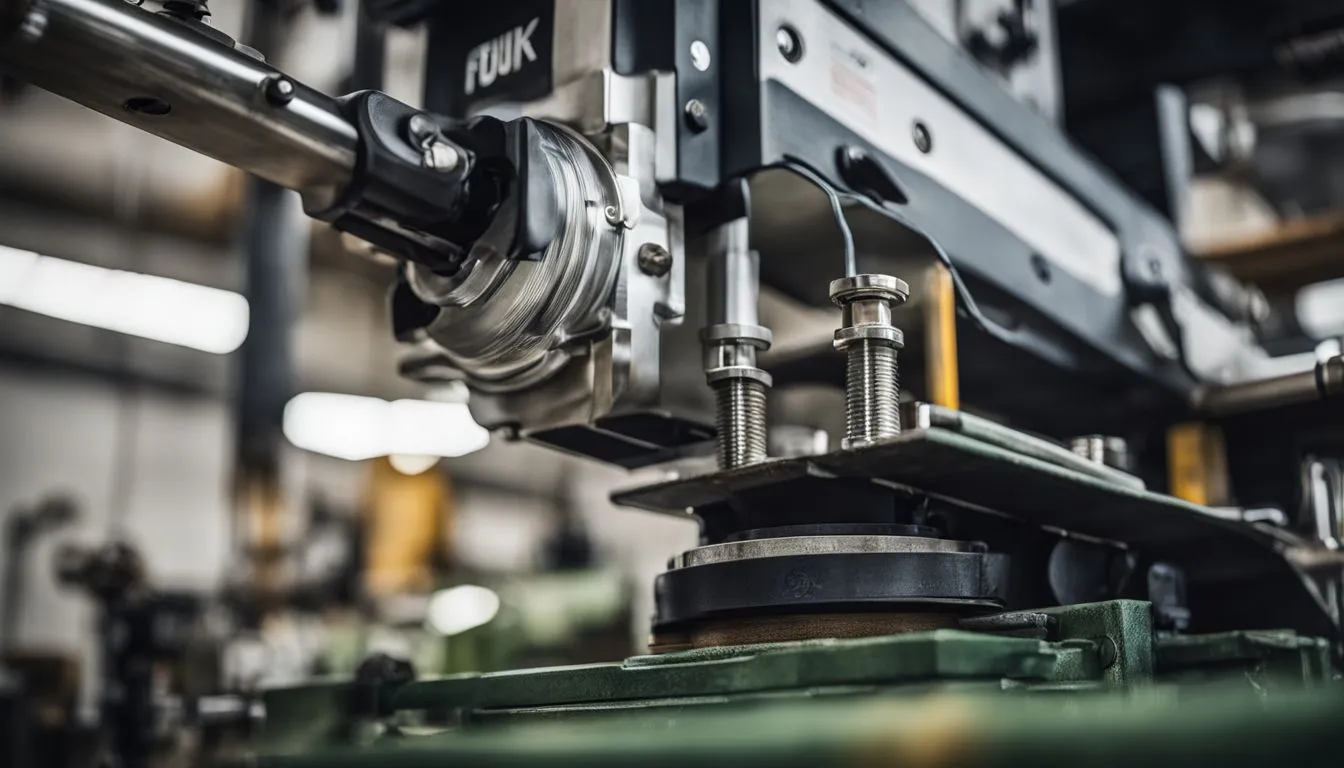
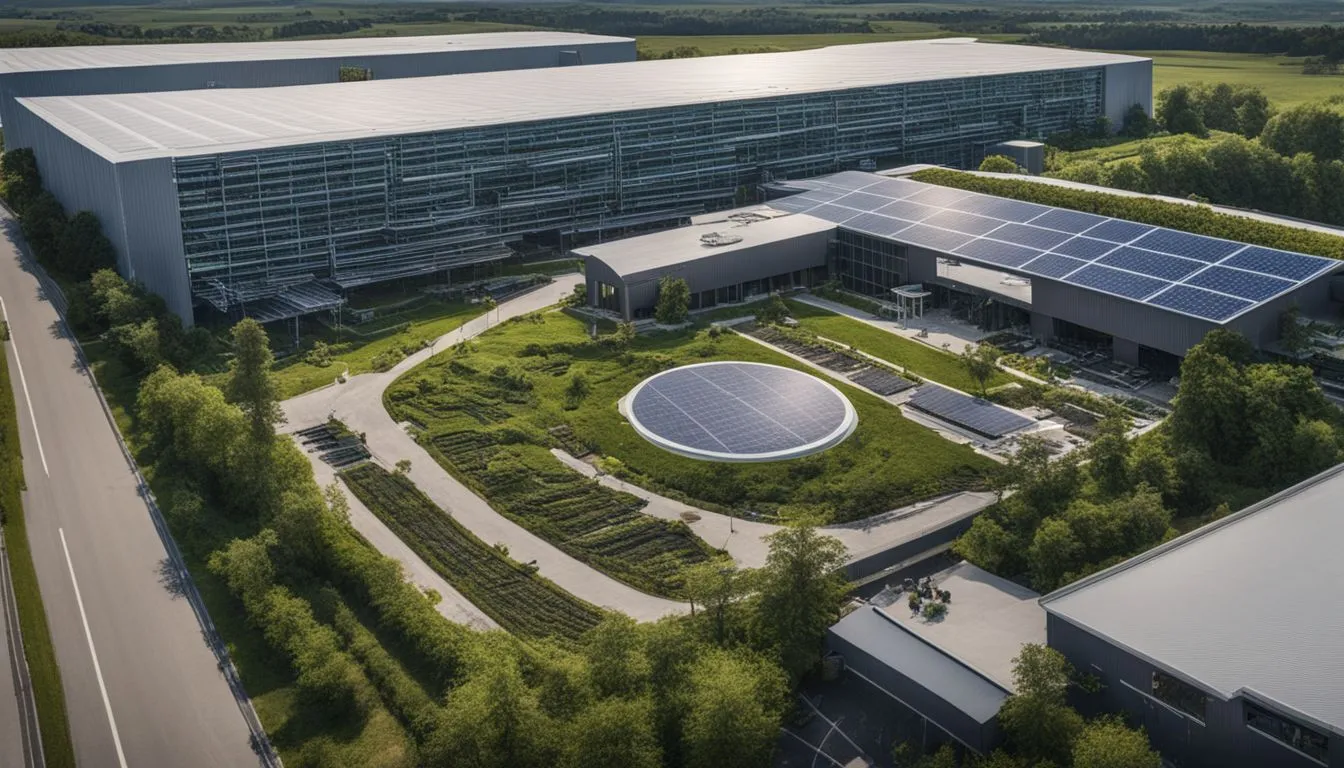
Striving to keep their beautiful planet in good nick while whipping up some top-notch locking brackets can seem like a bit of a tall order. Trust me, they’ve been down that road themselves and it wasn’t a walk in the park.
But after diving deep into research and having a fair dinkum crack at it, they’ve stumbled upon some ripper solutions. In their yarn, they’re going to share how you can craft those handy locking brackets without giving Mother Nature a hard time.
Buckle up for some clever tips coming your way!
The Importance of Sustainability in Locking Bracket Manufacturing
They understand the critical role sustainability plays in locking bracket manufacturing. As business owners, they all aim for eco-friendly manufacturing processes that not only conserve natural resources but also reduce environmental impacts.
Their commitment to sustainable production methodologies significantly influences the long-term viability of their businesses and the planet.
Sustainable business practices are at the core of what they do, prioritising resource conservation and energy efficiency. They actively implement waste reduction strategies and utilise renewable resources, ensuring that their locking brackets contribute positively to environmental sustainability.
Their approach towards green manufacturing underscores their responsibility to future generations while maintaining competitive advantage in Australia’s market.
Product Sustainability in the Manufacturing Industry
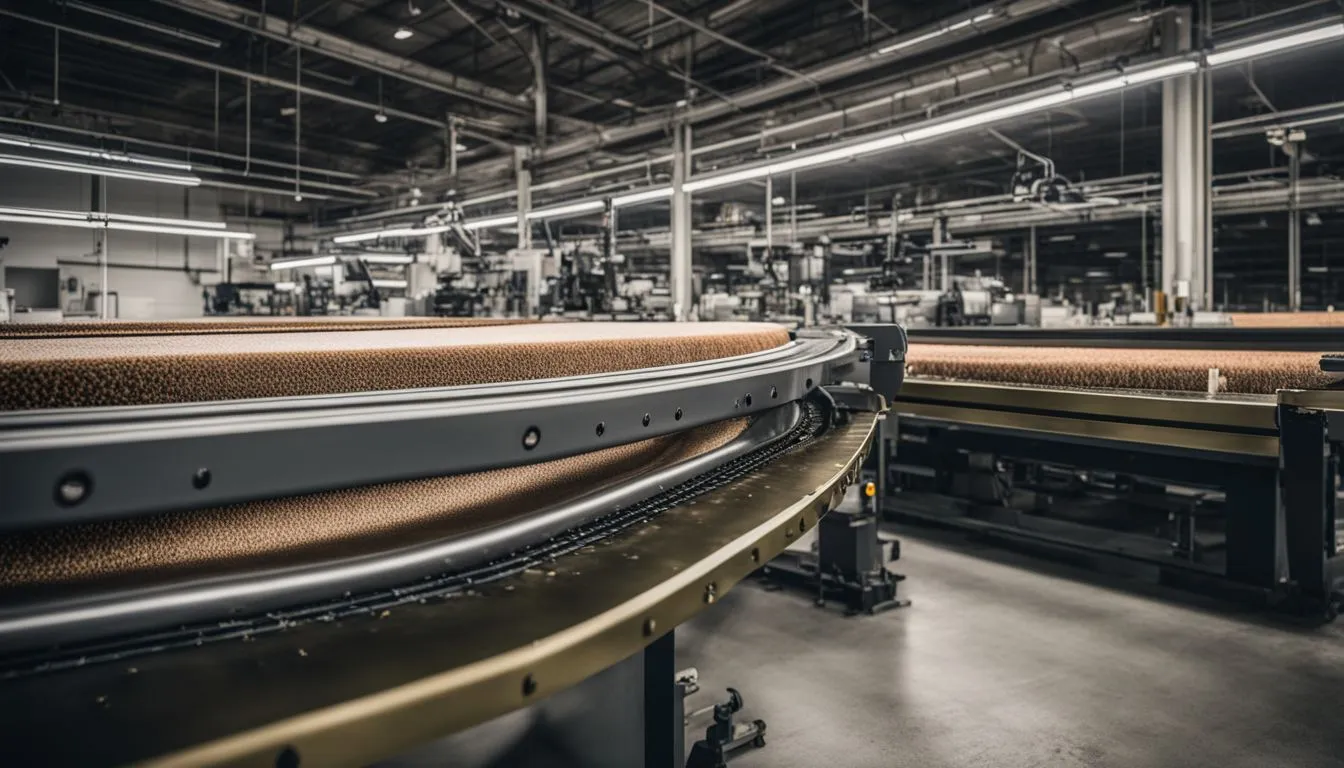
Product sustainability in manufacturing involves implementing circular design principles to create environmentally friendly products, reducing plastic use and eliminating unnecessary paper.
These practices not only reduce the environmental impact but also contribute towards sustainable manufacturing processes.
Circular Design Principles
Circular design principles guide them in crafting locking brackets that last longer and can be reused or recycled at the end of their life cycle. They focus on designing their products to minimise waste and make the most of resources.
This approach not only reduces environmental impact but also offers economic benefits by reducing material costs and waste disposal fees.
They integrate materials that can be easily recycled and components that are simple to disassemble. This makes it straightforward for these materials to enter a new life cycle after their initial use, contributing significantly to sustainable production.
Their commitment lies in creating eco-friendly manufacturing processes that support the environment while meeting their clientele’s quality expectations.
Reducing Plastic Use

They’re actively taking steps to cut down on plastic use in their locking bracket manufacturing processes. Their drive towards sustainability has pushed them to explore alternatives that are both eco-friendly and effective for production.
They source materials that degrade more naturally and have a lesser environmental impact, ensuring their commitment to sustainable business practices shines through every product they create.
Incorporating recyclable materials into the design of locking brackets not only minimises waste but also champions resource conservation. This shift reflects their dedication to environmental sustainability and showcases how small changes in manufacturing can lead to significant benefits for the planet.
By reducing plastic use, they help preserve natural resources, setting a positive example within the industry for others to follow.
Eliminating Unnecessary Paper

In their journey towards sustainable manufacturing practices, they’ve identified significant strides in reducing environmental impact by eliminating unnecessary paper. Their team diligently reviews all processes to identify areas where digital alternatives can replace traditional paper use.
Contracts, invoices, and even blueprints have shifted to digital formats, lessening their carbon footprint and streamlining operations.
Switching to digital platforms not only enhances efficiency but also aligns with their commitment to eco-friendly manufacturing. This move supports resource conservation and reduces waste, demonstrating how technology facilitates a more sustainable approach in the locking bracket manufacturing industry.
Now, let’s explore how harnessing digital technology further contributes to sustainable practices.
Sustainable Practices in Locking Bracket Manufacturing
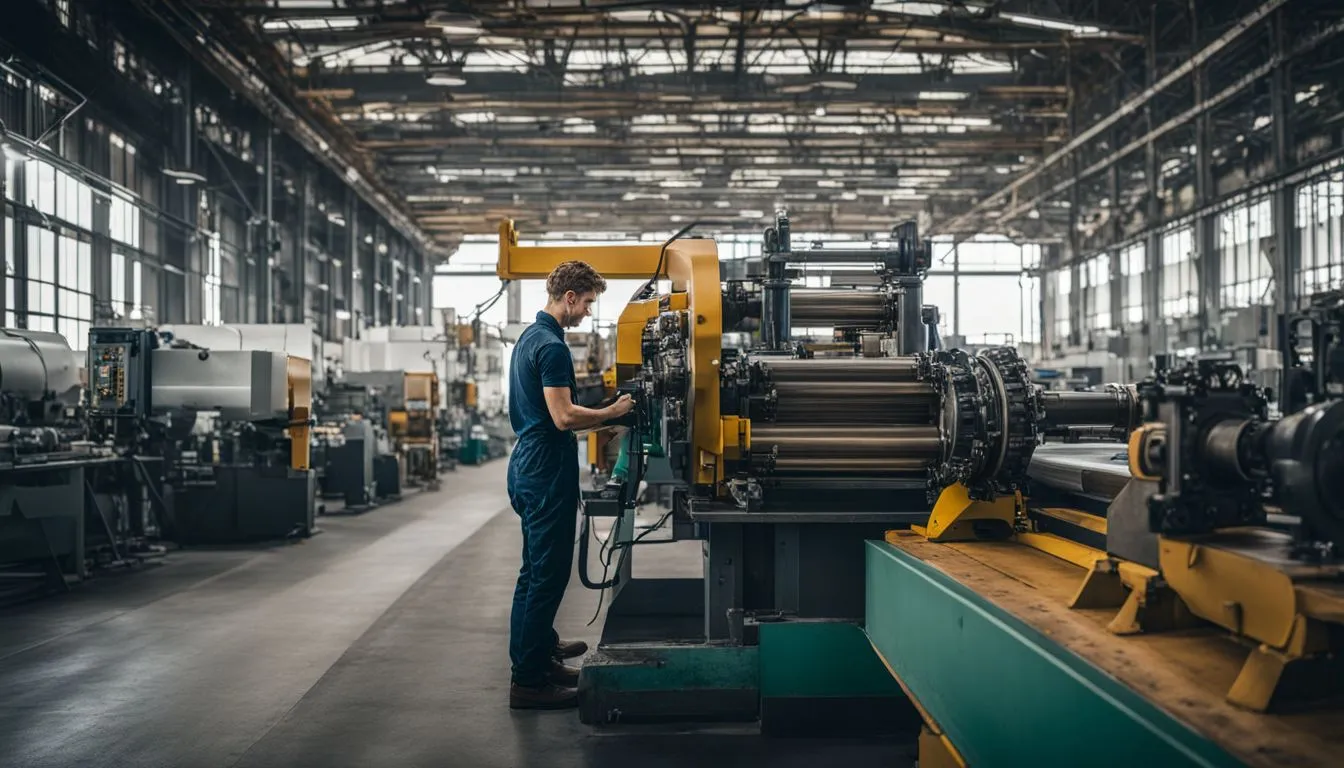
Manufacturers are harnessing digital technology, utilising sustainable energy sources and implementing waste reduction strategies in locking bracket manufacturing. Curious to learn more about sustainable production methods? Let’s delve into the innovative practices driving eco-friendly manufacturing!
Harnessing Digital Technology
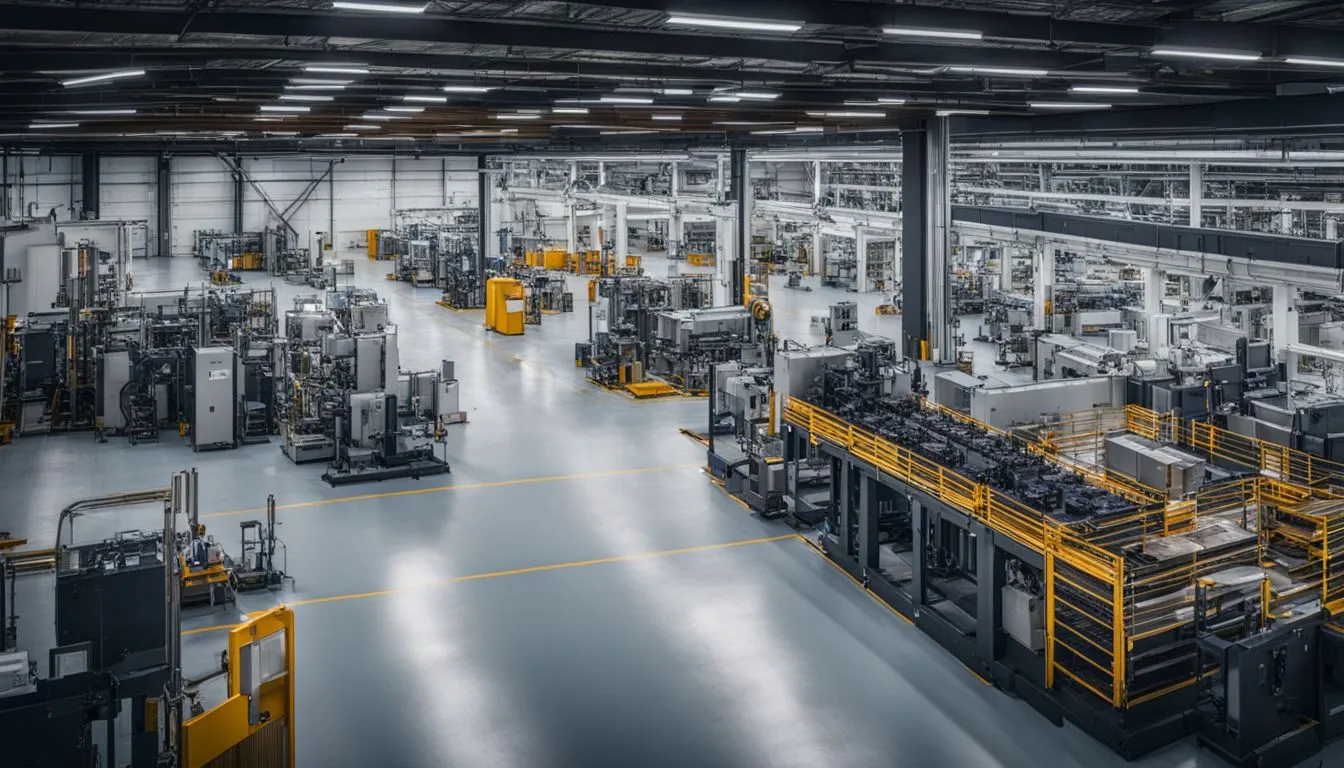
They integrate digital technology to streamline production processes and enhance the environmental sustainability of locking bracket manufacturing. Smart systems optimise resource use, reduce waste, and lower their carbon footprint.
These technologies provide real-time monitoring that allows for immediate adjustments in operations, ensuring efficiency and reducing energy consumption.
Next, they explore how utilising sustainable energy sources plays a critical role in their commitment to eco-friendly manufacturing practices.
Utilising Sustainable Energy Sources
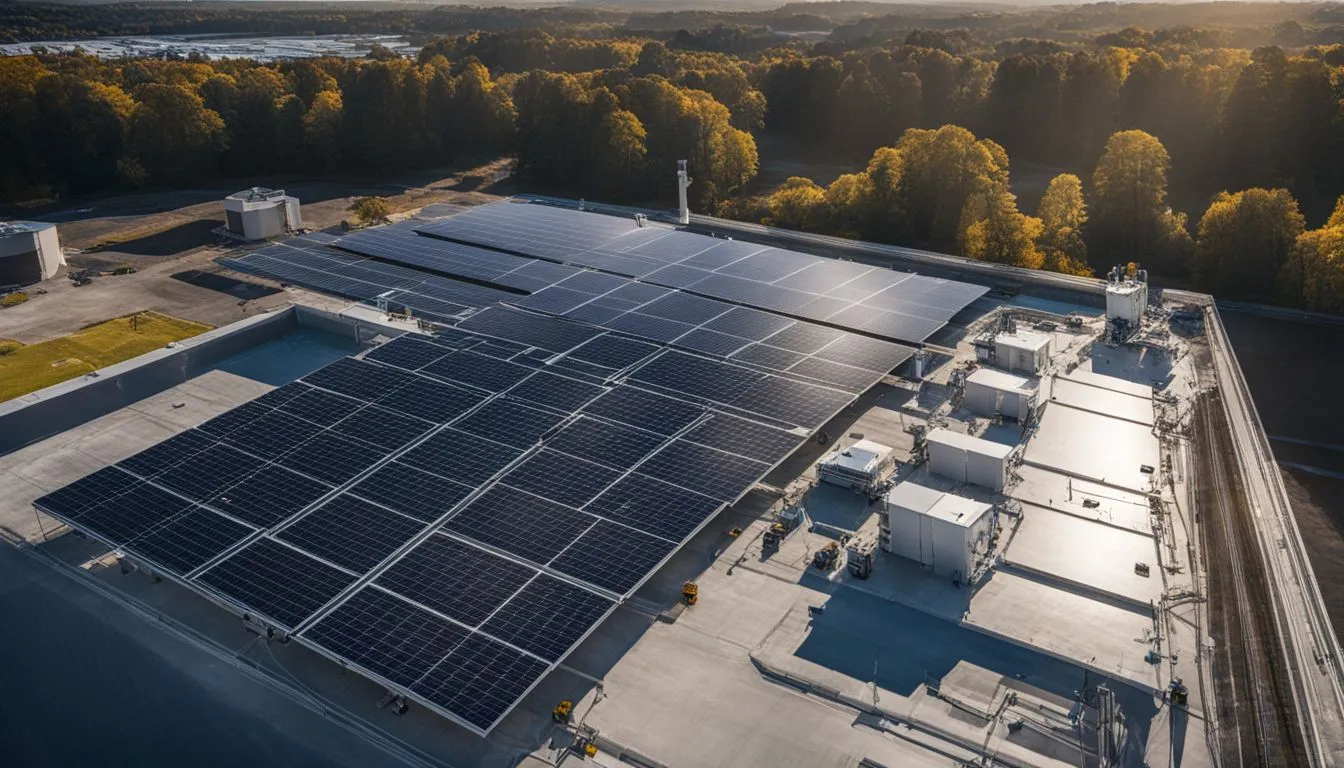
Transitioning from harnessing digital technology, their focus shifts to utilising sustainable energy sources in the production of locking brackets. Their commitment to environmental sustainability drives them to tap into renewable resources such as solar and wind power for their manufacturing processes.
This not only reduces their carbon footprint but also positions them as leaders in eco-friendly manufacturing.
Implementing renewable energy solutions is a proactive step towards resource conservation and energy efficiency in the industry. They ensure that their operations are powered by green technologies, reducing dependency on fossil fuels and minimising environmental impact.
This approach aligns with their mission to promote sustainable business practices across the supply chain, embracing eco-conscious production techniques at every stage.
Implementing Waste Reduction Strategies
They understand the critical role that waste reduction plays in the sustainability initiatives of locking bracket manufacturing. Their commitment to sustainable manufacturing processes drives them to adopt effective strategies for minimising waste.
- Audit Waste Streams: They start by conducting thorough audits of their waste streams. This helps them identify the most significant sources of waste in their operations, enabling targeted interventions.
- Opt for Reusable Packaging: Shifting from single-use to reusable packaging materials significantly cuts down on waste. This not only reduces their environmental impact but also lowers costs associated with purchasing and disposing of packaging.
- Implement Lean Manufacturing Techniques: Lean manufacturing principles focus on reducing excess and inefficiency in production processes. By streamlining operations, they minimise waste generation at its source.
- Enhance Recycling Efforts: They go beyond basic recycling practices by identifying opportunities to recycle materials that are typically considered non-recyclable. Partnering with specialty recyclers allows them to turn more waste into resources.
- Educate Employees: Empowering their team with knowledge about sustainable practices is key. Regular training sessions ensure everyone understands their role in reducing waste and conserving resources.
- Embrace Digital Processes: Wherever possible, they replace paper-based systems with digital ones. This move drastically cuts down on paper waste and improves operational efficiency.
- Regularly Review Suppliers: They assess their suppliers’ sustainability practices, favouring those who adopt eco-friendly manufacturing and packaging methods, thus ensuring sustainability through their supply chain.
- Monitor Energy Use: Monitoring energy consumption helps identify wasteful practices so they can implement corrective measures, indirectly reducing resource wastage associated with excessive energy use.
- Adopt Sustainable Materials: Whenever possible, they choose materials with lower environmental impacts for their products and packaging, prioritising recyclability and renewable resources over single-use options.
- Set Waste Reduction Targets: Setting clear, measurable targets for waste reduction focuses efforts across the company and enables them to track progress towards their sustainability goals.
The Role of Green Practices in Contract Manufacturing
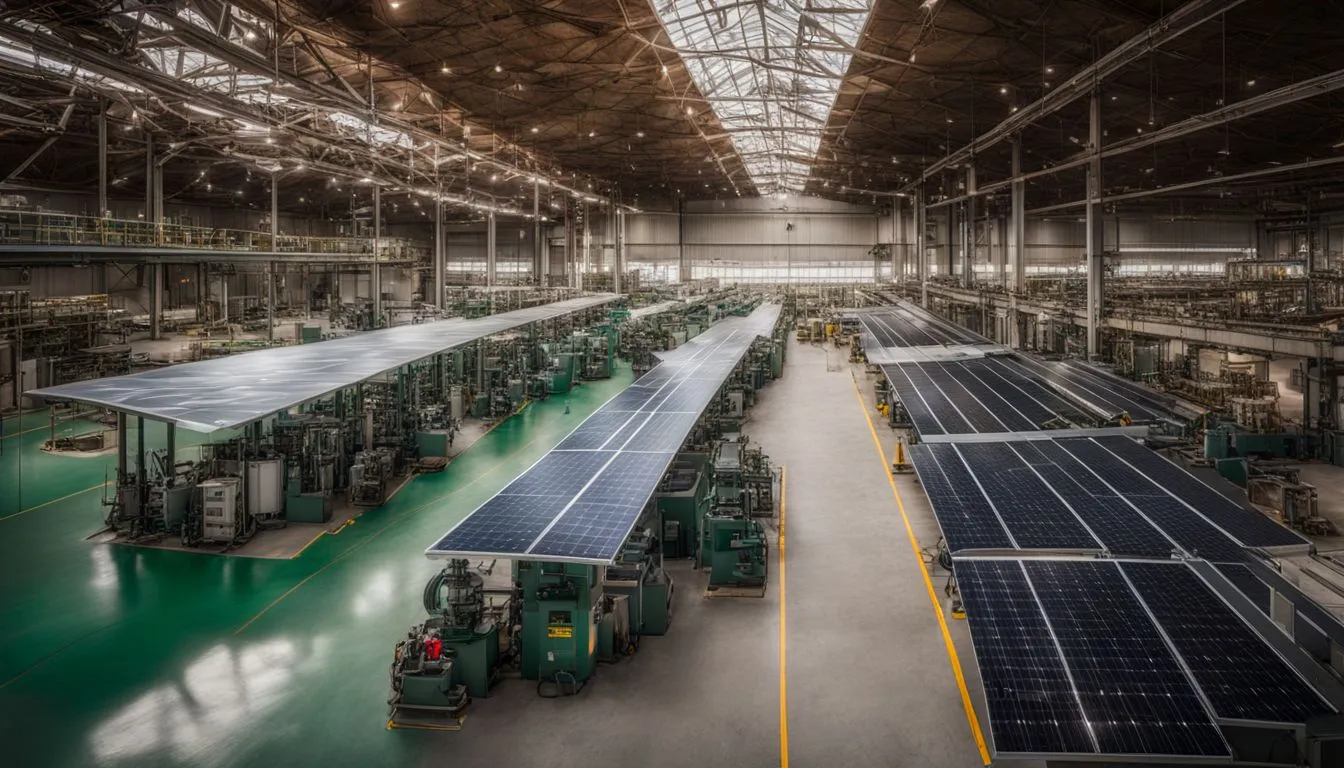
Green practices play a crucial role in contract manufacturing, promoting environmental sustainability and resource efficiency. Manufacturers and clients benefit from sustainable supply chain management, ensuring ethical and eco-friendly production techniques are prioritised.
Efficient resource conservation within the realm of green technologies underpins the commitment to environmentally friendly manufacturing.
Benefits for Manufacturers and Clients
Manufacturers and clients enjoy various benefits from embracing sustainability initiatives in locking bracket manufacturing:
- Enhanced market reputation, boosting brand recognition and customer loyalty
- Cost savings through reduced energy consumption and resource efficiency
- Improved operational efficiency leading to increased productivity and profitability
- Access to new markets, especially those with stringent environmental regulations
- Reduced risk of supply chain disruptions due to sustainable procurement practices
- Better compliance with environmental standards, enhancing corporate social responsibility
- Enhanced product quality and durability, meeting consumer demand for eco – friendly products
- Opportunities for innovation and differentiation in a competitive marketplace
Sustainable Supply Chain Management
Transitioning from the benefits for manufacturers and clients, sustainable supply chain management plays a crucial role in ensuring environmentally friendly manufacturing processes.
By integrating sustainable practices into the supply chain, such as sourcing raw materials from ethical suppliers and reducing carbon emissions during transportation, they can significantly reduce the environmental impact of their operations.
This includes minimising waste at every stage of production to promote resource conservation in manufacturing, ultimately leading to more eco-conscious production techniques and sustainable packaging solutions throughout the entire process.
Resource Efficiency
Transitioning from sustainable supply chain management to resource efficiency, they prioritise the efficient use of resources in locking bracket manufacturing. Their focus is on reducing waste and optimising resource consumption to minimise environmental impact while maintaining high-quality production standards.
Implementing lean manufacturing principles enables them to streamline processes and maximise material usage, leading to cost savings and a reduced carbon footprint. By incorporating energy-efficient technologies and machinery, they aim to enhance operational efficiency while conserving valuable resources.
Minimising excessive resource consumption is pivotal in their commitment to eco-friendly manufacturing practices, ensuring that every step of their production process aligns with sustainability goals.
Renewable Energy and Eco-Friendly Facilities in Manufacturing
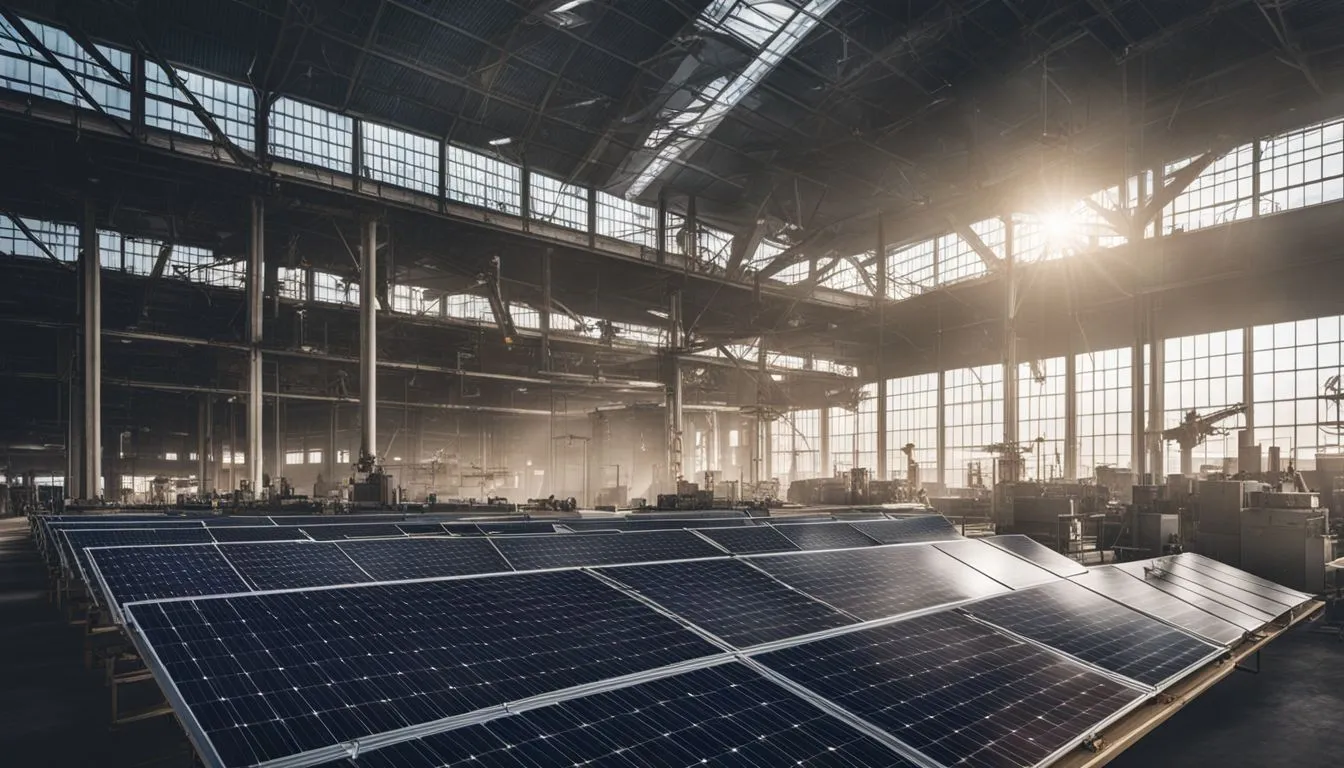
Manufacturers are increasingly incorporating renewable energy and eco-friendly facilities into their operations. Switching to renewable energy sources such as solar, wind, or hydroelectric power helps reduce carbon emissions and reliance on non-renewable resources in manufacturing processes.
By investing in sustainable practices, manufacturers not only lower their environmental impact but also position themselves as leaders in green manufacturing. Implementing eco-friendly facilities like energy-efficient lighting, advanced heating and cooling systems, and water-saving technologies further enhances the sustainability of manufacturing operations.
Focusing on renewable energy and eco-friendly facilities is crucial for manufacturers looking to achieve greater resource efficiency, minimise environmental impact, and meet the growing consumer demand for sustainable products.
The integration of these initiatives aligns with a broader commitment to creating a more sustainable future while positively impacting the bottom line.
Environmental Certifications and Compliance in the Manufacturing Sector
Manufacturers in the sector can achieve environmental certifications by implementing sustainable production methods and eco-friendly practices. These include resource-efficient manufacturing, waste reduction strategies, and energy efficiency measures.
Compliance with environmental standards not only reduces the carbon footprint but also enhances the brand’s reputation and contributes to a healthier planet. Operating within certified guidelines ensures that ethical manufacturing processes are upheld throughout the supply chain, aligning with sustainable business practices and reducing the environmental impact of manufacturing processes.
Implementing Recycling and Circular Economy Principles
Manufacturers play a vital role in implementing recycling and circular economy principles to promote environmentally friendly manufacturing. They incorporate sustainable production methods, emphasising the reuse of materials and reducing waste generation.
By adopting eco-friendly practices, they contribute to environmental impact reduction while conserving resources in their manufacturing processes.
They actively seek ways to integrate renewable resources and energy-efficient technologies into their operations. Their commitment to waste reduction goes beyond merely addressing plastic usage and paper elimination – they focus on resource conservation throughout their ever-evolving industry.
Carbon Footprint Reduction Strategies in Manufacturing
Manufacturers are implementing various strategies to reduce their carbon footprint. They focus on analysing product carbon footprints and conducting life cycle assessments to identify areas for improvement.
Plans for reducing carbon footprints include optimising energy usage, enhancing manufacturing processes, and sourcing materials from sustainable suppliers.
Product Carbon Footprints
Reducing their product carbon footprints is a critical aspect of sustainable manufacturing. By measuring and understanding the greenhouse gas emissions involved in producing locking brackets, they can identify opportunities for improvement.
This involves evaluating every stage of production, from raw material extraction to distribution, to determine where emissions occur. Implementing strategies such as using renewable energy sources and optimising transportation can help reduce these emissions.
Additionally, by engaging with suppliers who prioritise sustainability and offering eco-friendly packaging solutions, they can further minimise their product carbon footprints while meeting consumer demand for environmentally friendly products.
Moreover, conducting lifecycle assessments on their locking bracket products allows them to gain valuable insights into their environmental impact throughout their entire life cycle. This enables them to make informed decisions about materials and processes that contribute positively towards reducing their overall carbon footprint.
Lifecycle Assessment
Lifecycle assessment is a crucial tool for understanding the environmental impact of locking bracket manufacturing. It involves analysing the entire lifecycle of a product, from raw material extraction to production, distribution, use, and disposal.
By conducting a comprehensive evaluation at every stage, they can identify opportunities to minimise energy consumption, reduce waste generation, and lower greenhouse gas emissions. Understanding the carbon footprint of locking brackets not only aligns with sustainable business practices but also provides insights into potential areas for improvement and innovation.
Implementing lifecycle assessment in their manufacturing processes offers an actionable approach towards reducing environmental impact while promoting resource-efficient manufacturing.
By optimising each phase of production based on this analysis, they can work towards achieving eco-conscious production techniques that resonate with today’s environmentally conscious consumers.
Plans for Carbon Footprint Reduction
- Lifecycle Assessment sets the stage for understanding their environmental impact. They are committed to implementing comprehensive strategies for reducing their carbon footprint. Here are the actionable plans they have in place:
- Implementing Energy-Efficient Technologies: They will invest in and integrate energy-efficient machinery and equipment to reduce energy consumption during production processes.
- Transitioning to Renewable Energy Sources: They plan to shift towards renewable energy sources such as solar or wind power to decrease their reliance on non-renewable resources.
- Optimising Transportation and Logistics: They aim to enhance transportation efficiency, minimise fuel consumption, and reduce emissions through optimised routes and load consolidation.
- Material Substitution: They will explore sustainable alternatives for materials used in manufacturing processes, aiming to decrease the overall carbon footprint of their products.
- Waste Reduction and Recycling Programmes: They are developing initiatives to minimise waste generation and increase recycling efforts within their production facilities.
- Carbon Offsetting Initiatives: Their future plans include investing in carbon offset programmes aimed at balancing any unavoidable carbon emissions from their operations.
- Employee Training on Sustainable Practices: To ensure a company-wide commitment, they will provide training programmes focused on sustainable practices that directly contribute to reducing their carbon footprint.
- Collaboration with Suppliers: Strengthening partnerships with suppliers who share their commitment to sustainability will allow them to work together on reducing the overall supply chain carbon footprint.
Innovations in Sustainable Packaging
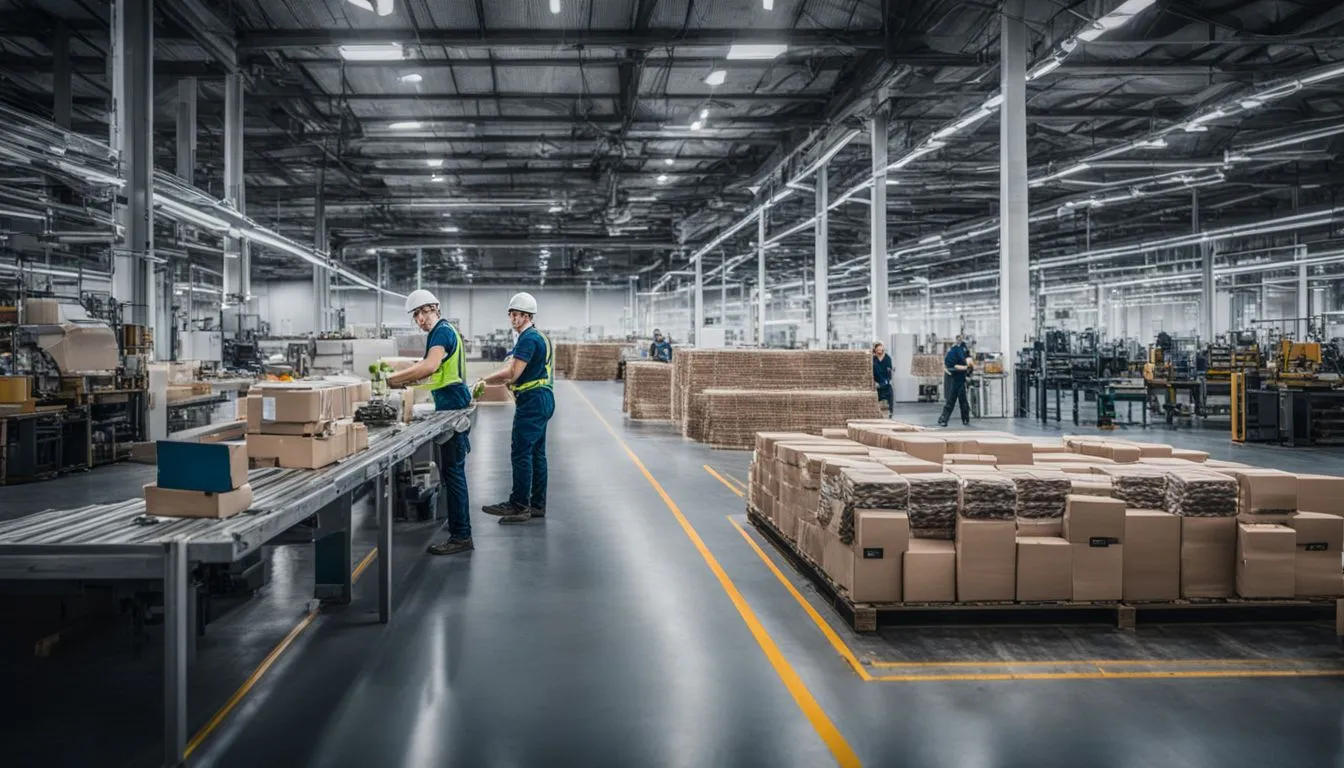
Manufacturers are constantly developing new sustainable packaging solutions that reduce environmental impact and promote resource conservation. To learn more about these innovative techniques, continue reading the full article.
Packaging Materials
Packaging materials play a crucial role in minimising the environmental impact of their products. By choosing sustainable packaging options, they can significantly reduce waste and contribute to a greener environment.
Employing materials such as biodegradable plastics, recycled cardboard, or compostable packaging enables them to meet the growing demand for eco-friendly solutions while maintaining product quality and safety.
Opting for sustainable packaging materials not only aligns with their commitment to environmental responsibility but also resonates positively with environmentally conscious consumers who prioritise ethical business practices.
Additionally, it positions them as leaders in sustainable manufacturing and sets them apart from competitors.
Moving forward, let’s explore the innovative ways they can enhance their sustainability efforts through foam reduction and improving packaging efficiency.
Foam Reduction
Transitioning from the selection of packaging materials to considering foam reduction, this step aims to minimise the environmental impact further. Implementing foam reduction measures aligns with sustainable manufacturing practices, contributing to resource conservation and reducing waste generation.
By actively seeking alternatives and embracing innovative solutions, they can work towards minimising their carbon footprint while maintaining high product quality standards. Foam reduction is crucial in their commitment to environmentally friendly manufacturing processes, promoting sustainable production methods through eco-conscious initiatives.
Packaging Efficiency
Manufacturers have a responsibility to prioritise sustainable packaging solutions. By using minimal and recyclable materials, businesses can reduce their environmental impact. Optimising package sizes and weights not only lowers transportation emissions but also minimises waste throughout the supply chain.
Incorporating eco-friendly packaging materials aligns with their sustainability goals whilst meeting consumer demand for environmentally conscious products.
Currently, they are leveraging innovative packaging designs that minimise material usage without compromising product protection. Transitioning towards sustainable packaging practices assures the reduction of carbon footprints across production and logistics operations, ensuring a more responsible approach to serving both business objectives and environmental stewardship.
Future Trends in Sustainable Manufacturing
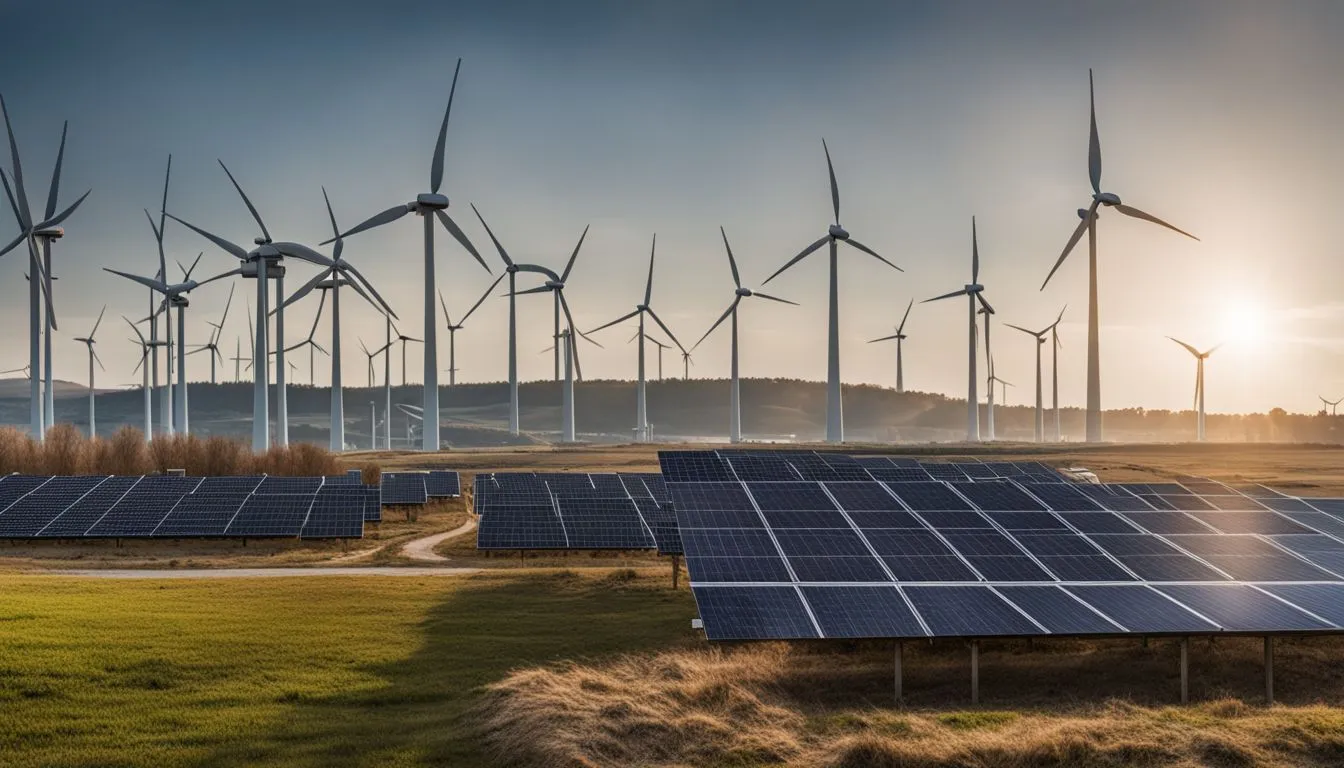
Leading manufacturers are prioritising sustainability in manufacturing practices, catalysing a shift towards eco-friendly production techniques. Sustainable manufacturing is not only about reducing environmental impact but also about embracing technologies that promote resource conservation and energy efficiency.
As they look to the future, the world of sustainable manufacturing is ever-evolving, underpinned by innovative solutions designed to enhance ethical and environmentally responsible processes.
Catalysing Sustainable Manufacturing
Manufacturers are at the forefront of catalysing sustainable manufacturing, driving positive change by incorporating eco-friendly materials and processes. Leveraging green technologies not only reduces environmental impact but also aligns with resource conservation principles in manufacturing.
Embracing renewable resources and energy efficiency initiatives further underpins their commitment to sustainable development. These practices not only reduce carbon footprints but also pave the way for a greener future in bracket production.
Moving forward, leading manufacturers continue to drive sustainability within the industry, prioritising environmentally conscious production techniques that ensure ethical manufacturing processes.
The next section will delve into how these initiatives influence safety standards and set new benchmarks in locking bracket manufacturing.
Leading Manufacturers Prioritising Sustainability
Leading manufacturers in the locking bracket industry are embracing sustainability as a core principle of their operations. They actively seek out eco-friendly practices, implement resource-efficient manufacturing processes, and invest in sustainable packaging solutions.
This proactive approach not only reduces their environmental impact but also sets a benchmark for ethical manufacturing processes within the industry. By prioritising sustainability, these manufacturers demonstrate commitment to reducing carbon footprints and conserving resources while catering to the growing demand for environmentally responsible products.
Such dedication underscores their leadership in driving positive change within the manufacturing sector.
Furthermore, leading manufacturers strategically align themselves with sustainable supply chain management and renewable energy sources, ensuring that every aspect of production is geared towards minimising environmental impact.
Sustainability Performance Evaluation of Faceshield Bracket Manufacturing
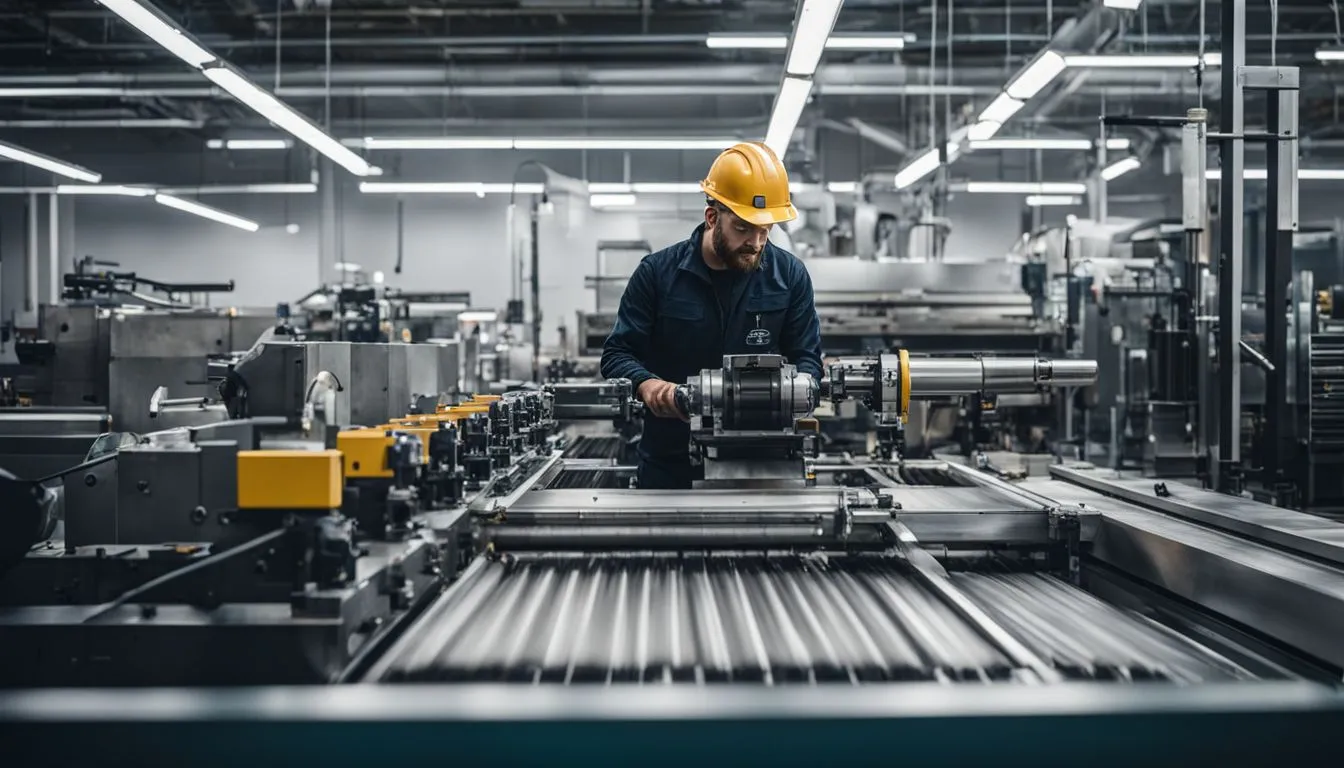
They evaluated the sustainability performance of faceshield bracket manufacturing through a comprehensive methodology and found encouraging results that highlight the positive impact of sustainable practices in this specific industry.
The evaluation considered various aspects, such as material usage, energy consumption, waste management, and production processes to provide valuable insights into eco-friendly manufacturing initiatives for faceshield brackets.
Methodology
To evaluate the sustainability performance of faceshield bracket manufacturing, they employed a comprehensive and data-driven methodology. They conducted a lifecycle assessment to measure the environmental impact across all stages of production, from raw material extraction to end-of-life disposal.
Additionally, they used carbon footprint measurement tools to quantify greenhouse gas emissions associated with their manufacturing processes. Their approach involved collaborating with industry experts and leveraging existing best practices in sustainable manufacturing.
They also conducted extensive audits of their energy consumption and waste generation, using this information to identify areas for improvement. Their focus on actionable guidance led them to implement tailored strategies aimed at reducing resource consumption, increasing energy efficiency, and minimising waste generation throughout their production operations.
Results and Discussion
The Faceshield Bracket Manufacturing sustainability performance evaluation utilised a comprehensive methodology in analysing the environmental impact of its production process. The results revealed significant reductions in carbon footprint, waste generation, and energy consumption through the implementation of sustainable practices.
This data-driven analysis indicates a positive shift towards eco-conscious production techniques, resource conservation, and sustainable manufacturing processes within the bracket manufacturing industry.
As business owners, this highlights the potential for adopting similar green technologies and renewable resources to align with sustainable supply chain management principles and reduce environmental impact.
Moreover, the discussion encompassed strategies for further improving resource efficiency and waste reduction in manufacturing processes. The findings emphasised the importance of implementing circular design principles, highlighting opportunities for enhancing packaging efficiency while reducing foam usage.
Unlocking Safety Standards: How Locking Brackets Set the Benchmark
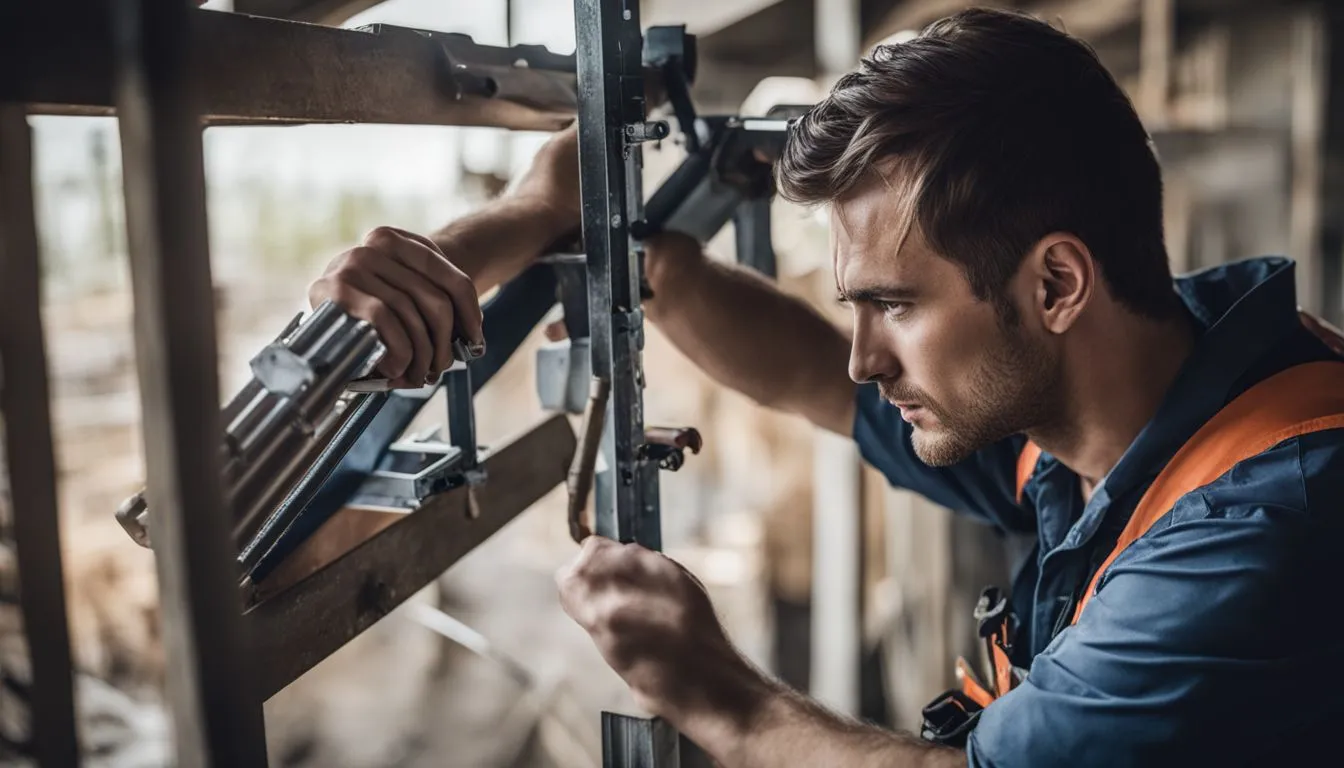
Locking brackets are essential components in ensuring safety standards and setting the benchmark for quality. Through rigorous testing and compliance with industry regulations, locking bracket manufacturers guarantee that their products meet the highest safety standards.
By incorporating advanced design principles and utilising durable materials, locking brackets offer a reliable solution to support various applications across industries.
Manufacturers prioritise product sustainability by reducing plastic use, harnessing digital technology, implementing waste reduction strategies, and employing renewable energy sources in the production process.
The commitment to sustainability not only enhances environmental impact but also sets an example for green manufacturing practices within the industry.
Moving forward, sustainable packaging solutions play a crucial role in reducing environmental impact. Manufacturers are continually innovating to develop eco-friendly packaging materials that reduce waste and ensure minimal carbon footprint throughout the supply chain.
Conclusion

In conclusion, as they wrap up their exploration of sustainability initiatives in locking bracket manufacturing, let’s summarise the key strategies that underpin eco-friendly production.
By harnessing digital technology and utilising sustainable energy sources, manufacturers can efficiently reduce their environmental impact. Highlighting the practicality and efficiency of these strategies is crucial to driving change in the industry.
How can you apply these sustainable practices to your own manufacturing processes? Consider exploring further resources on renewable energy and eco-friendly facilities for a deeper understanding of their impact.
Emphasising the importance and positive impact of sustainable manufacturing not only benefits your business but also contributes to a better world for future generations. Let’s take action now!
Sorting out lockout for your own site?
Describe what needs isolating and we'll help you work out the setup that fits.