
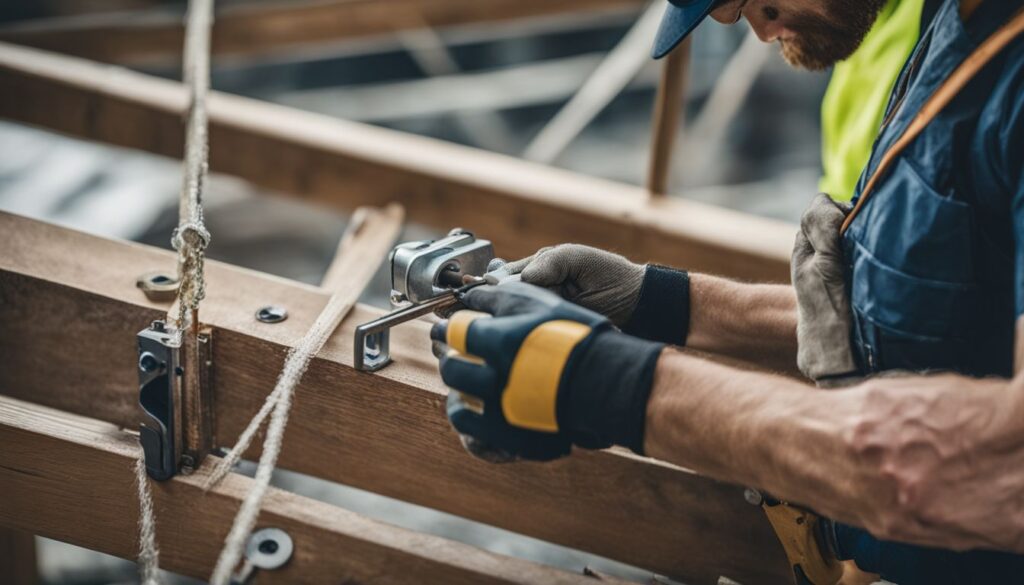
Ensuring a safe workplace sometimes feels like a bit of a battle, doesn’t it? We’ve been right in the thick of it ourselves and uncovered through our own battles that a staggering 40% of workplace tumbles and mishaps could be dodged with the proper safety protocols firmly in place.
Today, we’re keen to share some yarns and insights on how incorporating locking bracket safety measures can significantly dial down the risks hanging about your workspace. Let’s keep each other safe and clued-in, yeah?.
Understanding Lockout Safety Locks
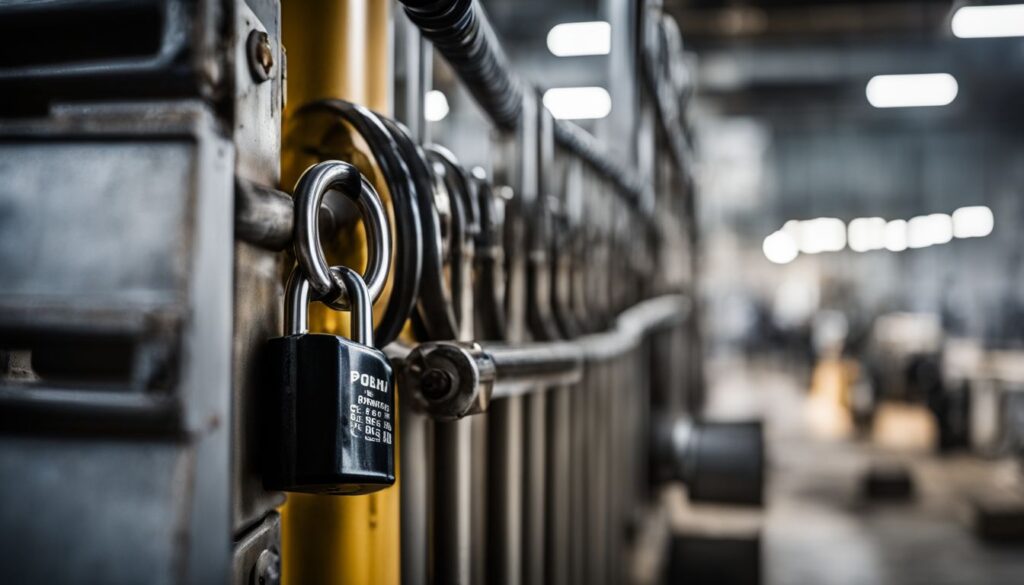
Understanding Lockout Safety Locks plays a crucial role in workplace safety. These locks are designed to enhance security measures, ensuring that machinery and equipment are securely locked out during maintenance or servicing.
Definition and Importance
Lockout safety locks serve as a crucial safeguard against accidental activation or energy release in machinery and equipment. They are an essential part of workplace safety procedures, ensuring that machines stay off during maintenance or repair.
This practice, known as lockout-tagout (LOTO), helps prevent accidents and injuries, making it a vital component of risk management strategies in various industries.
These locking devices come with specific features designed to hold up under the rigorous demands of industrial environments. Their use not only supports compliance with fall protection regulations and Australian standards for safety but also contributes to creating a safer work environment.
The importance of incorporating such security measures cannot be overstated, particularly when it comes to protecting workers from potential hazards associated with unexpected machinery operation.
Now, let’s explore the key features these locks offer.
Key Features
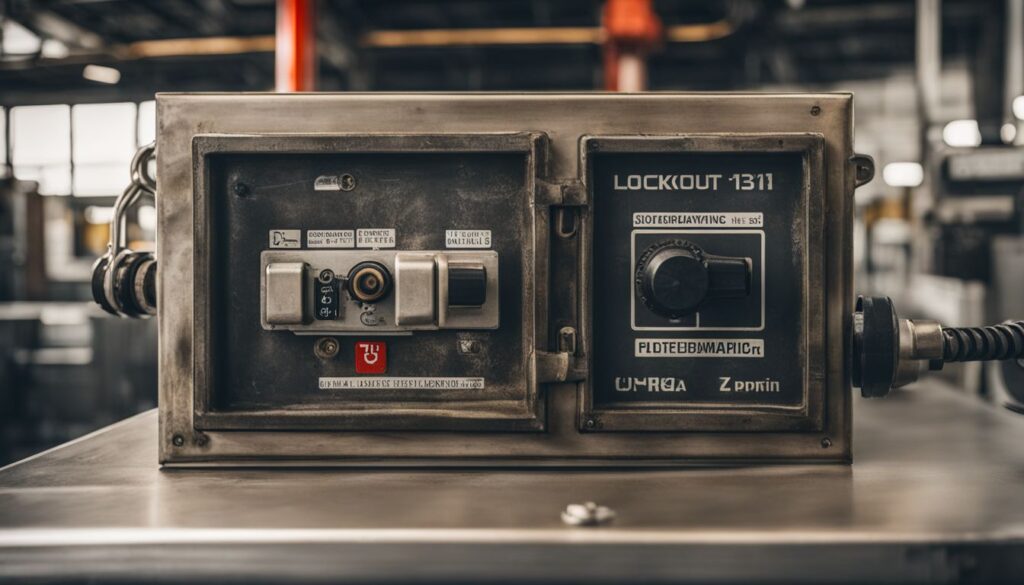
Moving from understanding why lockout safety locks are vital, we now explore their key features that make them indispensable tools for workplace safety. These devices boast a locking mechanism that’s both reliable and easy to use, ensuring quick application in urgent situations.
Their construction is typically robust, designed to withstand harsh environments without failing. With versatility in mind, these locks can adapt to various configurations – from electrical panels to valve handles – enhancing flexibility across different tasks.
We also prioritise user-friendliness by incorporating clear identification tags on each lockout device. This feature streamlines the process of assigning locks and tracking their usage during lockout-tagout procedures, reducing the risk of errors or oversights.
Additionally, specific models offer unique securing capabilities such as adjustable cables or gate valves protections, broadening the range of applications while maintaining strict adherence to Australian standards for safety.
Each lock is engineered with not just functionality but also compliance and efficiency at its core, safeguarding workers against potential hazards effectively.
Applications of Lockout Safety Locks
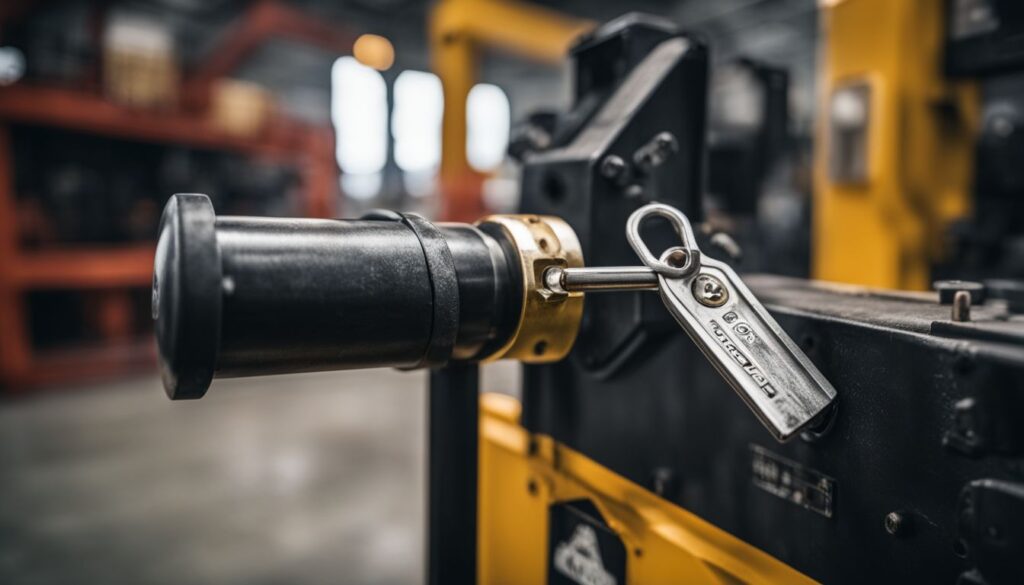
Lockout safety locks find extensive application in various settings, including industrial machinery and equipment, hazardous environments, and security and lockout-tagout operations.
These locks play a crucial role in preventing unauthorized access to potentially dangerous areas or equipment, ensuring the safety of personnel and protecting valuable assets.
Industrial machinery and equipment
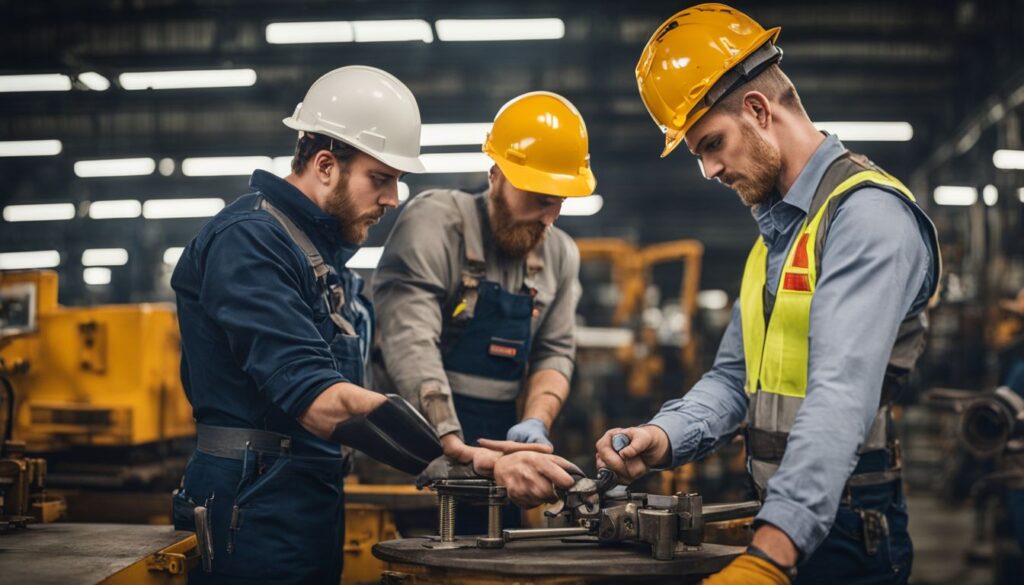
We recognise the critical role lockout safety locks play in safeguarding industrial machinery and equipment. These systems prevent unintended startup or energy release that could lead to workplace accidents.
Our focus includes implementing lockout-tagout procedures, a method crucial for ensuring machines are properly shut off and not started up again before maintenance or repair work is completed.
Our expertise extends to advising on the best locking brackets and safety measures suitable for heavy machinery. This ensures businesses adhere to Australian standards for safety, minimising risks associated with working at heights, managing formwork safety, and securing areas prone to fall hazards.
Through strategic risk management, we help business owners create safer work environments where both productivity and worker protection are prioritised.
Hazardous environments

Hazardous environments require special attention, especially in workplaces where the risk of injury is high. Lockout safety locks and locking brackets play a crucial role in managing these risks.
They secure dangerous machinery or areas that could potentially harm workers. Our focus is on ensuring every business owner understands the significance of implementing such safety measures effectively.
Applying lockout-tagout practices along with durable locking brackets can significantly reduce accidents in areas prone to falls, electrical hazards, or chemical exposures. We advocate for rigorous risk management strategies that include fall prevention and human engineering solutions tailored to hazardous environments.
Safety isn’t just a precaution; it’s a necessary investment towards protecting your team and operations from unforeseen incidents.
Security and lockout-tagout operations
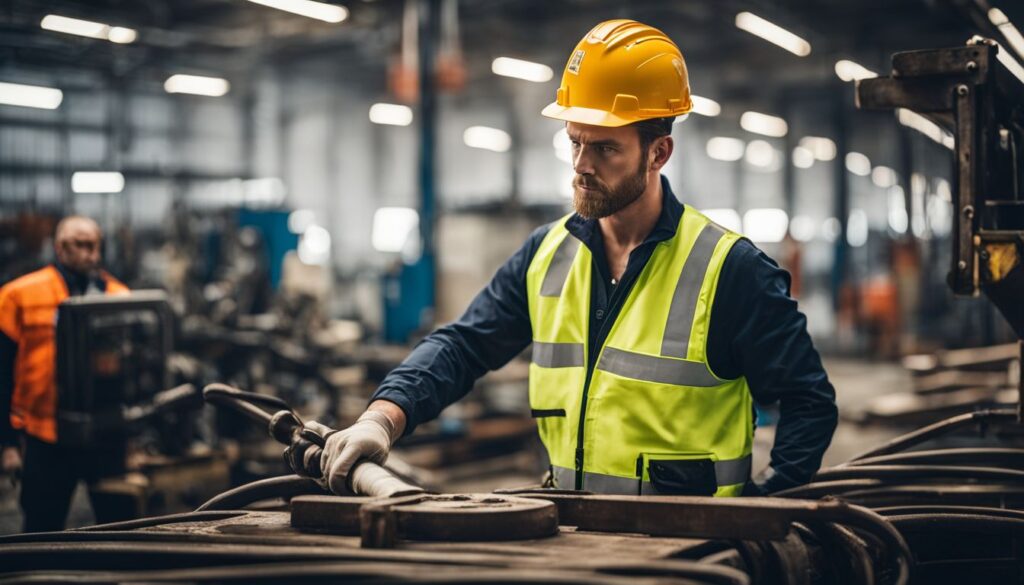
Moving from the management of hazardous environments, we shift our attention to ensuring top-notch security through lockout-tagout operations. These practices are pivotal in preventing unwanted access and maintaining control over energy sources in workplaces.
We ensure that every procedure adheres to Australian standards for safety, making certain that all machinery is properly isolated before any maintenance or repair work begins.
Focusing on lockout-tagout emphasises risk management and fall prevention by using locking brackets, secure fastening systems, and other safety measures. We employ robust lockout safety locks and tagging devices designed for maximum durability and reliability.
Our approach combines human engineering with practical solutions to create a safer environment where productivity does not compromise safety. Through careful planning and implementation of these operations, we manage risks effectively, safeguarding employees against potential hazards associated with uncontrolled energy release.
Exploring Different Lockout Products

Exploring a range of lockout products offers comprehensive solutions tailored to your specific workplace needs. Understanding the features and applications of each product empowers you to make informed decisions, enhancing safety measures within your organisation.
Safety Group Lock Box
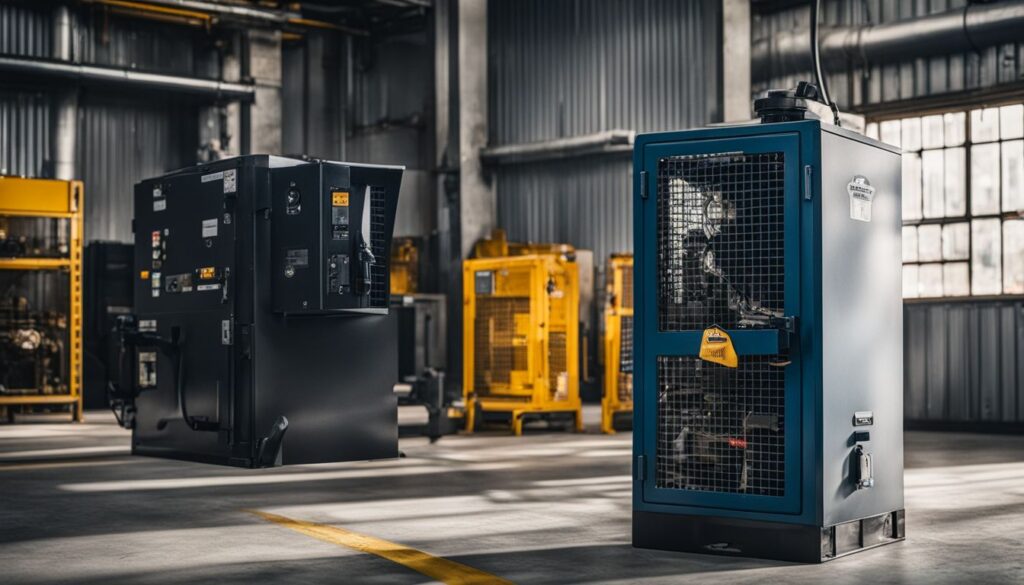
We understand the critical importance of workplace safety and risk management, especially in environments where multiple workers need access to locked-out equipment for maintenance or emergency purposes.
The Safety Group Lock Box serves as a secure solution by allowing each worker to place their own lock on the box, ensuring that no single individual can access the keys inside until every last lock is removed.
This method enhances both security and coordination among teams, reducing the risk of accidental machinery activation during critical operations.
Incorporating a Safety Group Lock Box into your lockout-tagout procedures not only complies with Australian standards for safety but also streamlines workflow and increases overall efficiency.
It’s a straightforward yet effective tool that brings peace of mind to business owners by bolstering fall prevention measures and securing hazardous environments. Implementing this system shows a commitment to upholding high safety precautions and putting employee well-being at the forefront of operational concerns.
Self Laminating Personal Lockout Tagout Danger Tags

Self-laminating personal lockout tagout danger tags play a crucial role in securing workplace safety and ensuring compliance with fall prevention and risk management standards. These tags are simple to use; workers write their details on the tag, then seal it with a clear, protective laminate overlay that guards against water, grease, and extreme temperatures.
This feature makes the information durable and legible, even in harsh industrial environments.
Employing these self-laminating tags not only helps in clearly marking out equipment undergoing maintenance but also significantly reduces the chance of accidental reactivation by providing personalised accountability.
Each tag carries specific warnings along with the identity of the person who locked out the device. This system reinforces safety measures while supporting an organised approach to lockout tagout procedures, ensuring all employees stay informed about ongoing operations involving potentially hazardous equipment or areas.
Guide to Choosing the Right Lockout Safety Locks
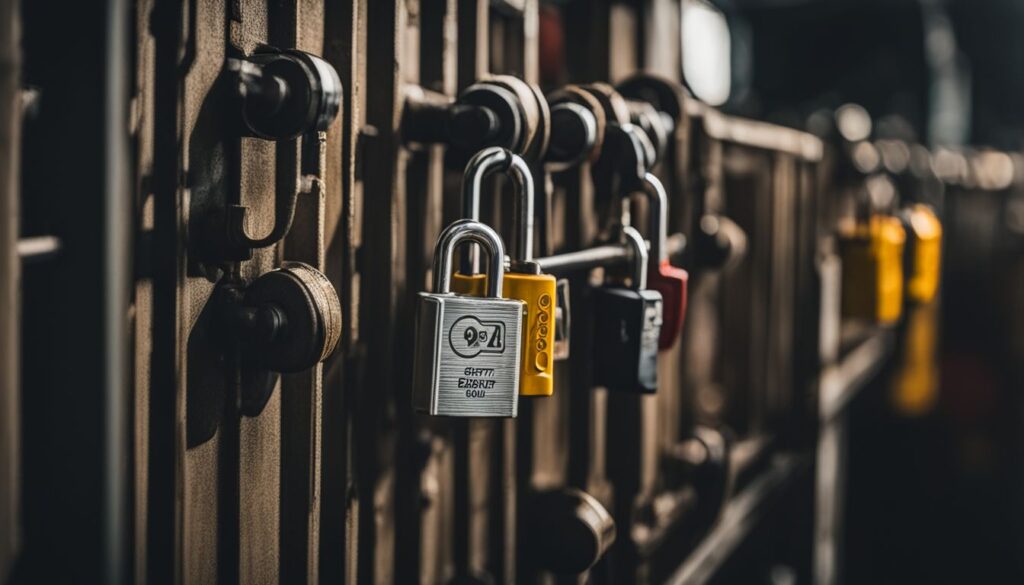
Choosing the right lockout safety locks involves understanding workplace needs and considering the lock’s specifications. It ensures tailored security measures for effective hazard control.
Understanding workplace needs
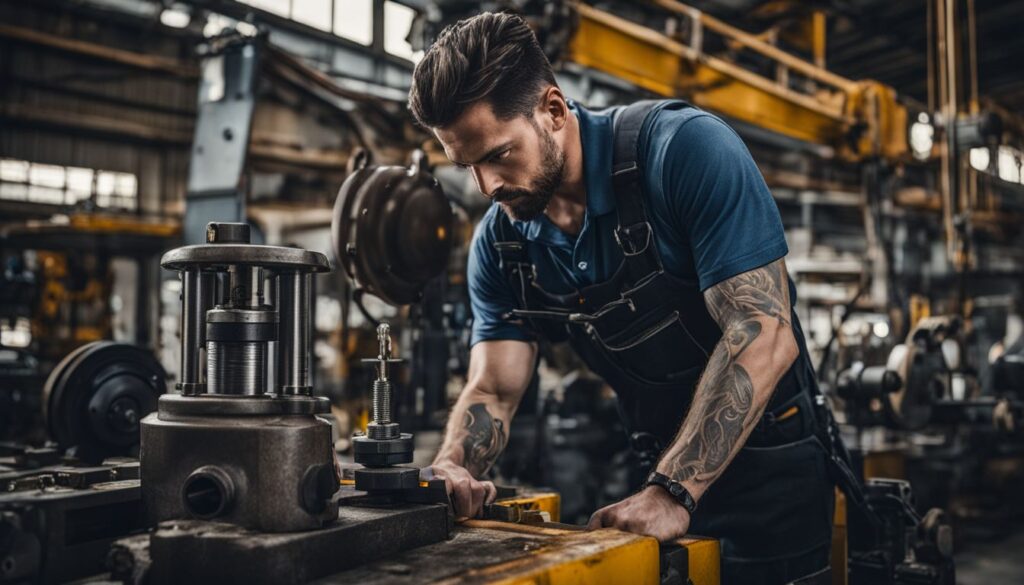
Assess workplace requirements by considering the nature of machinery, equipment, and environmental hazards. Tailor lockout safety locks to fit specific workplace applications, such as industrial machinery and high-risk environments.
Understand the intricacies of your workplace to identify the most suitable locking brackets, optimising safety measures.
Take into account specifications such as size, material, and locking mechanism when selecting lockout products. Ensure that these features align with your workplace needs for secure fastening and effective hazard control.
Considering the lock’s specifications
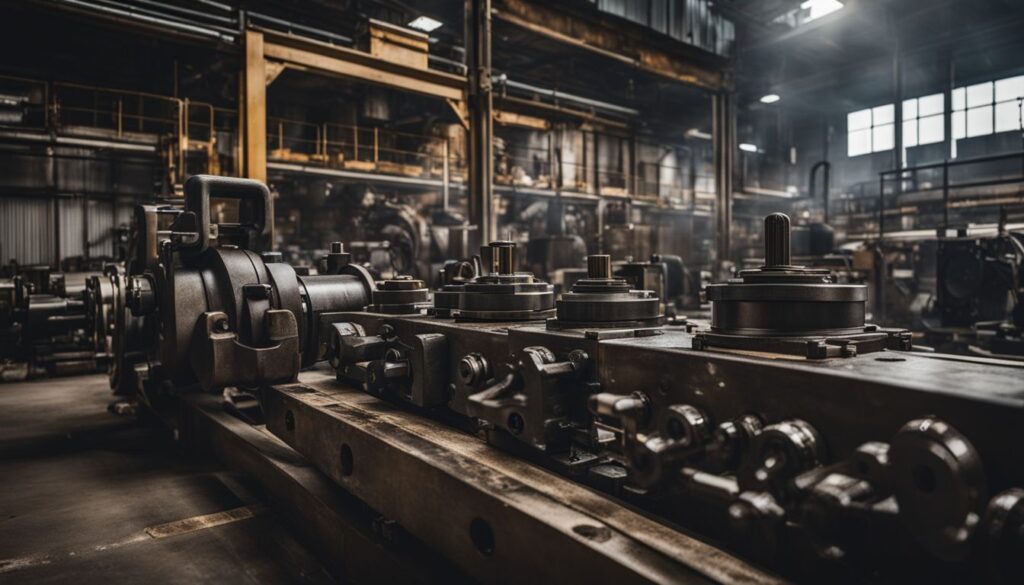
After understanding workplace needs, it is crucial to consider the lock’s specifications. This involves evaluating the specific requirements for securing equipment and machinery in your facility.
It includes factors such as the type of locking mechanism needed, size and dimensions of the lock, material durability, and compatibility with existing safety systems or processes.
Assessing these specifications ensures that you select locks that effectively meet your workplace safety requirements while complying with relevant regulations.
Additionally, examining the lock’s specifications requires close attention to details like its resistance against environmental factors such as corrosion or high-temperature conditions.
The Role of Locking Brackets in Effective Hazard Control

Locking brackets play a crucial role in effective hazard control by securing equipment and machinery, preventing unauthorised access, and ensuring worker safety. They provide secure fastening and support, underpinning fall prevention measures and security protocols in complex industrial environments.
Optimising Workflow with Locking Brackets

Locking brackets play a pivotal role in ensuring workplace safety and efficiency. By securely fastening equipment and tools, they contribute to risk management and fall prevention, especially in elevated spaces such as ceiling areas or during formwork activities.
Our suite of locking brackets is designed to enhance workflow by providing secure support for essential safety devices like SCBA (Self-Contained Breathing Apparatus) units. This not only safeguards workers but also streamlines operational processes, allowing for smoother task execution and improved productivity.
The use of locking brackets is advisable when working at heights or in hazardous environments, as it underpins the ever-evolving fall protection regulations. The meticulously crafted design takes into account human engineering principles to ensure a tailored solution towards workplace safety.
With their robust locking mechanism, these security brackets are an indispensable asset in the realm of workplace safety measures. Unlocking the secrets of how these fixtures optimise workflow sheds light on their indispensable role within industrial settings.
Conclusion

In conclusion, we have explored the essential role of locking brackets in ensuring workplace safety and risk management. The strategies and tips provided are practical, easy to implement, and efficient measures for fall prevention and formwork safety.
How can you effectively apply these techniques? What impact could they have on your workplace safety? These approaches not only lead to significant improvements but also elevate the standards of security brackets used in securing fastening operations.
For further learning, consider exploring additional resources or services that specialise in this area. As you take steps towards implementing these safety measures, remember that each small action contributes significantly to enhancing overall safety in the workplace.
For more insights on how locking brackets can enhance your hazard control measures, read our detailed guide on optimising workflow with locking brackets.


