


Many Aussie businesses today find themselves in a bit of a pickle when it comes to keeping their workflows ticking along smoothly. We’ve seen this drama unfold with our own eyes and have really rolled up our sleeves to figure out how to fix it, discovering that nearly 70% of workflow hiccups are down to process interruptions.
Our article dives into the perks of using locking brackets as a clever way to keep your work cruising along without these pesky interruptions. Stick around for some insights that might just give your business operations a fair dinkum transformation.
Understanding Workflow Optimisation

Workflow optimisation is vital in today’s business landscape, ensuring efficient processes and maximum productivity. Locking brackets play a crucial role in streamlining workflow execution and enhancing data security.
The Importance of Workflow Optimisation

We understand the critical role that workflow optimisation plays in boosting productivity and business efficiency. Streamlining work processes not only helps in minimising errors but also ensures that tasks are completed faster and more efficiently.
This directly contributes to improved output and higher satisfaction among both employees and customers.
Implementing locking brackets as part of this strategy enhances data protection, item security, and process optimisation significantly. It prevents unauthorised access and ensures that each stage of the workflow is securely managed.
Our focus on using advanced locking mechanisms underscores our commitment to maintaining high standards of data integrity and workflow control.
Locking Mechanisms in Workflows

Building on the necessity of workflow optimisation, we turn our focus to locking mechanisms in workflows. These systems play a crucial role in process optimisation and data protection by ensuring that tasks are completed sequentially and securely.
Locking mechanisms prevent multiple users from altering information at the same time, which is vital for maintaining data integrity and streamlining work processes.
Implementing locking brackets facilitates task locking, thereby enhancing workflow control and business efficiency. This method enables automated locking and unlocking during various stages of workflow execution, leading to productivity improvement.
It ensures that each part of the process receives approval before moving forward, effectively minimising errors and safeguarding item security through every step.
The Role of Locking Brackets in Workflow Optimisation

Locking brackets play a crucial role in workflow optimisation by preventing process interruptions and enhancing data security. They ensure that workflow stages are completed without any interruption, allowing for a smooth and efficient progression of tasks.
Preventing Process Interruptions
We understand the frustration that comes with unexpected process interruptions. Implementing locking brackets in your workflow can significantly minimise these disruptions. These robust mechanisms ensure that each part of the process locks into place at the right time, preventing premature progression or accidental overlaps.
This precision keeps tasks on track and maintains consistent productivity levels across different stages of work.
By integrating locking brackets, we empower our operations to run smoother and more efficiently. They act as gatekeepers, allowing only approved items to move forward while securing data integrity throughout the workflow.
This not only optimises process efficiency but also enhances overall business performance by ensuring a seamless flow of operations without unnecessary hiccups or delays.
Enhancing Data Security
Turning from preventing process interruptions, it’s critical to focus on enhancing data security. This shift ensures that while we streamline operations, we also safeguard sensitive information integral to our business and clients.
Optimising workflow with locking brackets plays a pivotal role in this aspect by providing physical and digital barriers against unauthorised access. Locking mechanisms not only prevent tampering but also reinforce the integrity of our data protection measures.
Incorporating these secure bracket systems into our workflow management strategy bolsters overall business efficiency. It does so by automating locking and unlocking processes which contribute significantly to maintaining high standards of data security.
The automation minimises human error, ensuring that sensitive information is accessed only when necessary and by authorised individuals. This level of control is indispensable for achieving optimal workflow execution while keeping critical data protected at all times.
Psychological Impact and Safety Measures of Locking Brackets

Locking brackets play a crucial role in boosting not just workflow efficiency but also enhancing the psychological well-being of employees. They provide staff with a sense of security and peace, knowing that critical processes and data are protected from unauthorised access or tampering.
This assuredness translates into improved focus and productivity as team members feel more confident in their work environment. Ensuring that everyone understands how these locking mechanisms contribute to their personal safety empowers them to perform at their best.
We take significant steps to implement safety measures alongside the introduction of locking brackets into our workflows. Training sessions are held to familiarise all employees with the operation, benefits, and emergency protocols related to these systems.
Regular audits ensure the locking mechanisms function correctly, preventing potential breaches or failures that could lead to stress or concern among staff members. Through these actions, we uphold both physical security and mental well-being within our workplace, proving that taking care of one directly impacts the other positively.
Best Practices for Implementing Locking Brackets
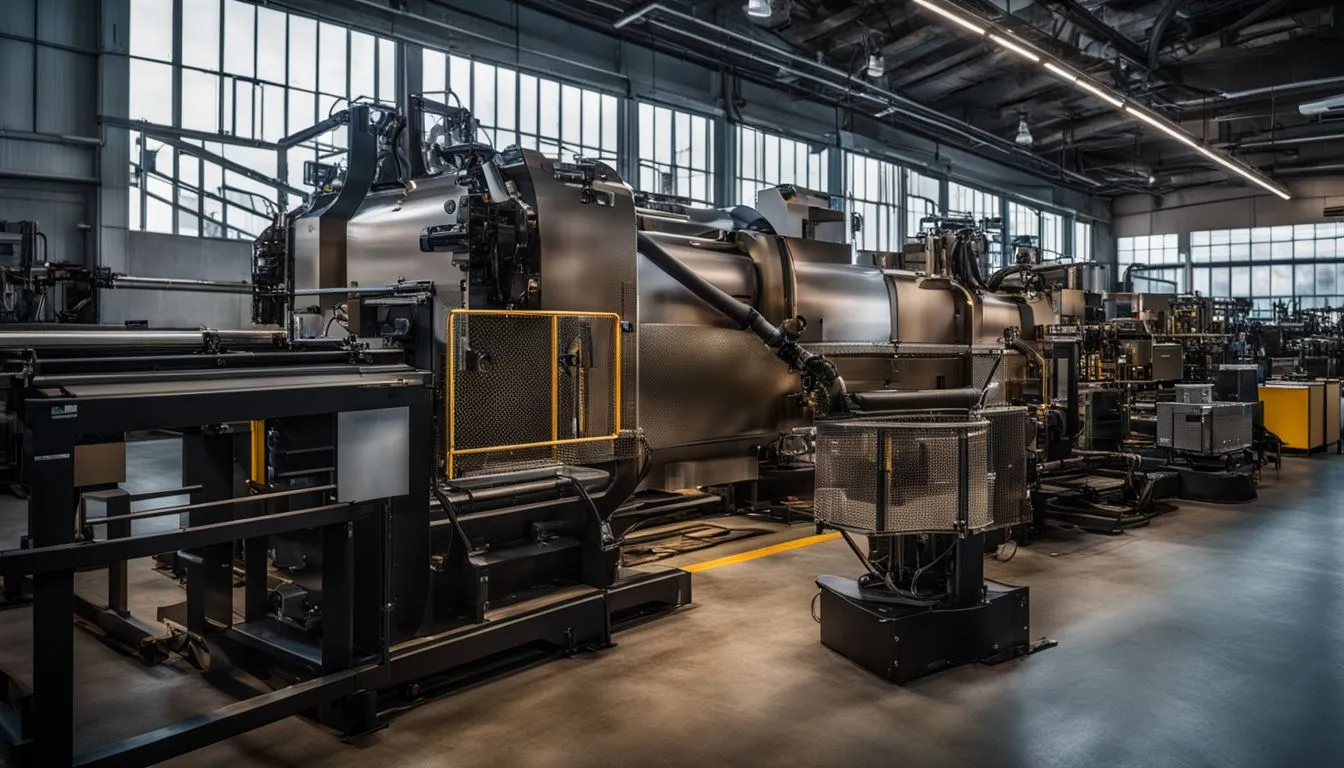
To implement locking brackets optimally, identify suitable workflow stages for their application and automate the locking and unlocking mechanisms. This helps streamline workflow execution and minimise errors, ultimately enhancing productivity.
Identifying Suitable Workflow Stages for Locking

Identifying the right stages in your workflow for implementing locking brackets requires a keen understanding of your process flow. We look at where data integrity and security are crucial, focusing on areas prone to errors or unauthorised access.
This might include stages involving sensitive information transfer or critical decision points that could benefit from added safeguards.
We also consider the efficiency of our overall workflow management when choosing points for locking mechanisms. It’s about striking a balance: protecting necessary parts without hindering productivity enhancement.
Locking too many processes might slow things down, so we aim for strategic placement that streamlines workflow execution while still securing key assets and data protection.
Automating Locking and Unlocking Mechanisms
We integrate automation into the locking and unlocking mechanisms, streamlining the workflow management process. This approach ensures that locks are engaged or disengaged at precisely the right moments during workflow execution, enhancing both security and efficiency.
Our systems can automatically adjust to varying workloads, making them ideal for dynamic business environments.
By employing advanced locking technology with automated features, businesses experience a noteworthy uplift in productivity improvement. These systems reduce manual oversight and eliminate errors associated with human intervention, leading directly to more secure data protection and optimised process efficiency.
Next up is exploring how these technological advancements impact overall productivity.
Impact of Locking Brackets on Productivity

Locking brackets streamline workflow execution and minimise errors. They enhance productivity by ensuring smooth processes.
Streamlining Workflow Execution

To streamline workflow execution, we prioritise identifying suitable stages for the locking mechanism and automating locking and unlocking processes. This not only minimises errors but also enhances productivity by ensuring that tasks proceed smoothly without interruptions.
By implementing these best practices, businesses can achieve optimised workflow management and ensure business efficiency through concise and controlled task execution.
Minimising Workflow Errors
Minimising workflow errors is crucial for maintaining efficiency and accuracy in business operations. Implementing locking brackets at key stages of the workflow can help to identify and resolve potential errors before they escalate.
This proactive approach not only minimises disruptions but also safeguards data integrity, ensuring that the workflow progresses smoothly and securely.
Automating locking and unlocking mechanisms also plays a pivotal role in reducing human error in workflow processes. By streamlining these actions, businesses can mitigate the risk of manual mistakes, contributing to improved overall productivity.
Conclusion

In conclusion, as we wrap up our discussion on optimising workflow with locking brackets, it is crucial to recognise the invaluable impact of such mechanisms. These strategies are not only designed to enhance productivity and streamline task execution but also provide a safeguard for data integrity and security.
Now, imagine unlocking the secrets of boosted efficiency and business success by implementing these practical solutions in your workflow management system. What methods or strategies will you implement right away? The potential impact of applying these approaches can lead to significant improvements in your business operations.
Let’s delve into exploring the world of enhanced business efficiency through automated locking mechanisms and streamlined workflows!
For more insights into how locking brackets can influence mental well-being and ensure safety in the workplace, read our detailed article here.
Sorting out lockout for your own site?
Describe what needs isolating and we'll help you work out the setup that fits.