
Navigating the proper use of locking brackets can be a bit of a sticky wicket for lots of business owners. We’ve definitely walked a mile in those shoes and understand the challenge all too well.
After diving deep into research, we’ve unearthed some top-notch techniques that dramatically ramp up both safety and efficiency. This yarn is about breaking down those strategies in a way that’s as easy as pie to get your head around.
Stick around for insights that might just change the game for you.
Understanding Locking Brackets

Locking brackets play a crucial role in maintaining the stability and security of various structures, including scaffolding and orthodontic braces. These components use a special locking mechanism to keep bolts, washers, and other parts tightly connected even under stress.
This ensures that whatever they are applied to remains secure and functional over time.
We often emphasise the importance of choosing the right locking bracket for specific applications. Different tasks might require metal brackets or self-ligating systems, each offering unique benefits in terms of maintenance costs, efficiency of levelling, and bolt security.
Understanding these distinctions allows us to make informed decisions that enhance safety measures while optimising performance.
Types of Locking Brackets
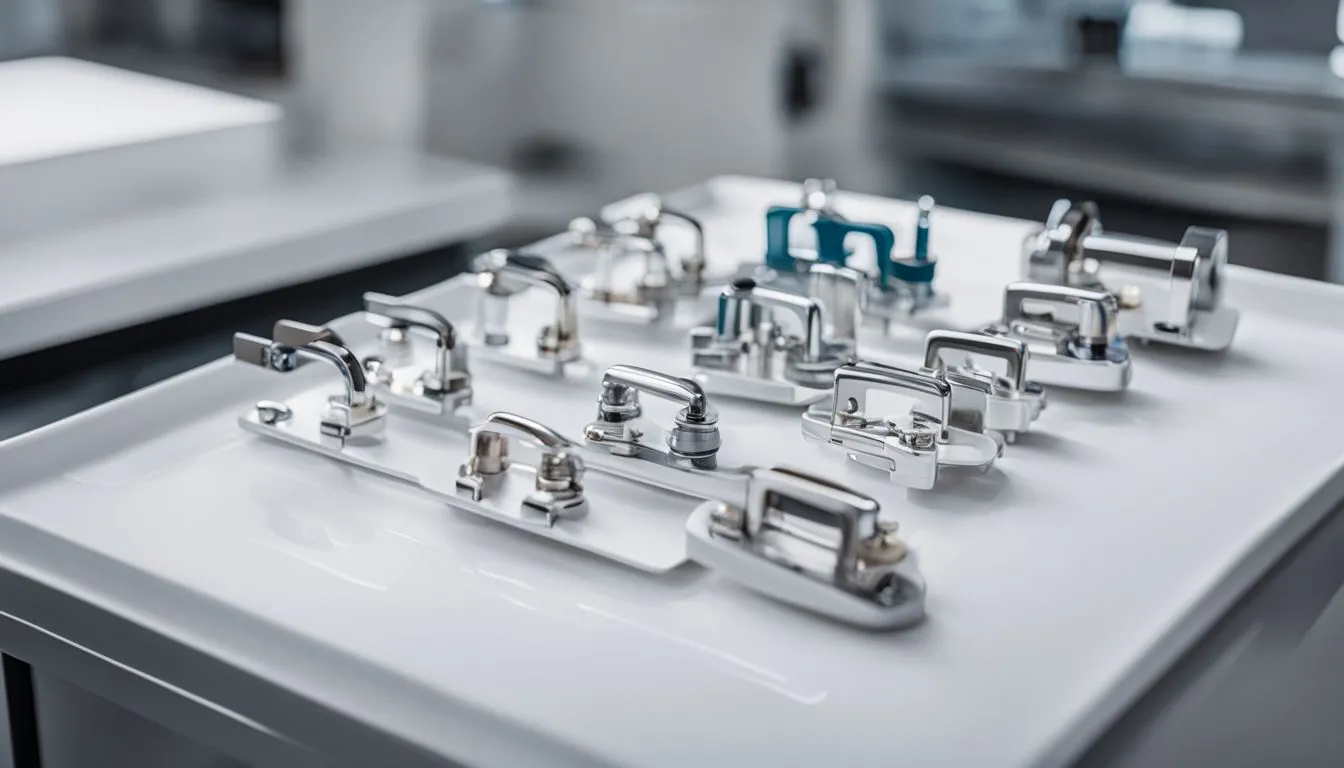
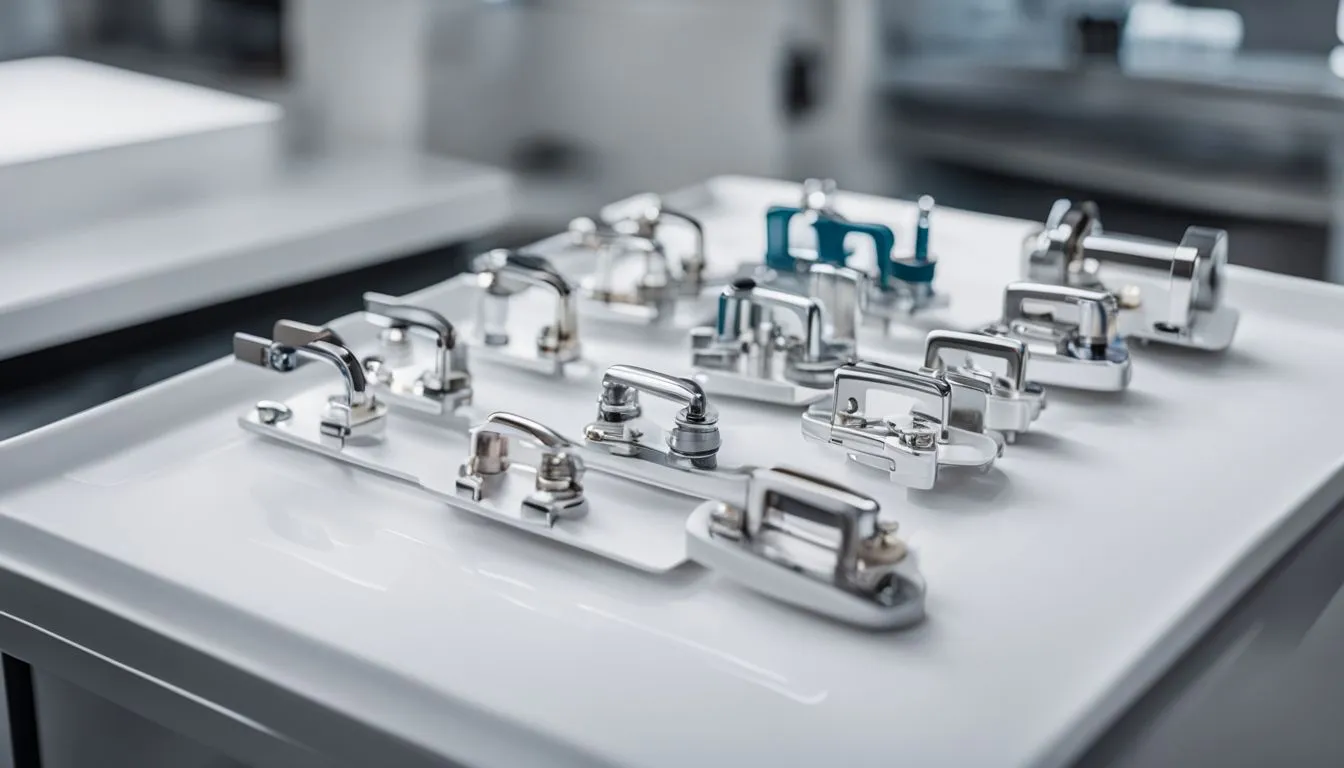
There are various types of locking brackets used in orthodontics, such as self-ligating brackets and metal brackets. Each type has its own unique properties and benefits, which we’ll explore further in this article.
Self-Ligating Brackets
We find self-ligating brackets stand out in the orthodontic industry for their innovative approach to braces. These brackets use a built-in mechanism that locks the wire into place, eliminating the need for traditional elastic or metal ties.
This advanced method not only speeds up the teeth straightening process but also reduces friction, making them more comfortable for patients.
Self-ligating technology marks a leap in locking bracket safety and efficiency. They require less maintenance and fewer adjustments than conventional methods, translating into significant time savings during treatment.
For business owners in the dental field, adopting these cutting-edge brackets means offering clients top-notch care while streamlining operations.
Metal Brackets
Metal brackets play a crucial role in the field of orthodontics and construction, offering stability and security for braces and scaffolding systems. They’re widely recognised for their strength and durability, ensuring that structures stay intact under various conditions.
Our experience highlights how metal brackets, when used with advanced locking techniques, significantly improve bolt security and maintenance efficiency. This leads to lower costs over time and enhances the safety measures already in place.
Incorporating these components into your practices not only increases the longevity of your projects but also instils confidence among clients about the reliability of your work. We encourage business owners to consider metal brackets as a key part in advancing their locking bracket strategies.
Moving forward, let’s explore self-ligating bracket systems further.
Advanced Techniques for Using Locking Brackets
When using locking brackets, it is crucial to implement advanced techniques for maximum safety and effectiveness. Employing self-ligating bracket systems, SNOT for stability, and SNOT Stud Reversal can greatly enhance the security and stability of the brackets.
These advanced methods not only increase efficiency in leveling but also improve bolt security while lowering maintenance costs.
Self-Ligating Bracket Systems
We understand the importance of leveraging advanced techniques for using locking brackets safely. Self-ligating bracket systems stand out as a revolutionary option in orthodontics, providing numerous benefits over traditional braces.
Here’s a closer look at how these systems work and why they’re valuable:
- Self – ligating brackets eliminate the need for elastic or metal ties. This innovation leads to fewer appointments and less time spent in the dentist’s chair.
- They use a sliding mechanism to hold the wire. This method allows teeth to move more freely, reducing discomfort and speeding up treatment time.
- Maintenance becomes simpler with self – ligating systems. The design minimises the accumulation of plaque around the brackets, enhancing oral health during treatment.
- These brackets adjust to changes naturally. As teeth shift, self – ligating brackets adapt, maintaining consistent pressure without manual adjustments.
- They offer aesthetic advantages for adults concerned about their appearance. Many models are made from clear materials that are hardly noticeable, making them an excellent choice for business owners looking to maintain a professional image.
- Self – ligating systems can lead to better results in less time. The efficiency of these brackets often translates into shorter overall treatment periods compared to traditional braces.
- They support advanced orthodontic techniques with precision and flexibility. Whether dealing with simple alignments or complex dental issues, self-ligating brackets provide orthodontists with enhanced control over each movement.
- Reduced friction between the wire and bracket makes adjustments smoother and less painful for patients, improving their experience during treatment.
- These systems accommodate high levels of customisation for each patient’s needs, ensuring personalised care that directly addresses individual alignment issues with maximum efficiency.
- They represent a long – term investment in oral health, potentially avoiding future complications related to misaligned teeth while also presenting lower maintenance costs over time due to their durability and effectiveness.
SNOT for Stability
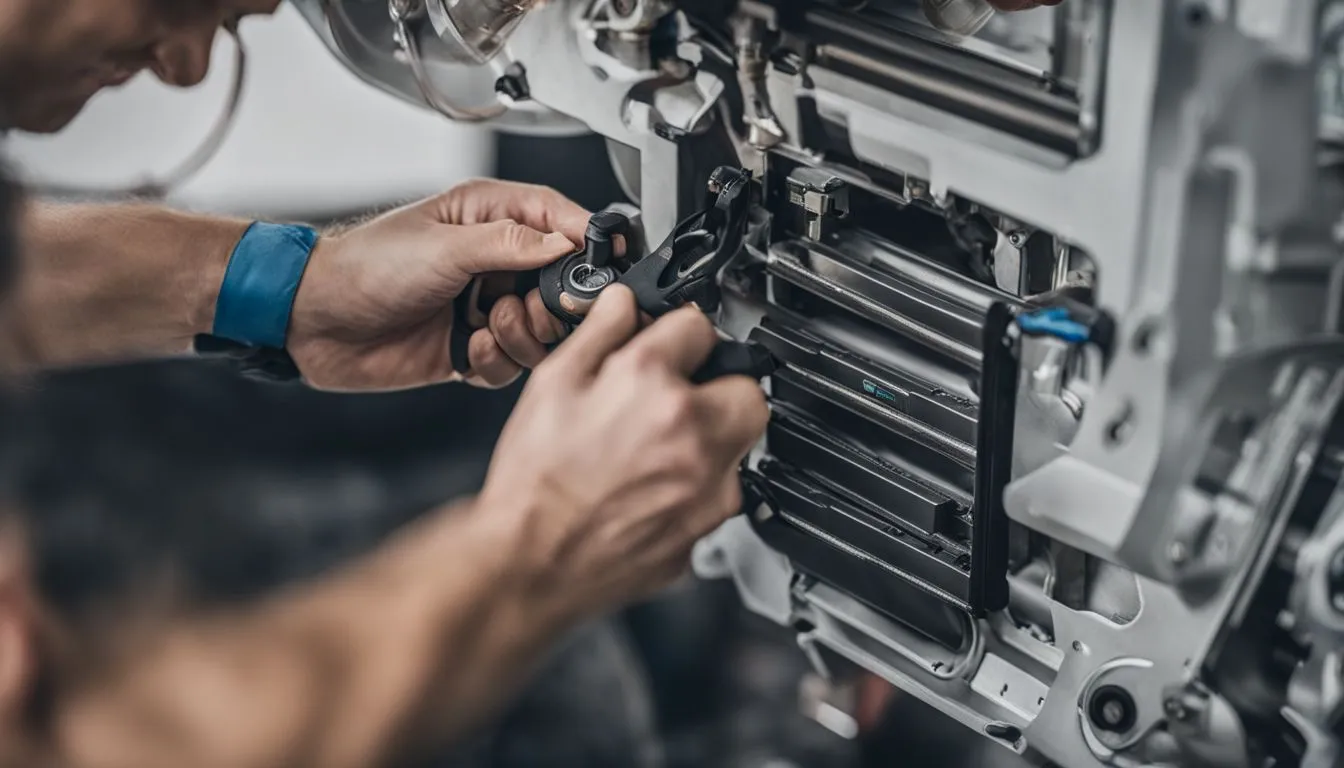
After exploring self-ligating bracket systems, we now turn our attention to the innovative SNOT technique, a critical tool for enhancing stability in locking brackets. This approach revolutionises how we secure brackets, providing unmatched bolt security and stability.
Here is our step-by-step guide on implementing SNOT for Stability:
- Start with Clean Surfaces: Ensure that both the bracket and the surface it’s attaching to are clean and dry. This cleanliness improves adhesion and prevents slippage.
- Apply Adhesive Sparingly: Use a high-quality adhesive but apply it sparingly. Too much glue can weaken the bond over time due to moisture entrapment.
- Position Brackets Carefully: Place your locking bracket precisely where you need it. Precision in placement ensures optimal performance and stability.
- Press Firmly: Once positioned, press the bracket firmly against the surface for at least 30 seconds. This pressure helps in forming a strong initial bond.
- Allow Adequate Curing Time: Let the adhesive cure for the recommended time before loading any weight onto the bracket. Rushing this process can compromise the stability.
- Check Alignment with a Level Tool: Use a level tool to ensure your brackets are perfectly aligned. Misalignment can lead to uneven forces on structures, reducing stability.
- Secure Bolts Properly: Tighten all bolts securely but avoid over-tightening which could strip threads or damage the bracket.
- Perform Regular Maintenance Checks: Schedule regular inspections of your brackets to ensure they remain tightly secured and free from damage or wear.
- Use Safety Equipment During Installation: Always wear appropriate safety gear such as gloves and eye protection when handling sharp or metal components during installation.
- Educate Your Team on Proper Techniques: Share these steps with your team to ensure everyone follows best practices for installing secure locking brackets safely and effectively.
SNOT Stud Reversal

We understand that securing brackets safely is critical in our industry, and one advanced technique we employ is the SNOT (Stud Not On Top) stud reversal method. This method enhances the stability and security of our locking brackets, proving essential in maintaining high safety standards.
Here’s a rundown on how we effectively implement SNOT Stud Reversal:
- Identify the application needs: We start by assessing where the SNOT method can best serve our project. This involves examining the structural requirements and determining how reversing the stud could improve bracket performance.
- Prepare for reversal: Our team then prepares the bracket and stud for reversal. We ensure all parts are clean, free from debris, and compatible with each other to facilitate a smooth process.
- Reverse the stud placement: Carefully, we reverse the direction of the stud so it’s positioned not on top but rather integrates into our desired location. This provides an unconventional yet secure attachment point for scaffolding or other structural supports.
- Apply locking washers and bolts: Next, we attach locking washers and bolts to secure the reversed stud firmly in place. These components play a crucial role in preventing loosening due to vibrations or environmental factors.
- Conduct a thorough inspection: Following installation, a detailed check ensures everything is correctly installed. This step verifies that our advanced technique has been applied correctly for maximum effectiveness.
- Regular maintenance checks: We commit to periodic inspections of our work, especially focusing on areas where SNOT Stud Reversal has been implemented. Through consistent monitoring, we uphold safety measures and prevent potential accidents before they occur.
- Record and report findings: Lastly, all observations from regular checks are documented thoroughly. These records help us track the longevity and reliability of our locking brackets over time, contributing to continuous improvement efforts in safety practices.
Using SNOT Stud Reversal not only increases efficiency but also boosts bolt security across various applications. Our commitment extends beyond mere implementation; we constantly seek ways to refine this technique for safer outcomes in every project we undertake.
Benefits of Using Advanced Techniques
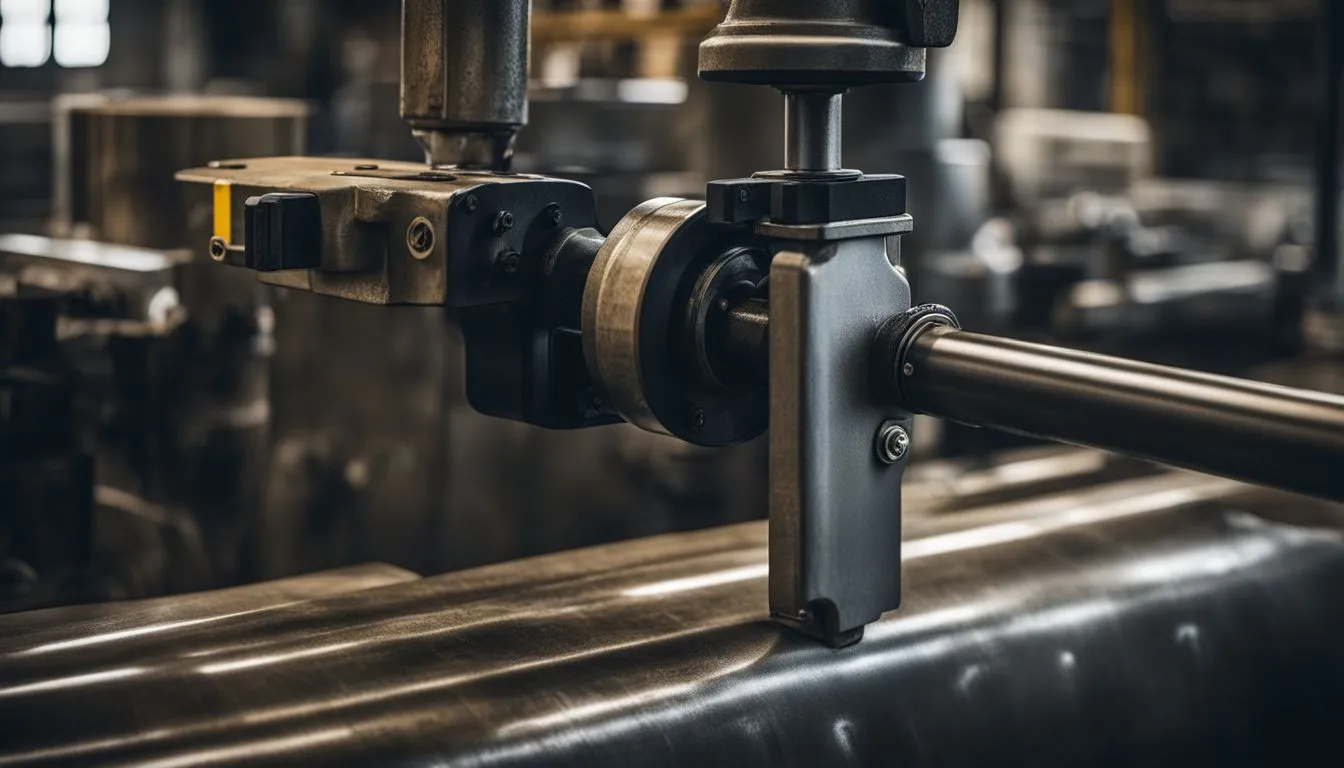
Using advanced techniques for securing locking brackets provides increased efficiency in leveling, improved bolt security, and lower maintenance costs. For more insights on the benefits of using these techniques, delve deeper into our content.
Increased Efficiency of Leveling
We’ve discovered that the use of advanced techniques for locking brackets significantly boosts efficiency in leveling. This means projects can move forward faster, and with greater precision.
Locking bracket systems, including those designed for orthodontic braces or scaffolding, benefit from a streamlined process that eliminates common hurdles.
These methods ensure a secure attachment every time, reducing the need for repeated adjustments and maintenance. Our experience shows that embracing these advanced strategies leads to smoother project timelines and enhanced stability in the final installation.
This approach not only saves time but also contributes to overall project success by ensuring each component functions optimally from the start.
Improved Bolt Security
Transitioning from achieving increased efficiency of levelling to ensuring improved bolt security is crucial for maintaining the overall stability and reliability of your locking brackets.
Securing bolts properly is essential in preventing potential structural issues that may result from loose or unstable connections. By implementing advanced techniques such as using washers designed to enhance bolt security, you can significantly reduce the risk of bracket malfunctions.
Use secure attachment bracket systems that prioritise safety measures for brackets, offering tailored solutions towards enhanced stability.
Regularly assessing the conditions of these fixtures and meticulously performing maintenance checks will not only ensure a safe environment but also safeguard against unexpected complications.
Lower Maintenance Costs
Lower maintenance costs are a significant advantage of utilising advanced techniques for securing brackets. Implementing sophisticated methods not only enhances the durability and stability of the bracket systems but also reduces the need for frequent upkeep.
This proactive approach results in substantial cost savings over time, making it an attractive investment for businesses. The robust security provided by these techniques minimises the risk of damage and loosening, ultimately leading to fewer maintenance requirements and associated expenses.
Implementing advanced locking bracket systems significantly decreases ongoing maintenance costs as they improve overall stability, reducing wear and tear on brackets. These strategic methods ensure that business owners can optimise their resources while maintaining structural integrity, resulting in long-term financial benefits.
Safety Precautions when Using Locking Brackets
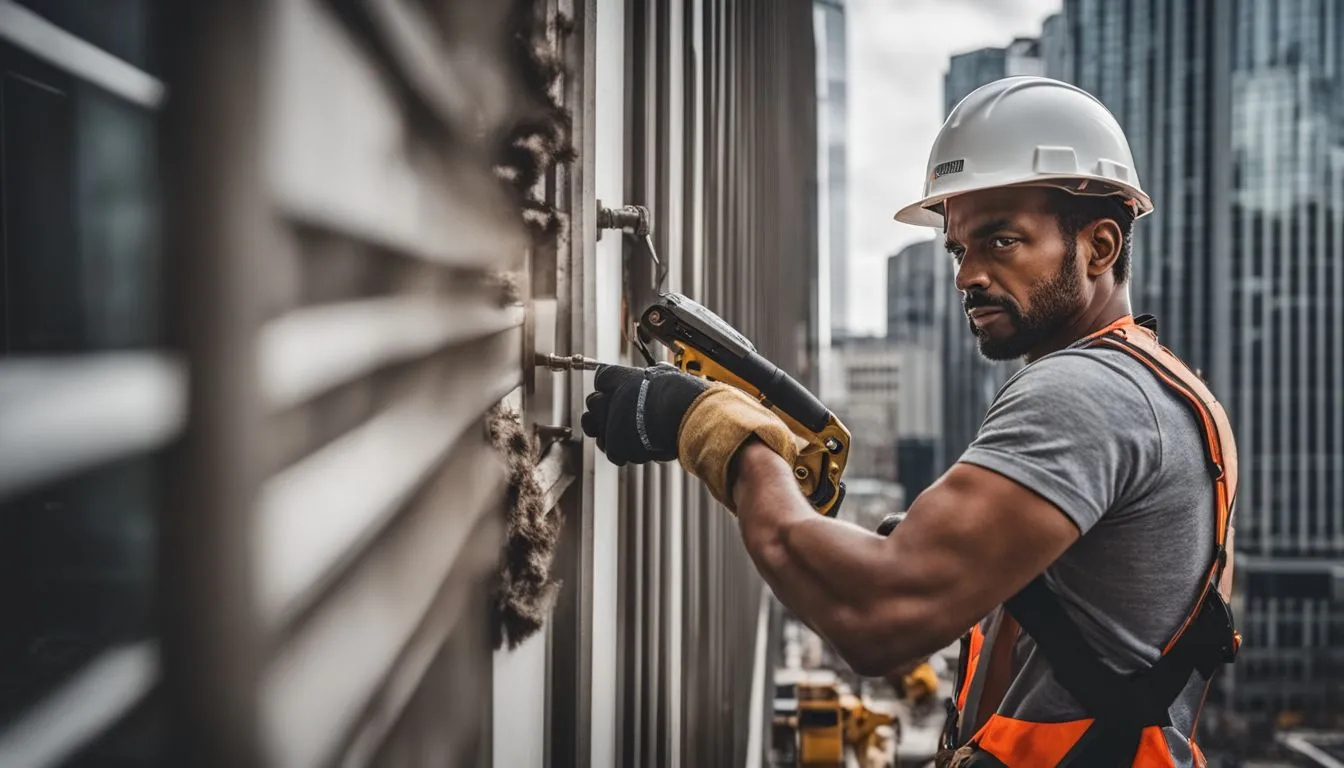
When using locking brackets, we always ensure proper installation, conduct regular checks and maintenance, and use safety equipment to maintain a safe working environment. Our focus remains on safety measures at all times.
Proper Installation
Ensuring proper installation of locking brackets is crucial for optimal functionality and safety. Here are the steps to follow:
- Begin by thoroughly cleaning and drying the surface where the bracket will be attached.
- Apply a small amount of adhesive to the back of the bracket and carefully position it on the tooth, ensuring proper alignment.
- Use a curing light to set the adhesive, following manufacturer’s guidelines for the recommended time and intensity.
- Double – check the placement and alignment of each bracket before moving on to the next one.
- After all brackets have been installed, make sure they are securely in place and take necessary steps to address any issues promptly.
It’s important to remember that proper installation lays a solid foundation for effective use of locking brackets in orthodontic treatments.
Regular Checks and Maintenance
Regular checks and maintenance are essential for the longevity and effectiveness of locking brackets. It’s crucial to maintain a consistent schedule for checking and maintaining the brackets to ensure their proper function. Here are some key actions to include in your regular checks and maintenance routine:
- Inspect the brackets for any signs of damage or wear, such as loose bolts or washers.
- Ensure that the locking mechanism is functioning properly and securely fastened.
- Clean the brackets thoroughly, removing any debris or buildup that may affect their stability.
- Check for any signs of corrosion or rust, especially in metal brackets, to prevent structural compromise.
- Verify that all components are securely in place, including SNOT studs or self – ligating bracket systems.
- Conduct regular tightening of bolts and washers to maintain optimal stability.
By integrating these regular checks and maintenance tasks into your practice, you can uphold the safety and effectiveness of locking brackets, minimising the risk of accidents or malfunctions.
Use of Safety Equipment
When using locking brackets, safety equipment is essential to protect both the workers and the equipment itself. It is advisable to have the following safety equipment available and in good working condition:
- Safety Goggles: Protective eyewear shields the eyes from any debris or small particles that may be dislodged during installation or maintenance.
- Gloves: Well-fitting work gloves safeguard against cuts, abrasions, and sharp edges, providing a barrier between hands and potential hazards.
- Hard Hats: Head protection is crucial in areas where there is a risk of falling objects or bumps to the head during installation or maintenance tasks.
- Safety Boots: Sturdy footwear with reinforced toes defends against foot injuries from heavy objects or accidental impact.
- Hearing Protection: Earplugs or earmuffs help reduce exposure to excessive noise levels during activities such as drilling or using power tools.
- Respiratory Protection: Masks or respirators are vital when working in environments with dust, fumes, or other airborne particles.
- Fall Protection Equipment: For work at heights, fall arrest systems including harnesses and lanyards should be used to prevent serious injuries from falls.
- First Aid Kit: Having a fully stocked first aid kit readily accessible ensures prompt treatment for minor injuries on-site.
Deep Dive into Locking Bracket Safety Measures
Let’s delve into the intricacies of locking bracket safety measures, essential for ensuring the security and stability of orthodontic systems. When it comes to orthodontic practices, safety is our utmost priority.
Proper installation of locking brackets lies at the core of their efficacy. Regular checks and meticulous maintenance are crucial to guaranteeing their robustness over time. Utilising appropriate safety equipment underpins our commitment to preventing accidents within the realm of orthodontics.
These tailored measures not only enhance patient care but also contribute significantly towards maintaining a safe environment within dental practices.
In an ever-evolving industry such as dentistry, advanced bracket usage calls for a proactive approach to securing brackets in place safely and effectively. Safety precautions for brackets are designed to uphold precision and prevent any form of mishap or malfunction that may be daunting for both dental professionals and patients alike.
Unlocking the secrets behind optimal bracket security involves implementing strategies that ensure reliable support while mitigating any potential risks associated with traditional methods.
Conclusion
In wrapping up, we’ve explored advanced techniques for using locking brackets safely. We’ve delved into strategies that enhance the efficiency of bracket application and maintenance, underpinning their practicality and ease of implementation.
Have you considered how these methods could revolutionise your approach to orthodontic practices? Why not implement these tactics in your business today? These measures hold the potential for significant improvements in safety standards and overall functionality within the dental realm.
The impact of adopting such innovative techniques cannot be overstated; it’s a game-changer! If you’re seeking more than just surface-level solutions, this is where you unlock the secrets to elevating your practice.
Sorting out lockout for your own site?
Describe what needs isolating and we'll help you work out the setup that fits.