
Ensuring the old workplace is a safe zone from those nasty surprise mishaps can be a real tricky task. We get it because we’ve been in your shoes, mate. And get this – sticking to lockout tagout rules helps dodge around 250,000 sticky situations each year! We’ve had a proper squizz at lockout safety locks and I’ll tell you what, they’re fair dinkum when it comes to keeping your crew out of harm’s way.
So settle in and have a read for some top-notch info that can help keep everyone protected on the job.
Understanding Lockout Safety Locks
Lockout safety locks are essential in securing equipment and machinery to prevent accidental activation or energy release. Different types of locks, such as pin tumbler, lever, wafer, warded, and disc detainer locks, offer various levels of security to suit specific needs.
Pin Tumbler Locks

Pin tumbler locks stand as a reliable fortress in our lockout safety strategy. They operate with a set of pins that must be aligned perfectly before the lock will open, much like solving a puzzle only the right key can complete.
This makes them an excellent choice for business owners who require robust security to protect against unauthorised access during maintenance or equipment isolation.
We use these high-security padlocks because they offer superior protection. Their design includes a variety of pin lengths which means picking them is no simple feat, serving as a deterrent to tampering and ensuring your assets stay secured and safe.
For those of us responsible for safeguarding high-risk jobs and electrical lockouts, integrating pin tumbler locks into our lockout tagout procedures offers peace of mind by significantly enhancing workplace safety equipment’s effectiveness.
Lever Locks

Lever locks offer a reliable security solution for business owners looking to protect their assets and ensure workplace safety. Known for their sturdy design, these locks use a set of levers that must align perfectly with the key bitting to unlock, providing an extra layer of protection against picking or tampering.
They’re well-suited for high-risk job environments where robust equipment isolation is critical.
Employing lever locks as part of your lockout strategy can greatly enhance the safe maintenance practices within your facility. Their durability makes them ideal in settings exposed to wear and tear, while some models feature corrosion-resistant materials ensuring long-term reliability even in harsh conditions.
Trust lever locks to serve as a guardian against unauthorised access, helping you maintain control over hazardous energy prevention effectively.
Wafer Locks

Wafer locks stand out with their unique structure, featuring flat wafers instead of the traditional pins found in other lock types. They’re a solid choice for business owners seeking a balance between affordability and security.
These locks use a set of wafers that align with the correct key, allowing smooth operation while making it difficult for unauthorised access.
Opting for wafer locks means you get durable protection without breaking the bank. They are commonly used in furniture, cabinets, and some vehicle doors and ignitions. We like to recommend them when high-security isn’t paramount but preventing casual tampering is essential.
Their design resists picking attempts more than standard cabinet locks and provides an added layer of safety within your workplace or commercial space.
Warded Locks

Warded locks offer a straightforward mechanism that has stood the test of time in providing security. They function with a set of obstructions, or wards, which prevent the wrong key from turning.
When using warded locks, we choose a design that allows only the correct key shape to turn and open the lock. These locks are particularly useful for situations where simplicity and durability are paramount.
Our focus on workplace safety means considering all types of locking mechanisms, including warded locks which have proved reliable in low-risk areas. Moving forward, it’s essential to explore disc detainer locks as another option for securing our business assets effectively.
Disc Detainer Locks
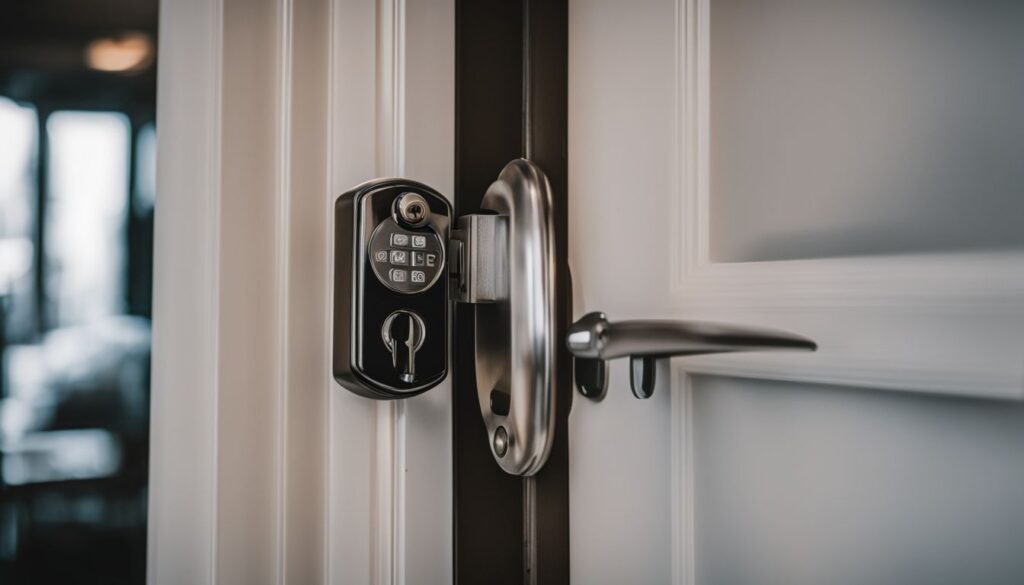
Disc detainer locks offer a high level of security for our businesses, using slotted rotating discs as an alternative to traditional pin tumbler mechanisms. Each disc must align perfectly with the sidebar in order for the lock to open, making them tougher for would-be intruders to pick or drill.
Their complex structure demands specific tools and knowledge to manipulate, providing peace of mind that our premises remain secure and safe.
We reckon these locks are ideal where durability and resistance against tampering are top priorities. The unique configuration not only deters attacks but also withstands harsh environmental conditions.
Let’s explore how integrating disc detainer locks into our safety protocols enhances protection, especially in areas exposed to outdoor elements or heavy use. Moving forward, we’ll delve into another crucial aspect of lockout safety – Key Mechanisms of Lockout Safety Locks.
Key Mechanisms of Lockout Safety Locks
Pin cylinder locks and wafer tumbler locks are the key mechanisms in lockout safety devices, providing secure and reliable protection for equipment isolation. Understanding these mechanisms is crucial for ensuring workplace safety and preventing hazardous energy from causing accidents.
Pin Cylinder Locks
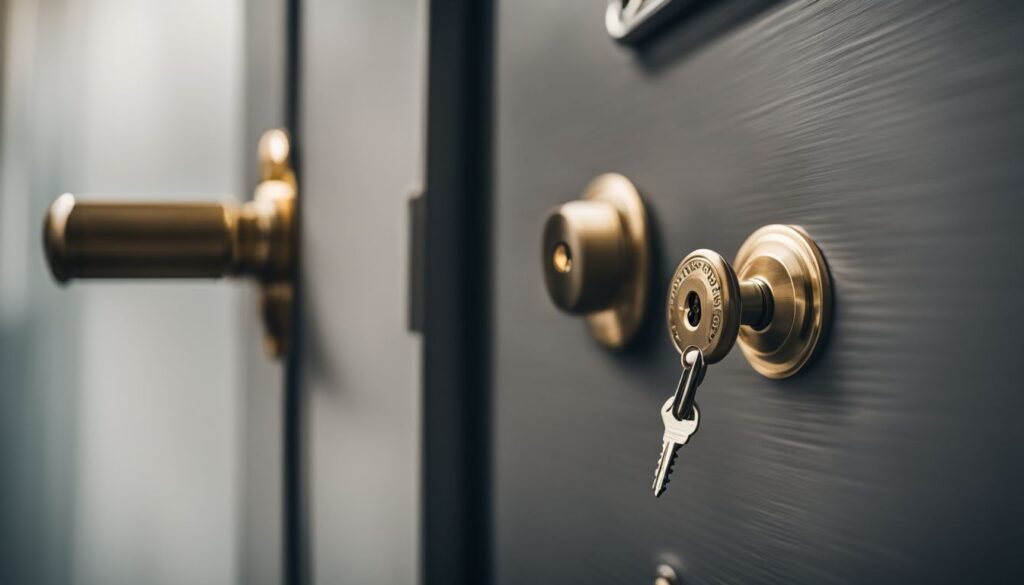
We understand the importance of safeguarding our business’s crucial assets, and pin cylinder locks play a key role in achieving that level of security. These locks are renowned for their durability and resistance to manipulation, thanks to their unique mechanism that employs pins of varying lengths which align perfectly with the correct key.
It’s this precision engineering that makes them a top choice for lockout safety devices.
Opting for pin cylinder locks means you’re investing in a proven design; one that has stood the test of time for securing facilities, intellectual property, and physical assets against unauthorised access.
Embrace these high-security padlocks as your first line of defence—they’re an essential component in creating a secure work environment where hazards associated with unexpected energising or startup are effectively neutralised.
Wafer Tumbler Locks

Wafer tumbler locks offer a reliable solution for securing our facilities and protecting against unauthorised access. These locks work with flat wafers inside the cylinder that align with the correct key, allowing it to turn smoothly.
Unlike pin tumblers, they have fewer components and can be more compact, making them an excellent choice for small lock designs in our workplace safety equipment.
Our commitment to a safe work environment includes choosing durable lockout locks like wafer tumblers that stand up well to wear and tear. Opting for these ensures resistance from picking or other bypass methods due to their unique mechanism.
They serve as an effective line of defence in high-risk jobs where controlling access is crucial for protection against hazardous energy incidents. Let’s harness their potential by integrating wafer tumbler locks into our security padlocks system, ensuring we secure every vulnerable point effectively.
The Role of Lockout Devices in Safety
Lockout devices play a crucial role in safety by preventing machines from energising during maintenance or servicing. They offer different types of control mechanisms to ensure the equipment is properly isolated, minimising the risks and hazards associated with high-risk jobs.
Preventing Machine or Equipment Energising
When isolating machines or equipment, it is crucial to prevent them from energising unintentionally. Always use lockout devices that effectively secure the energy isolation points.
Utilise control mechanisms such as padlocks and safety locks designed specifically for shutting down power sources and preventing re-energisation. By implementing these practices, you ensure a safer work environment for your employees and reduce the risk of accidents related to hazardous energy.
Consider using durable and non-conductive safety locks that are resistant to corrosion while selecting the right lockout devices. Prioritise high-security padlocks to guarantee ultimate protection against unauthorised access during maintenance or repair works.
Types of Control Mechanisms
Lockout safety locks employ various control mechanisms to ensure workplace safety. These mechanisms include:
- Keyed Different: Each lock is operated by a different key, preventing unauthorised access.
- Keyed Alike: Multiple locks are operated by the same key, streamlining lockout procedures for convenience and efficiency.
- Master Keyed: Ideal for complex systems, where one master key can open multiple locks whilst each lock also has its unique key.
- Combination Locks: These innovative locks require a specific combination to unlock, adding an extra layer of security.
- Electrically or Mechanically Controlled Locks: These locks utilise electric or mechanical controls to restrict access and provide additional safety measures.
The Potential of Locking Brackets: A Comprehensive Guide
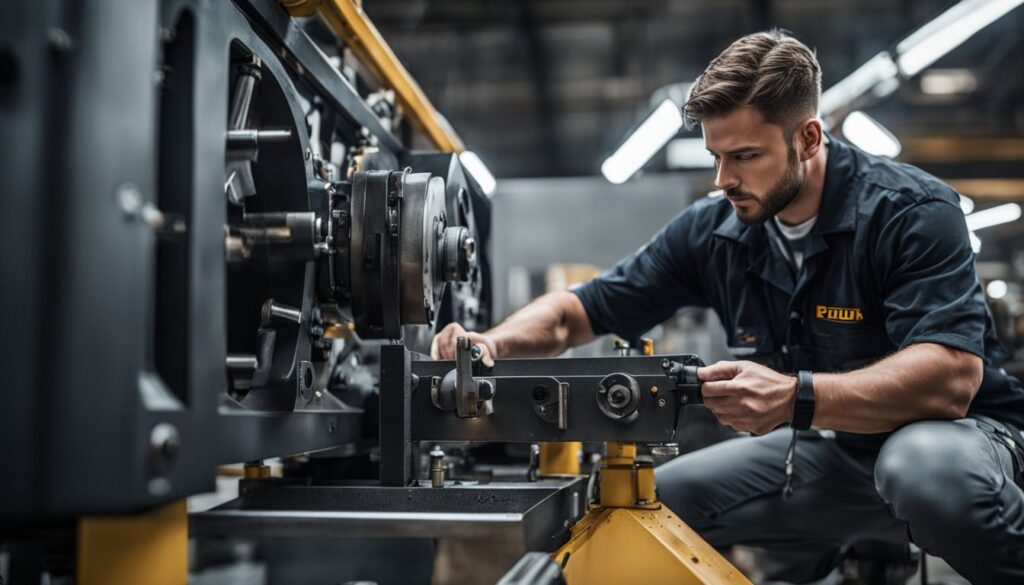
Locking brackets offer a versatile and secure solution for lockout safety. These brackets are designed to fit various types of machinery, which makes them ideal for protecting a wide range of equipment, from valves and switches to larger industrial machines.
By securely holding padlocks in place during maintenance or repair work, they help prevent accidental energising and ensure the safety of employees and contractors working on the equipment.
Additionally, these brackets support the use of multiple padlocks when more than one person is involved in the maintenance process, providing an extra layer of security.
Business owners can harness the potential of locking brackets by integrating them into their lockout tagout procedures. By utilising these brackets effectively, businesses can enhance workplace safety by preventing unauthorised access to hazardous energy sources.
Furthermore, incorporating durable and non-conductive materials ensures that locking brackets can withstand harsh industrial environments while maintaining electrical safety standards.
This comprehensive guide empowers business owners with practical insight into maximising the potential of locking brackets as part of their overall lockout safety strategy.
ABUS Industrial Safety: A Case Study

ABUS Industrial Safety showcases a prime example of effective lockout safety implementation in high-risk work environments. By embracing the use of durable lockout locks and advanced security padlocks, ABUS ensures the protection of its workforce and equipment from hazardous energy exposure.
The application of non-conductive locks and corrosion-resistant padlocks proves crucial for ensuring ultimate workplace safety and equipment isolation.
This case study demonstrates how adopting high-security padlocks can mitigate potential risks associated with electrical lockouts, fostering a secure environment within industrial settings.
Furthermore, through meticulous maintenance lockout procedures and the incorporation of modern equipment isolation techniques, ABUS highlights the practical advantages of prioritising employee safety while maintaining operational efficiency.
Choosing the Right Lockout Safety Padlocks
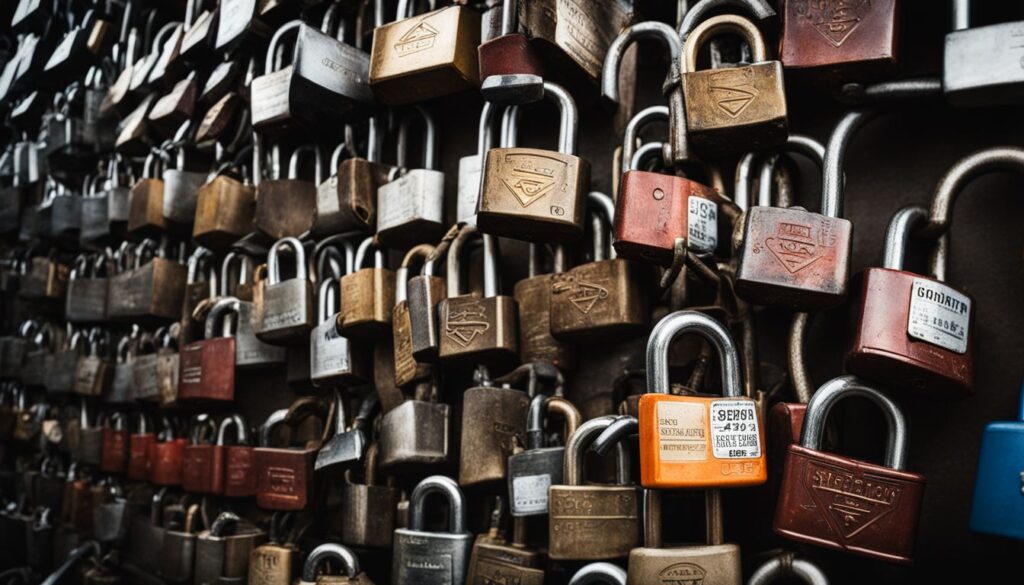
Considerations in selection include durability, non-conductive and corrosion-resistant materials, the right key system, and safety features. Learn more about the crucial aspects of choosing the best lockout safety padlocks for ultimate protection.
Considerations in Selection
When selecting lockout safety padlocks, consider the following:
- Key System: Ensure that the key system offers high security and is resistant to duplication. This feature helps in maintaining strict control over who can access the locked equipment or machinery.
- Durability: Look for durable padlocks made from non-conductive and corrosion-resistant materials to ensure they remain effective in harsh environments.
- Customisation Options: Consider padlocks that offer options for customising labels or markers, allowing for clear identification and easy management of multiple lockout devices.
- Compatibility with Lockout Devices: Choose padlocks that are compatible with a variety of lockout devices, such as hasps and valves, to enable comprehensive isolation of energy sources.
- Compliance with Standards: Ensure that the selected padlocks comply with relevant safety standards and regulations, providing peace of mind regarding their effectiveness in hazardous energy prevention.
- Key Retention Options: Opt for padlocks equipped with options for key retention when unlocked to prevent them from being removed until after the equipment is safely re-energised.
- Master-Keying Possibilities: Evaluate the potential for master-keying systems if required, allowing authorised personnel to access multiple lockout points using a single key while maintaining security protocols.
The Right Key System
When selecting padlocks for your lockout safety systems, it is crucial to consider the right key system. This system ensures that each employee has access only to the designated locks and prevents unauthorised use of keys.
By implementing a secure key management process, you can mitigate the risk of tampering or misuse of lockout devices, contributing to a safer work environment.
Investing in padlocks with a safe key system not only enhances security but also streamlines operations by minimising the potential for errors or confusion during equipment maintenance and lockout procedures.
SafeKey Lockout Padlocks
SafeKey Lockout Padlocks are a crucial component in ensuring workplace safety and equipment isolation. These durable lockout locks provide high-security protection, safeguarding against hazardous energy and preventing unauthorised access to machinery or equipment.
With their nonconductive and corrosion-resistant features, SafeKey Lockout Padlocks offer the ultimate security solution for high-risk jobs and electrical lockouts. Their robust design ensures reliable performance, making them an essential part of any maintenance lockout procedure.
Investing in SafeKey Lockout Padlocks is a proactive step towards creating a secure work environment. Implementing these high-security padlocks not only protects your employees but also safeguards valuable equipment from potential damage or misuse.
By incorporating SafeKey Lockout Padlocks into your workplace safety protocol, you can harness their potential to provide the ultimate level of protection for both personnel and machinery.
Streamlining Lockout Procedures for Ultimate Protection

For ultimate protection, streamlining lockout procedures is crucial. Using standardisation and organising with colour-coding and labelling can help to ensure efficient and effective lockout processes.
Using Standardisation
- Establishing a Uniform Lockout Policy: Developing a comprehensive policy that outlines procedures and protocols for all lockout situations promotes a standardised approach across different departments and equipment types.
- Implementing Standardised Lockout Equipment: Using consistent locks, tags, and devices across the facility ensures that employees are familiar with the tools and can effectively execute lockout procedures when needed.
- Providing Uniform Training Programmes: Offering standardised training programmes for all employees involved in lockout procedures ensures that everyone understands the protocols and can perform their duties competently.
- Regularly Reviewing and Updating Standardised Procedures: Continuously reviewing and updating standardised procedures based on feedback, incident reports, or changes in equipment ensures that the lockout processes remain effective and relevant to evolving workplace needs.
Organising with Colour-Coding and Labelling
We can effectively streamline the lockout procedures by organising with colour-coding and labelling. This ensures clarity and ease in identifying different types of lockout devices and their corresponding equipment or machinery.
- Assigning specific colours to different types of energy sources or equipment helps workers quickly identify the nature of the lockout situation, minimising confusion and potential errors.
- Implementing clear and standardised labels on lockout devices provides essential information about the associated equipment, maintenance schedule, and contact details for responsible personnel.
- Posting visible charts or diagrams depicting the colour – coding system and its application throughout the workspace aids in reinforcing understanding and compliance among all employees.
- Regularly reviewing and updating the colour – coding system to align with any changes in equipment or industry regulations is essential to maintaining an effective organisational strategy.
- Providing comprehensive training for employees on the meaning of each colour code and its implications for lockout procedures fosters a workplace culture that values safety and adherence to protocols.
Utilising Lockout Tagout Devices
When it comes to maintaining a secure and safe work environment, utilising lockout tagout devices is crucial. This practice ensures that equipment and machinery are properly isolated and labelled during maintenance or servicing activities. Here’s how lockout tagout devices play a vital role in workplace safety:
- Lockout tagout devices provide a visual indication to employees that machinery or equipment is undergoing maintenance, indicating that these should not be operated. This prevents accidental energising of machines, safeguarding against hazardous energy release.
- They help in identifying the personnel responsible for the maintenance or servicing of specific equipment, promoting accountability and ensuring proper procedures are followed.
- Lockout tagout devices come in various forms such as lockout hasps, cable lockouts, valve lockouts, and electrical lockouts, catering to different types of machinery and equipment.
- These devices can be equipped with customisable tags to include information about the nature of maintenance being carried out as well as contact details for the responsible personnel.
- Employing standardised lockout tagout procedures across all departments ensures consistency and clarity in safety protocols throughout the organisation.
- Regular training on the use of lockout tagout devices enhances employee awareness about the importance of their usage in preventing accidents and injuries.
- Implementing these devices demonstrates compliance with regulatory safety standards, reducing legal liabilities and potential fines associated with workplace safety violations.
- Incorporating digital or smart lockout tagout systems can provide real – time tracking and monitoring of equipment isolation status, further enhancing workplace safety measures.
- Utilising these devices helps foster a culture of safety within the organisation, emphasising the importance of prioritising employee well-being above operational expediency.
Conclusion

In conclusion, the strategies discussed in this article offer practical and efficient ways to enhance workplace safety. Implementing these approaches can lead to significant improvements in security and protection.
Remember to further explore additional resources or services for continued learning. We encourage you to take action and prioritise the safeguarding of your business environment using lockout safety locks.
This commitment will ensure a secured and safe working environment for all employees.


