
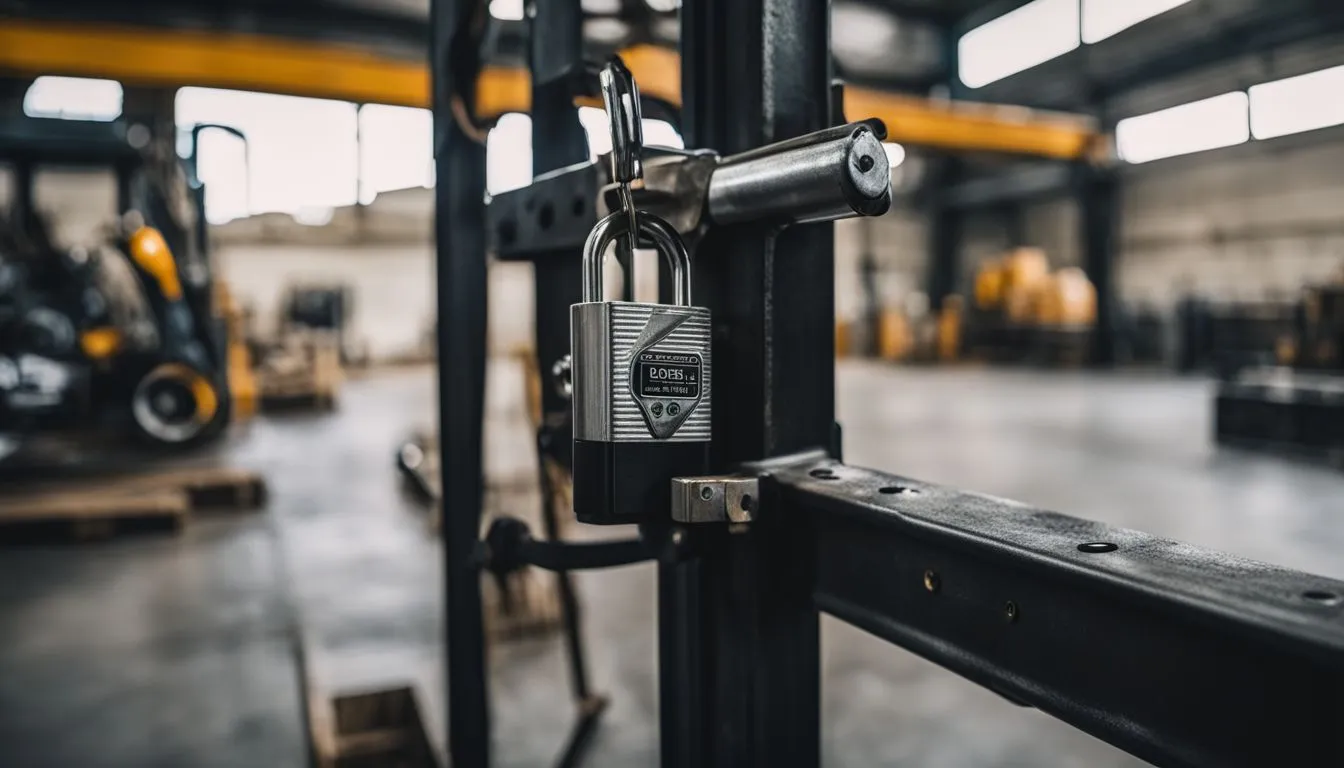

Ensuring workplace safety is no walk in the park, especially when it comes to keeping tabs on equipment maintenance and operation. We get it – you’re up to your elbows in regulations and guidelines, trying to make sense of it all.
But fear not, we’ve done the hard yards for you, breaking down the nitty-gritty into something digestible. Let us take you on a journey through LOTO, Lockout Tagout, and unveil how nifty safety locks are absolute game-changers when it’s about dodging mishaps.
Settle in as we unpack the ins and outs of shipshape lockout procedures, tailored just for your peace of mind.
Understanding LOTO: Definition and Purpose

LOTO stands for Lockout Tagout, a crucial safety procedure that we use to ensure that dangerous machines are properly shut off and can’t be started up again before the completion of maintenance or repair work.
It involves placing a lock and tag on an energy isolating device, making sure that the equipment remains inoperative while workers perform necessary tasks. This method prevents accidental startup of machinery, which could lead to severe injuries or even fatalities.
We need LOTO systems in place because they save lives. They’re designed to isolate hazardous energy sources from machines and equipment during service or maintenance activities. By following strict LOTO protocols, we protect our employees from harm caused by unexpected energisation, release of stored energy, or reactivation of equipment.
It’s not just about compliance with safety standards; it’s about creating a work environment where everyone knows they’re looked after. Safety is non-negotiable for them – it’s embedded in every action they take regarding their machinery operations and maintenance procedures.
Significance of LOTO in Safety Compliance

Having established what LOTO stands for, let’s focus on its indispensable role in maintaining safety compliance. Lockout Tagout procedures are not just a set of guidelines; they’re a fundamental safeguard against the release of hazardous energy during service and maintenance activities.
Imagine workers performing their duties with the confidence that machinery is securely shut down and cannot be started up unexpectedly. This peace of mind directly translates into fewer accidents, protection from severe injuries, or even fatalities.
We understand that following these procedures rigorously is key to creating an environment where safety is paramount. Ensuring all energy sources are effectively isolated before any repair or maintenance work begins is essential for preventing mishaps.
It’s about more than compliance with OSHA regulations, it’s about fostering a culture where workplace safety takes centre stage and accidental machine startup becomes a thing of the past.
It signifies our commitment to protecting both our workforce and business operations from unforeseen dangers posed by industrial equipment and electrical circuits, creating safer workplaces everyone can rely on.
Differentiating Lockout and Tagout Procedures

Lockout procedures are all about putting a strong lock on energy isolating devices. This ensures that equipment can’t be powered up accidentally during maintenance. They use sturdy locks and keys, specific to each worker, to eliminate any chance of the machinery starting unexpectedly.
It’s like putting a padlock on potential hazard, making sure only those with the key can access it.
Tagout is slightly different; think of it as leaving a warning sign. With tagout, we attach tags that alert others not to power up the equipment because someone is working on it. These tags are highly visible and include necessary details such as who is responsible for them and why the lockout is in place.
They’re essential visual cues in workplace safety but remember they don’t physically block machinery from being turned on – that’s what makes combining them with lockouts so effective.
Moving forward, let’s delve into the variety of LOTO devices available; these tools play a crucial part in safeguarding our workers from harm related to unexpected energisation or startup of machines and equipment.
Types of LOTO Devices

From electrical LOTO devices to valve lockouts, there are various types of lockout-tagout devices designed to isolate energy sources during maintenance and repair. Each type serves a specific purpose in ensuring workplace safety and compliance with regulations.
Electrical LOTO devices

We understand the importance of keeping our team safe from electrical hazards during machine maintenance. Electrical Lockout/Tagout (LOTO) devices play a crucial role in this process.
These devices secure various types of energy isolating equipment, including disconnect switches, push-button selectors, and control panels. By applying these safety devices to an isolated electrical source, they ensure that machinery cannot be powered up unexpectedly.
This is essential in avoiding accidents and ensuring workplace safety.
Our use of electrical LOTO gadgets extends beyond just lockout hasps or padlocks; it includes plug covers, switch locks, and even multi-purpose cable locks that cater to all sizes of plugs and switches.
Each device is designed to withstand tampering and keep the key secured with the authorised person until the work is complete. Trusting in their robustness means peace of mind for us as business owners, it’s about taking proactive steps to prevent potential incidents related directly to electrical circuits or equipment startup procedures before they occur.
Circuit breaker lockout devices
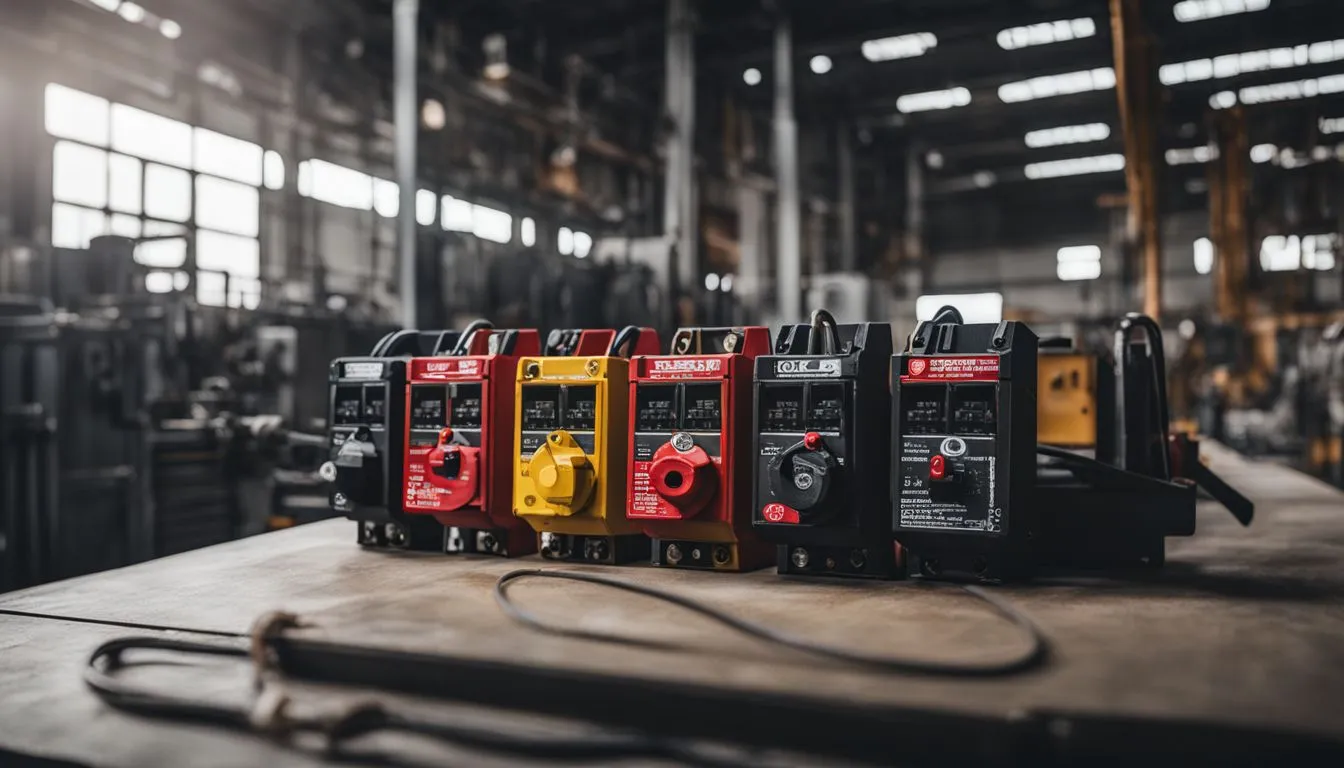
Circuit breaker lockout devices are a key player in the game of workplace safety, particularly when it comes to managing electrical hazards during equipment maintenance. These specialised tools fit snugly over circuit breakers, effectively preventing them from being inadvertently switched on while maintenance work is underway.
It’s a straightforward yet powerful way to ensure that machinery remains dormant and safe for workers performing their tasks.
Implementing these lockout devices as part of your LOTO procedures not only safeguards employees from electrical incidents but also ensures compliance with OSHA regulations. TUFFA sells lockout padlocks, circuit breaker and electrical lockouts, and lockout kits.
Valve lockouts

Valve lockouts are essential tools in our LOTO arsenal, designed to ensure that the valves on industrial equipment are securely closed during maintenance. These devices physically block the valve handle from being turned, effectively isolating energy and preventing accidental machine startup.
They understand the intricacies of machinery safety and hence, advocate for high-quality valve lockouts that can withstand harsh industrial environments.
These sturdy devices come in various shapes and sizes to fit different types of valves such as ball, gate, or butterfly valves. Securing these devices is a proactive step towards accident prevention and adhering to strict workplace safety protocols.
With each secured valve, we reinforce our commitment to creating an environment where energy isolation isn’t just a regulation, it’s part of our culture of safety first.
Now let’s turn our attention to another crucial aspect of LOTO: The role that lockout safety locks play in this vital process.
Role of Lockout Safety Locks in LOTO
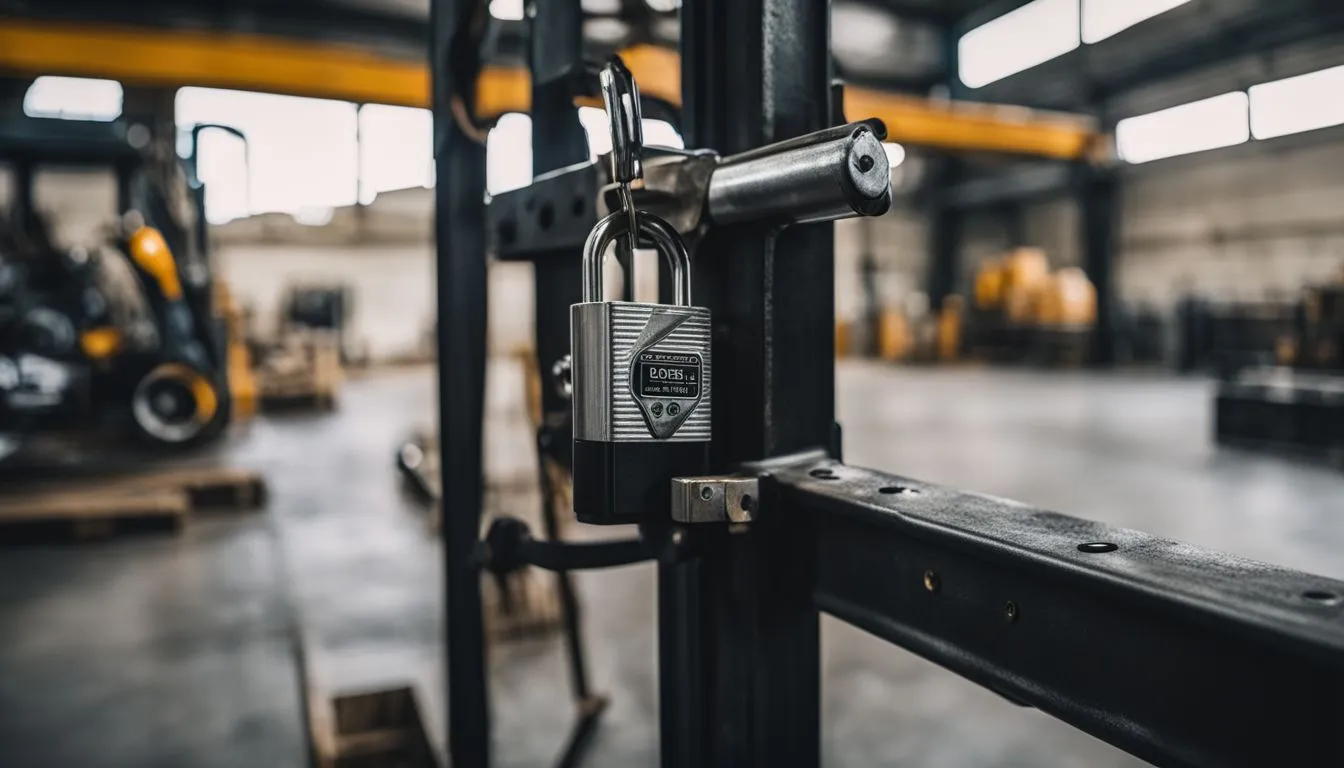
Lockout safety locks are the sentinels of a LOTO procedure, guarding against unexpected energisation or startup of machinery and equipment during maintenance. These locks work as physical barriers for energy isolating devices, ensuring that once locked out, the device cannot be operated until maintenance is complete and the lock is removed by an authorised person.
We understand their pivotal role in accident prevention within industrial settings, providing an additional layer of security beyond tagouts. Locks hold firm under various conditions, making them a reliable choice to safeguard our workers from hazardous energy releases during critical operations with machines and electrical circuits.
Through responsible use of lockout safety locks, we fortify workplace safety and adhere strictly to OSHA regulations – not just complying with laws but actively protecting lives on the ground.
The Potential for Ultimate Protection Using Lockout Safety Locks

Lockout safety locks provide the ultimate protection by physically preventing the re-energisation of machinery or equipment. Using a robust lockout safety lock ensures that no one can inadvertently start up a machine while it’s undergoing maintenance or repair, offering unparalleled peace of mind in workplace safety.
These locks act as a visible barrier to hazardous energy sources and are instrumental in preventing accidents related to unexpected start-ups, making them an indispensable part of any comprehensive LOTO program.
Implementing lockout safety locks not only complies with safety regulations but also safeguards against potential liabilities stemming from avoidable accidents. The high reliability and ease of use make these locks an essential investment for minimising risk during equipment maintenance procedures and ensuring worker well-being.
Importance of Training in LOTO Implementation

Training holds immense importance in LOTO implementation. Well-trained employees are equipped with the knowledge and skills necessary to identify potential energy sources, assess risks, and execute proper lockout procedures.
Comprehensive training ensures that workers understand the purpose of LOTO, can effectively use safety locks, and recognise when specific devices should be utilised in different scenarios.
Proper education on LOTO empowers individuals to prioritise workplace safety by adhering to established protocols. It also cultivates a culture of responsibility and accountability among employees, leading to a safer operational environment where accidents related to hazardous energy isolation are significantly reduced.
In essence, investing in thorough training for all personnel involved in equipment maintenance and operation is integral to effective LOTO implementation and upholding stringent safety standards within the organisation.
Adherence to Australian Standards in LOTO Procedures

After understanding the vital role of training in LOTO implementation, it is imperative to ensure adherence to Australian standards in LOTO procedures. These standards are designed to safeguard workers and equipment by providing clear guidelines for the proper execution of lockout tagout procedures.
Adhering to these standards not only ensures compliance with regulations but also promotes a safer work environment, reduces the risk of accidents, and enhances overall workplace productivity.
By aligning with Australian standards in LOTO procedures, businesses demonstrate their commitment to prioritising employee safety and well-being. This proactive approach ensures that lockout tagout processes are executed effectively and in accordance with established best practices, ultimately contributing to a secure and productive working environment.
Conclusion

In summary, we’ve delved into the definition and importance of LOTO procedures in ensuring workplace safety. The practicality of implementing lockout safety locks has been emphasised to streamline equipment maintenance and prevent accidents.
How are you planning to integrate these strategies into your workplace safety protocols? Remember that prioritising LOTO can lead to significant improvements in machinery safety and accident prevention.
As you continue exploring this critical aspect of workplace safety, remember that with proper implementation comes enhanced safety for all employees. Ready to take the next step towards a safer work environment?
Sorting out lockout for your own site?
Describe what needs isolating and we'll help you work out the setup that fits.