
Workplace injuries from a surprise burst of energy are a real worry for us business owners. We’re all too aware of these hazards and the importance of tip-top safety measures; in fact, stats show that sticking to proper lockout tagout steps can dodge thousands of injuries every year. We’ve taken a good hard look at lockout safety and found some ripper strategies to keep your team out of harm’s way. Learn how choosing the best locks is a game-changer for workplace safety.

Understanding Lockout Tagout for Workplace Safety
When it comes to workplace safety, understanding the concept of Lockout Tagout is crucial. This involves the use of specific procedures and devices to prevent the unexpected energisation or startup of machinery and equipment, protecting workers from hazardous energy sources.
What is Lockout Tagout?
Lockout Tagout is a safety protocol crucial for protecting our workers from the harm that can come from unexpected energisation or startup of machinery and equipment. It involves placing a lock and tag on energy-isolating devices to ensure hazardous energy sources are safely shut off during maintenance or repair work.
This process helps prevent accidents, injuries, and even fatalities by making certain that machines stay powered down until the lock is removed by an authorised person.
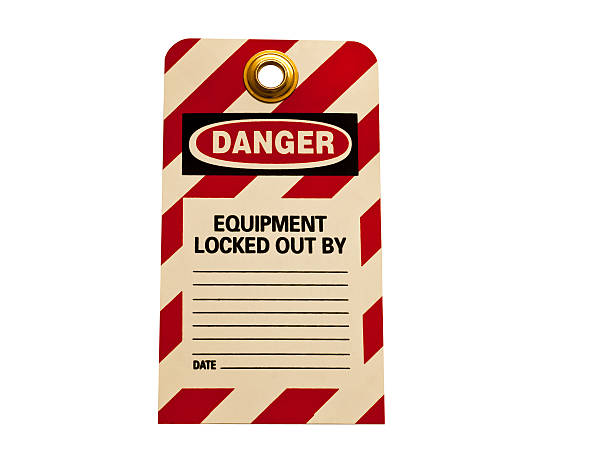
Our team advocates strict adherence to Lockout Tagout procedures as it forms a defensive barrier against workplace mishaps. Each lock and tag carries specific information about the maintenance in progress, including who is responsible for the machine lockdown.
We know this system isn’t just about following rules; it’s about fostering a culture of safety where every employee knows their life is valued above everything else. Using correct Lockout Tagout practices ensures we maintain control over industrial hazards, keeping our workforce secure and operations running smoothly without risk of injury or interruption due to uncontrolled release of dangerous energies.
Importance of Lockout Tagout Procedures and Compliance
To ensure a safe work environment and prevent accidents, it is crucial to prioritise the implementation and compliance of lockout tagout procedures. This includes properly isolating hazardous energy sources during maintenance or servicing of machinery, which helps in safeguarding workers from potential harm.
Adhering to lockout tagout protocols not only reduces the risk of workplace injuries but also promotes a culture of safety and responsibility among employees. Compliance with these procedures ensures that equipment is effectively shut down and de-energised before any maintenance or repair work begins, mitigating the possibility of accidental startups or releases of stored energy.
By prioritising lockout tagout procedures and ensuring compliance with regulations, business owners can significantly reduce the incidence of workplace injuries while promoting a secure working environment for their employees.
Implementing these protocols protects against potential hazards associated with various machines and equipment, ultimately contributing to improved occupational safety standards within the workplace.
OSHA Requirements for Lockout Padlocks
To meet HSE requirements for lockout padlocks, businesses must ensure that each lockout device used has a unique identification so that the responsible employee can be readily identified.
Locks should not be bypassed, ignored or removed without a specific procedure. Each lock should only have one key and it should remain under exclusive control of the authorised employee assigned to use or remove the device.
Additionally, complex locks requiring multiple keys provide an extra layer of security, ensuring that unauthorised personnel cannot easily compromise safety measures.
Moreover, HSE mandates regular inspections on lockout devices to verify that they are in good working condition and capable of effectively isolating hazardous energy sources. These checks must include looking for damage to equipment or missing components such as shackles, bolts or other fastening parts.
Types of Lockout Tagout Devices
When it comes to workplace safety, different types of lockout tagout devices play a crucial role in preventing accidents and injuries. Understanding the various options available can help businesses choose the right equipment for their specific needs.
Padlocks
When choosing padlocks for lockout tagout procedures, consider durable materials that can withstand harsh industrial environments. Look for key-retaining features to prevent the locks from being removed without a key, and also ensure they are keyed differently from other locks to minimise the risk of unauthorised access.
Conduct regular checks on padlocks to verify their functionality and replace any worn-out or damaged ones promptly. These simple yet crucial steps will contribute significantly to maintaining safety protocols within your workplace.
Consider engravable or colour-coded padlocks as an effective way to enhance identification, which is particularly beneficial in complex lockout scenarios involving multiple workers and devices.
Tags
Tags serve as a crucial component of lockout tagout procedures, providing visual and written information about the status of equipment. By clearly indicating when a device is under maintenance or not to be operated, tags contribute to hazard prevention and workplace security.
It’s essential for business owners to ensure that their employees are equipped with high-quality tags that are durable and easy to understand, promoting effective communication within the workplace.
Additionally, regular inspection and replacement of tags as part of machine maintenance procedures will help in maintaining occupational safety compliance.
When used effectively, tags play a significant role in worker protection by communicating important safety information and contributing to energy isolation during maintenance tasks.
Lockout Kits
Lockout kits are essential for ensuring workplace safety during maintenance and repair work. These kits typically include a variety of lockout devices such as padlocks, tags, hasps, and lockout stations.
They provide an all-in-one solution for equipment isolation and help prevent accidental energisation or start-up of machinery during servicing. By having a comprehensive lockout kit readily available, businesses can effectively implement lockout tagout procedures and ensure the safety of their employees while complying with HSE requirements.
Choosing the right lockout kit tailored to your specific needs is crucial in maintaining a safe work environment. It’s important to consider factors such as the types of machines and equipment used in your facility, as well as the potential energy sources that need to be isolated.
Regular inspection and replenishment of lockout kits also play a vital role in sustaining occupational safety compliance.
Electrical Equipment Lockouts
When enforcing electrical equipment lockouts, it is crucial to use appropriate lockout devices and procedures. Ensuring that electrical machinery is properly locked out during maintenance or repair work mitigates the risk of electric shock and other workplace accidents.
This not only protects employees from potential harm but also safeguards valuable equipment from damage. By utilising compliant lockout safety locks for electrical equipment, business owners can maintain a safe working environment while adhering to HSE requirements and promoting occupational safety compliance.
Regular training on the correct application of lockout tagout devices for electrical machinery should be conducted to reinforce employee awareness and understanding of safety protocols.
Choosing the right type of padlocks, tags, or lockout kits specifically designed for electrical equipment ensures effective isolation of energy sources before any maintenance activities begin.
Valve and Hose Lockouts
When addressing valve and hose lockouts, it is crucial to ensure the effective isolation of energy sources in industrial settings. This type of lockout device plays a pivotal role in preventing accidental release of hazardous substances and controlling potential dangerous situations.
Valve and hose lockouts are designed to fit a wide range of valves and hoses, providing a secure locking mechanism that helps maintain occupational safety standards. Implementing these devices ensures that machinery and equipment remain safely shut down during maintenance or repair work, mitigating the risk of workplace accidents.
Valve and hose lockouts not only offer physical protection but also contribute significantly to overall workplace safety by effectively isolating potentially dangerous energy sources.

Choosing the Right Lockout Tagout Device
When it comes to selecting the right lockout tagout device, there are several key considerations that should be taken into account to ensure maximum safety. From understanding the specific needs of your workplace to evaluating the quality and durability of the devices, choosing the right lockout tagout device is crucial for maintaining a safe work environment.
Considerations for Selection
Selecting the right lockout safety lock is critical in ensuring workplace safety. Here are the key considerations to keep in mind:
- Assess the Specific Needs: Evaluate the equipment and machinery that require lockout/tagout devices to determine the appropriate type and size needed.
- Durability and Reliability: Choose high-quality locks that can withstand industrial environments and provide long-term reliability.
- Keyed Differently: Opt for locks that are keyed differently to prevent unauthorised access and ensure security.
- Compatibility: Ensure that the lockout device is compatible with different types of energy sources and can be applied to various types of equipment.
- Clear Identification: Select devices with clear labelling or colour-coding to facilitate easy recognition and understanding by employees.
- Employee Training: Consider choosing locks that align with your employee training programmes, making it easier for staff to understand and use them effectively.
- Compliance Assurance: Verify that the selected lockout safety locks meet OSHA requirements, as non-compliance can result in financial penalties and jeopardise employee safety.
Best Practices for Lockout Tagout
When implementing lockout tagout procedures, it is important to follow these best practices:
- Always use standardised lockout devices that are durable and specific to the equipment being serviced.
- Prioritise training and education for all employees involved in lockout tagout procedures to ensure competency and compliance.
- Regularly conduct audits and evaluations of lockout tagout procedures to identify areas for improvement and ensure ongoing effectiveness.
- Clearly communicate lockout tagout processes, including emergency preparedness, to all relevant employees, emphasising the importance of accurate execution.
- Develop and maintain a comprehensive written programme outlining the company’s lockout tagout procedures, responsibilities, and compliance measures.
The Role of Lockout Tagout in Employee Safety
Lockout tagout procedures are essential for maintaining the safety of employees in the workplace. It is crucial for both employers and employees to understand their responsibilities, receive proper training, communicate effectively, and be prepared for emergencies.
Responsibilities of Employees and Employers
Employees and employers share the responsibility of ensuring workplace safety. Employees must follow lockout tagout procedures, use the right lockout safety locks to secure machines, and report any faulty or damaged devices immediately.
Employers, on the other hand, have a duty to provide necessary training and equipment for their employees, communicate effectively about lockout tagout protocols, and conduct regular inspections to ensure compliance with safety regulations.
By working together in fulfilling these responsibilities, both employees and employers can create a safe work environment that minimises risks associated with industrial machinery operations.
Importance of Training and Education
As business owners, ensuring the safety of our employees is paramount. Training and education play a crucial role in equipping our staff with the knowledge and skills needed to effectively implement lockout tagout procedures.
By providing comprehensive training on lockout tagout protocols, including proper equipment usage and emergency response procedures, we empower our team to protect themselves from hazardous energy sources.
Education also fosters a culture of accountability and responsibility, instilling in employees the understanding that their actions directly impact workplace safety. Additionally, regular training sessions keep everyone updated on the latest regulations and best practices, ensuring ongoing compliance with occupational safety standards.
Effective Communication
Let’s shift our focus to effective communication when it comes to lockout tagout procedures. Clear and concise communication is crucial for ensuring that all employees understand the importance of lockout tagout processes and comply with safety regulations.
It’s essential for employers to clearly convey the procedures, provide necessary training, and establish open lines of communication for reporting any issues or concerns related to lockout tagout.
Promoting a culture of open communication where employees feel comfortable discussing safety matters can significantly enhance workplace safety. Regularly engaging in conversations about lockout tagout procedures, addressing any doubts or queries, and encouraging feedback from employees can help reinforce the significance of adhering to safety protocols.
Emergency Preparedness
Transitioning from effective communication to emergency preparedness, it is crucial for all employees to be well-prepared in case of any unforeseen events. Creating and practicing emergency response plans, such as fire evacuations or injury protocols, is essential for ensuring the safety and well-being of everyone in the workplace.
Regular drills and training sessions will ensure that employees know exactly what to do when an emergency arises.
In addition, having designated personnel who are adequately trained in first aid and CPR can make a significant difference during emergencies. Accessible first aid kits equipped with essential supplies should also be readily available throughout the workplace to address unexpected incidents promptly.
Maintaining Occupational Safety Compliance with Lockout Safety Locks
Staying compliant with occupational safety regulations is crucial for businesses. Using lockout safety locks not only helps in maintaining compliance but also provides numerous benefits such as preventing accidents and ensuring the safety of workers.
Importance of Staying Compliant with Regulations
Staying compliant with regulations is crucial for ensuring workplace safety. It helps in avoiding penalties and legal issues, protecting employees from hazards and accidents, and maintaining a positive reputation for the business.
Adhering to lockout procedures and HSE requirements demonstrates a commitment to providing a safe working environment, which can lead to improved employee morale, productivity, and retention.
Compliance with regulations also fosters trust among stakeholders such as customers, suppliers, and investors. It shows that the business takes safety seriously and prioritises the well-being of everyone involved.
By staying up to date with industrial safety standards and implementing lockout tagout procedures effectively, businesses can uphold their commitment to occupational safety while safeguarding their operations.
Benefits of Using Lockout Safety Locks
Using lockout safety locks provides enhanced workplace safety, reducing the risk of accidents and injuries.
- Prevents unauthorised operation of machinery and equipment, ensuring employee protection.
- Facilitates compliance with safety regulations, avoiding potential fines or legal issues.
- Allows for efficient maintenance and servicing, minimising downtime and productivity loss.
- Increases employee confidence in their working environment, fostering a culture of safety awareness.
- Promotes a positive reputation for the business, showing commitment to employee well – being.
Conclusion
Workplace safety is crucial in any business setting. The right lockout safety locks can significantly enhance employee protection and prevent accidents. We must prioritise practicality and efficiency when it comes to implementing these strategies. How can we ensure that the chosen lockout safety locks align with the specific needs of our workplace? This approach has the potential to lead to significant improvements in overall occupational safety compliance. Readers may seek additional resources for a deeper understanding of lockout tagout procedures. Let’s make workplace safety a top priority for the well-being of all employees and stakeholders alike.


