
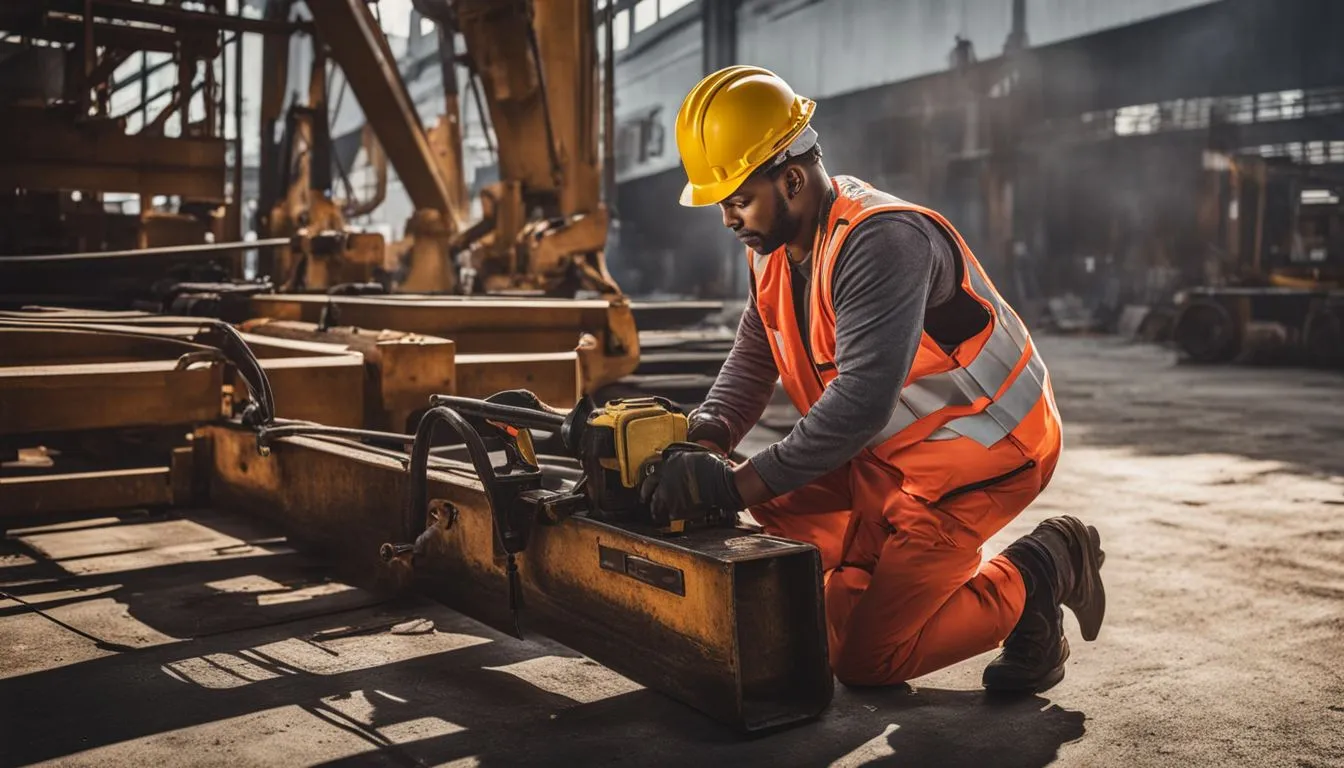
At every worksite, especially those humming with machinery, there’s always a chance of a mishap. We’re no strangers to this reality; we’ve rolled up our sleeves and pored over the data – did you know that simply sticking to proper lockout/tagout procedures can dodge around 120 fatalities and sidestep 50,000 injuries each year? In our yarn today, we’ll shed light on how nifty little gadgets like safety locks are unsung heroes in keeping mates safe on the job. So kick back with us as we dive into their surprising clout!
What are Lockout Safety Locks?
Lockout safety locks are small devices used to prevent the accidental start-up of machinery and equipment during maintenance or servicing. They come in various types, each with its unique features and purpose.
These locks play a crucial role in ensuring workplace safety and compliance with industry regulations.
Types of Lockout Safety Locks
As business owners, it’s essential to understand the various types of lockout safety locks available. These devices play a critical role in maintaining workplace safety by controlling hazardous energy.
- Padlocks offer a simple solution for securing energy – isolating devices. They come in different colours and sizes, allowing for easy identification and use on electrical panels, valves, and switches.
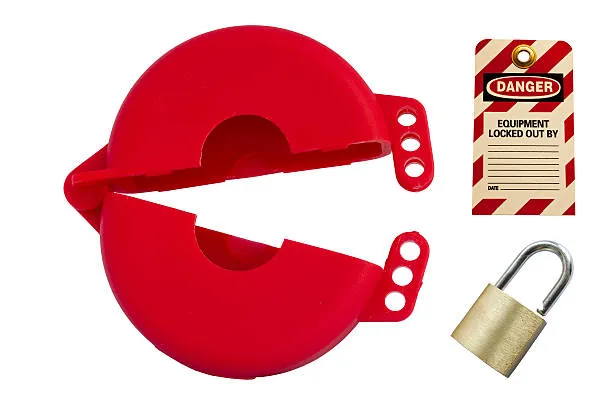
- Box locks are designed to encapsulate plug points or power cords, ensuring machinery remains deactivated during maintenance or repair work.
- Safety lockout hasps can hold several padlocks simultaneously, making them ideal when multiple workers need to work on the same piece of equipment.
- Circuit breaker lockouts quickly snap into place over switches or breakers to prevent unintended reactivation of power.
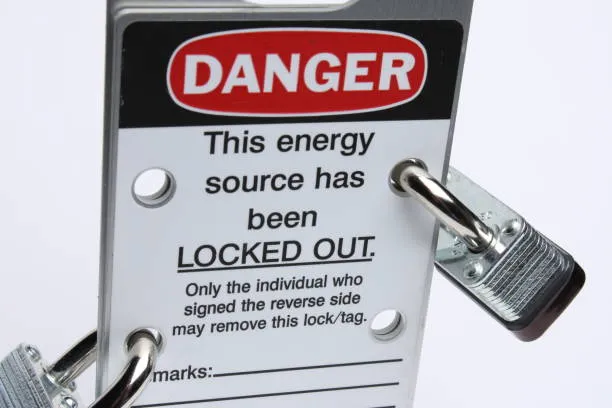
- Tagout locks not only physically restrain equipment but also provide visible safety warnings with the help of attached tags detailing the lockout reason and the authorised person’s name.
- The blind flange lockout is a specialised device for sealing off pipes and valves. It ensures no substances can flow through during repair periods.
- Lockout tagout kits provide a comprehensive assortment of locks and tags to cover different types of isolation points within industrial settings.
Importance of Lockout Safety Locks
Lockout safety locks are crucial in maintaining worker safety and preventing workplace accidents. Implementing proper lockout safety measures helps to protect workers from hazardous energy sources, ensuring that equipment is properly shut off before maintenance or servicing tasks are performed.
This reduces the risk of injury and even fatalities caused by unexpected start-ups of machinery or equipment. Investing in quality lockout safety locks also demonstrates a commitment to industrial safety, promoting a positive work culture where employees feel valued and protected.
Furthermore, lockout safety locks contribute to cost-effectiveness by preventing damage to equipment during service procedures. By avoiding accidental activation, businesses can reduce repair costs and minimise downtime, ultimately enhancing productivity.
Popular Types of Lockout Safety Locks
From padlocks to safety lockout hasps, there are various types of lockout safety locks that play a crucial role in ensuring workplace safety. Understanding the different options available can help you choose the right lockout safety locks for your specific needs.
Padlocks
Padlocks are versatile and widely used lockout safety devices. They come in various sizes and materials to suit different industrial needs, providing a reliable way to prevent equipment from being energised or started up during maintenance or repair.
These locks can be used with hasps, chains, or cables to secure energy-isolating devices effectively. The brightly coloured bodies of padlocks also serve as visual cues for workers that machinery is under maintenance or lockout.
Padlocks play a crucial role in ensuring workplace safety by preventing unauthorised access to hazardous energy sources and protecting employees from potential accidents. Their durability and reliability make them essential tools for maintaining a safe working environment while complying with lockout tagout regulations.
Box Locks
Box locks are a versatile and secure option for safeguarding equipment during maintenance or repair. They provide an extra layer of protection by enclosing the lock within a durable metal box, preventing tampering and unauthorised access.
These locks are especially useful in areas where there is a risk of impact or damage to the lock, ensuring that the energy-isolating device remains securely locked until work is complete.
In addition to their durability, box locks offer visibility with clear windows for viewing safety tagout information and ensuring compliance with safety regulations at all times. This added feature makes them an excellent choice for industries where multiple employees may need to verify the status of machinery before beginning work.
Box locks can be easily attached to various types of energy-isolating devices, providing peace of mind when it comes to worker safety and equipment security.
Safety Lockout Hasps
Transitioning from box locks to safety lockout hasps, these essential devices play a crucial role in isolating energy sources and preventing accidental start-up of machinery. Safety lockout hasps are specifically designed to secure multiple padlocks, ensuring that equipment stays locked out until all workers have completed their tasks and removed their individual locks.
This simple yet effective tool provides an added layer of protection, especially when several employees are working on the same maintenance or repair job. With various sizes and materials available, businesses can select the most suitable safety lockout hasp for their specific industrial needs.
These devices offer convenience and versatility while promoting a safe work environment.
Lockout & Tagout Sets
Transitioning from safety lockout hasps, we move on to another essential tool – lockout and tagout sets. These comprehensive kits provide a complete solution for isolating energy sources and ensuring maintenance or repair work can be carried out safely.
Lockout devices in these sets usually come with integrated tags, allowing workers to clearly communicate the reason for the equipment’s lockout status. This added layer of communication ensures that all employees are aware of the ongoing maintenance work and helps prevent accidental re-energising of equipment.
When it comes to choosing a lockout and tagout set, consider factors such as the number of different types of energy sources in your facility, as well as the variety of locking mechanisms needed.
How Lockout Safety Locks Work
Lockout safety locks work by holding energy-isolating devices in a safe or off position, preventing accidental start-up of machinery. These small tools have a great impact on workplace safety and equipment protection.
Read more to discover the benefits and importance of lockout safety locks in your industry.
Holding Energy-isolating Devices
When using lockout safety locks, holding energy-isolating devices is crucial to prevent the accidental release of hazardous energy. They ensure that all energy sources are locked out and tagout locks are in place before maintenance or servicing machinery.
It’s essential to use blind lockout devices for valves, switches, or plugs that cannot be directly locked out.
Using appropriate equipment safety signs will alert workers about potential hazards when handling locked-out equipment. Safety padlocks with key systems add an extra layer of security to prevent unauthorised access while the equipment is under lockout protection.
Preventing Accidental Start-up of Machinery
When ensuring the proper isolation of energy sources, preventing accidental start-up of machinery becomes crucial. Lockout safety locks play a pivotal role in averting such incidents.
By securely immobilising energy-isolating devices with lockout safety locks, the risk of unintentional activation is effectively mitigated. This proactive measure safeguards workers from sudden machine operations and potential hazards that could arise from unexpected equipment starts.
Lockout safety locks offer a straightforward yet highly effective method for preventing accidental start-up of machinery. Their application significantly reduces the likelihood of workplace accidents and promotes a safe environment for all employees while enhancing overall operational safety within industrial settings.
Benefits of Lockout Safety Locks
Ensuring Worker Safety, Protecting Equipment from Damage, and Cost-effectiveness are just a few of the benefits of using lockout safety locks. Discover more about the importance and impact of these small tools in our blog.
Ensuring Worker Safety
To ensure worker safety, it is essential to use lockout safety locks when servicing or maintaining equipment. By effectively controlling hazardous energy sources, these locks prevent unexpected machine start-ups and protect employees from potential accidents.
Implementing proper lockout/tagout procedures with the right type of locks can significantly reduce the risk of workplace injuries and create a safer working environment for your team.
When workers feel safe and protected, their productivity increases along with job satisfaction. It’s crucial for business owners to prioritise the well-being of their employees by investing in high-quality lockout safety locks that meet industry standards and regulations.
This not only demonstrates a commitment to workplace safety but also helps avoid costly downtime due to accidents or equipment damage caused by improper lockout practices.
Protecting Equipment from Damage
To ensure the longevity of their machinery and equipment, protecting them from damage is paramount. Lockout safety locks play a crucial role in safeguarding our valuable assets. By preventing unauthorised access to energy-isolating devices, these locks minimise the risk of accidental start-up or release of hazardous energy.
As a result, this protective measure helps avoid potential damage to equipment caused by sudden activation or unexpected power surges.
In addition to ensuring worker safety, protecting equipment from damage with lockout safety locks contributes significantly to cost-effectiveness and operational efficiency. By reducing the likelihood of machinery breakdowns and malfunctions due to unauthorised use or premature energisation, businesses can save on costly repairs and downtime.
Cost-effectiveness
After protecting equipment from damage, it’s important to consider the cost-effectiveness of lockout safety locks. Investing in high-quality lockout safety locks can ultimately save businesses money in the long run.
By preventing accidents and damage to machinery, these locks help minimise costly repairs and downtime. Additionally, using lockout safety locks also helps avoid potential legal fees or fines resulting from workplace incidents.
Furthermore, implementing effective lockout tagout systems can lead to improved productivity and efficiency by reducing the risk of work stoppages due to accidents or equipment damage.
Choosing the Right Lockout Safety Locks for Your Industry
When it comes to choosing the right lockout safety locks for your industry, it’s important to assess your equipment needs and consider various features and sizes. Quality and durability are also essential factors to keep in mind when purchasing lockout safety locks.
Assessing Equipment Needs
Various Features and Sizes
Lockout safety locks come in a range of sizes and offer various features to suit specific industry needs. Here is what you need to know:
- Different sizes available to fit different types of machinery and equipment.
- Diverse features such as keying options, shackle materials, and corrosion resistance.
- Customisable options for branding, labelling, and colour coding for easy identification.
- Wide range of lockout devices with unique designs and mechanisms tailored to different energy – isolating points.
- Special locking mechanisms for challenging environments such as extreme temperatures or high vibration settings.
Importance of Quality and Durability
Quality and durability are crucial factors to consider when purchasing lockout safety locks. These attributes ensure that the locks can withstand harsh industrial environments and continue to function effectively over time.
By choosing high-quality, durable lockout safety locks, business owners can have peace of mind knowing that their workers and equipment are well-protected. Additionally, investing in quality products prevents the need for frequent replacements, saving both time and money in the long run.
When selecting lockout safety locks, it’s essential to prioritise quality and durability to guarantee maximum effectiveness in safeguarding employees and machinery from potential hazards.
Making informed choices about these tools is vital not only for enhancing workplace safety but also for maintaining operational efficiency.
How to Purchase Lockout Safety Locks
After understanding the importance of quality and durability, selecting the appropriate lockout safety locks for your business is crucial. Here’s a detailed guide on how to purchase lockout safety locks:
- Identify Your Needs – Assess the specific energy-isolating devices and equipment in your workplace that require lockout safety locks.
- Consider Different Features – Evaluate various lockout safety locks in terms of keying options, materials, and resistance to environmental conditions.
- Choose the Right Size – Select lockout safety locks that fit securely and are compatible with different types of energy sources and equipment.
- Ensure Durability – Prioritise durable locks with corrosion-resistant materials to withstand challenging industrial environments.
- Verify Compliance – Check if the lockout safety locks meet relevant industry standards and regulations for worker safety and equipment protection.
Conclusion
Lockout safety locks are essential tools for ensuring workplace safety and protecting valuable equipment. Their practicality and efficiency make them easy to implement in any industry, effectively preventing accidents and damage. Implementing these strategies can lead to significant improvements in worker safety, equipment maintenance, and overall operational success. If you want to delve deeper into this topic, there are numerous resources available online that offer guidance on choosing the right lockout safety locks for your specific industry needs. Remember that prioritising safety through the use of lockout safety locks is not just a choice; it’s a responsibility that can have a lasting impact on your business operations.
Sorting out lockout for your own site?
Describe what needs isolating and we'll help you work out the setup that fits.