
Safety padlocks play a crucial role in workplace safety, specifically within lockout tagout systems that keep equipment secure during maintenance. By stopping unauthorised access and protecting against hazardous energy, these locks are lifesavers on the job.
Their design is all about durability, with options for different keys and easy-to-spot identifiers like bold colours and warning labels that shout “LOCKED OUT” or “DANGER”. It’s essential to understand the colour-coding system of isolation padlocks too; certain colours let everyone know if machinery is off-limits, reducing accidents. Aside from simple locks, we also use other gadgets such as jaws and tags to bump up security levels higher during lockouts. These tools help point out who is responsible for locking out a machine and ensure it stays untouched until work is finished safely.
Selecting the perfect safety padlock isn’t just about picking any old lock; you have to think about what your equipment needs in terms of material strength, size fit, and how they hold up under various environmental conditions. Locking down our knowledge of safety gear helps us nail down security in every corner of our business operations. Be ready to make savvy choices for safer workflows ahead.

What are Safety Padlocks and How are They Used?
Moving from the basics, let’s dive into safety padlocks. They are a crucial part of any lockout tagout system, designed to provide security by preventing accidental or unauthorised access to electrical and mechanical control points.
Crafted for durability and tamper-resistance, these locks are uniquely keyed to ensure no key duplication occurs. Typically made of sturdy materials like steel or thermoplastic, they withstand harsh industrial environments.
We use safety padlocks during maintenance or repair work where machinery needs to be isolated from power sources—electricity, gas, hydraulic, pneumatic—you name it. Every worker has their own assigned safety padlock that only they hold the key for, which means machines stay locked out until everyone removes their personal lock.
This protects workers by ensuring equipment stays inactive while service is underway—a critical step in safeguarding against workplace accidents and injuries.
Choosing the Correct Safety Padlock
When it comes to choosing the correct safety padlock, there are a few key factors to consider. Durability, keying options and padlock identification are all important aspects to keep in mind when selecting the right lock for your lockout needs.
These factors will ensure that you have the most suitable safety padlock for your specific requirements.
Durability
When considering safety padlocks, durability is a key factor to ensure long-lasting protection for your lockout needs. Look for padlocks made from robust materials such as hardened steel or reinforced nylon to withstand harsh industrial environments.
Ensure the shackle is resistant to cutting and prying, providing an added layer of security against tampering attempts.
Additionally, seek safety padlocks with corrosion-resistant properties, making them suitable for outdoor use in all weather conditions. This ensures that your lockout devices remain reliable and effective even in demanding work environments.
Keying Options
When selecting safety padlocks, it’s crucial to consider the keying options available. Choose from different key systems such as keyed differently, keyed alike, or master keyed for added flexibility in lockout procedures.
This allows businesses to streamline their lockout process and enhance security measures by implementing the most suitable keying option based on specific operational needs.
Additionally, opting for a secure key control system like restricted keyways prevents unauthorised duplication of keys. This ensures that only authorised personnel have access to the locks and enhances overall workplace safety without compromising on lockout device integrity.
Padlock Identification
When it comes to padlock identification, it’s essential to consider clear labelling and colour-coding. Each safety padlock should be easily identifiable, with the ability to assign specific colours for different departments or lockout needs.
This makes it quick and easy for employees to recognise which locks are assigned to their equipment or work area. Additionally, using labels with “LOCKED OUT” or “DANGER” can help reinforce the importance of safety procedures in the workplace.
Remembering these key elements of padlock identification is crucial in ensuring a smooth and efficient lockout process when needed. By implementing clear labelling and colour-coding, businesses can enhance overall safety measures and minimise potential risks associated with lockout incidents.
Understanding the Lockout Safety Isolation Padlock Colour Coding System
Safety padlocks come in a variety of colours, each indicative of a specific purpose or function. Understanding the colour coding system is crucial for efficient lockout tagout procedures.
For instance, red safety padlocks are commonly used to indicate that equipment is locked out and should not be operated, while green padlocks may signify that machinery has been tested and is safe to use.
Yellow locks might denote caution, proving useful when maintenance work is still ongoing but the equipment can be operated under limited conditions.
It’s important to ensure that all employees understand the colour coding system and its significance to maintain workplace safety effectively. Regular training on these protocols will help prevent accidents and ensure compliance with lockout tagout regulations.
Tips for Choosing the Right Safety Padlock
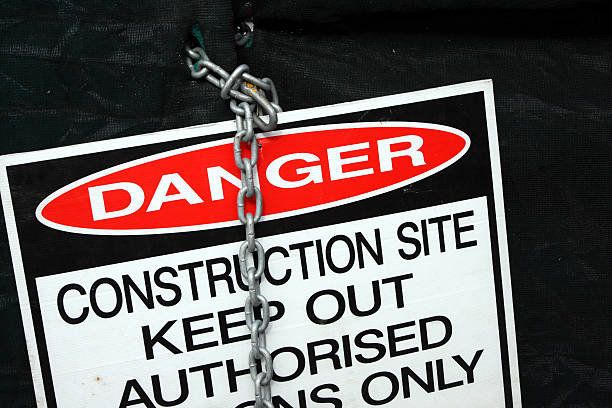
Consider the material and size of the safety padlock, ensuring it is suitable for your specific needs. Look for labels indicating “LOCKED OUT” or “DANGER” to ensure clear communication in hazardous situations.
Consider material and size
When choosing a safety padlock, take into account the material and size. The material should be durable enough to withstand various environmental conditions and potential tampering attempts.
Similarly, ensure that the padlock is of an appropriate size for the specific application, offering a secure fit without being too bulky or cumbersome.
Look for safety padlocks made from robust materials like hardened steel or aluminium to provide strength and resistance against physical damage. Adequate sizing ensures that the lock fits properly around equipment or machinery without posing any hindrance during operation.
Look for labels indicating “LOCKED OUT” or “DANGER”
When considering material and size, it’s essential to also look for labels indicating “LOCKED OUT” or “DANGER” on safety padlocks. These labels provide clear visual cues to employees, enhancing workplace safety by alerting them to potential hazards.
The presence of these labels on safety padlocks ensures that personnel can easily identify when a particular piece of equipment is being serviced or isolated for maintenance.
In addition to considering the material and size of a safety padlock, the presence of “LOCKED OUT” or “DANGER” labels provides an added layer of security and risk mitigation in industrial settings.
Other Lockout Tagout Devices to Consider
In addition to safety padlocks, there are other lockout tagout devices to consider for added security. Jaws and tags can provide an extra level of protection, while it’s important to consider the type of lock needed for specific equipment.
Jaws and tags for added security
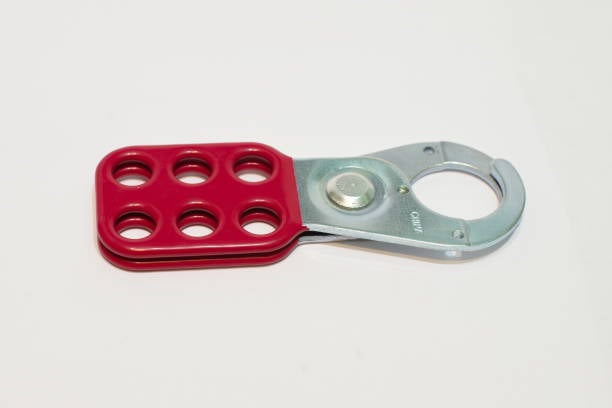
When using safety padlocks, adding extra security features such as jaws and tags can further enhance the lockout process. The addition of jaws ensures that the padlock cannot be removed unless all specified keys are present, thereby preventing unauthorised removal.
Furthermore, using tags allows for clear identification of the personnel responsible for the lockout, providing an additional layer of accountability during maintenance or servicing activities on equipment.
Implementing these added security measures not only strengthens lockout procedures but also contributes to a safer work environment overall. The combination of safety padlocks with jaws and tags minimises the risk of accidents and helps maintain compliance with workplace safety regulations.
Consider the type of lock needed for specific equipment
When it comes to choosing the right safety padlock for specific equipment, it’s essential to consider the unique requirements and potential hazards associated with each piece of machinery.
For instance, electrical lockout kits may call for specialised locks that are engineered to withstand high voltages and extreme conditions. Similarly, heavy-duty machinery might require robust and durable padlocks that can endure rugged industrial environments without compromising safety.
Therefore, carefully assessing the nature of the equipment will help in selecting the most suitable safety padlock to effectively prevent accidents and ensure workplace security.
Conclusion
Safety padlocks are an essential tool for ensuring workplace safety and compliance. They offer practical solutions for lockout needs, emphasising efficiency and ease of implementation. How will you ensure the correct safety padlock is chosen to meet your specific lockout requirements? Implementing these strategies can lead to significant improvements in lockout/tagout procedures.
What measures will you take to cater to your business’s lockout needs effectively? Explore additional resources or consult with professionals specialising in lockout/tagout devices for comprehensive guidance. Unearth the power of safety padlocks to cater your lockout needs. Reach out to Work Safe Lockout and shore up your safety protocols now. Let’s take action today to revolutionise our approach towards workplace safety with reliable safety padlocks!


