
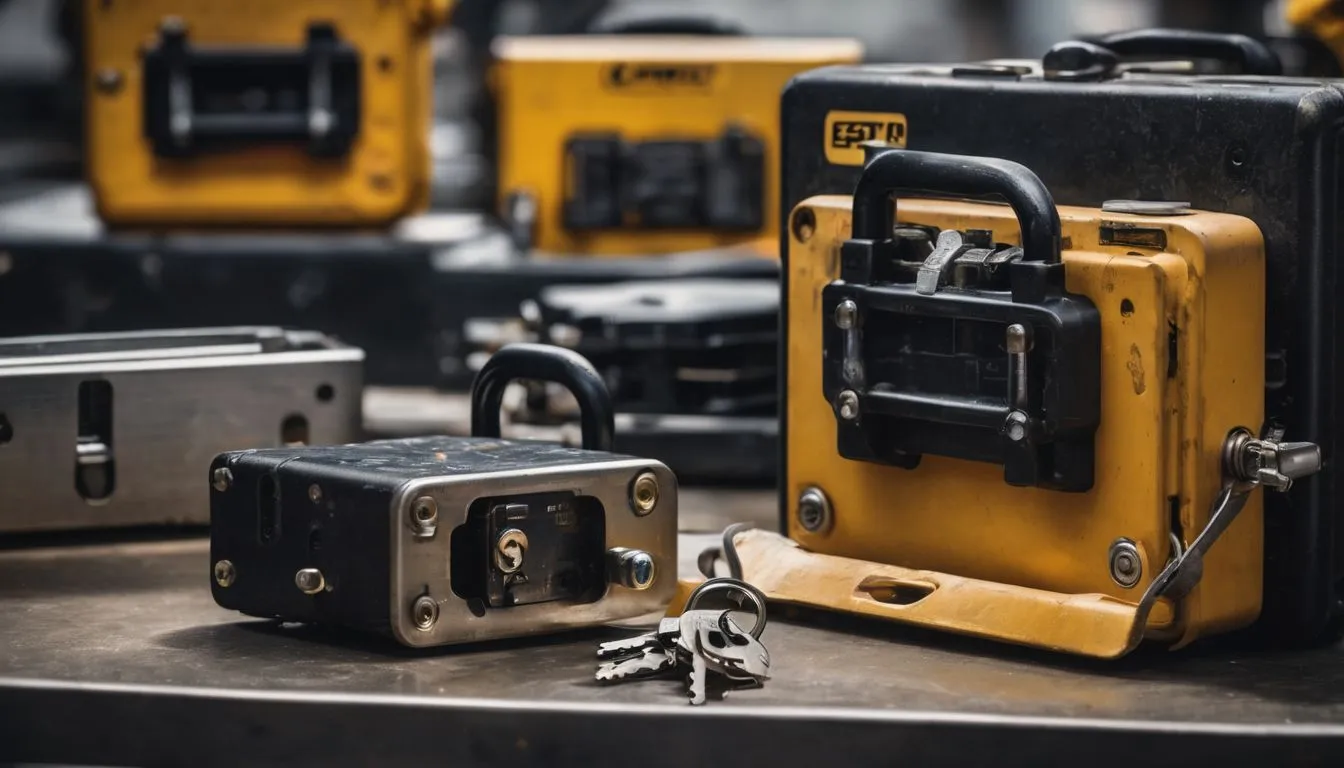
Lockout safety locks are the heroes of industrial workplaces across Australia, acting as vital guards in keeping over 3 million workers safe. These devices lock down machinery and equipment to ensure they’re completely shut off, think of them like strongholds that keep danger at bay while maintenance teams do their work. With strict rules in place for the proper shutdown and isolation of energy-hungry machines, no company can afford to skip this step.
Knowing how to correctly apply these safety procedures could mean the difference between a regular day and a disastrous accident. We see trends where businesses focus on training their teams in identifying risks, executing precise machine shutdowns, locking out with confidence, and checking everything twice for hidden energy threats before restarting any system.
It’s not just about following laws; it’s about building an environment where everyone values safety first. After all, by regularly reviewing our lockout tagout steps together and sharing smart practices within our team talks, we make our operations run smoother, because safe workplaces buzz along best! Gear up; we’ve got more insights ahead!
Importance of Lockout Tagout Procedures and Compliance
Understanding the standards and complying with them is crucial for ensuring workplace safety. Lockout tagout procedures are necessary to prevent accidents, injuries, and even fatalities in industrial settings.
Therefore, it’s essential to follow Australian standards to maintain a safe working environment.
Understanding the standards
Grasping the standards for lockout tagout is crucial to ensuring everyone stays safe on the job. These rules aren’t just guidelines; they’re designed to protect us from hazardous energy releases during equipment maintenance.
Lockout safety locks and devices are part of a system that helps us control this danger. They ensure that machines stay off until we decide it’s safe to turn them back on.
Navigating through the maze of regulations can be challenging, but there’s no room for compromise with industrial safety. In line with OSHA regulations, Australian standards provide clear instructions on how to properly isolate electrical and mechanical energy sources.
We need to use these standards as a roadmap for implementing robust lockout procedures and using construction safety equipment effectively in our workplaces.
Why it’s necessary for safety
Complying with lockout tagout procedures and standards is essential for workplace safety. Ensuring that machinery and equipment are properly de-energised, isolated, and immobilised protects employees from hazardous energy sources.
Adhering to these safety measures significantly reduces the risk of workplace accidents, injuries, and even fatalities. By following lockout tagout guidelines, businesses can create a safer work environment while also ensuring compliance with UK standards.
Implementing lockout tagout procedures not only safeguards the well-being of employees but also enhances overall operational efficiency. It promotes a culture of safety within the workplace and demonstrates a commitment to prioritising employee welfare.
As business owners, maintaining strict adherence to lockout tagout practices is imperative in upholding industrial safety standards and preventing potential hazards – ultimately leading to increased productivity and reduced liability.
Complying with Australian standards
After understanding why it’s necessary for safety, complying with British standards is the next crucial step. Ensuring that your lockout tagout procedures align with the British standards is essential to maintain a safe work environment and prevent workplace accidents.
It involves familiarising yourself with the specific guidelines and regulations set forth by the relevant authorities, implementing necessary measures accordingly, and conducting regular audits to ensure ongoing compliance.
Moreover, staying updated with any amendments or changes in the British standards is vital for consistently maintaining a safe work environment. This involves keeping an open line of communication with industry regulatory bodies and actively seeking out educational resources related to lockout tagout compliance in the UK.
Steps for Lockout Tagout Procedure
– Notification of affected employees is crucial to ensure everyone is aware and safe. Identifying hazards and procedures helps in understanding the risks involved. Shutting down and isolating machinery are key steps for implementing lockout tagout, followed by applying lockout tagout devices to immobilise the equipment.
Checking for stored energy and verifying isolation before bringing equipment back online ensures safety compliance.
Notification of affected employees
When notifying affected employees, it is crucial to clearly communicate the lockout tagout procedures, potential hazards, and the importance of compliance with safety standards. We ensure that all relevant staff are informed about the shutdown process and understand their roles in implementing the lockout tagout procedure.
This notification includes providing specific details about which equipment or machinery will be affected, outlining the steps they need to take for isolation and immobilisation, and highlighting the necessity of following safety guidelines throughout the process.
Regular training sessions on lockout tagout procedures can also be implemented to reinforce awareness among employees.
Employees are notified in advance about any maintenance work that requires energy isolation. These notifications include information on when equipment will be shut down, how long it will remain isolated, and what steps must be taken before re-energising the machinery.
Identifying hazards and procedures
After notifying affected employees, we move on to the crucial step of identifying hazards and procedures. This involves conducting a thorough assessment of the work environment to pinpoint potential dangers related to electrical equipment safety, machinery operation, and stored energy.
It’s essential to document all identified risks and create clear procedures for addressing them during the lockout tagout process. This proactive approach helps in implementing effective safety measures that mitigate workplace accidents and ensure compliance with UK standards.
To identify hazards accurately, businesses should involve relevant personnel who possess a deep understanding of the operational processes and associated risks. Additionally, conducting regular reviews of these documented procedures ensures they remain up-to-date with any changes in equipment or processes.
Shutting down and isolating machinery
To ensure safety, it is essential to follow proper procedures for shutting down and isolating machinery. This process involves several crucial steps to minimise risks and prevent accidents. When performing these procedures, consider the following:
- Notify affected employees about the machinery shutdown to prevent accidental reactivation or intervention.
- Identify potential hazards associated with the machinery and establish specific isolation procedures to address them effectively.
- Utilise appropriate methods to shut down the machinery, such as turning off power switches or valves, in accordance with safety guidelines.
- Apply lockout tagout devices, such as padlocks and tags, to physically prevent the re – energisation of machinery during maintenance or servicing.
- Verify that all energy sources are properly isolated and that the machinery cannot be unintentionally restarted before beginning work.
- Bring equipment back online only after ensuring that all employees are clear of any danger zones and have been notified of the restart.
Applying lockout tagout devices
After shutting down and isolating the machinery, the next crucial step is applying lockout tagout devices. This ensures that the machinery remains inoperable while maintenance work is being performed. Here are the key steps for applying lockout tagout devices:
- Select the appropriate lockout tagout device for each energy source to be isolated, such as padlocks, tags, kits, electrical equipment lockouts, valve and hose lockouts.
- Utilise a lockout tagout kit that includes all necessary tools for immobilising specific equipment or machinery.
- Affix the lockout device to the energy isolating device in a way that prevents it from being operated until the maintenance is complete.
- Ensure that each affected employee has their unique padlock or identification tag affixed to the lockout device and understand who else is working on the locked-out equipment.
- Verify that hazardous stored energy has been effectively dissipated before initiating any repair or maintenance work by using appropriate testing equipment.
- Finally, document all steps taken in detail and communicate with other employees about the status of lockout tagout devices before any work begins.
Checking for stored energy and verifying isolation
Bringing equipment back online
To bring equipment back online, ensure that all lockout tagout devices are removed and stored properly. Inspect the area to ensure it is clear of tools and personnel. Verify that all affected employees are informed about the resumption of operations. Turn on the equipment in a controlled manner to avoid sudden surges or unexpected movement. Finally, conduct a thorough check to confirm that the machinery is functioning as intended.
Types of Lockout Tagout Devices
There are various types of lockout tagout devices, including padlocks, tags, kits, electrical equipment lockouts, and valve and hose lockouts. Each has its own specific use in ensuring the safety of machinery and equipment.
To learn more about these essential tools for workplace safety, keep reading!
Padlocks
Padlocks serve as a crucial part of lockout tagout procedures, providing physical barriers and ensuring that equipment remains inoperative during maintenance or repair. These sturdy locks come in various sizes and materials, catering to different machinery and industrial environments, from small electrical switches to large mechanical systems.
The key-operated design allows only authorised personnel to remove the padlock, adding an extra layer of security. It’s important to select the right type of padlock for each application, considering factors such as durability, visibility, and compatibility with specific lockout devices.
Business owners should prioritise investing in high-quality padlocks that meet British standards for safety lockout devices. Regular inspection and maintenance of these padlocks are essential to ensure their reliability in immobilising equipment effectively during service or maintenance activities.
Tags
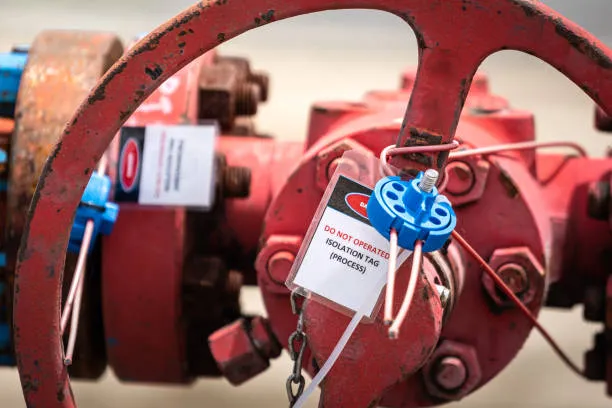
Moving on from padlocks, another crucial component of a comprehensive lockout tagout procedure is the use of tags. Tags serve as a visible warning to alert employees and other personnel that machinery or equipment is undergoing maintenance work and should not be operated under any circumstances.
Tags are typically attached to lockout devices, providing additional information about who performed the lockout, the reason for it, and when it was implemented. It’s important to choose durable tags made from materials that can withstand harsh industrial environments and clearly convey essential details.
When selecting tags for your lockout tagout programme, consider factors such as visibility, durability, and customisability to ensure they effectively communicate critical safety information at all times.
Kits
Transitioning from the important role of tags in lockout tagout procedures, we now move on to discussing kits. Lockout tagout kits are essential for ensuring workplace safety and compliance with Australian standards.
These kits typically include a variety of devices such as padlocks, tags, hasps, and circuit breaker locks, providing everything needed to immobilise equipment during maintenance or servicing.
Selecting the right lockout tagout kit is crucial for effective implementation of safety procedures. By carefully considering the specific needs of your facility and equipment, including factors like lock compatibility and durability, you can ensure that your kit meets all necessary requirements.
Electrical equipment lockouts
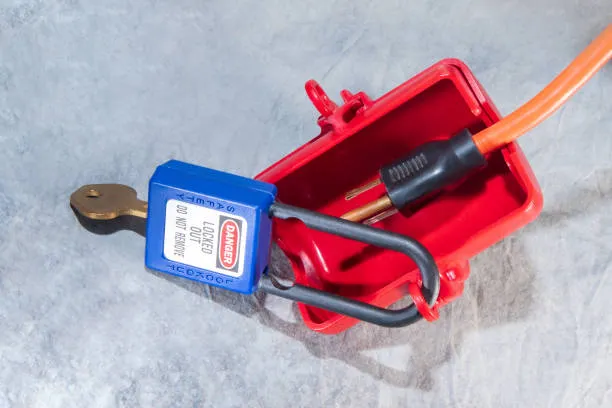
When implementing lockout tagout procedures, it’s crucial to have the right devices for electrical equipment lockouts. These specific lockout devices ensure that electrical machinery and circuits are safely isolated during maintenance or servicing.
Using dedicated electrical equipment lockouts helps prevent accidental startup and protects employees from electric shocks, ultimately promoting a safer work environment. Implementing these devices aligns with British standards, ensuring compliance with safety regulations and mitigating potential risks associated with working on energised electrical systems.
Business owners must understand the significance of using appropriate lockout tagout devices for electrical equipment isolation. Investing in quality lockout mechanisms not only enhances workplace safety but also demonstrates commitment to employee well-being and regulatory compliance.
Valve and hose lockouts
Moving on to valve and hose lockouts, these are crucial for maintaining safety when dealing with fluid systems. By effectively immobilising valves and hoses, the risk of unexpected releases or leaks can be minimised.
When selecting lockout devices for valves and hoses, it’s essential to consider factors such as the size of the device needed, its ease of use, and its compatibility with different types of valves and hoses.
Ensuring that these lockout devices are properly installed according to safety guidelines is key in preventing hazardous energy from being released during maintenance or repair work.
Regular training on the proper use of valve and hose lockouts should also be provided to employees engaged in machinery maintenance.
Choosing the Right Devices
Considerations for selection include the type of machinery, the specific hazards involved, and the level of complexity required. To learn more about best practices for lockout tagout procedures and compliance with Australian standards, read on!
Considerations for selection
When selecting lockout tagout devices, it is essential to consider the specific needs of your workplace. Assess the types of machinery and equipment that require immobilisation and identify the potential energy sources involved.
Evaluate the environmental conditions where the devices will be used, such as exposure to extreme temperatures or corrosive substances. Additionally, ensure that the chosen devices comply with Australian safety standards and regulations, providing reliable protection for your employees and assets.
To make an informed decision, take into account factors like durability, ease of use, and compatibility with existing lockout systems. Choose devices that are resistant to tampering and can accommodate multiple workers if needed.
Best practices for lockout tagout
When considering the selection of lockout tagout devices, it is vital to ensure that best practices are followed. These include choosing devices that are durable and tamper-resistant, ensuring they are compatible with specific machinery and energy sources, and providing employee training on their correct usage.
Regular inspections and maintenance of the devices should also be part of the best practices to guarantee their effectiveness in preventing accidents.
Implementing a comprehensive lockout tagout programme involves developing clear procedures, conducting regular audits to identify any deficiencies or changes in equipment, and involving employees in ongoing safety discussions.
Conclusion
Our journey through lockout safety locks has highlighted the importance of complying with Australian standards and implementing lockout tagout procedures for industrial safety. The steps outlined are practical, efficient, and crucial in ensuring machinery safety and equipment immobilisation. How will you integrate these strategies into your business’s safety protocols? Consider the significant impact of these approaches on preventing accidents and promoting a safe work environment.
Let lockout safety locks shepherd you on the journey from setup to safety. Commence your safety journey with Work Safe Lockout’s expert services. Explore further resources to deepen your understanding of lockout systems and HSE regulations. Let’s embrace this opportunity to enhance workplace safety while minimising risks – it’s a proactive step toward creating a culture of safety awareness.
Sorting out lockout for your own site?
Describe what needs isolating and we'll help you work out the setup that fits.