

Welcome to our exploration of lockout safety locks in workplaces, an essential tool for protecting workers from harm. These devices serve a critical function by controlling hazardous energy when machines or equipment are under maintenance or repair. Each year, the use of these simple yet powerful tools prevent approximately 120 deaths and stop around 50,000 injuries from occurring on the job.
Their role is crucial within industrial environments, where they face ever-present risks related to heavy machinery and electrical systems. By comprehending the importance of these locks, employers and employees can work together effectively to adhere to Occupational Safety and Health Administration (OSHA) standards for lockout/tagout procedures, creating safe workplace conditions with less risk of accidents.
A strong safety programme includes proper training for staff, clear communication channels throughout operations, and readiness plans for emergencies. It also involves choosing the right type of high-quality lockout safety locks that match different equipment needs; this selection is a cornerstone of maintaining an injury-free work zone. Moreover, compliance with regulations not only protects those who make our businesses run but also shields companies from legal consequences while promoting a culture centred on health and well-being at work. Let’s unlock the secrets behind these vital tools keeping our industries secure. Discover why they matter more than you might think!

Understanding the Importance of Lockout Safety Locks
Lockout safety locks are crucial in industrial settings for the purpose of preventing hazardous energy from causing injuries during maintenance and repairs. The importance of lockout/tagout procedures cannot be overstated, as they play a critical role in workplace safety.
The purpose of lockout/tagout
We take workplace safety seriously, which is why lockout/tagout procedures are a critical part of our daily operations. These vital steps prevent accidental or unexpected activation of energy sources during maintenance and repairs, safeguarding employees from potentially deadly harm.
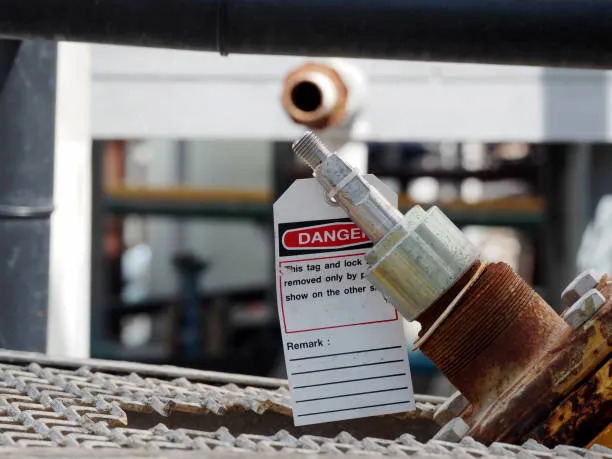
By placing specific locks and tags on energy-isolating devices, we signal to others that equipment is off-limits until the job’s done safely.
Their commitment goes beyond just locking down machinery; it includes using tagout devices that warn about hazards even when physical locks can’t be applied. This dual approach to controlling hazardous energy protects not only our staff but also ensures we meet HSE standards for occupational health and risk management, maintaining a secure worksite at all times.
Importance in industrial settings
Lockout safety locks play a critical role in industrial settings, safeguarding employees from hazardous energy sources during maintenance and repair work. These devices are integral to the lockout/tagout procedures, ensuring that equipment remains de-energised while work is being performed.
Industrial safety locks not only prevent accidents but also comply with HSE regulations for lockout/tagout, reducing the risk of workplace injuries and enhancing overall worksite security.
Employing robust lockout safety locks is imperative for controlling hazardous energy and maintaining occupational safety compliance. By integrating these devices into daily operations, businesses can effectively mitigate risks associated with equipment maintenance and repairs, ultimately fostering a safer workplace environment.
Benefits of lockout/tagout procedures
Implementing lockout/tagout procedures in your workplace presents numerous benefits for both employees and employers. By using lockout safety locks, you can effectively prevent the unexpected startup of equipment or machinery during maintenance, repairs, or servicing.
This significantly reduces the risk of serious injuries and even fatalities caused by the release of hazardous energy. Furthermore, compliance with HSE regulations for lockout/tagout not only ensures a safer work environment but also avoids costly penalties and fines.
Proper implementation of lockout/tagout procedures also contributes to increased productivity as it minimises downtime due to workplace accidents. Additionally, by prioritising employee safety with these measures, you establish a culture that values their well-being while fostering trust and loyalty among your workforce.
The Role of Lockout/Tagout in Employee Safety
Employee safety is a top priority for every workplace, and lockout/tagout procedures play a pivotal role in ensuring their well-being. From training to effective communication and emergency preparedness, these measures are crucial in keeping employees safe from hazardous energy sources.
Responsibilities of employees and employers
Employees and employers share the responsibility of adhering to lockout/tagout procedures. Employers must provide comprehensive training and education on lockout safety locks, ensuring that employees understand the importance of using energy-isolating devices.
It is vital for employers to communicate effectively with their workforce about lockout/tagout procedures and emergency preparedness, ultimately maintaining a safe work environment.
On the other hand, employees are accountable for following established lockout/tagout procedures diligently and utilising workplace safety locks correctly. Furthermore, they play an integral role in reporting any malfunctions or deficiencies in these safety measures.
Both parties should prioritise workplace safety by staying compliant with HSE regulations for lockout/tagout. This commitment helps to prevent accidents caused by hazardous energy sources, promoting maintenance and repair safety while ensuring worksite security.
Importance of training and education
Training and education play a crucial role in ensuring workplace safety when it comes to lockout/tagout procedures. Educating employees about the purpose of lockout/tagout and providing comprehensive training on energy-isolating devices are essential for preventing accidents and injuries.
This helps in increasing awareness, promoting accountability, and fostering a culture of safety compliance within the organisation.
Furthermore, investing in proper training for employees not only ensures their safety but also helps businesses adhere to HSE regulations for lockout/tagout. Providing ongoing education regarding lockout procedures, effective communication strategies, and emergency preparedness can significantly reduce the risk of workplace incidents while enhancing overall worksite security.
Effective communication
To ensure workplace safety, it is crucial for business owners to establish clear and effective communication regarding lockout/tagout procedures. This includes providing comprehensive training and education for employees on the proper use of lockout safety locks, as well as outlining their responsibilities and the potential consequences of non-compliance.
Implementing a system for open dialogue between management and staff about energy-isolating devices and maintenance safety will help mitigate risks associated with hazardous energy in the workplace.
Regular communication can also enhance emergency preparedness, ensuring that everyone understands what actions to take during critical situations.
By cultivating a culture of transparent and consistent communication surrounding lockout/tagout procedures, businesses can promote a safer work environment while complying with HSE regulations.
Emergency preparedness
- Implementing a comprehensive emergency action plan that includes specific procedures for dealing with lockout/tagout incidents.
- Providing employees with proper training on how to respond to unexpected events during lockout/tagout procedures, including knowledge of emergency shutdown and equipment de-energisation.
- Regularly conducting drills and simulations to test the effectiveness of the emergency response plan and identify areas for improvement.
- Ensuring that all necessary emergency equipment and supplies are readily available and accessible in the workplace, such as first aid kits, fire extinguishers, and emergency contact information.
Selecting the Right Lockout Safety Locks
Importance of quality and design is crucial for lockout safety locks. Different types of locks play a critical role in workplace safety.
Importance of quality and design
Choosing high-quality and well-designed lockout safety locks is crucial for ensuring the effectiveness of energy isolation procedures. Quality locks provide superior durability, reliability, and security, while an ergonomic design ensures ease of use for employees.
Investing in robust locks with clear visibility and standardised designs contributes to a more streamlined and efficient lockout/tagout process. Additionally, thoughtfully designed devices minimise the risk of human error and enhance overall workplace safety.
By prioritising quality and design when selecting lockout safety locks, businesses can bolster their commitment to employee wellbeing while also optimising operational efficiency. Well-constructed locks with user-friendly features underscore a company’s dedication to maintaining stringent safety standards in line with HSE regulations.
Different types of locks
- Keyed Different Locks: Each lock operates with its unique key, providing individual control over energy isolation.
- Group Lockout Boxes: Facilitates multiple workers locking out a single energy source through the use of multiple padlocks and tags.
- Push Button Locks: Securely locks out devices with push buttons or switches, preventing accidental start-up during maintenance or repair.
- Breaker Lockouts: Prevents electrical breakers from being turned on during repair work, ensuring protection from electrical hazards.
- Cable Lockout Devices: Flexible and adjustable locks suitable for isolating hard-to-secure machinery or equipment.
- Valve Lockouts: Effective in isolating valves to prevent the release of hazardous substances and materials during servicing.
- Plug and Pneumatic Lockouts: Specifically designed to isolate various pneumatic systems and plugs, ensuring employee safety during maintenance activities.
Critical role in workplace safety
Lockout safety locks play a critical role in workplace safety by preventing the accidental release of hazardous energy. They are essential for protecting employees from unexpected startups of machinery during maintenance and repair activities.
The proper use of lockout safety locks ensures that equipment remains in a secure, deactivated state until work is completed, reducing the risk of workplace accidents or injuries related to energised equipment.
Utilising lockout safety locks also demonstrates an employer’s commitment to providing a safe work environment. By implementing effective lockout/tagout procedures and supplying high-quality lockout safety locks, businesses prioritise employee well-being and comply with occupational safety regulations.
Employers can enhance workplace safety by integrating these crucial devices into their overall safety management system.
Following procedures
- Clearly outlining the steps for lockout/tagout in your workplace safety manual or handbook.
- Providing comprehensive training to all employees involved in using lockout safety locks.
- Conducting regular audits and inspections to ensure adherence to lockout/tagout procedures.
- Establishing a structured communication plan for notifying employees of lockout/tagout activities.
- Encouraging ongoing awareness and accountability among employees regarding the importance of following lockout/tagout procedures.
Maintaining Occupational Safety Compliance with Lockout Safety Locks
Staying compliant with regulations is crucial in ensuring the safety of employees and preventing workplace accidents. Learn more about the importance of lockout safety locks in maintaining occupational safety compliance by reading our full blog.
Importance of staying compliant with regulations
Adhering to lockout/tagout regulations is critical for ensuring workplace safety and preventing accidents. This compliance not only safeguards employees from hazardous energy sources but also avoids potential legal penalties and fines.
By following HSE regulations for lockout/tagout, businesses demonstrate a commitment to upholding the highest safety standards in their operations.
Staying compliant with regulations helps create a culture of safety, fostering trust between employers and employees. It also demonstrates corporate responsibility and enhances the overall reputation of the business.
Benefits of using lockout safety locks
Using lockout safety locks ensures the protection of employees while servicing or maintaining machinery. This significantly reduces the risk of accidents due to unexpected startup or release of stored energy, thereby preventing potential injuries and even fatalities.
It also helps in complying with HSE regulations for lockout/tagout procedures and aids in maintaining a safe work environment, ultimately leading to increased productivity and reduced insurance premiums.
Implementing lockout safety locks contributes to fostering a culture of safety within the workplace. It promotes employee confidence in their surroundings, resulting in improved morale and job satisfaction.
Conclusion
Lockout safety locks play a crucial role in workplace safety, preventing accidental energy release during maintenance. Implementing lockout/tagout procedures is practical and efficient for maintaining occupational safety compliance. How can you select the right lockout safety locks for your workplace? Remember, using quality locks ensures the effective control of hazardous energy sources.
Emphasising the importance of lockout safety measures is vital for creating a safe work environment that prioritises employee well-being. Understanding the importance of lockout safety locks in workplaces is a sure step towards a safer work environment. Let WorkSafe Lockout navigate you down the safety path. Explore additional resources to delve deeper into the significance of lockout safety locks and enhance workplace safety practices.
Sorting out lockout for your own site?
Describe what needs isolating and we'll help you work out the setup that fits.