
Lockout Tagout, or LOTO for short, is a safety practice that’s crucial in keeping workplaces safe. This method involves turning off machines and making sure they can’t accidentally start up again by cutting them off from any energy sources. We’re looking at you, business owners – it’s your job to make your site as safe as possible, and understanding LOTO is a big part of that. LOTO isn’t just about putting a lock on a machine; it’s about saving lives and preventing injuries. Think about all the complex equipment out there; if something starts up unexpectedly while someone’s working on it, the results could be disastrous. That’s why regular training matters so much – everyone needs to know how to handle these situations properly.
We’ve seen technology change so many parts of our lives for the better, right? Well, it’s also transforming safety measures like LOTO programmes by making them more effective than ever before. It helps us keep clear records and do frequent checks easily. Now let’s talk about rules – those set by OSHA (Occupational Safety and Health Administration). Break these rules and you’ll be facing more than just an ‘oops’ moment – we’re talking serious fines here folks! So keeping your Environment, Health and Safety (EHS) management sharp is key to staying on OSHA’s good side.
Besides machinery gaffes, other workplace hazards need attention too. Poor air quality might not seem like much until it harms our lungs. And don’t get us started on winter risks! Slips and falls anyone? No thanks! So here we are with an article packed full with information to keep every corner of your workplace shielded from danger using LOTO strategies. Ready to dig deeper into how this magic works? Let’s safely lock into action together!

The Importance of Lockout Tagout (LOTO) for Workplace Safety
Lockout Tagout (LOTO) procedures are essential in maintaining a safe working environment, especially when performing equipment maintenance. They serve as critical safeguards that protect employees from the unexpected energisation or start-up of machinery and equipment, or the release of hazardous energy during service or maintenance activities.
Ensuring machinery is properly shut down and isolated from energy sources prevents accidents and injuries, delivering peace of mind for both us as business owners and our valued employees.
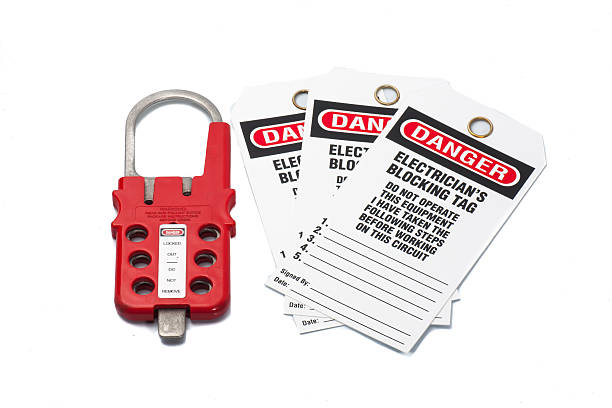
We recognise that fostering a safety culture within our operations hinges on rigorous adherence to LOTO standards. This includes using proper lockout devices to secure equipment and clear tagout devices to warn against reactivation.
Our commitment to these practices reflects our dedication not only to meeting OSHA standards but also to safeguarding employee welfare at every turn. Embracing robust LOTO protocols forms the backbone of risk management strategies in industrial settings, effectively minimising potential hazards associated with machinery operation and facilitating a culture where workplace safety is paramount.
Understanding Lockout Tagout Procedures
Understanding Lockout Tagout procedures is crucial for workplace safety. It involves the proper shutdown of equipment and isolation of energy sources to prevent hazardous energy release during maintenance or servicing.
Compliance with HSE’s Lockout Tagout standard ensures a safe work environment for employees.
Definition of LOTO
Lockout Tagout (LOTO) refers to the safety procedure used to safeguard employees from hazardous energy sources while servicing or maintaining equipment. This involves the use of locks and tags to isolate the power sources, allowing workers to perform their tasks safely without being exposed to energised machinery or electrical systems.
The main goal of LOTO is to prevent unexpected startup or release of stored energy, which could lead to severe injuries or fatalities. By implementing LOTO procedures, businesses can effectively mitigate risks associated with machinery and equipment maintenance.
Understanding the essence of LOTO lays a strong foundation for workplace safety culture. Let’s delve into OSHA Lockout Tagout Standard as we continue our discussion on ensuring a safe work environment.
OSHA Lockout Tagout Standard
The HSE Lockout Tagout Standard mandates the control of hazardous energy during maintenance and servicing of machines and equipment. It enforces the use of lockout mechanisms to prevent accidental start-up or release of stored energy, ensuring the safety of workers from unexpected injury.
Workers must be trained on proper lockout tagout procedures, including each individual step for effectively shutting down equipment and isolating it from its energy source. Moreover, all tagout devices are required to meet specific requirements outlined by HSE.
To comply with HSE’s LOTO standard, businesses must develop and implement a comprehensive lockout tagout program that includes clear policies, regular training sessions, periodic audits, and utilisation of appropriate safety devices.
Differences between Lock Out and Tag Out
Lockout and tagout are two interrelated but distinct safety measures. Lockout involves physically disconnecting power sources, such as electrical switches or valves, to prevent unexpected activation.
On the other hand, tagout entails using warning tags to alert workers about equipment that must not be operated. In essence, lockout requires a physical barrier while tagout relies on clear communication to prevent accidental startup.
Understanding these differences is crucial for implementing effective hazardous energy control procedures in the workplace. By comprehending when and how each method should be employed, business owners can ensure comprehensive protection for their employees and maintain a safe working environment.

Implementing an Effective LOTO Programme
We will discuss the importance of training and engaging employees, utilising technology, establishing a lockout tagout policy, and performing frequent LOTO audits to ensure workplace safety.
Read more about how these steps can help cultivate a safe environment with lockout safety mechanisms.
Training and engaging employees
To ensure workplace safety, it’s essential to prioritise training and engaging employees in lockout tagout (LOTO) procedures.
- Provide comprehensive training sessions on the proper use of safety locks and shutdown procedures.
- Engage employees in interactive safety lockout mechanism demonstrations to reinforce understanding.
- Encourage active participation in LOTO policy development and implementation.
- Foster a culture of accountability by involving employees in frequent LOTO audits.
- Utilise technology to provide accessible resources for ongoing safety lockout training and engagement opportunities.
Utilising technology
To enhance workplace safety, we leverage advanced technology to streamline and reinforce our lockout tagout (LOTO) procedures. Our investment in cutting-edge safety lockout mechanisms and devices ensures that equipment shutdown processes are efficient and foolproof.
By incorporating digital solutions, such as automated LOTO systems and electronic lockout tags, we can monitor machinery safety protocols with precision. These tools not only bolster our occupational health standards but also enable us to comply seamlessly with OSHA lockout tagout standards.
Furthermore, we harness technology to deliver comprehensive training for safety locks through interactive e-learning modules and virtual simulations. This approach equips our employees with the requisite knowledge about tagout device requirements and industrial safety measures while fostering a culture of machinery safety awareness across our organisation.
Establishing a lockout tagout policy
To establish a lockout tagout policy, we must begin by clearly outlining the procedures and guidelines. This policy should detail the specific steps for isolating energy sources, labeling equipment with appropriate tags, and conducting periodic reviews to ensure compliance.
In addition, it is crucial to involve all employees in the development of this policy to foster a culture of safety and ownership. By regularly communicating the importance of lockout tagout procedures and providing comprehensive training sessions, businesses can ensure that every employee understands their responsibilities and contributes to a safe working environment.
Moreover, integrating technology into the lockout tagout policy can streamline processes and enhance efficiency. Implementing digital systems for managing LOTO equipment, procedures, and audits provides real-time visibility into safety measures across the workplace.
Performing frequent LOTO audits
As we reinforce our commitment to workplace safety, performing frequent LOTO audits is crucial to maintaining a secure environment. Here’s how these audits contribute to a robust lockout tagout program:
- Ensuring Compliance: Regular audits verify that lockout procedures are being followed according to regulations and company policy, helping to avoid violations and fines.
- Identifying Gaps: Audits reveal any overlooked equipment or areas where lockout tagout protocols may not have been implemented correctly, allowing for immediate rectification.
- Employee Engagement: Through involving employees in the audit process, it fosters a culture of accountability and responsibility towards safety protocols.
- Continuous Improvement: Audits serve as an opportunity to review and enhance the effectiveness of existing LOTO procedures, promoting ongoing improvement in workplace safety.
Promoting Workplace Wellness and Addressing Hazards
Protecting the respiratory system in polluted environments and prioritising winter hazards for injury prevention are key aspects of promoting workplace wellness. Taking proactive measures to address these hazards can significantly improve employee health and safety.
Protecting the respiratory system in polluted environments
In polluted environments, safeguarding the respiratory system is crucial. Here are some important measures to consider:
- Implement air quality monitoring systems to detect pollutants and minimise exposure.
- Provide appropriate personal protective equipment such as respirators for employees working in polluted areas.
- Conduct regular training on respiratory protection and proper usage of safety gear.
- Ensure a well – ventilated workspace and consider air purifiers or filtration systems where applicable.
- Incorporate regular health checks and assessments for employees exposed to air pollutants.
- Stay updated with HSE standards regarding air quality and respiratory protection to ensure compliance with regulations.
Prioritising winter hazards for injury prevention
- Ensuring proper insulation of outdoor equipment to prevent freezing and malfunctions.
- Providing appropriate cold – weather clothing and gear for employees working outdoors.
- Implementing regular checks and maintenance of heating systems and machinery to avoid breakdowns or accidents due to cold-related issues.
- Conducting safety training on identifying and addressing winter – specific hazards such as icy surfaces, snow removal, and exposure to extreme cold.
Enforcing OSHA’s LOTO Standard and Avoiding Violations
Understanding and addressing common violations and their consequences is crucial for maintaining workplace safety. By implementing effective EHS management strategies, businesses can avoid violations and ensure a safe environment for employees.
Understanding common violations and consequences
Violating OSHA’s lockout tagout (LOTO) standard can result in severe consequences, including hefty fines and potential legal actions. Failure to properly implement and follow LOTO procedures can lead to workplace accidents, injuries, or even fatalities.
As business owners, it is crucial to understand the ramifications of non-compliance with safety regulations and take proactive measures to prevent violations.
Regularly conducting comprehensive audits of your lockout tagout program is essential for identifying any gaps or shortcomings that could result in non-compliance. Ensuring that employees are adequately trained on LOTO procedures and incorporating the use of advanced lockout safety devices are critical steps in mitigating violations.
Strategies for improving EHS management and avoiding violations
To enhance EHS management and steer clear of violations, it’s crucial to:
- Regularly update safety protocols and procedures to align with industry best practices.
- Provide ongoing training to staff on the importance of adhering to safety guidelines.
- Implement a robust reporting system for incidents, near misses, and hazards to proactively address potential risks.
- Foster a culture of accountability and responsibility at all levels of the organisation.
- Conduct regular safety audits and inspections to identify areas for improvement and ensure compliance with regulations.
- Proactively address any identified non-compliance issues through corrective actions and follow-up measures.
Conclusion
We have explored the essential strategies for cultivating a safe environment with lockout safety mechanisms. The practical and efficient tips provided can help in implementing an effective LOTO programme and promoting workplace wellness while addressing hazards. How can you apply these strategies to enhance your workplace safety? Stressing the importance of the topic, implementing these approaches can lead to significant improvements in workplace safety.
It’s time you cultivated a safe environment by integrating superior lockout safety mechanisms. Contact WorkSafe Lockout for lockouts that put safety first. As you continue on this journey, consider seeking additional resources or guidance for further learning and engagement beyond this article. Let’s take proactive steps towards creating a safer work environment by embracing these effective lockout safety mechanisms!


