

Lockout tagout, a safety procedure for switching off machines during repair, protects workers and prevents accidents. Each year, it stops around 250,000 incidents by ensuring equipment is safely shut down. The locks used in this process are special, they need to withstand tough conditions and come with features that make sure each lock is unique for security and to meet rules.
Picking the right lockout tagout locks is crucial not just for avoiding fines but also for showing we care about our team’s safety. We have to think about how tough the lock needs to be, if it can handle things like rust, if it’s made of materials that work well together, and whether it sticks to industry standards. We follow an eight-step method when we use these locks and tools properly; this includes checking where all the power comes from before turning anything off and telling everyone what’s happening.
In this guide, we’ll go step-by-step on how to choose a dependable lockout safety lock, keeping both people and places safe while following official regulations. Let’s take a look at how you can build a stronger energy control program within your business. The journey starts here!
What is Lockout Tagout?
Lockout Tagout is a safety procedure that ensures machines are properly shut off and unable to be started up again before maintenance or repair work is completed. It involves placing a lockout device on the energy source of the equipment, which can be electrical, mechanical, hydraulic, pneumatic or thermal.
We attach tagout devices as well to warn others not to operate the machinery while it’s locked out. This process prevents accidental start-ups which could lead to serious injuries or fatalities.
We must use safety locks specifically designed for lockout tagout procedures, ordinary padlocks simply won’t do. These specialised lockout locks have features like unique keying systems and durable materials that withstand extreme conditions.
Locking out equipment isn’t just about following regulations; it’s about protecting our team members from harm while they perform their duties confidently knowing that all energies have been effectively controlled.
Why Lockout Tagout Locks are Essential
Lockout tagout locks are essential for ensuring the safety of employees when working with hazardous energy sources. These locks prevent accidental machine startup or release of stored energy, which could result in severe injury or even death.
Implementing proper lockout tagout procedures and using appropriate locks can significantly reduce workplace accidents and potential legal liabilities.
Using high-quality lockout tagout locks also demonstrates a company’s commitment to prioritising employee safety. It fosters a culture of responsibility and accountability among workers, leading to increased morale and productivity.
Additionally, compliant lockout tagout practices help businesses avoid hefty fines from non-compliance with regulatory requirements, ultimately saving time and money in the long run.
Choosing the Best Lockout Tagout Locks
When it comes to choosing the best lockout tagout locks, understanding lockout/tagout regulations and considering factors like lock body material and key features is crucial. Avoid common mistakes in lock selection by reading our step-by-step guide.
Read more for a detailed insight on how to choose the right lock for your safety needs.
Understanding Lockout/Tagout Regulations
To ensure the safety of employees and meet legal requirements, it is crucial to understand lockout/tagout regulations. These regulations are designed to prevent the unexpected start-up or release of stored energy in machines and equipment during maintenance or servicing.
Compliance with these regulations involves creating a written lockout/tagout programme, labelling all energy isolation points, providing employee training, and regularly reviewing and updating procedures.
As business owners, understanding these regulations is fundamental in implementing effective lockout/tagout procedures to protect employees from hazardous energy sources.
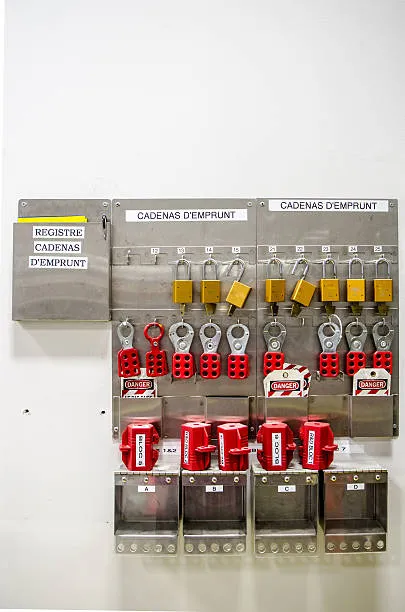
Factors to Consider in Choosing the Right Lock Body Material
After understanding lockout/tagout regulations, it’s crucial to consider the following factors when choosing the right lock body material:
- Durability is paramount in ensuring long – term use.
- Corrosion resistance, especially in harsh environments, is essential.
- Compatibility with the machinery or equipment being locked out must be ensured.
- Lightweight materials for ease of handling and portability are beneficial.
- Weather resistance to withstand outdoor conditions is important.
- Non – conductive materials for electrical lockouts to prevent accidents.
- Colour options for easy identification and compliance with industry standards.
Key Features to Consider
When choosing the right lockout safety lock, consider these key features:
- Sturdy Material: Opt for locks made of durable materials such as reinforced steel or aluminium to ensure longevity and resistance to corrosion.
- Keying Options: Look for locks with various keying options such as keyed different, keyed alike, or master-keyed systems to suit your specific security needs.
- Colour Coding: Choose locks with vibrant colours to aid quick identification and enhance visual communication in the workplace.
- Customisable Labels: Seek locks with space for customised labels or engravings to include essential information like employee names and lockout dates.
- Shackle Length: Select locks with adjustable shackle lengths to accommodate different lockout points and equipment sizes.
- Compliance Certifications: Ensure that the locks comply with relevant industry standards and regulations for added peace of mind.
- Tamper Resistance: Prioritise locks equipped with tamper-resistant features to prevent unauthorised access attempts and ensure maximum security.
- Integrated Safety Hasp: Consider locks with integrated safety hasps that allow multiple workers to attach their individual padlocks during group lockout situations.
Common Mistakes to Avoid
Choosing a safety padlock without considering the durability of the lock body material.
The 8 Steps of a Lockout Tagout Procedure
- Identify the Energy Source: Locate and identify all energy sources.
- Notify Affected Employees: Inform affected employees about the lockout/tagout procedure.
- Shut Down Equipment: Turn off the equipment following standard operating procedures.
- Isolate the Energy Source: Isolate the energy source by using appropriate lockout devices.
- Attach Lockout/Tagout Devices: Securely attach lockout/tagout devices to each isolation point.
- Release Stored Energy: Dissipate or restrain any stored or residual energy.
- Verify Isolation and Start-up: Ensure that all energy sources are isolated and verify equipment de-energisation before starting work.
- Remove Lockout/Tagout Devices: Only authorised employees should remove lockout/tagout devices after completing work.
Building a Stronger Energy Program with Lockout Tagout
After implementing the 8 Steps of a Lockout Tagout Procedure, businesses can further strengthen their energy programme by incorporating lockout tagout practices. This is crucial for ensuring workplace safety and preventing hazardous energy-related incidents.
By integrating lockout tagout systems into your energy programme, you can effectively control all types of hazardous energy sources and minimise the risk of injuries or fatalities.
Additionally, a robust lockout tagout programme enhances operational efficiency and compliance with safety regulations, contributing to a safer work environment for employees.
With a comprehensive lockout tagout system in place, businesses can systematically isolate energy sources during maintenance or servicing activities. This proactive approach not only safeguards personnel but also protects equipment from damage caused by unexpected energisation.
Moreover, an effective lockout tagout programme signifies a commitment to prioritising employee well-being while promoting productivity and adherence to regulatory standards within the workplace.

Conclusion
Choosing the right lockout safety lock is crucial for ensuring workplace safety and compliance with regulations. The strategies outlined in this guide offer practical and efficient approaches to selecting the best lockout tagout locks. By implementing these methods, businesses can significantly improve their energy programme and prevent potential accidents or hazards.
For further guidance, consider seeking additional resources or training on lockout tagout procedures for a more comprehensive understanding of workplace safety measures. Choosing the right lockout safety lock is now easier with our comprehensive guide. Let WorkSafe Lockout be your partner in navigating the world of lockout safety. Remember, making informed decisions about lockout tagout locks is key to creating a secure work environment that prioritises employee well-being and regulatory adherence.
Sorting out lockout for your own site?
Describe what needs isolating and we'll help you work out the setup that fits.