

Let’s talk about lockout/tagout, a vital safety procedure that keeps workers safe from the dangers of unexpected energy releases while fixing machines. Imagine it like putting a big, sturdy padlock on machinery so no one can start it up by accident. This process is so important, in fact, it helps prevent around 50,000 injuries every year! Think of a lockout/tagout program as a set of steps; starting with getting ready to shut down equipment all the way to checking that everything is safely turned off.
As business owners, we have the responsibility to teach our teams how to use tools and systems correctly – this means having easy access to resources like CCOHS guides. By keeping our lockout/tagout plans up-to-date, we’re making sure they do their job in stopping machines from starting unexpectedly and reducing risks at work. Learning more about these practices can really strengthen your understanding and help you make your workplace even safer. Now let’s unlock the knowledge on how these simple devices bring big benefits for everyone at work.

Understanding Lockout/Tagout
Understanding Lockout/Tagout is crucial for workplace safety. It involves de-energising equipment to prevent hazardous energy release, protecting employees from potential harm.
What is Lockout/Tagout?
Lockout/Tagout refers to specific practices and procedures to safeguard employees from the unexpected energisation or startup of machinery and equipment. It involves placing a lock or tag on energy-isolating devices according to an established protocol, ensuring that machines remain inoperative while maintenance or servicing work is being done.
This process is vital for preventing workplace hazards associated with electrical, mechanical, hydraulic, pneumatic, chemical, thermal or other forms of hazardous energy. When workers perform equipment maintenance without proper lockout/tagout procedures, they risk severe injuries from sudden machine start-up.
Our role as business owners includes implementing these safety measures diligently to protect our teams and ensure compliance with occupational health and safety regulations.
What Does De-energisation Mean?
De-energisation means shutting off the power supply to a piece of equipment or machinery before performing any maintenance or servicing. It involves isolating the energy sources that power the equipment, such as electrical circuits, hydraulic systems, or pneumatic systems.
This process ensures that no accidental start-up can occur while work is being carried out on the machine. De-energisation is a critical step in creating a safe workplace environment and preventing accidents related to unexpected energisation of machinery.
To de-energise effectively, all energy sources must be identified, locked out using appropriate lockout devices, and verified to ensure complete isolation before any work begins. This essential procedure safeguards employees by minimising risks associated with trying to service or repair energised equipment, reducing potential hazards like electrical shock and contact with moving parts during maintenance tasks.
Importance of Lockout/Tagout
Lockout/Tagout is crucial for preventing hazards, protecting employees and boosting workplace safety. It helps in ensuring that machinery and equipment are properly de-energised before servicing or maintenance to prevent accidental start-up.
Preventing Hazards
Preventing hazards is crucial for maintaining a safe workplace environment. Identifying potential risks and implementing lockout/tagout procedures effectively prevents accidental machine start-up, electrical circuit de-energising, and moving parts securing.
These control measures ensure the safety of employees during equipment servicing and valve closing, thus safeguarding against industrial accidents and promoting machinery safety.
Implementing effective lockout/tagout procedures helps in preventing workplace health and safety issues. Energy isolation through proper lockout/tagout techniques significantly reduces the risk of equipment-related accidents, ensuring the well-being of all workers involved.
Protecting Employees
Lockout/Tagout is crucial for protecting employees from the potentially disastrous consequences of accidental machine start-up. When lockout safety locks are properly implemented, they play a vital role in preventing hazards and ensuring employee safety.
By de-energising equipment and applying appropriate lockout/tagout devices, the risk of electrical circuit de-energising or industrial accidents can be significantly reduced. This comprehensive approach to safety procedures effectively safeguards workers against unexpected machine startup and helps boost overall workplace safety.
Now that we’ve discussed how lockout/tagout measures protect employees, let’s delve into the essential steps for implementing a successful lockout/tagout program.
Boosting Workplace Safety
Boosting workplace safety involves implementing robust lockout/tagout procedures to prevent hazards and protect employees. De-energising equipment before maintenance or servicing is crucial in preventing accidental machine start-up, thereby reducing the risk of injuries.
By using safety locks and tags, businesses can effectively isolate energy sources, such as electrical circuits, ensuring that machines remain off during maintenance. This proactive approach significantly reduces the likelihood of workplace accidents and promotes industrial safety for all employees.
Instilling a culture of lockout/tagout within the workplace not only complies with safety regulations but also fosters a secure working environment. Proactive measures like lockout/tagout are instrumental in preventing hazards and minimising risks associated with machinery start-up and energised equipment.
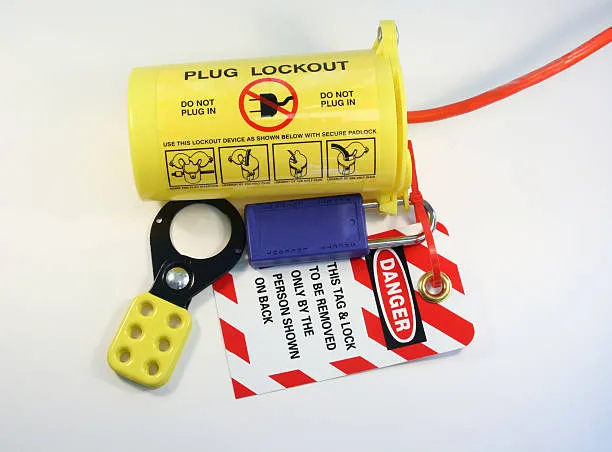
Implementing a Lockout/Tagout Programme
When implementing a Lockout/Tagout Programme, it is important to clearly define the purpose and responsibilities of all employees involved. Detailed procedures and work instructions should be established to ensure proper implementation and adherence to safety protocols.
Purpose and Responsibilities
The purpose of a lockout/tagout programme is to protect employees from the unexpected startup of machinery or electrical equipment during maintenance work. Business owners have the responsibility to establish and enforce lockout/tagout procedures to prevent accidents and ensure workplace safety.
It is crucial for employers to provide proper training, maintain equipment, and regularly review and update their lockout/tagout programme to uphold their responsibilities in creating a safe working environment.
Business owners must designate authorised employees who are trained to perform specific lockout/tagout duties, including isolating energy sources, applying locks and tags, and verifying isolation.
Details of Procedures and Work Instructions
To ensure the effectiveness of a lockout/tagout programme, it is essential to establish clear procedures and work instructions. First, identify all energy sources needing control and create detailed shutdown procedures for each piece of equipment.
Document these steps in a clear and accessible manner to eliminate confusion during implementation. Secondly, develop comprehensive step-by-step guidelines for isolating equipment from its energy source and applying lockout/tagout devices.
These instructions should be easy to understand and follow, ensuring that employees can carry out the process confidently and accurately. Regular reviews of these procedures are crucial to address any changes in machinery or processes.
Moreover, training programmes on the established procedures are vital for all relevant personnel involved in lockout/tagout operations. By providing extensive hands-on training sessions with real-world scenarios, employees gain practical experience in executing proper lockout/tagout techniques effectively.
Additionally, conducting regular assessments of employee understanding and skills helps maintain a high level of proficiency within the workforce – ultimately contributing to a safer work environment overall.
Steps for Proper Lockout/Tagout
Preparation for Shutdown involves identifying the energy sources, notifying affected employees and ensuring proper equipment shutdown. Equipment Isolation includes disconnecting power sources, blocking valves and relieving stored energy.
Application of Lockout/Tagout Devices ensures that only authorised employees are able to remove the devices once in place, while Verification of Isolation is crucial to confirm that the energy isolation has been successful before work begins.
Preparation for Shutdown
Before shutting down equipment, it is important to identify all energy sources and establish a clear plan. Begin by communicating the shutdown with affected employees, as well as any relevant departments.
Next, ensure that appropriate lockout/tagout devices are available for use. Then, conduct a thorough inspection of the equipment and surrounding areas to locate all energy isolation points.
After that, secure all necessary tools and personal protective equipment (PPE) required for the procedure.
Once everything is in place, proceed with releasing any stored energy from the system following established safety procedures. De-energise equipment according to specific guidelines and regulations while keeping in mind potential hazards such as electrical shock or unexpected machinery start-up.
Equipment Isolation
After the preparation for shutdown has been completed, the next crucial step in implementing a proper lockout/tagout procedure is equipment isolation. This involves ensuring that all energy sources are effectively cut off from the machine or equipment before any maintenance or servicing work begins.
This step reduces the risk of accidental machine start-up, preventing potential hazards and safeguarding the well-being of employees.
Employees need to be trained on how to identify and isolate different types of energy sources, such as electrical, mechanical, hydraulic, or pneumatic power. Clear guidelines and procedures must be in place to ensure that all energy isolating devices are properly secured and labelled with lockout/tagout devices before commencing any maintenance tasks.
Application of Lockout/Tagout Devices
To apply lockout/tagout devices, follow these steps carefully. First, identify the energy sources and ensure they are de-energised. Then, isolate the equipment from its energy source by using lockout/tagout devices to prevent accidental start-up.
Next, affix the devices securely in place to maintain isolation. Finally, verify that all hazardous energies have been effectively isolated before starting any maintenance or servicing work.
Always use standardised lockout/tagout procedures and ensure that all employees are adequately trained on their proper application. Regularly review and update the procedures to keep them aligned with changing workplace conditions and equipment configurations for enhanced safety measures.
Verification of Isolation
After applying the lockout/tagout devices, it’s crucial to verify that the isolation of energy sources has been effective. This involves testing each lock to confirm that it cannot be removed and ensuring that the equipment remains inoperable.
By physically trying to start up machinery or attempting to energise electrical circuits (once confirmed safe), employees can double-check that isolation measures are successful before commencing work.
Regular verification helps prevent accidental machine startups and reinforces a culture of safety within the workplace.
Conducting a thorough verification process is essential for safeguarding against potential hazards and protecting employee well-being. It also promotes a secure working environment where everyone can be confident in their safety procedures, knowing they have taken every necessary precaution.
This level of diligence contributes significantly to overall workplace safety.
Additional Resources
For those interested in further exploring lockout/tagout, there are various related articles and guides available. CCOHS offers products and services for workplace safety.
Related Articles and Guides
As business owners, it’s crucial to access related articles and guides that provide valuable insights into lockout/tagout procedures and best practices. Here are some resources to further expand your understanding:
- “OSHA’s Control of Hazardous Energy (Lockout/Tagout)” – This article provides detailed information on OSHA’s regulations and standards for lockout/tagout procedures, helping you ensure compliance with safety guidelines.
- “Lockout/Tagout: A Practical Approach” – This guide offers practical tips and techniques for implementing an effective lockout/tagout programme in the workplace, enhancing workplace safety and reducing potential hazards.
- “The Importance of Employee Training in Lockout/Tagout Procedures” – This resource underscores the significance of employee training in ensuring proper execution of lockout/tagout procedures, highlighting the benefits of investing in comprehensive training programmes.
CCOHS Products and Services
Transitioning from “Related Articles and Guides,” business owners can benefit from the wide range of products and services offered by CCOHS. These include training resources, informative articles, and helpful guides specifically designed to support businesses in implementing effective lockout/tagout programmes.
The comprehensive selection of products and services provided by CCOHS ensures that businesses have access to all the necessary tools and knowledge to enhance workplace safety through proper lockout procedures, minimising risks associated with accidental machine start-up and electrical hazards.
WorkSafe LockOuts Introduction to Lockout/Tagout Devices
WorkSafe LockOuts presents an innovative range of lockout/tagout devices designed to ensure the safety of your employees and prevent accidental machine start-ups. These durable and reliable devices enable the de-energising of electrical circuits, effectively preventing hazards and boosting workplace safety.
With WorkSafe LockOuts emphasis on ease-of-use and durability, business owners can confidently implement a comprehensive lockout/tagout programme to protect their workers and comply with safety regulations.
Transitioning to “Understanding Lockout/Tagout”, let’s delve deeper into the importance of energy de-energising and how it safeguards your employees from potential risks.
Conclusion
We have explored the fundamentals of lockout/tagout and its significance in preventing workplace hazards. The steps and procedures outlined offer practical solutions for ensuring employee safety. When implemented effectively, these strategies can significantly reduce the risk of accidental machine start-ups.
Remember to stay informed about related articles, guides, and available lockout/tagout devices for comprehensive protection. Now that you understand lockout safety locks and their benefits, take the next step. Invite WorkSafe Lockout to assist you in implementing your lockout safety strategies. Let’s take action today to create a secure work environment for everyone involved.
Sorting out lockout for your own site?
Describe what needs isolating and we'll help you work out the setup that fits.