
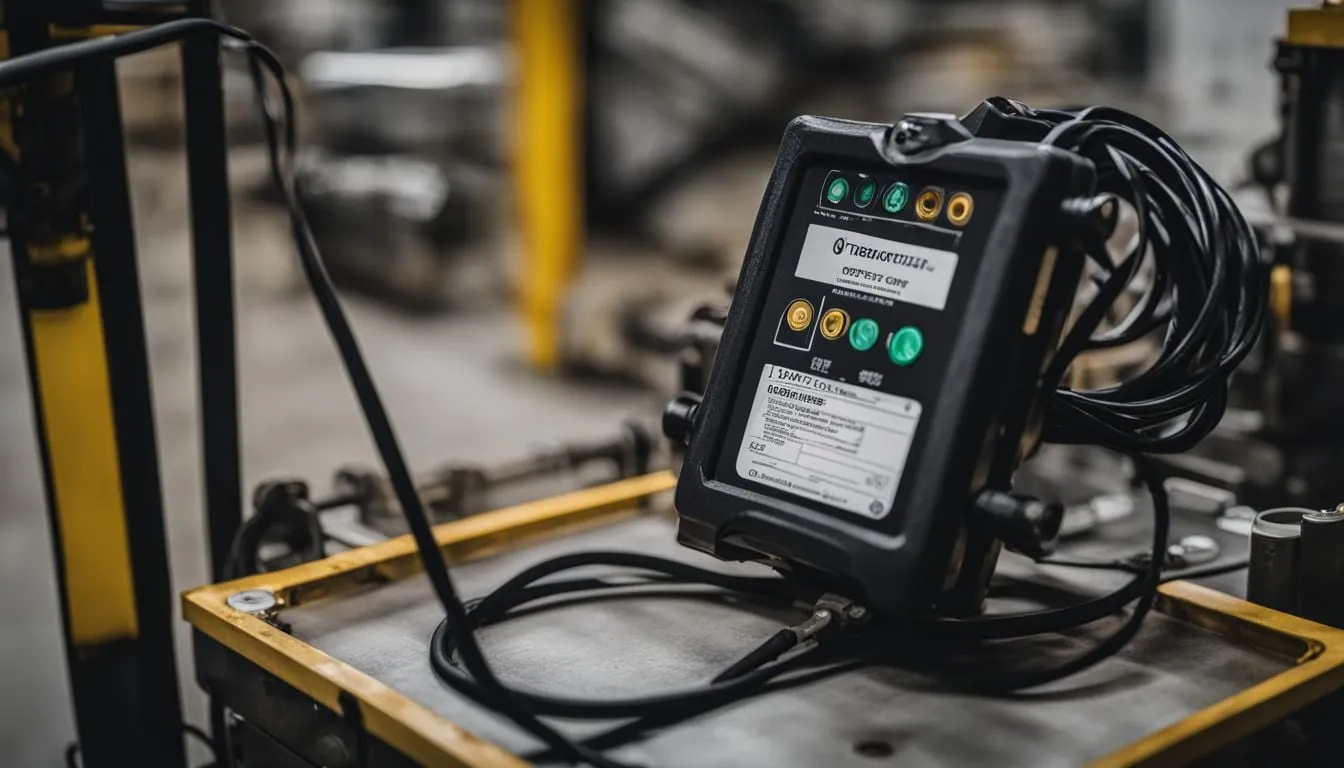

Keeping the crew safe around machinery isn’t just on the to-do list, it’s a critical must-do that they’re all too familiar with. Every day, like you, we’re knee-deep in navigating a sea of regulations, while also chasing down safety solutions that actually hit the mark.
Fair dinkum, sticking to lockout/tagout (LOTO) procedures is no joke; they reckon it dodges about 120 fatal mishaps and prevents some 50,000 injuries each year. Our blog’s got the nuts and bolts on lockout safety locks, it’s chockers with everything you need to keep your team out of harm’s way.
So let’s crack on and make sure safety isn’t just another box ticked at your worksite!
Understanding Lockout/Tagout Safety

As we explore the intricacies of lockout/tagout safety, let’s begin with its core function: protecting our team from unexpected startups or energy releases during equipment maintenance.
This process involves placing a lock or tag on an energy-isolating device, ensuring that machinery remains inoperative while service work is performed. It’s not just about compliance; it’s about cultivating a culture of safety within our business.
We equip ourselves with knowledge on various types of locks and tags and their appropriate applications because proper use is critical to safeguarding employees from harm. Locks are physically robust devices securing isolation points against energisation, while tags provide warning information and cannot secure energy isolation by themselves.
Mastery of these tools allows us to execute lockout/tagout procedures reliably, preventing accidents and enhancing workplace safety measures for everyone involved in operating or maintaining heavy machinery.
Importance of Lockout/Tagout Systems

Lockout/tagout systems are the cornerstone of workplace safety, especially when dealing with machinery that could potentially release hazardous energy. These procedures safeguard employees from the unexpected startup of equipment or the release of stored energy while maintenance is conducted.
Implementing a robust lockout/tagout programme not only prevents accidents but also instils a culture of safety among staff. It’s essential in meeting OSHA regulations and avoiding costly fines for non-compliance.
Having these controls in place significantly reduces the risk of injury and fatalities, creating a safer work environment for everyone involved. Lockout/tagout systems are pivotal in equipment maintenance safety, ensuring that once a machine is turned off, it stays off until necessary repairs or inspections are fully completed.
This caution protects our team members from harm and maintains operational efficiency by minimising down time due to accidents or unsafe conditions. We see this as an investment in our people and business – one where cutting corners simply isn’t an option.
Difference Between Lockout and Tagout

Having explored the significance of lockout/tagout systems, let’s now distinguish between the two practices. Lockout involves placing a physical lock on an energy isolating device.
This prevents machinery from being energised and ensures that equipment remains inoperable while maintenance or repairs are underway. A lock can be a padlock or another type of locking mechanism, and it typically comes with a unique key to ensure that only authorised individuals have access to unlock the device.
On the flip side, tagout is a warning system. It uses tags rather than locks to signal that equipment should not be operated. These tags act as visual alerts for employees, indicating ongoing maintenance or servicing tasks.
Although they provide notification, tags don’t offer the same physical restraint as locks do; hence they are often used in combination with lockouts for optimal safety measures in compliance with workplace safety standards.
Together, these strategies form a robust barrier against accidental activation of machinery during vulnerable periods when workers could be at risk.
Key Components of a Comprehensive Lockout/Tagout Procedure

- Clear procedural guidelines: They must establish specific instructions for each type of machinery or equipment. This includes detailed steps showing how to shut down, isolate, and secure machines with LOTO devices.
- Proper identification: It entails labelling all energy control points clearly so they are easily identifiable. Equipment should have tags indicating its lockout status, including the name of the person who applied the lock and tag.
- Appropriate training: Employees need thorough training on LOTO procedures tailored to their role – authorised employees who apply locks and tags require different instruction than those who operate around locked-out equipment.
- Necessary LOTO devices: We must provide an array of suitable locks and tags that fit various types of switches, valves, and other energy isolating devices. They must be durable, standardised in colour, shape or size, and only removed by the person who applied it or through an established removal process.
- Regular inspections: To verify that our LOTO procedures are being followed correctly, we conduct periodic inspections. These check-ups help identify any deviations or misunderstandings that could lead to hazardous situations.
- Documentation management: Keeping records helps monitor adherence to safety protocols. Documentation can include logs of when locks were placed or removed, as well as maintenance schedules showing previous lockouts.
- Energy control programme audits: An ongoing process where we evaluate the effectiveness of our energy control programme is essential. Audits allow us to make necessary updates keeping pace with new technologies or changes in OSHA regulations.
Understanding Isolation Devices for Effective Hazard Control
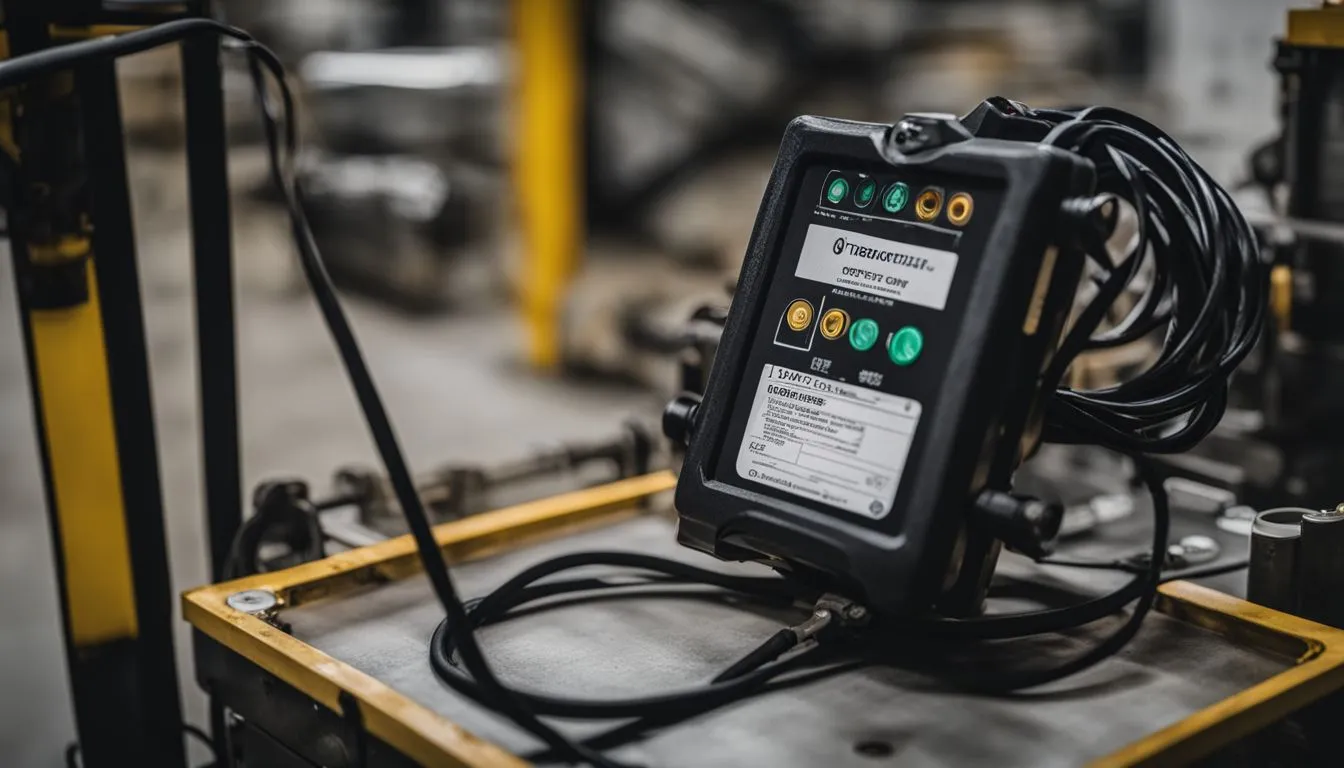
An Energy Isolating Device is a mechanical device that physically prevents the transmission or release of energy, while a Lockout Device holds the energy-isolating device in a safe position and prevents operation.
Tagout Devices are used as warning devices to indicate that an energy isolating device and lockout device have been applied. Understanding these isolation devices is crucial for effective hazard control in workplace safety.
What is an Energy Isolating Device?
Energy isolating devices are critical tools in maintaining a safe work environment, especially when they’re dealing with machinery that can store hazardous energy. These devices physically prevent the transmission of energy to an equipment, effectively sealing it off during maintenance or repair.
They come in various forms including circuit breakers, line valves, and disconnect switches – each designed for specific types of machinery and energy sources.
Lockout devices build upon this safety by securing the energy isolating device in the safe position. This ensures that while a piece of equipment is being serviced or repaired, there’s no risk of accidental energising or startup.
It’s our responsibility to familiarise ourselves with these systems to avoid workplace accidents and uphold the strictest safety standards.
What is a Lockout Device?
A lockout device is a crucial tool that ensures the safety of employees during equipment maintenance by securing hazardous energy sources. It’s a physical barrier we attach to energy-isolating devices, like circuit breakers or valves, preventing the release of harmful energy while repairs are underway.
These devices come in various forms including padlocks, hasps, gate valve covers and ball valve lockouts; each designed to fit different sizes and types of machinery controls.
Lockout devices offer clear evidence that maintenance work is occurring which helps prevent accidental energisation. Using them correctly is not just about compliance with workplace safety regulations; it’s about protecting lives.
Our commitment to preventing injuries means understanding these tools inside out – we know they’re more than accessories; they’re lifesavers on the shop floor. Durable and easy to use, they’re an investment in our collective security and peace of mind on site.
What is a Tagout Device?
While a lockout device physically secures an energy source, a tagout device serves as a warning. It’s essentially a label or tag that attaches to the lockout mechanism, clearly stating that the equipment should not be operated until the tag is officially removed.
This visual deterrent contains vital information such as who has authorised the shut down, why it’s out of service, and when it was tagged out. They want you to picture vibrant tags with bold lettering clinging to machinery like red flags waving at anyone nearby – they shout “Danger!” and safeguard lives by alerting workers about potential hazards.
Tagout devices are crucial in reminding everyone on site that touching this equipment could lead to disaster. They don’t just communicate risks; they also provide accountability and traceability for maintenance work in progress.
While these tags can’t prevent re-energizing on their own – unlike locks – they play an integral role when used alongside lockouts as part of our adherence to rigorous safety protocols.
Use them consistently, and watch them become silent guardians in your workplace safety arsenal, helping us protect our greatest asset: our people.
Lockout Tagout and Machine Guarding

Machine guarding is a critical aspect of workplace safety. Proper machine guarding prevents employees from being exposed to moving parts and potential hazards, reducing the risk of accidents and injuries.
Employing lockout/tagout procedures in conjunction with machine guarding ensures that equipment is de-energised before maintenance or servicing to prevent unexpected start-ups, further enhancing workplace safety.
Using effective lockout/tagout systems alongside robust machine guarding not only safeguards employees but also minimises the risk of equipment damage. By integrating these measures into daily operations, businesses can create a secure environment while promoting efficient equipment maintenance practices.
OSHA Lockout Tagout Standard

The OSHA Lockout/Tagout Standard is a crucial regulation that aims to protect workers from hazardous energy sources during maintenance and servicing of machinery. It outlines specific procedures and requirements for the control of hazardous energy, ensuring the safety of employees in the workplace.
OSHA Lockout/Tagout Exceptions
- Minor Servicing Activities: These may be exempt from the full lockout/tagout procedure when completed during normal production operations.
- Cord and Plug Equipment: If the equipment is under exclusive control, unplugging it might suffice as an alternative to lockout/tagout procedures.
- Normal Production Operations: In some cases, servicing conducted during “normal production operations” doesn’t require a complete shutdown of machinery or equipment.
- Employee Exposure: If there is no potential for unexpected energisation or startup of machinery during servicing, some exceptions may apply.
OSHA Lockout/Tagout Violations
Transitioning from OSHA Lockout/Tagout Exceptions to OSHA Lockout/Tagout Violations, it is important for business owners to be aware of the consequences of non-compliance with the OSHA standards. Understanding and avoiding lockout/tagout violations can help businesses maintain a safe working environment and prevent potential accidents and penalties. Here is a detailed list of OSHA lockout/tagout violations:
- Failure to establish a written and specific lockout/tagout procedure for each piece of equipment.
- Lack of employee training on lockout/tagout procedures, resulting in inadequate understanding and implementation.
- Failure to conduct periodic inspections of energy control procedures to ensure effectiveness.
- Non – usage or lack of properly designated locks and tags for energy isolation devices during servicing or maintenance activities.
- Inadequate documentation or failure to maintain complete records related to lockout/tagout procedures and training.
The Role of Various Stakeholders in a Lockout Tagout

Various stakeholders play crucial roles in ensuring the successful implementation of a lockout/tagout programme. As business owners, it’s essential to involve employees at all levels, from frontline workers to management, in the development and execution of lockout/tagout procedures.
This collaboration fosters a culture of safety and ensures that everyone understands their responsibilities in maintaining equipment safety and preventing hazardous energy-related incidents.
Additionally, seeking input from equipment maintenance personnel, safety professionals, and relevant regulatory authorities can provide valuable insights for creating comprehensive lockout/tagout protocols that comply with industry standards and regulations.
Effective communication and training are imperative for engaging stakeholders in lockout/tagout processes. Providing clear instructions on lockout/tagout procedures through proper training programmes can help ensure understanding and compliance across all levels within the organisation.
Regular communication regarding updates to procedures or any changes related to machinery or workplace operations is also essential for keeping stakeholders informed about potential hazards and protocol modifications.
Comprehensive Guide to Lockout Tagout (LOTO) Devices

In this section, we will delve into the various LOTO devices and their functions. From LOTO boxes to lockout locks and tags, we’ll provide a comprehensive guide that outlines how these devices work and their importance in ensuring workplace safety.
What is a LOTO Box?
A LOTO box, short for Lockout/Tagout box, is a crucial component of a comprehensive lockout/tagout procedure. It serves as a secure repository for keys to the individual locks used during maintenance or servicing procedures.
These boxes are usually made of durable materials like metal or high-quality plastic and contain multiple slots to accommodate various padlock keys. Each authorised employee involved in the lockout process may place their personal padlock key into the LOTO box while they work on the equipment or machinery.
The main purpose of using a LOTO box is to ensure that only employees who have locked out devices have access to re-energise them once work is complete, maintaining safety standards and preventing accidents caused by unintentional machine start-ups.
The use of a LOTO box also provides an easily identifiable location for all lockout/tagout keys, streamlining the process and ensuring all necessary precautions are taken before equipment can be safely operated again.
How Does a Lockout Box Work?
A lockout box is a vital part of the lockout/tagout procedure in ensuring workplace safety. The box securely houses the keys to the locked-out equipment, ensuring that only authorised personnel can access them.
Each worker places their individual padlock on the box before starting work, indicating that they are working on the equipment and have control over it. This prevents accidental re-energising of machines while maintenance or servicing is in progress, significantly reducing the risk of injury or accidents due to unexpected energisation.
The lockout box works by providing a secure location for all keys involved in locking out particular machinery or equipment. It acts as an added layer of protection, offering peace of mind to both workers and management, knowing that hazardous energy sources are effectively controlled.
Colours of Lockout Locks and Tags
Colours play a crucial role in lockout safety procedures, aiding quick identification and communication. Each colour represents a specific type of energy control to prevent accidents or injuries in the workplace.
For instance, red is used for electrical isolation, while yellow signifies mechanical lockouts. This visual coding system simplifies the recognition and understanding of different types of hazardous energy sources, promoting safer work environments and efficient equipment maintenance protocols.
Implementing standardised colours for lockout locks and tags ensures consistent adherence to safety regulations across various industrial settings. Businesses can enhance worker protection by clearly defining and using these designated colour codes for their lockout/tagout devices.
Ultimately, this straightforward approach facilitates effective hazard control measures while mitigating potential risks associated with machinery operations or maintenance activities within the workplace environment.
Detailed 7 Steps of Lockout Tagout Procedure

The detailed 7 steps of a lockout tagout procedure provide a systematic approach to ensuring safety during equipment maintenance and repair. Each step is crucial for preventing hazardous energy accidents in the workplace.
Curious to learn more about these essential steps? Keep reading for comprehensive coverage on lockout safety locks.
Preparation
Before initiating the lockout/tagout procedure, it is crucial for businesses to prepare meticulously. This involves assembling a team that comprehends the significance of safety lockout practices and can manage any potential risks efficiently.
Clear communication about the scheduled lockout operation among all personnel involved should be prioritised. Identifying any energy sources that need isolation as well as compiling a comprehensive list of required tools and equipment must not be overlooked to ensure a smooth implementation of the procedure.
Additionally, ensuring that all necessary lockout/tagout equipment such as locks, tags, hasps, and other devices are readily available is imperative for seamless execution. Adequate training regarding responsibilities during a lockout/tagout should be provided to employees involved in these procedures.
Shut Down
After the preparation phase, it is essential to initiate the shut-down process of the equipment before proceeding with lockout/tagout procedures. This involves turning off power sources, depressurising systems, and ensuring all moving parts come to a complete stop.
Clear communication among team members plays a vital role in coordinating this step effectively. Shutting down equipment safely mitigates potential hazards and sets the stage for successful lockout/tagout implementation.
Engaging employees in comprehensive training on the proper procedure for shutting down machinery ensures that every operator understands their role in executing this critical safety measure.
Isolation
After completing the shutdown process, the next vital step in a comprehensive lockout/tagout procedure is isolation. Isolation involves effectively disconnecting the equipment or machinery from its energy source to ensure no unexpected start-up occurs during maintenance or servicing.
This can be achieved through controlling and de-energising specific energy sources, such as electrical, mechanical, hydraulic, pneumatic, chemical, and thermal energies. By isolating the equipment from its power source and ensuring zero stored energy remains within the system, businesses can significantly reduce the risk of workplace accidents and create a safer environment for employees.
Implementing thorough isolation procedures not only safeguards personnel from hazards but also protects valuable equipment from damage caused by accidental activation during maintenance activities.
Lockout/Tagout
Understanding the importance of lockout/tagout procedures for safeguarding employees and equipment is crucial within any workplace. Implementing these safety measures prevents unexpected energisation or startup of machinery and equipment, thereby protecting workers from hazardous energy sources.
Through comprehensive lockout/tagout systems, businesses can ensure compliance with HSE regulations while promoting a culture of workplace safety.
Deploying robust lockout/tagout protocols can significantly mitigate the risks associated with servicing or maintaining equipment, reducing the likelihood of accidents and injuries.
Stored Energy Check
After completing the lockout/tagout procedure, it is essential to conduct a thorough stored energy check. This step involves identifying and verifying that no residual energy remains in the equipment or machinery.
This can include hydraulic pressure, electrical charge, or any other potential sources of hazardous energy that could cause unexpected start-up or movement. It’s crucial to ensure that all hazardous energy sources are effectively isolated and controlled before any maintenance work is commenced.
Checking for stored energy involves testing equipment controls, using appropriate measurement devices, and physically inspecting individual components for any signs of remaining energy.
Isolation Verification
Before re-energising the equipment, it’s crucial to ensure that complete isolation has been achieved. This involves physically verifying that all energy sources have been effectively isolated according to the lockout/tagout procedure.
This verification process may include visually checking for disconnected power sources, testing electrical circuits with a voltage meter, and confirming that stored energy has dissipated.
They must then secure the area and remove any lockout devices before reactivating the machinery to prevent workplace accidents or injuries.
Re-Energising Equipment
After thoroughly verifying the isolation of energy sources, it is crucial to proceed with re-energising equipment in a safe and controlled manner. Before restoring power or energy to the machinery, conduct a final check to ensure that all employees are in a safe position and that the work area is clear of any potential hazards.
Once verified, gradually re-energise the equipment while closely monitoring for any unexpected movements or sounds that could indicate an issue. Use caution and follow established lockout tagout procedures to prevent untimely accidents or injuries during this critical phase.
Re-energising equipment must be conducted with vigilance and adherence to protocols outlined in the comprehensive lockout tagout procedure. Engaging in this step responsibly minimises risks associated with hazardous energy release and ensures employee safety throughout the process.
Handling Situations Where an Employee is Not Available to Remove the Lock

In situations where an employee is unavailable to remove a lock, it’s imperative to have contingency plans in place. Firstly, consider cross-training employees on lockout/tagout procedures to ensure that there’s always someone present who can safely remove the locks.
Additionally, implementing clear communication channels for employees to indicate when they are about to engage in tasks requiring lock removal is essential. This way, management can ensure that someone else is available to handle the removal if necessary.
Another approach involves designating specific backup personnel responsible for handling lock removal when the primary employee isn’t available. This provides a structured and reliable solution, preventing any delays or compromising safety protocols.
Moving forward with a comprehensive plan for managing such scenarios ensures continued adherence to safety standards and minimises potential risks associated with equipment maintenance and workplace safety.
Establishing a Lockout Tagout Programme

Establishing a comprehensive Lockout Tagout programme is essential for workplace safety. It involves creating effective procedures, conducting regular inspections, and providing thorough training to employees.
To learn more about the crucial aspects of implementing LOTO programmes, keep reading our blog!
Lockout Tagout Procedures
Lockout tagout procedures are essential for maintaining a safe workplace and protecting employees from hazardous energy during equipment maintenance. The comprehensive lockout tagout procedure involves clear preparation, shutting down machinery, isolating energy sources, applying lockout/tagout devices, checking for stored energy, verifying isolation, and finally re-energising equipment under strict supervision.
Implementing these steps diligently ensures that all hazards are effectively controlled before any work is performed on the machinery or equipment.
Understanding and strictly implementing lockout tagout procedures in your workplace not only ensures compliance with safety regulations but also safeguards employees from potential accidents and injuries caused by unexpected energisation of equipment during servicing or maintenance.
Lockout Tagout Inspections
Regular lockout tagout inspections are crucial for ensuring the ongoing safety and effectiveness of your equipment maintenance and workplace safety measures. By conducting routine audits, businesses can identify any potential risks or issues with their lockout tagout procedures, allowing them to take prompt corrective action.
These assessments also serve as an opportunity to reinforce employee protection protocols and ensure compliance with HSE regulations. Implementing frequent LOTO audits not only mitigates hazardous energy-related incidents but also fosters a culture of continuous improvement in industrial safety.
Moreover, reinforcing the importance of lockout tagout inspections empowers businesses to proactively prevent equipment malfunctions and safeguard their employees from potential workplace hazards.
Upholding consistent evaluations assures that proper safety equipment is in place, machinery is effectively shut down during maintenance, and all lockout devices are functioning optimally according to electrical safety standards.
Prioritising lockout tagout inspections underscores a commitment to comprehensive risk prevention while maintaining stringent workplace safety measures.
Importance of Lock Out Tag Out Training

Lockout tagout training is crucial for employee safety and compliance with HSE regulations. Proper training ensures that employees understand the hazards associated with energy sources, as well as how to effectively isolate them using lockout/tagout procedures.
This minimises the risk of workplace accidents, protects equipment from damage, and ultimately promotes a safer working environment for everyone involved.
Training also empowers employees to confidently implement lockout/tagout procedures without hesitation or confusion. By providing comprehensive instruction on proper isolation techniques and equipment usage, businesses can prevent hazardous energy-related incidents and uphold a culture of safety within their operations.
This proactive approach not only safeguards employees but also enhances the overall efficiency and reliability of equipment maintenance processes.
Promoting LOTO Safety

To promote LOTO safety, clear communication of the lockout tagout policy is essential. Establish a system for submitting and receiving LOTO reports, conduct frequent audits, and enforce documentation to ensure adherence to safety protocols.
Clear Definition and Communication of the Lock Out Tag Out Policy
It is essential to provide a clear and concise definition of the lockout/tagout (LOTO) policy, ensuring that all employees understand its significance in maintaining workplace safety.
Clearly communicating the LOTO policy helps in avoiding any confusion or misunderstanding among staff members, promoting a uniform understanding of the procedures and protocols associated with it.
It is vital for business owners to effectively communicate the LOTO policy through extensive training sessions, visual aids such as signs and posters, regular reminders during team meetings, and providing access to written materials outlining the policy.
This approach ensures that all employees are well-informed about their role in adhering to LOTO procedures, contributing to a safer work environment.
In addition to enacting a clear definition of the LOTO policy, efficient communication plays an instrumental role in fostering compliance and accountability amongst employees. Regularly updating workers about any changes or amendments made to the existing LOTO policy further reinforces their awareness and responsibility in adhering to safe practices within the workplace.
System for Submitting and Receiving LOTO Reports
Submitting and receiving Lockout Tagout (LOTO) reports is a vital part of ensuring workplace safety compliance. Utilising an organised system for reporting incidents, conducting LOTO procedures, and tracking equipment maintenance helps to maintain a secure working environment.
Regular submission of LOTO reports allows us to monitor the effectiveness of Locksafe's lockout tagout programme, identify potential hazards, and make necessary adjustments promptly to prevent future accidents or injuries.
Implementing a structured process for submitting LOTO reports promotes transparency and accountability across all levels of the organisation. This system enables us to keep an accurate record of lockout tagout activities, ensuring that all employees are aware of the status of equipment under maintenance.
By streamlining the submission and reception process for LOTO reports, we can maintain a proactive approach towards workplace safety while fostering a culture focused on accident prevention.
Frequent LOTO Audits
Maintaining a robust lockout tagout (LOTO) programme involves conducting frequent audits to ensure compliance with safety protocols and regulations. Regular LOTO audits allow for a comprehensive assessment of the effectiveness of lockout procedures, identification of potential hazards, and validation of employee adherence to safety measures.
These audits serve as a proactive approach to mitigate risks by identifying any gaps in the implementation of lockout tagout procedures and addressing them promptly.
Frequent LOTO audits also contribute to fostering a culture of safety awareness among employees, reinforcing the importance of consistently following established protocols for equipment maintenance and risk prevention.
Enforcing Lock Out Tag Out Documentation
Transitioning from the need for frequent LOTO audits to the pivotal role of enforcing lockout tag out documentation, it is crucial for business owners to understand the significance of stringent enforcement.
By ensuring strict adherence to lockout tag out documentation, businesses can guarantee that safety protocols are consistently followed. This proactive approach not only safeguards employees and equipment but also mitigates potential risks and liabilities associated with non-compliance.
Implementing a robust system for enforcing lockout tag out documentation involves clearly outlining procedures and responsibilities, incorporating regular training sessions, conducting thorough inspections, and maintaining detailed records.
Adherence to Safety: Why Lockout Safety Locks are Crucial for Businesses

Implementing lockout safety locks is imperative for businesses to ensure the protection of employees and equipment. These safety locks prevent the accidental activation of machinery during maintenance or repair, reducing the risk of workplace accidents and injuries.
By using lockout safety locks, businesses can comply with HSE regulations, safeguard against hazardous energy sources, and promote a culture of workplace safety.
Investing in lockout safety locks demonstrates a commitment to employee well-being and reinforces the importance of equipment maintenance. It also minimises downtime due to accidents or equipment damage, ultimately contributing to increased productivity and operational efficiency within the business environment.
Lockout Tagout Software
SafetyCulture (now trading as Mitti by SafetyCulture) publishes a lockout tagout guide, and its platform covers inspections, training, incident reporting and asset management.
Importance of Lockout Tagout Templates

Lockout tagout templates are essential for creating standardised procedures and ensuring that all necessary steps are followed in a consistent manner. These templates help streamline the lockout tagout process, improving efficiency and reducing the risk of human error.
OSHA Lockout Tagout Checklist
Completing an HSE lockout tagout checklist is a vital part of ensuring workplace safety compliance. It involves systematically evaluating your equipment and procedures to guarantee they meet the necessary requirements set forth by HSE regulations.
The checklist typically covers critical areas such as energy isolation, proper lockout tagout devices, employee training, and periodic inspections. By meticulously adhering to the items on this checklist, businesses can significantly reduce the risk of hazardous energy-related incidents occurring in their facilities.
Conducting regular assessments based on the HSE lockout tagout checklist not only fosters a safer work environment but also demonstrates a commitment to employee protection and adherence to industry standards.
Lockout Tagout Procedure Template
When implementing a lockout/tagout programme, having a comprehensive and clearly defined procedure template is crucial. The template should outline the specific steps for preparing, shutting down, isolating, locking out/tagging out equipment, checking for stored energy, verifying isolation, and re-energising equipment.
It should also include instructions on how to handle situations where an employee is not available to remove the lock. By following a well-defined lockout/tagout procedure template, businesses can ensure the safety of their employees and protect against hazardous energy-related accidents.
A thorough lockout/tagout procedure template plays a pivotal role in establishing and maintaining workplace safety measures. It serves as a practical guide for employees to follow when carrying out equipment maintenance tasks while adhering to electrical safety standards and HSE regulations.
Conclusion
In conclusion, the comprehensive coverage of lockout safety locks has provided valuable insights into the importance and impact of implementing effective lockout/tagout procedures.
Practicality and efficiency are at the forefront, ensuring straightforward strategies that can be easily implemented within workplace safety protocols. With a clear emphasis on concrete benefits and the potential for significant improvement in equipment maintenance, the article serves as a motivational guide to inspire proactive changes in safety practices.
For those seeking additional guidance or resources, further reading materials and services are available to support ongoing learning and engagement with this vital topic.
Sorting out lockout for your own site?
Describe what needs isolating and we'll help you work out the setup that fits.