
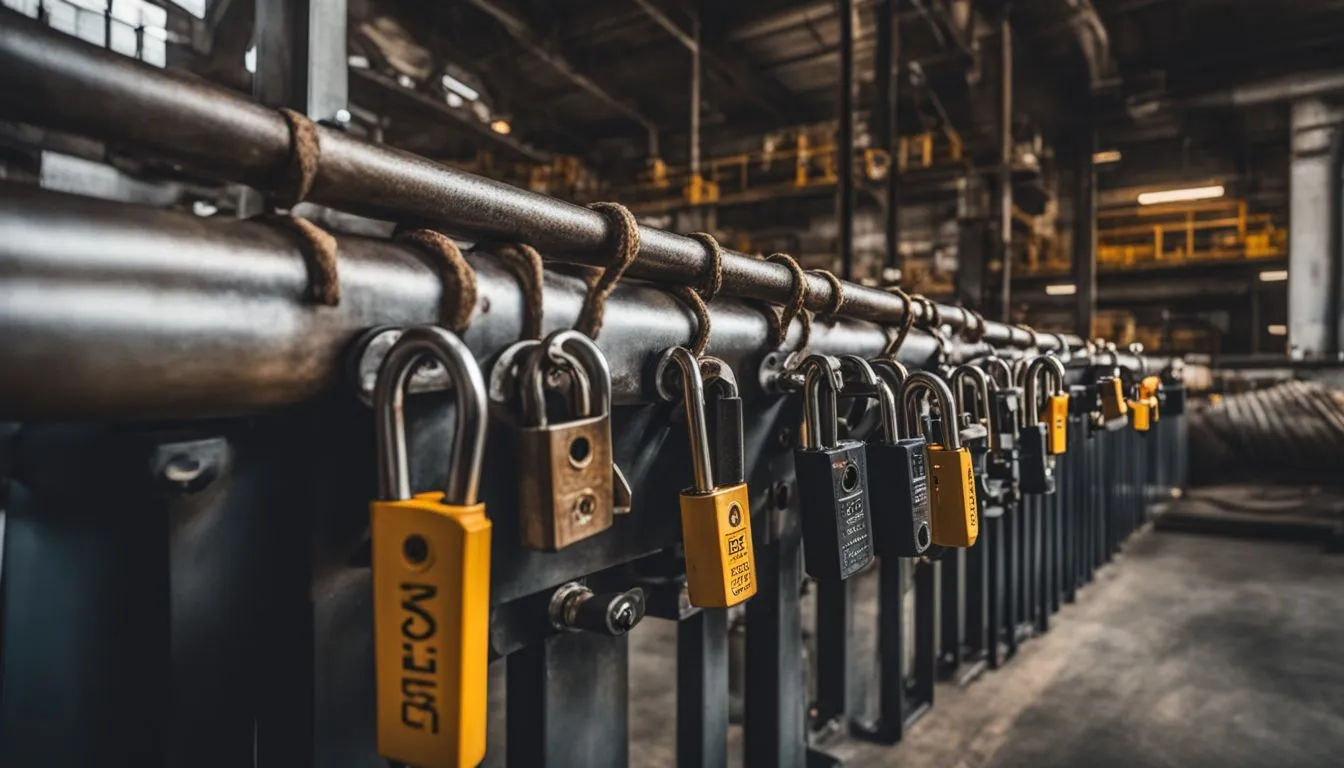
Every business knows the drill when it comes to workplace safety. Like many others, we’ve had our fair share of head-scratching moments, trying to navigate this challenge. It turns out, according to what we’ve dug up, that more than half of industrial mishaps could be avoided if proper safety measures were in place – lockout safety locks being a real game changer.
We’ve rolled up our sleeves and delved deep into a variety of tactics that promise a work environment where your crew can go about their day without a worry. Let’s have a yarn about how these nifty little devices are not just add-ons but absolute essentials for keeping everyone out of strife at work.
Understanding the Importance of Lockout Safety Locks in Business Settings
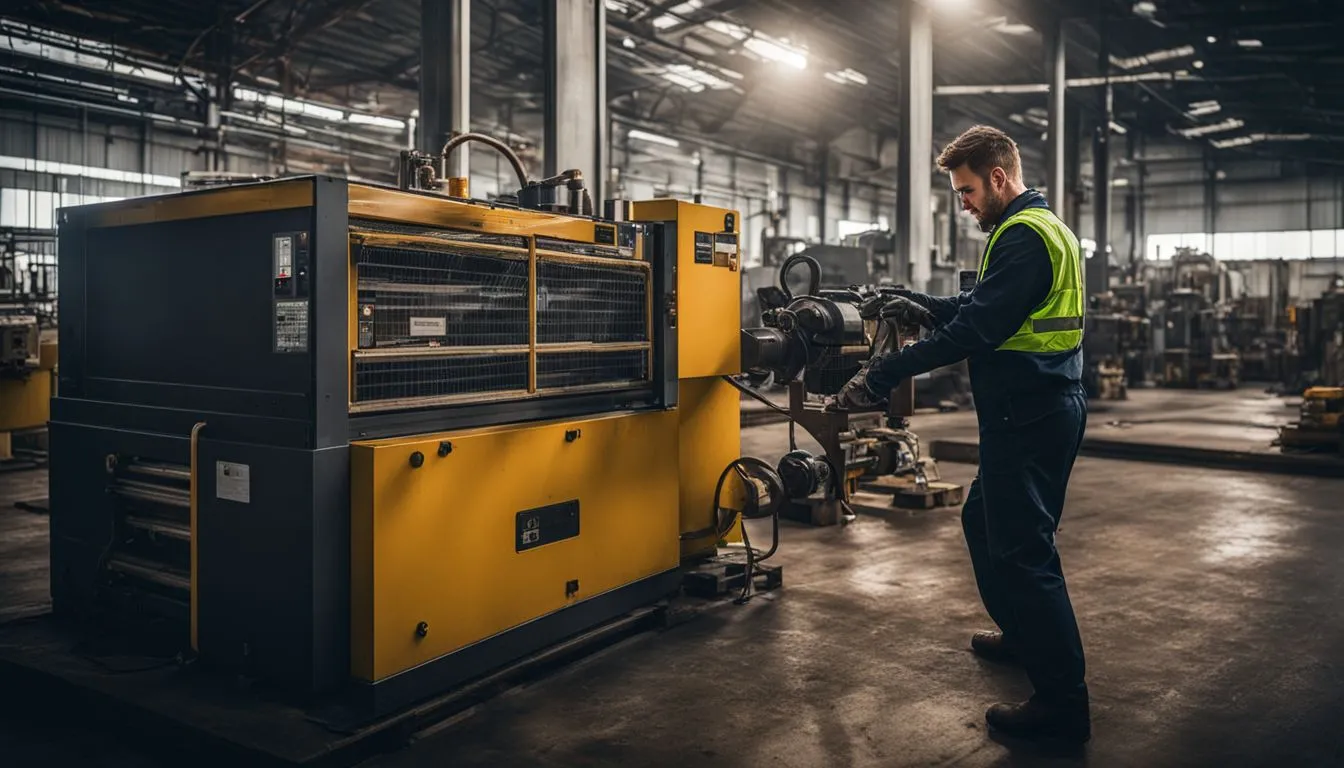
Lockout safety locks play a crucial role in ensuring the safety of employees and complying with occupational health and safety regulations. By using quality lockout devices, businesses can effectively mitigate the risks associated with hazardous energy sources and maintain a safe work environment.
Ensuring Employee Safety
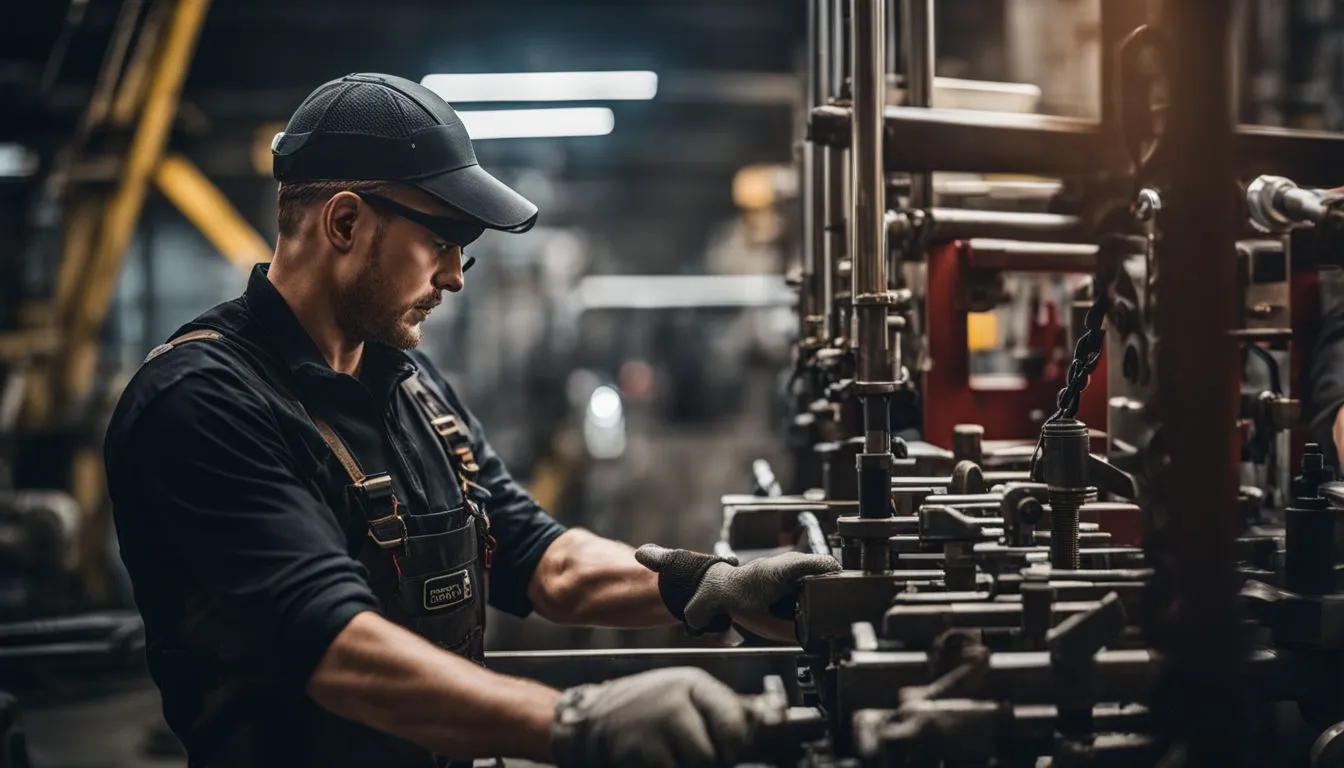
We take the safety of our employees seriously, recognising it as a fundamental right and essential to maintain a productive work environment. Lockout safety locks are vital tools in safeguarding our team from hazardous energy releases during machine maintenance or repairs.
By effectively isolating energy sources with these locks, we prevent accidents and ensure that each member of our crew can perform their duties without fear for their personal well-being.
Employing lockout/tagout procedures not only protects staff but also conveys to them that their health is a priority, fostering a culture of safety within the workplace. As business owners, instilling confidence in your workforce through rigorous adherence to occupational health standards translates directly into operational excellence.
Quality lockout devices keep everyone safe while keeping businesses on the right side of regulatory compliance, dual goals every responsible employer should strive for.
Complying with Safety Regulations
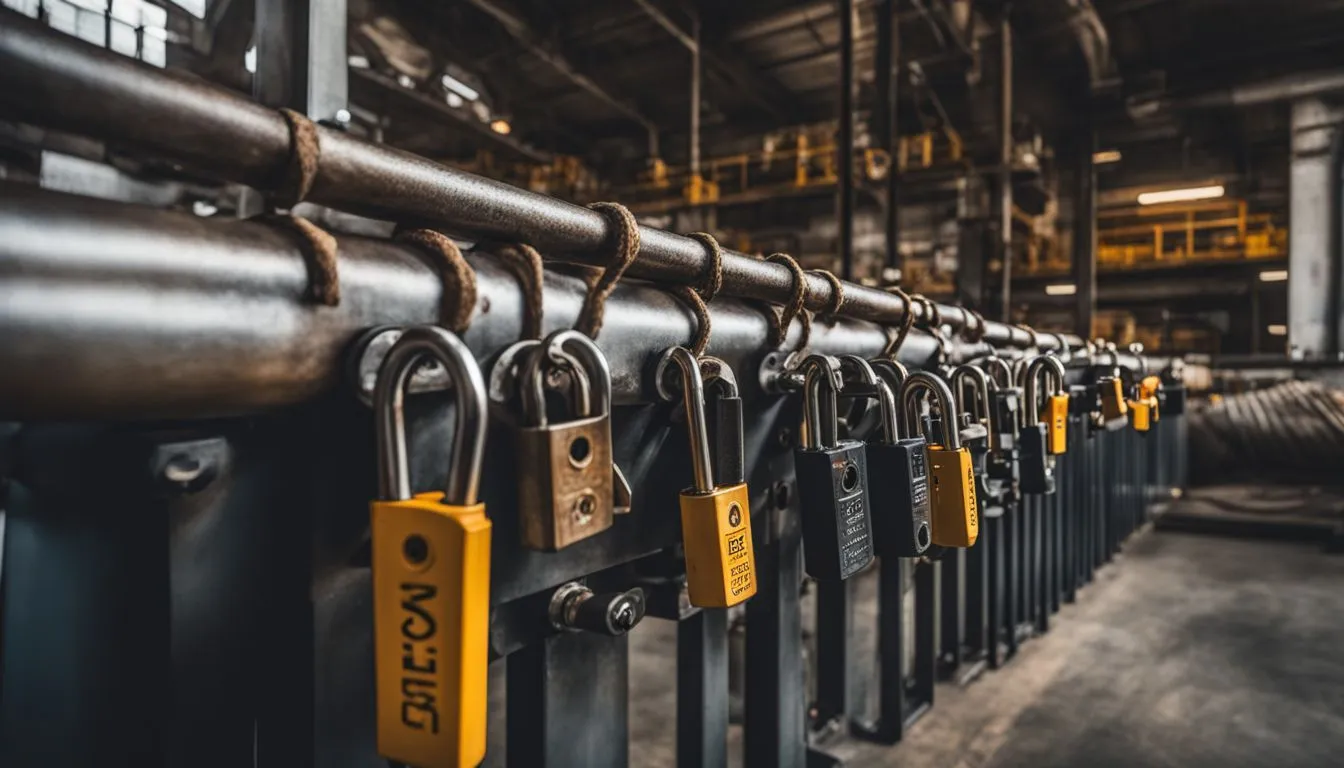
Maintaining compliance with safety regulations is a critical aspect of running a business. Lockout safety locks play an essential role in meeting these standards and keeping operations within legal requirements.
As we know, occupational safety is paramount and adhering to lockout/tagout procedures safeguards against hazardous energy releases during maintenance or repairs.
Using quality lockout devices showcases our commitment to workplace safety and ensures the well-being of employees. It’s more than just following rules; it’s about fostering a culture of safety where risks are identified, understood, and effectively managed.
This proactive approach minimises the likelihood of workplace accidents and aligns with regulatory compliance standards set by authorities.
Our businesses thrive on upholding stringent industrial safety measures, but this goes hand-in-hand with staying informed about changes in compliance guidelines. Regular employee training ensures that our team not only knows how to use padlocks correctly but also understands their importance in risk management strategy.
Each member becomes an active player in creating a safer work environment – one where adherence to occupational health policies isn’t merely encouraged, it’s practised daily.
The Risks of Not Using Lockout Safety Locks in the Workplace
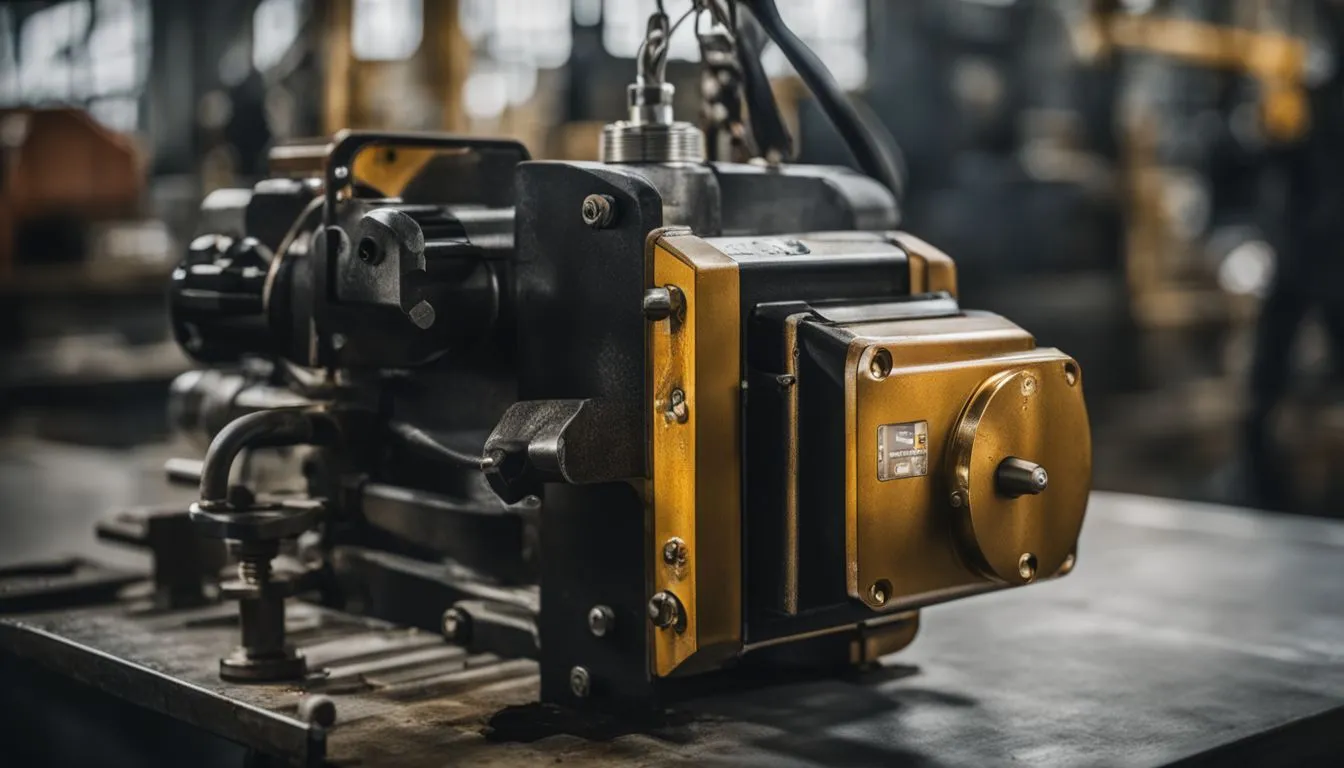
Skipping lockout safety locks can leave heavy machinery unsecured, exposing them to the sudden release of hazardous energy. This oversight might lead not only to severe injuries but also fatalities.
As business owners, we carry the weight of ensuring each machine is properly shut off during repairs or maintenance. Without a strict lockout tagout procedure in place, accidental startups can occur, putting our valued team members at risk.
Ignoring these essential devices may result in financial burdens from penalties and compensation claims for workplace accidents. Ensuring occupational health means investing in reliable padlocks and other lockout devices that secure machines effectively during downtime.
We understand regulatory compliance isn’t just about avoiding fines; it’s about fostering a culture that prioritises everyone’s well-being.
Now let’s explore how high-quality lockout safety locks play a pivotal role in maintaining occupational safety compliance throughout various industries.
Role of Quality Lockout Safety Locks in Maintaining Occupational Safety Compliance
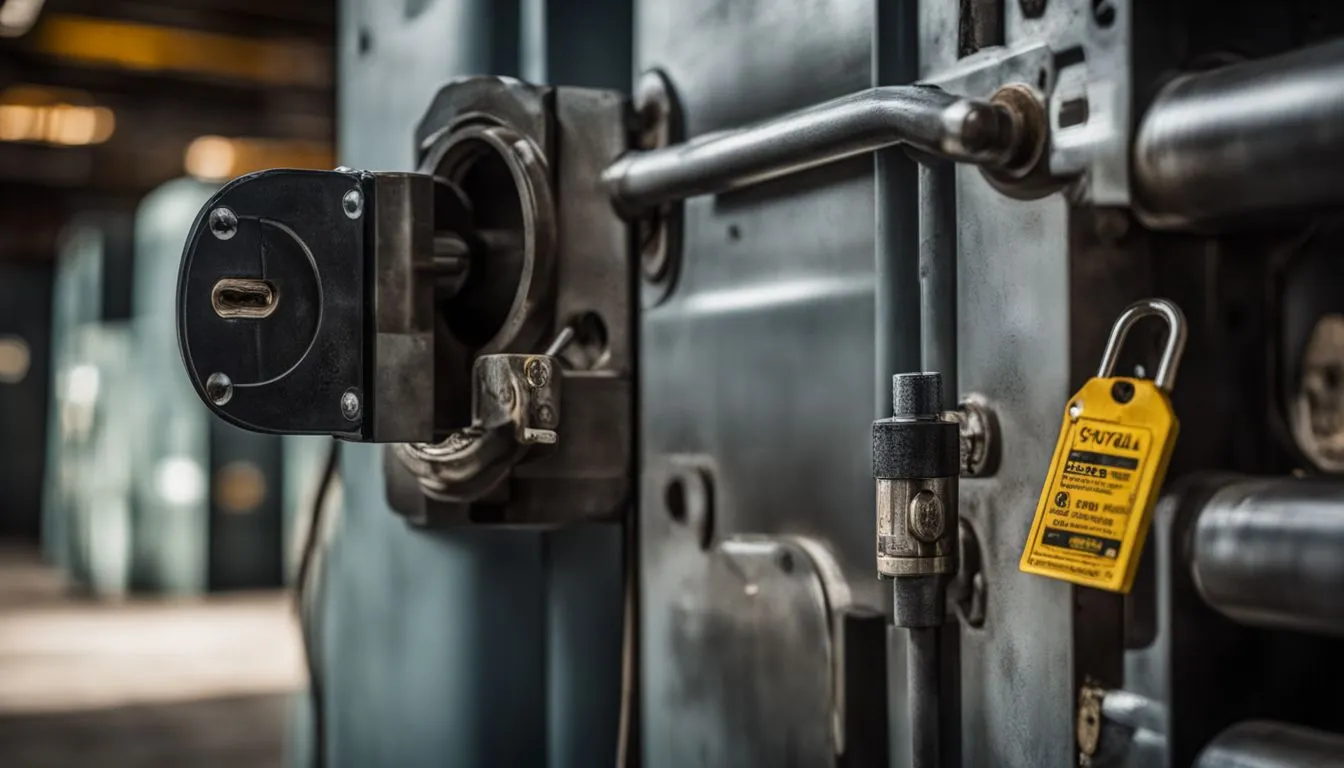
Understanding the risks of neglecting lockout safety locks, we now turn our focus to their fundamental role in upholding occupational safety standards. High-quality lockout devices serve as a critical line of defence against hazardous energy accidents in the workplace.
These robust padlocks and lockout mechanisms create secure barriers that prevent machinery from becoming inadvertently energised during maintenance or repairs. They are not just tools; they embody our commitment to safeguarding every team member on the floor.
Ensuring regulatory compliance is another significant aspect that quality lockout safety locks address effectively. Adhering to strict safety regulations isn’t simply about avoiding penalties; it’s about building a culture where workplace accidents due to hazardous energies are prevented proactively.
Through employee training and consistent application of lockout-tagout procedures, we empower our workforce with the know-how to manage risks confidently and maintain compliance with industry standards for industrial safety.
Conclusion
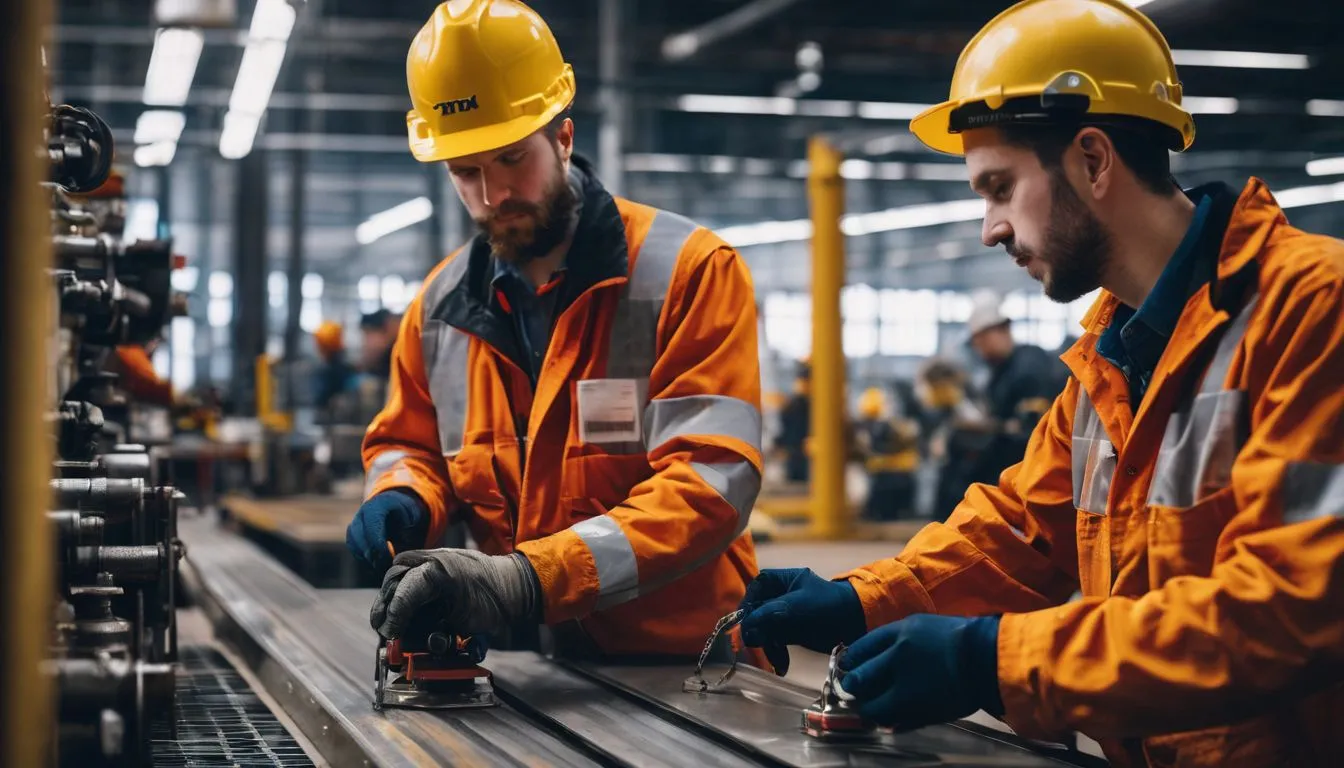
We’ve explored the critical role of lockout safety locks in safeguarding our teams, and it’s clear they are non-negotiable for maintaining workplace safety. Implementing these devices is more than a regulatory tick-box; it protects lives and prevents accidents every day in businesses like ours.
High-quality lockout systems streamline compliance with occupational health standards while averting potential disasters. Take advantage of the wealth of resources available to delve deeper into best practices for lockout-tagout procedures.
Let’s commit to fostering a secure work environment by investing in dependable safety measures that benefit everyone involved. Your proactive steps today could be the difference between a normal day at work and one we’d all rather avoid – let’s choose safety first!
Sorting out lockout for your own site?
Describe what needs isolating and we'll help you work out the setup that fits.