

Welcome to the vital topic of safety locks and compliance, an alliance as crucial as a foundation is to a skyscraper. Imagine security compliance as the blueprint for constructing robust protection around a business’s most valuable treasures – its assets and data. This blueprint guides industries in following specific rules like the Sarbanes-Oxley Act (SOX), Health Insurance Portability Accountability Act (HIPAA), and Payment Card Industry Data Security Standard (PCI DSS).
These regulations act much like recipes that businesses must follow to ensure their safety measures are up-to-date, just like chefs ensure their ingredients are fresh. We place enormous importance on nurturing a security-conscious culture within our teams, knowing full well this shields sensitive information and wins customers’ hearts. Like gardeners who tend their plants daily, we continually train our employees, streamline our data policies, and adjust our operational management to stay sharp.
Regular checks keep us aligned with both internal guidelines and external legal demands – think of it as regularly servicing your car to avoid breakdowns. By sticking firmly to these practices, we present ourselves not only trustworthy but also resilient in the eyes of those who matter most: customers, stakeholders, and third parties.
For businesses today stand at the forefront of change; staying agile means embracing new technologies while keeping doors firmly locked against threats. We understand that weaving together rigorous security protocols with strict adherence to compliance laws can seem complex – but fear not; let’s unlock this mystery together! Join us as we delve deeper into this critical pairing in the industry world. The key awaits.

Understanding Security Compliance
Security compliance is essential for the industry, ensuring that businesses adhere to regulations and standards to protect assets and data. It’s important for security fabricators to understand the requirements and implications of compliance in their operations.
Definition of security compliance
We understand security compliance as the process by which businesses adhere to laws, regulations, and guidelines relevant to their industry’s security requirements. This involves setting up a framework that ensures all safety locks and physical security measures meet specific standards.
It’s not just about sticking to the rules; it’s ensuring that every aspect of our operations is geared towards protecting assets and sensitive information.
Maintaining this compliance requires staying updated with workplace health and safety regulations, lock safety protocols, and any new regulatory schemes that may affect how we manage our security fabricators or enforce policies.
We’re constantly assessing risks, implementing necessary changes, and fine-tuning our strategies to create an impenetrable security fabric across all levels of operation. Compliance isn’t static, it evolves as occupational health concerns emerge and technological advancements offer new protections against physical security threats.
Importance of compliance for the security industry
Compliance with security standards is crucial for the protection and safety of assets within the industry. Adhering to regulations ensures that internal and external requirements are met, leading to efficient operations.
It also enhances credibility and trust with customers and stakeholders while adapting to the ever-changing world of work. By complying with security standards, businesses can effectively mitigate risks, safeguard sensitive data, and maintain a secure environment for employees, clients, and visitors.
Meeting compliance requirements promotes a culture of responsibility in upholding safety and health duties within the workplace. It further aligns with regulatory expectations on operational procedures – from door and window standards to cybersecurity enforcement policies.
Compliance Regulations and Standards
Compliance regulations and standards play a crucial role in the security industry, ensuring that businesses adhere to specific requirements and guidelines to maintain the safety and protection of assets.
From the Sarbanes-Oxley Act (SOX) to the Payment Card Industry Data Security Standard (PCI DSS), these regulations are essential for maintaining trust with customers and stakeholders.
Sarbanes-Oxley Act (SOX)
The Sarbanes-Oxley Act (SOX) establishes stringent financial reporting and disclosure requirements for publicly traded companies. It aims to enhance corporate governance and restore investor confidence by holding corporations accountable for the accuracy of their financial statements.
SOX also requires senior management to certify the accuracy of financial information, while imposing severe penalties for non-compliance. Companies must establish internal controls over financial reporting and adhere to strict auditing standards defined by SOX.
This Act significantly impacts how businesses handle data, maintain records, and ensure transparency in their operations.
Health Insurance Portability Accountability Act (HIPAA)
After discussing the Sarbanes-Oxley Act (SOX) and its impact on security compliance, it’s crucial for businesses to also consider the Health Insurance Portability Accountability Act (HIPAA).
HIPAA sets strict standards for protecting sensitive patient health information. As business owners, understanding and complying with HIPAA regulations is vital to avoid hefty penalties and maintain trust with customers.
Implementing robust data management policies and ensuring secure access to sensitive health information are key steps in aligning with HIPAA requirements. By prioritising HIPAA compliance, businesses can safeguard their reputation while demonstrating a commitment to protecting confidential health data.
Payment Card Industry Data Security Standard (PCI DSS)
Now, let’s delve into the realm of electronic transaction security with the Payment Card Industry Data Security Standard (PCI DSS). This standard serves as a framework for businesses that handle cardholder information to ensure it is protected from potential data breaches and theft.
Implementing PCI DSS not only safeguards sensitive financial data but also fosters trust between merchants and customers, enhancing the overall integrity of online transactions. By adhering to PCI DSS requirements, businesses can demonstrate their commitment to securing payment card information, ultimately bolstering consumer confidence in their brand and services.
Incorporating PCI DSS compliance within your business operations instils a proactive approach to cybersecurity. Carrying out regular assessments and audits help identify vulnerabilities while fortifying defences against potential threats.
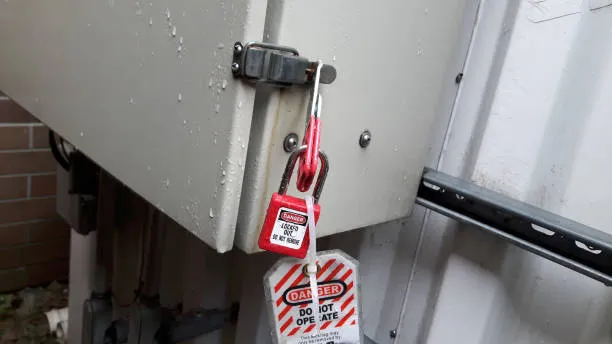
Best Practices for Security Compliance
Implementing a culture of security within the organisation is crucial for compliance. Efficient data management policies and improved operational management are essential to meet regulatory requirements.
Importance of creating a culture of security
Creating a culture of security within our organisation is crucial for safeguarding our assets, meeting compliance standards, and gaining the trust of customers and stakeholders. By prioritising security at every level of our operation, we instil a sense of responsibility and awareness amongst employees about workplace safety regulations, cyber threats, and data protection.
This not only fosters a secure work environment but also ensures that we are continuously adapting to evolving industry standards and regulatory requirements.
Implementing robust security measures doesn’t just protect us from potential risks; it also enhances our credibility in the eyes of customers and business partners. It’s imperative for us to integrate security into our company’s values and practices to stay ahead in an ever-changing landscape of work health and safety regulation.
Efficient data management policies
Creating efficient data management policies is essential for safeguarding sensitive information and ensuring compliance with industry standards. Implementing robust data management practices helps in organising, securing, and maintaining critical business data, reducing the risk of security breaches and non-compliance.
By establishing clear guidelines for data collection, storage, access control, and disposal, businesses can streamline operations while mitigating potential security risks. Regular reviews and updates to these policies also ensure that they remain aligned with evolving regulatory requirements and cybersecurity best practices.
Efficient data management policies play a crucial role in protecting your business from potential threats while demonstrating your commitment to upholding security standards within the industry.
Improved operational management
To improve operational management, businesses can implement efficient data management policies. These policies ensure that critical information is secure and easily accessible when needed.
By doing so, companies can streamline their operations and reduce the risk of data breaches, ultimately enhancing overall efficiency.
Additionally, creating a culture of security within the organisation is essential for improved operational management. When employees are well-versed in security protocols and compliance standards, they contribute to a safer work environment while also supporting effective day-to-day operations.
Overall, prioritising these aspects can significantly enhance operational management within the business.
Gaining trust from customers and third parties
Gaining trust from customers and third parties is crucial for the security industry. they build trust by consistently meeting compliance standards, ensuring the safety and protection of assets, and communicating transparently about our security protocols.
Creating a culture of security within our organisation demonstrates our commitment to safeguarding data and assets, which in turn inspires confidence among stakeholders.
Efficient data management policies also play a significant role in gaining trust. By implementing robust data handling practices that comply with regulations like HIPAA and PCI DSS, we assure customers and third parties that their sensitive information is secure in our hands.
These efforts not only enhance credibility but also strengthen relationships with all involved parties.
By maintaining high levels of compliance while prioritising transparency and security measures, we proactively foster trust from customers and third parties alike.
Interconnection between Security and Compliance
Business owners, security and compliance are tightly interwoven within the industry. Security measures should align with compliance requirements to ensure a robust framework that protects assets and data.
By integrating security into compliance processes, businesses can safeguard against potential threats and adhere to regulatory standards simultaneously.
Implementing robust safety locks is essential for meeting online safety expectations and cybersecurity regulations. This ensures protection against unauthorised access and aligns with health and safety duties.
Furthermore, compliance with security door and window standards, along with lockout-tagout procedures, strengthens industrial safety measures while also adhering to regulatory compliance requirements.
The connection between security and compliance goes beyond mere alignment; it’s about creating a unified approach that not only safeguards operations but also enhances credibility with customers.
Businesses must embrace this interconnectedness to create an environment where both aspects work together seamlessly to protect the company’s interests while meeting internal and regulatory requirements.
The Benefits of Complying with Security Standards
Complying with security standards brings numerous benefits to the table. From ensuring the safety and protection of assets to meeting internal and regulatory requirements, it allows for efficient and effective operations while improving credibility and trust with customers and stakeholders.
Ensuring the safety and protection of assets
To ensure the safety and protection of assets, it is crucial to implement robust safety locks that comply with industry standards. Regular maintenance and inspection of safety lock systems are essential to prevent unauthorised access and protect valuable equipment.
By adhering to safety lock regulations and security enforcement policies, businesses can safeguard their assets from theft, damage, or misuse.
Integrating safety locks into operational procedures not only secures physical assets but also strengthens the overall security posture of the business. It fosters a safe working environment for employees while mitigating potential risks associated with asset vulnerability.
Meeting internal and regulatory requirements
To meet internal and regulatory requirements, it’s crucial to implement robust security measures and compliance protocols within the organisation. We must regularly review and update our safety locks to ensure they meet industry standards and regulations.
By conducting regular audits, we can ensure that all safety lockout/tagout procedures are followed meticulously, providing a safe working environment for employees while adhering to regulatory guidelines.
We aim to collaborate with relevant authorities and stay updated on any changes in security compliance regulations. This proactive approach allows us to adjust our safety lock systems accordingly, ensuring full compliance with both internal policies and external regulatory requirements such as the Sarbanes-Oxley Act (SOX), Health Insurance Portability Accountability Act (HIPAA), and Payment Card Industry Data Security Standard (PCI DSS).
Efficient and effective operations
Meeting internal and regulatory requirements ensures that our operations are streamlined, allowing for smoother processes and reduced risk of non-compliance. Implementing efficient security measures not only safeguards assets but also fosters a more productive work environment.
Proactive management of security standards guarantees optimal workflow, contributing to the overall success of our business.
To enhance efficiency in day-to-day operations, implementing robust safety locks and compliance measures is paramount. This proactive approach helps us stay ahead of potential threats while maintaining high operational effectiveness and meeting industry standards.
Improved credibility and trust with customers and stakeholders
Efficient and effective operations are essential for maintaining security compliance, which in turn leads to improved credibility and trust with customers and stakeholders. When we adhere to security standards, it demonstrates our commitment to safeguarding sensitive information, assets, and customer data.
This proactive approach not only fosters trust with clients but also enhances the reputation of our business in the industry. By consistently meeting compliance requirements, we show a dedication to upholding ethical practices and prioritising the safety of all parties involved.
Adhering to security standards not only ensures efficient operations but also helps build a foundation of trust with customers and stakeholders. Compliance reassures them that their interests are protected, ultimately strengthening our relationships within the industry.
Adapting to the ever-changing world of work
In today’s dynamic work environment, staying adaptable is crucial for the security industry. By remaining flexible and open to change, businesses can respond effectively to new technological advancements and evolving customer needs.
Embracing innovation and being willing to modify operational processes as required ensures that companies remain competitive in a rapidly changing marketplace.
Moreover, adapting to the ever-changing world of work allows security firms to continuously improve their services and stay ahead of potential compliance issues. As technology continues to advance at a rapid pace, it is vital for businesses in the security industry to continually update their practices and protocols.
Conclusion
We have explored the essential relationship between safety locks and compliance in the security industry. The strategies and best practices discussed are practical, efficient, and easily implementable for business owners seeking to enhance their security measures. Emphasising the importance of compliance ensures not only the safety of assets but also builds trust with customers and stakeholders. By applying these approaches, businesses can experience significant improvements in operations and adapt to the evolving work environment.
Safety locks and compliance create the perfect match, ensuring industry-level standards. Get all requirements perfectly matched with WorkSafe Lockout’s wealth of expertise. For further guidance on security compliance or related topics, consider consulting industry experts or exploring relevant training resources. As you strive to prioritise safety within your business, remember that proactive measures today pave the way for a secure and prosperous future.
Sorting out lockout for your own site?
Describe what needs isolating and we'll help you work out the setup that fits.